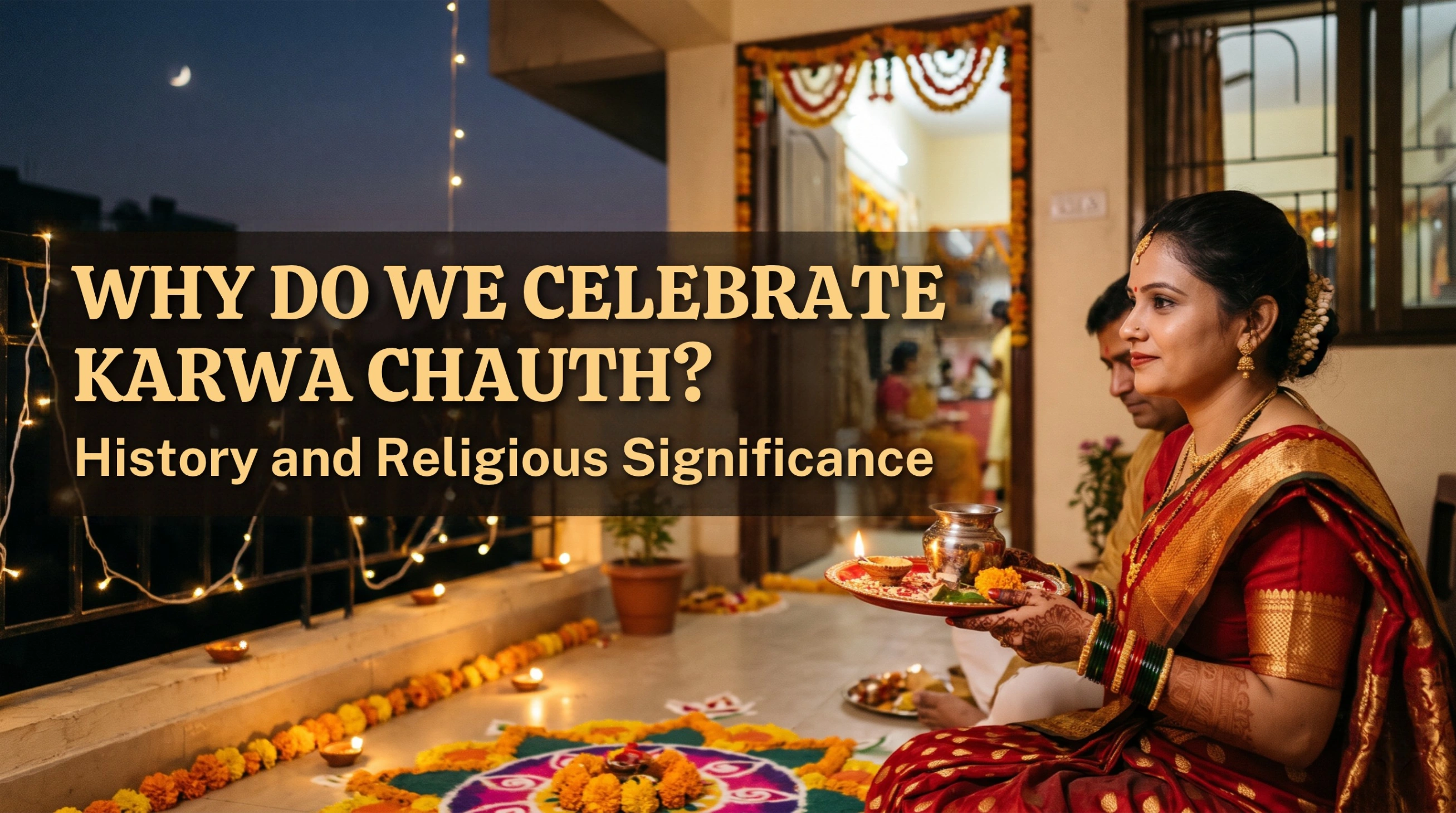
Karwa Chauth is one of the most cherished Hindu festivals, celebrated primarily by married women who observe a fast and pray for the well-being, prosperity, and long life of their husbands. The festival is known for its beautiful traditions, including applying mehendi, dressing in festive attire, performing evening puja, listening to the Karwa Chauth Katha, and viewing the Moon before breaking the fast.
But have you ever wondered why we celebrate Karwa Chauth? What is its history, what do the religious traditions signify, and how can its deeper message be understood in modern life?
Karwa Chauth is more than a day of rituals. It represents devotion, commitment, prayer, gratitude, and the importance of nurturing relationships. Its stories and customs also encourage reflection on patience, emotional strength, and the responsibilities people share with their loved ones.
These values connect with the philosophy of Science Divine Foundation, whose vision is “Sound Body, Sound Mind and Self-Realisation.” By looking beyond the external rituals, we can explore how festivals can become opportunities for inner growth, conscious living, and stronger relationships.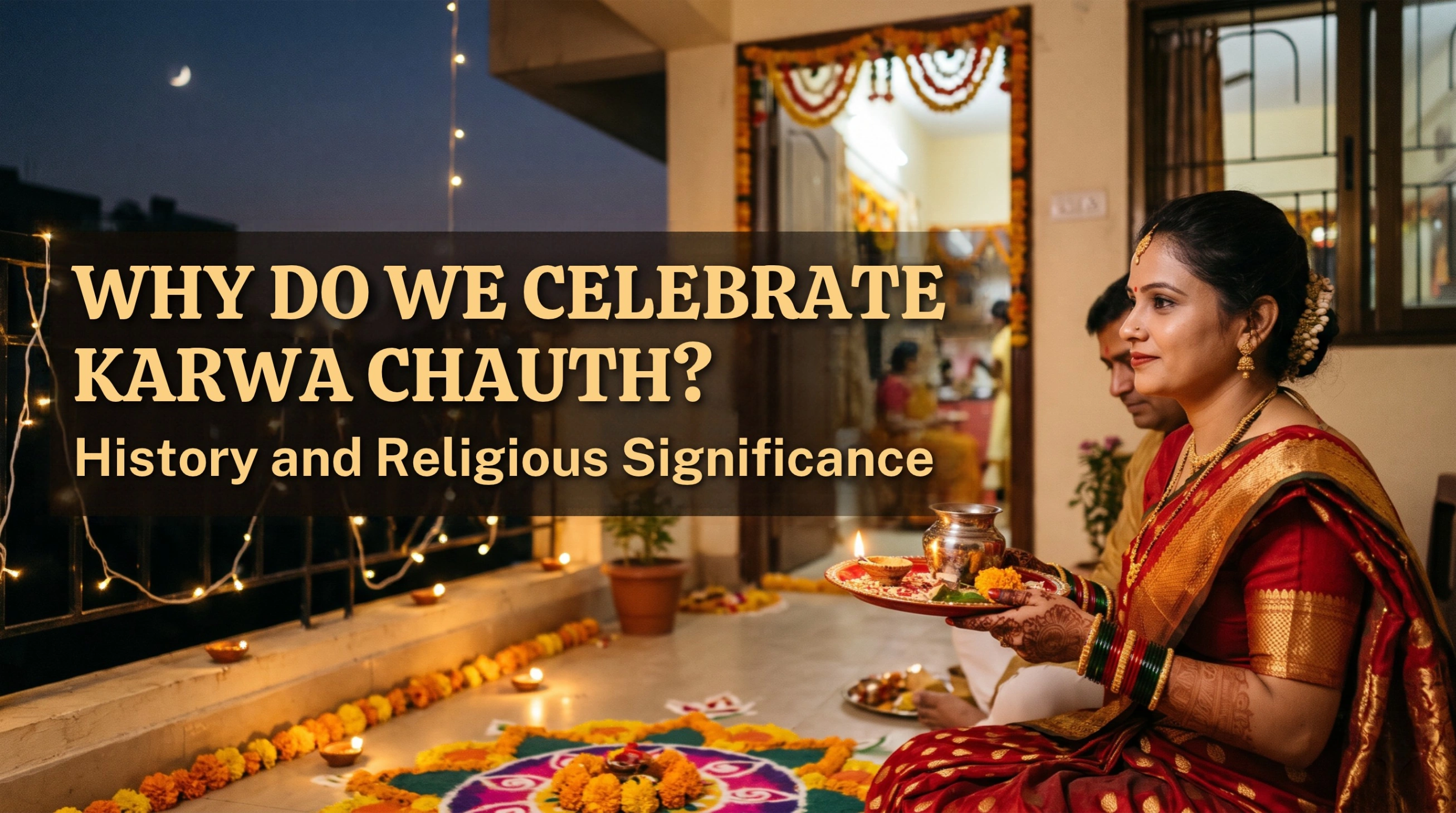
What Is Karwa Chauth?
Karwa Chauth is a traditional Hindu festival observed mainly by married women in several parts of northern and northwestern India. Women traditionally observe a fast from sunrise until the Moon is sighted, offer prayers, listen to religious stories, and seek blessings for their husbands' well-being and the happiness of their families.
The festival is observed on the Chaturthi, or fourth lunar day, of Krishna Paksha in the Hindu month of Kartik, according to many North Indian traditions. The exact Gregorian date changes every year because the Hindu calendar follows lunar cycles.
The word Karwa refers to an earthen pot traditionally used during the rituals, while Chauth means the fourth day. The karwa has a practical and symbolic place in the festival, representing the offerings and customary practices associated with the puja.
Although Karwa Chauth has traditionally been associated with married women, customs differ among communities and families. Some unmarried women also observe the fast according to personal belief or family tradition.
Why Do We Celebrate Karwa Chauth?
The central reason for celebrating Karwa Chauth is to pray for the well-being, longevity, and prosperity of one's spouse and family. It is also an occasion to express love, commitment, faith, and gratitude.
The festival has several interconnected meanings.
1. To Pray for the Well-Being of One's Husband
Traditionally, married women observe the fast as an expression of their prayers for their husbands' health, safety, and long life.
For many devotees, fasting is an act of faith and a way of expressing sincere intentions. The prayers reflect the emotional importance of a life partnership and the desire to see one's loved ones flourish.
In contemporary relationships, this sentiment can be understood more broadly: partners can support one another through care, respect, responsibility, and concern for each other's physical and emotional well-being.
Design Your Destiny
Transform spiritual understanding into meaningful everyday action. Karwa Chauth reminds us of the value of love, patience, gratitude, and commitment. Discover how greater self-awareness can help you make thoughtful choices, nurture your relationships, and move towards a more balanced life.
Start Your Journey Today!2. To Celebrate Love and Commitment
Karwa Chauth is often associated with the enduring bond between spouses. The preparations, shared family traditions, and evening rituals provide an opportunity to celebrate a relationship.
However, commitment is not expressed only through a fast or a ceremony. It also appears in everyday actions: listening patiently, communicating honestly, respecting boundaries, and standing beside one another during difficult times.
The festival can therefore serve as a reminder that love grows through consistent care rather than grand gestures alone.
3. To Preserve Cultural and Family Traditions
Karwa Chauth is passed down through generations in many families. Mothers, grandmothers, daughters, and daughters-in-law often share stories, recipes, songs, clothing traditions, and puja customs.
These shared practices help preserve cultural identity and create memories that connect generations.
The festival's traditions vary by region. Some communities emphasise elaborate evening gatherings, while others observe simpler rituals at home. Understanding these differences allows people to appreciate the diversity of Hindu customs.
4. To Practise Devotion and Gratitude
Prayer is an important part of Karwa Chauth. Devotees may pray for their spouses, family harmony, peace, and protection.
Beyond asking for blessings, the occasion can encourage gratitude for the people who contribute to our lives. It can also inspire us to express appreciation more openly and to become more attentive to the needs of our loved ones.
This spirit of gratitude is relevant throughout the year, not only during festivals.
History of Karwa Chauth
The history of Karwa Chauth is connected with regional customs, oral traditions, religious stories, and the evolution of family and community practices. There is no single universally accepted historical account that explains every aspect of the festival.
Over time, Karwa Chauth became particularly prominent in parts of northern India, where it developed distinctive fasting practices, devotional narratives, and social customs.
Traditional Agricultural and Seasonal Associations
Some interpretations connect the festival's historical development with seasonal cycles and community life in northern India. In agrarian societies, seasonal observances often helped strengthen relationships between families and communities.
The festival's name and traditional use of the karwa, or pot, also reflect the material culture associated with daily life.
These interpretations provide cultural context, but they should not be treated as a definitive explanation of the festival's origins. Its history is best understood as a combination of regional practices and religious traditions that developed over time.
The Role of Religious Stories
Religious narratives have played an important role in shaping how Karwa Chauth is observed and understood. The Karwa Chauth Katha is traditionally recited during the puja, and different communities may tell different versions of the stories.
These narratives communicate values such as faith, courage, loyalty, patience, and the consequences of thoughtless actions.
For many families, listening to the Katha is not simply a ritual requirement. It is also a way of passing moral and spiritual lessons from one generation to another.
How Krishna's Govardhan Leela Teaches Us to Overcome Ego
Religious Significance of Karwa Chauth
Karwa Chauth carries religious meaning through its fasting practices, prayers, offerings, and traditional stories.
1. The Significance of Fasting
Fasting is one of the most recognisable practices associated with Karwa Chauth. Many women abstain from food and water from sunrise until the Moon is sighted, although observances vary.
Within religious traditions, fasting can represent devotion, discipline, and the setting aside of ordinary activities for a spiritual purpose.
It is important, however, to distinguish religious belief from medical claims. Fasting does not guarantee a particular outcome for a spouse's health or longevity, and prolonged fasting without water can be physically demanding. Anyone who is pregnant, breastfeeding, unwell, taking medication, or managing a medical condition should consider appropriate medical guidance and their individual needs.
The spiritual meaning of a festival need not depend on putting one's health at risk.
2. The Importance of Moon Worship
The Moon plays a central role in the traditional Karwa Chauth evening ritual. After sighting the Moon, devotees offer prayers according to their family customs and then break their fast.
The Moon also determines the timing of the observance within the lunar calendar. Its appearance gives the festival a shared moment of anticipation and celebration.
Symbolically, the evening ritual can encourage patience and reflection. The transition from waiting to completing the fast may also remind devotees to appreciate the moments and people they sometimes take for granted.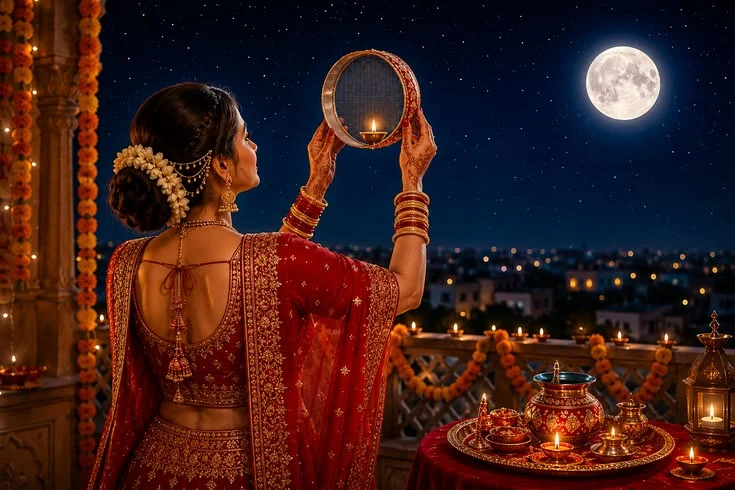
3. The Significance of the Karwa
The karwa, traditionally an earthen pot, is associated with the puja and customary offerings. Depending on the regional tradition, it may be filled with water and used during the ritual.
The pot's role reflects the practical and symbolic importance of water, nourishment, and household life.
In a broader sense, it can remind us to value life's basic necessities and to practise gratitude for the resources that sustain us.
4. The Karwa Chauth Katha
The Karwa Chauth Katha is an important part of the traditional observance. It is commonly narrated during the evening puja, with the story serving as a devotional and moral guide.
The most widely known version involves a woman named Veeravati. In the popular account, she observes a fast but becomes distressed by hunger and thirst. Her brothers create a false impression that the Moon has risen, leading her to break the fast prematurely. The story then describes hardship and the eventual restoration of her husband's well-being through devotion and the completion of the prescribed observance.
Details vary between versions, and the Katha is a traditional religious narrative rather than a verified historical record. Devotees interpret it as a story about faith, patience, sincerity, and the importance of understanding the rituals one follows.
Popular Stories Associated With Karwa Chauth
Several stories are linked with Karwa Chauth or discussed in connection with its devotional themes.
The Story of Veeravati
The story of Veeravati is one of the most familiar Karwa Chauth narratives. It emphasises the importance of sincerity and patience during the observance.
In popular retellings, Veeravati's distress during the fast leads to an unintended mistake, after which she faces a painful consequence. Through devotion and renewed observance, the story reaches a hopeful conclusion.
The narrative is interpreted differently across communities, but it often serves as a reminder to approach religious practices with understanding rather than treating them as empty formalities.
The Story of Karwa
Another traditional story describes Karwa as a devoted wife whose courage and loyalty become central to the narrative. In versions of the story, she seeks divine assistance to protect her husband from danger.
The tale is commonly interpreted as an illustration of devotion, determination, and the strength associated with sincere prayer.
As with many traditional narratives, details vary across oral retellings. These stories are valued primarily for their religious and moral significance.
Regional Variations in the Katha
The Karwa Chauth Katha is not identical everywhere. Families may follow a particular version passed down by elders, local priests, or regional religious traditions.
These variations are part of the festival's living heritage. When participating in a community observance, it is helpful to follow the customs of that tradition respectfully.
Karwa Chauth Rituals and Traditions
The celebration includes a series of customary practices that may differ from one household to another.
Sargi Before Sunrise
In many Punjabi and North Indian traditions, a woman receives sargi, a pre-dawn meal traditionally given by her mother-in-law. It may include fruits, sweets, dry fruits, or other foods, depending on family customs.
Sargi provides an opportunity for family members to express care and encouragement before the fast begins.
Dressing in Traditional Attire
Many women wear festive clothing, jewellery, and mehendi for the occasion. Red, maroon, pink, and other bright colours are commonly chosen, although there is no single compulsory colour.
These preparations reflect celebration, personal expression, and the social dimension of the festival.
Performing the Evening Puja
Women gather for the Karwa Chauth puja, either at home or in a community setting. The rituals may include arranging the karwa, offering prayers, listening to the Katha, and following the customs taught within the family.
The specific procedure can vary by region and tradition.
Sight the Moon and Break the Fast
Moon sighting is the defining moment of the evening for many devotees. Women offer prayers and complete the traditional ritual before breaking their fast, often with the participation of their husbands.
The evening may conclude with a family meal or a gathering with relatives.
How Karwa Chauth Is Celebrated in Modern India
Karwa Chauth continues to evolve as families adapt their traditions to contemporary life.
Social media has made festive clothing, mehendi designs, puja arrangements, recipes, and celebration ideas more visible. For many couples, the occasion has also become an opportunity to spend time together and express affection.
Some couples choose to fast together, while others focus on prayer, meaningful conversation, or a shared meal. Some families follow all customary rituals, while others adapt them to their circumstances.
These different approaches demonstrate that cultural traditions can be preserved while also being interpreted thoughtfully.
The deeper meaning of Karwa Chauth does not have to be reduced to photographs, gifts, or elaborate arrangements. Its most lasting value may lie in the care, trust, and respect that people bring into their relationships.
What Can We Learn From Karwa Chauth Beyond Rituals?
Festivals often offer an opportunity to reflect on how our beliefs influence our behaviour. Karwa Chauth can encourage several meaningful lessons.
1. Love Requires Everyday Care
Praying for a partner's well-being expresses concern, but everyday care is equally important. Respectful communication, emotional support, shared responsibilities, and thoughtful decisions help create a healthy relationship.
2. Patience Can Strengthen Relationships
Waiting, listening, and responding calmly are important relationship skills. Patience does not mean accepting disrespect or ignoring problems; it means giving ourselves enough space to understand a situation before reacting.
3. Gratitude Makes Relationships More Meaningful
It is easy to become accustomed to the support we receive from family members. Taking time to acknowledge their efforts can strengthen emotional connection and reduce misunderstandings.
4. Traditions Become Meaningful Through Understanding
Following a ritual can be a valuable expression of faith, but understanding its purpose can make the experience more personal. Learning about the stories and customs behind Karwa Chauth encourages a thoughtful connection with cultural heritage.
5. Spirituality Can Guide Daily Behaviour
A festival may inspire devotion for a day, but its values can continue through daily choices. Acting with compassion, honesty, patience, and awareness helps translate spiritual reflection into practical action.
Karwa Chauth With Science Divine Foundation
Karwa Chauth provides an opportunity to reflect on love, devotion, patience, and the emotional responsibilities that come with relationships. These themes connect naturally with the philosophy of Science Divine Foundation, whose vision is “Sound Body, Sound Mind and Self-Realisation.”
The Foundation encourages individuals to explore spirituality as a way of understanding themselves and living more consciously. This perspective allows us to look beyond the external celebration and consider how the festival's values can influence our inner lives.
Sound Body: Respect Physical Well-Being
Karwa Chauth is traditionally associated with fasting, but caring for the body remains important. A balanced approach to spiritual practice recognises that health, nourishment, rest, and individual circumstances matter.
Honouring a tradition should not mean ignoring physical needs. Devotion can be expressed sincerely while making thoughtful decisions about personal well-being.
Sound Mind: Respond With Awareness
Relationships can bring happiness, but they can also involve disagreements, expectations, and emotional stress. The values associated with Karwa Chauth offer an opportunity to practise patience, gratitude, and thoughtful communication.
Rather than reacting immediately when upset, we can pause, observe our emotions, and choose a response that reflects our values.
This kind of awareness can help make relationships more understanding and respectful.
Self-Realisation: Understand the Person Within
Self-realisation involves looking honestly at our thoughts, habits, fears, and motivations. It encourages us to understand why we behave in certain ways and how our inner patterns affect the people around us.
Science Divine Foundation's emphasis on inner growth invites people to move beyond external appearances and cultivate deeper self-awareness.
The festival can become a starting point for reflection: Am I expressing love through my actions? Do I listen with understanding? Can I appreciate my partner without taking their support for granted?
These questions help bring the values of devotion and gratitude into daily life.
From Celebrating a Festival to Living Its Values
Science Divine Foundation promotes the idea that spiritual wisdom should become part of everyday living, rather than remaining limited to occasional rituals.
Karwa Chauth can remind us to nurture relationships with compassion, take responsibility for our emotional responses, and appreciate the people who share our lives.
Explore the Foundation's spiritual learning initiatives to understand how self-awareness and conscious living can support a more balanced and meaningful life.
Why Letting Go Is the First Step Towards Healing
Conclusion
Karwa Chauth is celebrated to express devotion, pray for a spouse's well-being, honour cultural traditions, and strengthen the values associated with love and commitment. Its religious significance is reflected in fasting, Moon worship, the karwa, the Karwa Chauth Katha, and the customs passed down through generations.
At the same time, the festival invites us to look beyond its outward rituals. Patience, gratitude, understanding, and mutual care can make our relationships stronger throughout the year.
These values align with Science Divine Foundation's vision of a sound body, a sound mind, and self-realisation. When we combine cultural understanding with conscious action, a festival becomes more than an annual celebration: it becomes an opportunity to reflect, grow, and live with greater awareness.
Personal Session
Our thoughts, emotional habits, and expectations influence the way we experience relationships and respond to life's challenges. A personal session with Science Divine Foundation can provide an opportunity to explore your inner journey and learn more about conscious living. Take a meaningful step towards greater clarity, self-understanding, and inner growth.
Book Now
Read Latest Articles
Why Do We Celebrate Dhanteras? History, Story & Significance
Why Do We Celebrate Diwali ? Meaning , History and Significance
Frequently Asked Questions
Q.Why do we celebrate Karwa Chauth?
Karwa Chauth is traditionally celebrated by married women who pray for their husbands' well-being, longevity, and prosperity. The festival expresses devotion, love, commitment, and gratitude through fasting, prayers, the Karwa Chauth Katha, and Moon-sighting rituals. Today, many families also use the occasion to celebrate mutual care, strengthen relationships, and honour cultural traditions.Q.What is the history of Karwa Chauth?
Karwa Chauth developed through regional Hindu customs, religious narratives, and family traditions, particularly in northern India. Its history does not have one universally accepted account. Stories such as the Karwa Chauth Katha have helped pass its devotional and moral significance across generations, while customs have evolved according to local traditions and contemporary family life.Q.What is the religious significance of Karwa Chauth?
The religious significance of Karwa Chauth lies in devotion, prayer, fasting, and the traditional hope for a spouse's well-being. The rituals also provide an opportunity to express gratitude and reflect on patience, faith, and commitment. Customs vary across communities, and their meaning is often shaped by family traditions and personal beliefs.Q.Why is the Moon worshipped on Karwa Chauth?
The Moon is central to the traditional evening observance of Karwa Chauth. Many devotees wait until the Moon is sighted, offer prayers according to their family customs, and then break their fast. The lunar calendar also determines the festival's date, making Moon sighting an important part of the ritual.Q.What is the Karwa Chauth Katha?
The Karwa Chauth Katha is a traditional religious story narrated during the festival's puja. One widely known version tells the story of Veeravati and highlights themes of faith, patience, and devotion. Other regional stories may also be recited. Details differ among communities, and these narratives are valued for their religious and moral lessons.Q.What is the meaning of the word Karwa Chauth?
The word Karwa Chauth combines Karwa, referring to a traditional earthen pot used in the rituals, and Chauth, meaning the fourth lunar day. The festival is observed on the fourth day of Krishna Paksha in Kartik according to many North Indian traditions, although regional calendars and practices can differ.Q.Do unmarried women celebrate Karwa Chauth?
Karwa Chauth is traditionally associated with married women, but some unmarried women also observe the fast according to personal beliefs or family customs. Practices vary by community. There is no single rule followed by everyone, so the observance depends on individual choice and the traditions with which a person identifies.