Diwali, also known as Deepavali, is one of the most celebrated festivals in Hinduism. Known as the Festival of Lights, it brings families together to light diyas, decorate homes, perform prayers, share sweets, and welcome prosperity and happiness. Streets glow with lamps, homes sparkle with colourful decorations, and the atmosphere becomes filled with joy, gratitude, and hope.
But why do we celebrate Diwali? Is it only to welcome prosperity, worship Goddess Lakshmi, and enjoy festive celebrations, or does the festival carry a deeper spiritual meaning?
Diwali represents the victory of light over darkness, knowledge over ignorance, and good over evil. Its stories, rituals, and traditions encourage us to reflect on our actions, strengthen our relationships, and bring greater awareness into our lives.
In this article, we will explore the meaning of Diwali, its history, the religious stories associated with it, its spiritual significance, and the ways we can celebrate the festival meaningfully.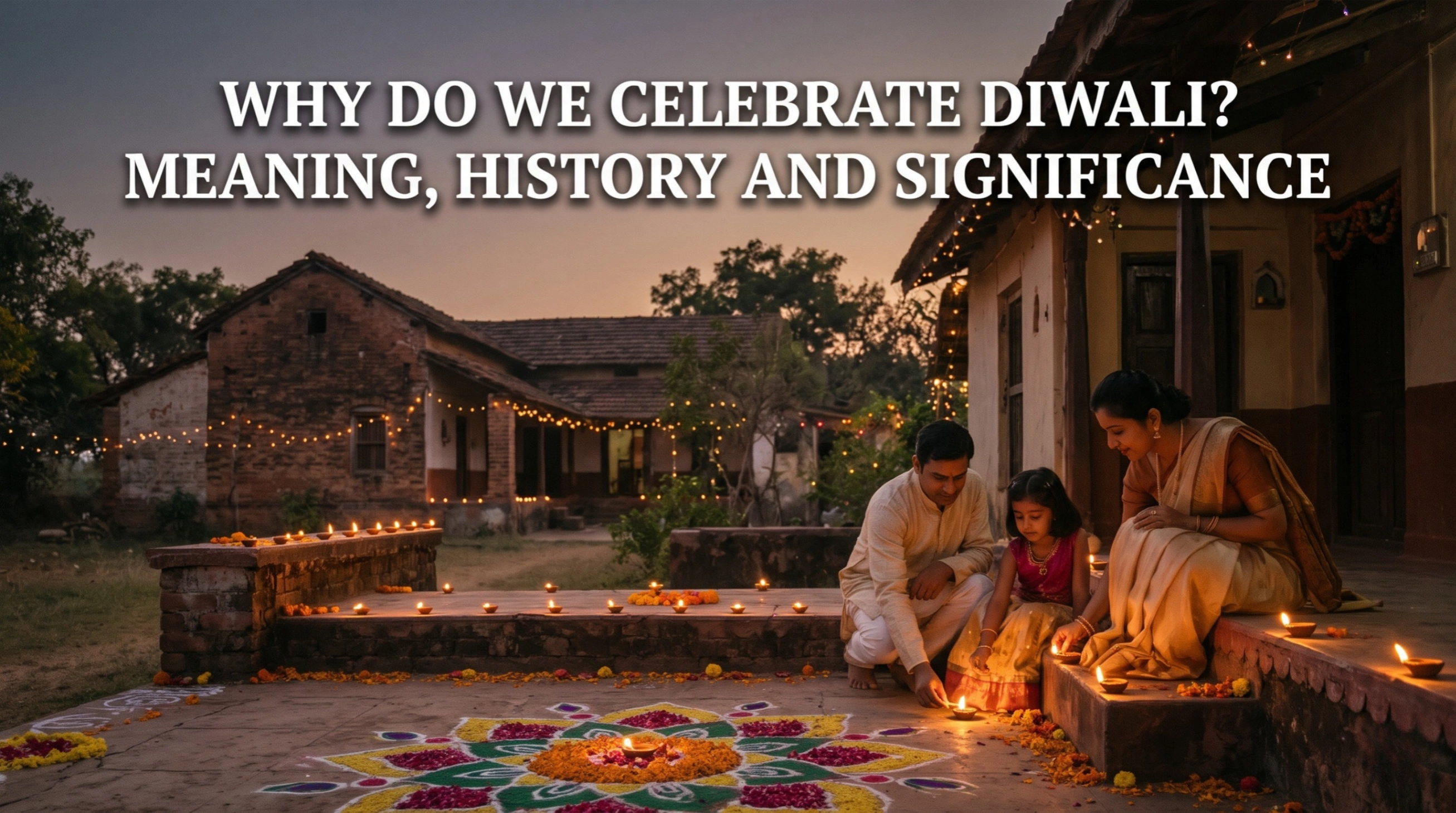
What Is Diwali? Meaning and Definition
The word Diwali comes from the Sanskrit word Deepavali, which means a row or series of lamps. The name reflects one of the festival's most recognisable traditions: lighting rows of earthen lamps, or diyas, to illuminate homes and public spaces.
Diwali is celebrated over several days, with customs varying across regions, communities, and religious traditions. For many Hindus, the festival is associated with the return of Lord Rama to Ayodhya after his victory over Ravana and fourteen years of exile. It is also associated with the worship of Goddess Lakshmi, who represents wealth and prosperity, and Lord Ganesha, who is revered as the remover of obstacles.
The festival holds significance beyond any single story. Its central message is that goodness, wisdom, hope, and righteousness can help overcome darkness and negativity.
In simple words, Diwali is a celebration of light, renewal, gratitude, and the triumph of good over evil.
Why Do We Celebrate Diwali?
Diwali is celebrated for several religious, cultural, and spiritual reasons. Although the stories associated with the festival differ across India, they share themes of victory, renewal, devotion, and the restoration of harmony.
1. To Celebrate Lord Rama's Return to Ayodhya
One of the best-known explanations for Diwali comes from the Ramayana.
According to the traditional account, Lord Rama spent fourteen years in exile with Sita and Lakshmana. During this period, Ravana abducted Sita, leading to a battle in which Rama defeated Ravana and rescued her.
After completing his exile, Lord Rama returned to Ayodhya with Sita and Lakshmana. The people of Ayodhya are traditionally said to have welcomed their beloved prince by lighting lamps and celebrating his return.
For many Hindus, this story explains the association between Diwali and the victory of righteousness over wrongdoing.
The return of Rama also symbolises the restoration of peace, justice, and hope after a period of difficulty.
2. To Celebrate the Victory of Good Over Evil
Diwali reminds people that evil, injustice, and ignorance do not have to define the future.
The story of Rama's victory over Ravana is one expression of this message. In other traditions, Diwali is associated with different divine stories that also represent the defeat of destructive forces.
The deeper lesson is not simply that a good person defeats a bad person. It is also an invitation to examine the conflicts within ourselves.
Anger, greed, jealousy, dishonesty, and pride can influence our decisions when left unchecked. The festival encourages us to recognise these tendencies and consciously cultivate patience, honesty, compassion, and wisdom.
In this sense, celebrating Diwali can become an opportunity to reflect on the qualities we wish to strengthen in our own lives.
Design Your Destiny
This Diwali, explore how self-awareness and spiritual wisdom can help you make more conscious choices. Discover the Science Divine approach to developing a sound body, a sound mind, and a deeper understanding of yourself. Begin building habits that support a more balanced and purposeful life.
Start Your Journey Today!3. To Worship Goddess Lakshmi and Lord Ganesha
Lakshmi Puja is one of the most important rituals performed during Diwali in many Hindu households.
Goddess Lakshmi represents prosperity, abundance, good fortune, and well-being. Devotees pray for blessings in their homes, businesses, and personal lives.
Lord Ganesha is also worshipped for wisdom, auspicious beginnings, and the removal of obstacles.
Together, these prayers remind devotees that prosperity and progress are best approached with wisdom, responsibility, gratitude, and ethical conduct.
The festival is also an occasion for families to clean and decorate their homes, prepare offerings, light diyas, and come together for prayers.
While customs and the precise timing of Lakshmi Puja vary by region and local calendar, the underlying spirit is one of devotion and hope for a positive beginning.
4. To Welcome New Beginnings
Diwali is traditionally associated with renewal and fresh starts.
People clean their homes, organise their surroundings, purchase new clothes, prepare festive meals, and reconnect with family and friends. Many businesses perform pujas and, in some communities, begin a new financial year around the festival.
These customs encourage people to pause and reflect on the past while looking ahead with renewed purpose.
A new beginning does not necessarily require a dramatic change. It can mean repairing a relationship, improving a daily habit, letting go of an old resentment, or making a more thoughtful decision.
Diwali offers a symbolic opportunity to make space for positive changes in our lives.
What Is the History of Diwali?
Diwali has a rich history shaped by religious texts, regional traditions, devotional practices, and centuries of cultural exchange. There is no single historical explanation that accounts for every Diwali celebration across the Indian subcontinent.
The story of Lord Rama's return to Ayodhya is particularly influential in many Hindu communities. The Ramayana, in its various versions and regional retellings, has played an important role in preserving and transmitting this tradition.
Other Hindu traditions associate Diwali with different stories and events. In some regions, the festival is linked to Lord Krishna's defeat of the demon Narakasura. In parts of western India, it is associated with King Bali and the themes of devotion and divine protection.
Diwali is also significant in Jainism, where it commemorates the nirvana, or liberation, of Lord Mahavira. In Sikh tradition, Bandi Chhor Divas coincides with Diwali and commemorates Guru Hargobind Sahib's release from imprisonment, along with the release of other prisoners in the traditional account.
These different observances demonstrate how the festival has developed across religious and cultural communities while retaining themes of liberation, hope, renewal, and spiritual progress.
What Is the Spiritual Significance of Diwali?
Beyond its historical stories and festive rituals, Diwali offers several lessons for inner growth.
Kali Chaudas vs Naraka Chaturdashi : Are They the Same ?
1. Light Represents Knowledge and Awareness
A diya illuminates the space around it, making it easier to see what was previously hidden in darkness.
Spiritually, this can represent the role of knowledge and awareness in human life. When we become more aware of our thoughts, habits, emotions, and intentions, we can make better choices.
Ignorance does not always mean a lack of information. Sometimes, it means failing to recognise how our own reactions influence our lives.
Diwali invites us to develop the inner clarity needed to distinguish between helpful and harmful patterns.
2. Darkness Represents Ignorance and Negativity
Darkness in the spiritual symbolism of Diwali can represent confusion, fear, anger, greed, and a lack of understanding.
These experiences are part of being human, but we do not have to let them control our decisions.
For example, awareness can help us recognise anger before it becomes hurtful speech. Reflection can help us question jealousy before it turns into resentment. Wisdom can help us pause before making a decision driven by fear.
The festival reminds us that personal growth begins when we become willing to recognise what needs to change.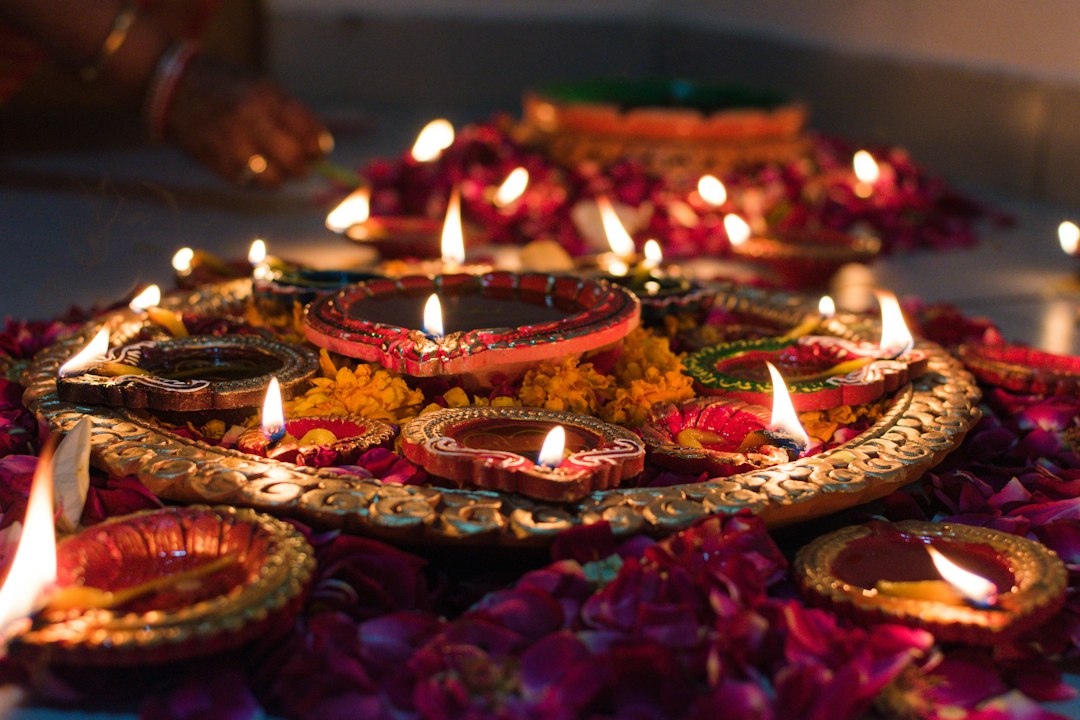
3. Diwali Encourages Inner Purification
Cleaning the home is a familiar part of Diwali preparations. On a symbolic level, this can also inspire us to examine what we carry within ourselves.
Are we holding on to unnecessary resentment? Are our daily habits aligned with our values? Are we allowing constant comparison or worry to disturb our peace?
Inner purification does not mean becoming perfect or suppressing every uncomfortable emotion. It means developing the willingness to understand ourselves honestly and make better choices.
Just as we clean our surroundings to create a welcoming environment, we can cultivate habits that support a calmer and more conscious mind.
4. The Festival Reminds Us to Practise Gratitude
Diwali brings families and communities together to share food, exchange gifts, and express affection.
These gestures remind us to appreciate the people, opportunities, and experiences that contribute to our lives.
Gratitude does not require us to ignore difficulties. It simply helps us recognise that challenges are not the only part of our story.
Taking a moment to appreciate a supportive relationship, a lesson learned, or an opportunity to grow can make the festival more meaningful.
How Is Diwali Celebrated Across India?
Although the Festival of Lights is widely celebrated, its customs vary by region.
North India: Many communities celebrate Lord Rama's return to Ayodhya, perform Lakshmi Puja, light diyas, exchange sweets, and decorate homes.
Western India: Lakshmi Puja is widely observed, and some communities associate the festival with the beginning of a new financial year or traditions involving King Bali.
South India: In several regions, Naraka Chaturdashi, which commemorates Lord Krishna's defeat of Narakasura in the relevant tradition, is a particularly important part of the festive period.
Eastern India: In Bengal and some neighbouring regions, Kali Puja is a major observance that coincides with the Diwali period.
Jain communities: Diwali commemorates the nirvana of Lord Mahavira and carries profound spiritual significance.
Sikh communities: Bandi Chhor Divas is observed around the same time and celebrates Guru Hargobind Sahib's release from imprisonment in Sikh tradition.
These differences enrich the festival. Rather than representing a single uniform celebration, Diwali reflects the diversity of India's religious and cultural heritage.
What Are the Five Days of Diwali?
In many Hindu traditions, the Diwali festive period includes five days, although customs and observances differ by region and calendar.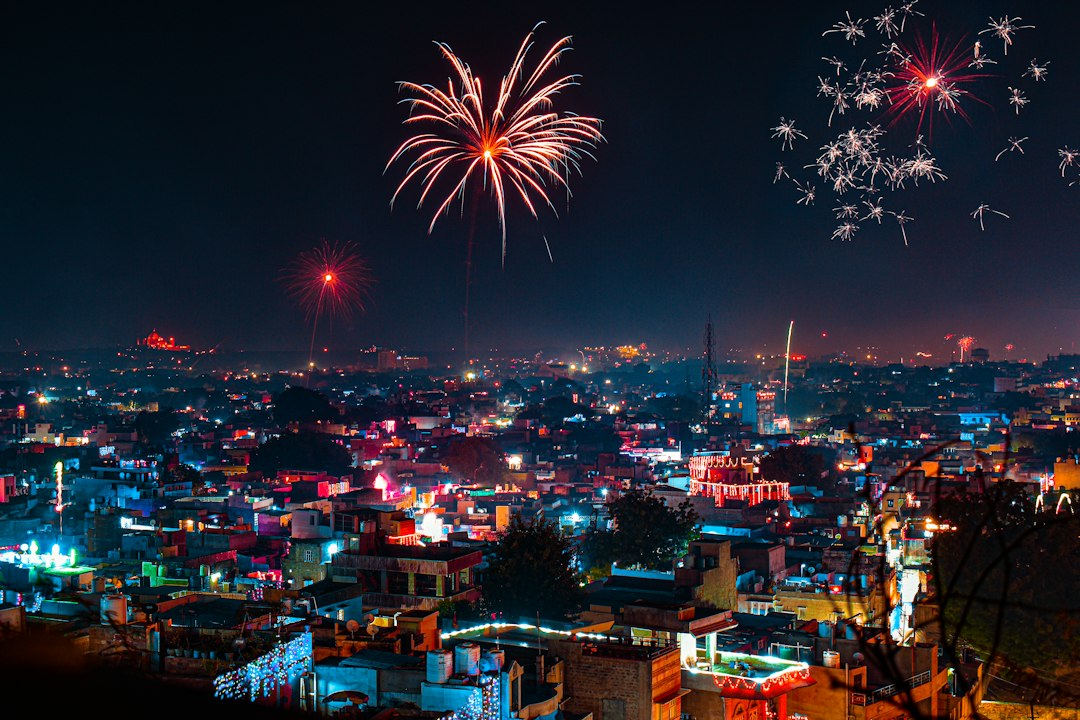
Day 1: Dhanteras
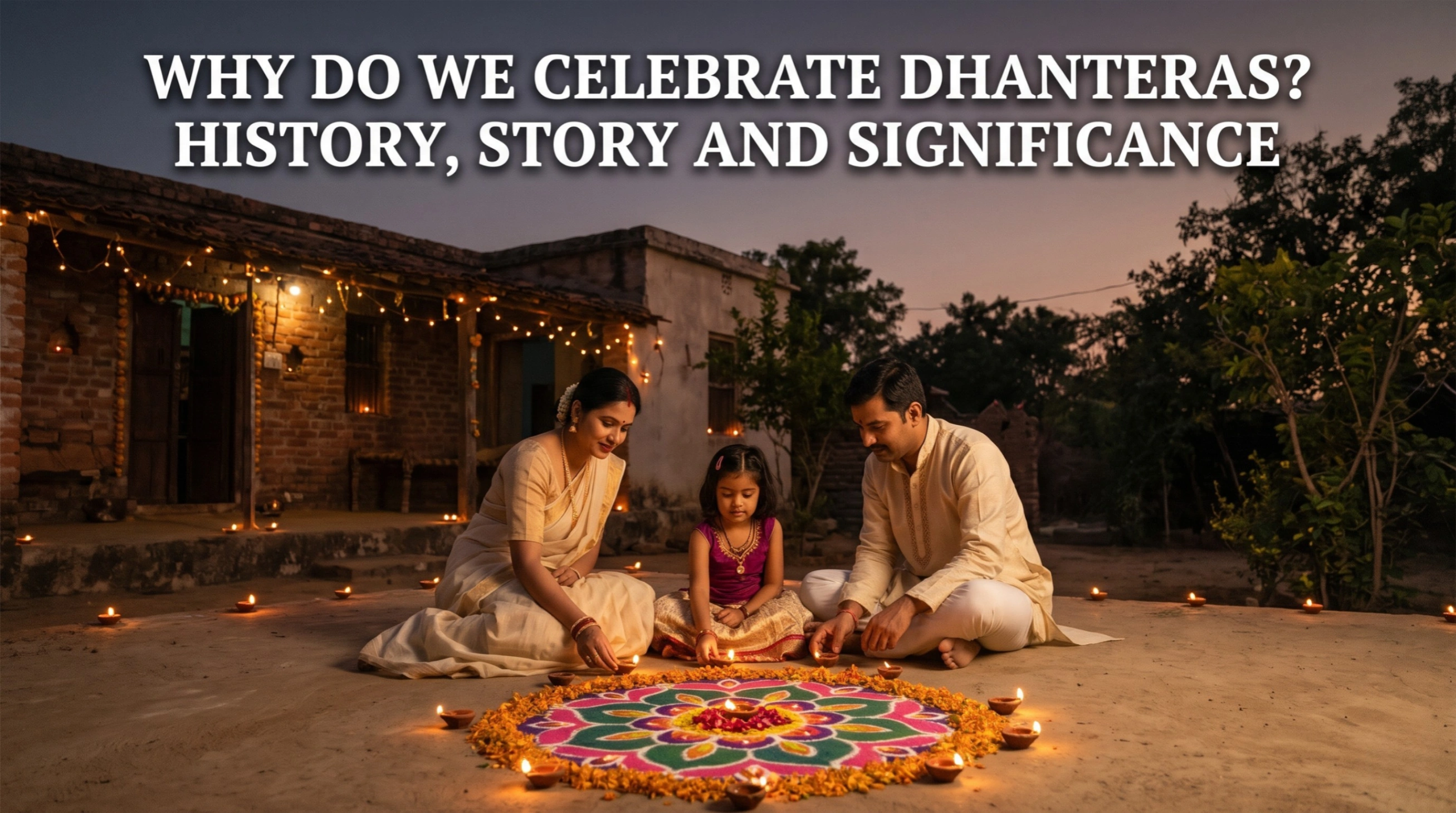
Dhanteras is associated with prosperity, health, and auspicious beginnings. Many families clean their homes and purchase items they consider auspicious, including utensils or precious metals.
Day 2: Naraka Chaturdashi or Choti Diwali
In traditions that observe it, this day commemorates the defeat of Narakasura and symbolises the destruction of negative forces. The customs associated with it vary across regions.
Day 3: Lakshmi Puja and Diwali
This is the main Diwali day for many communities. Families light diyas, decorate their homes, worship Goddess Lakshmi and Lord Ganesha, exchange sweets, and spend time together.
Day 4: Govardhan Puja or Annakut
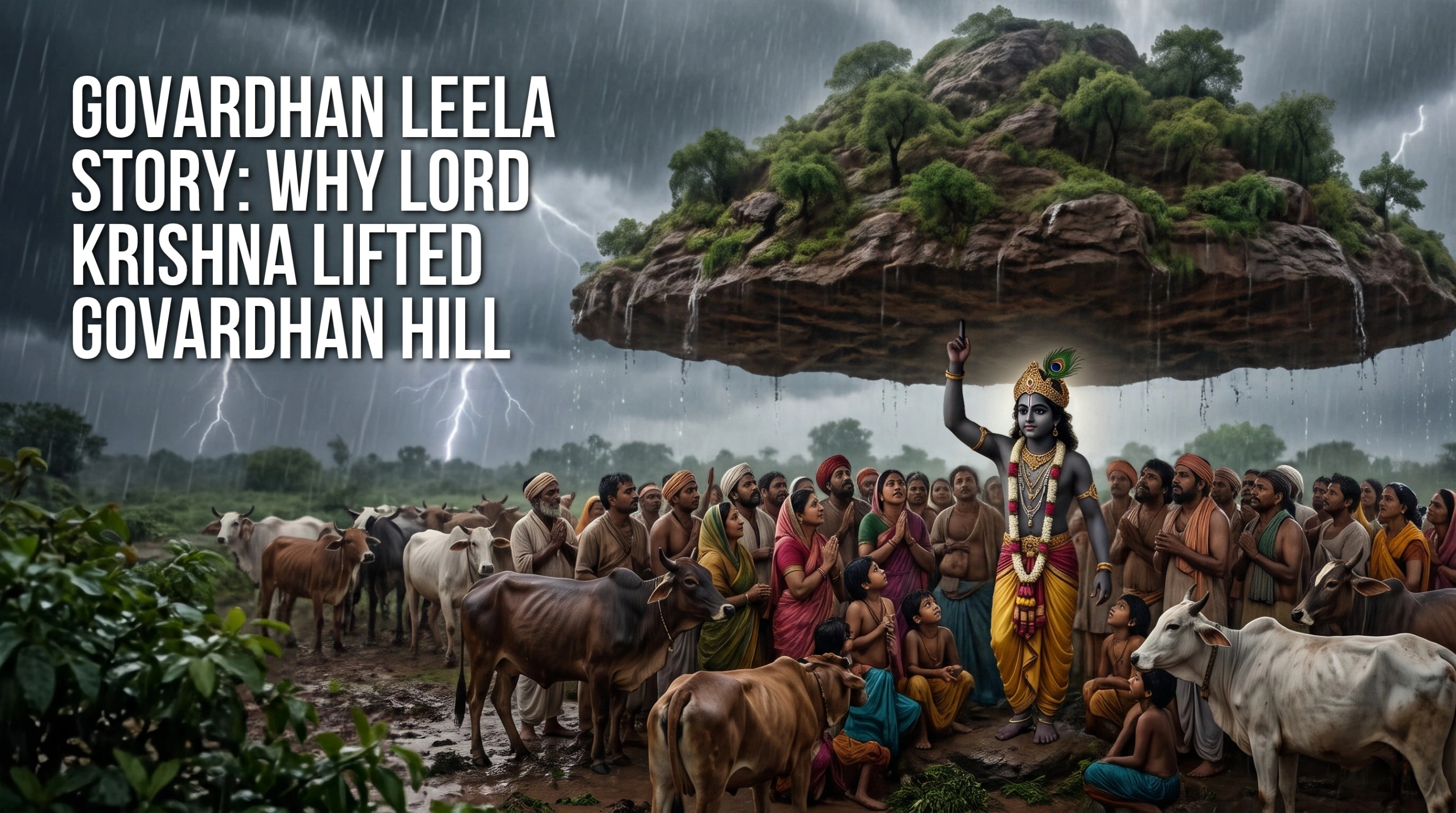
In many traditions, this day recalls Lord Krishna lifting Govardhan Hill to protect the people of Vrindavan. Annakut offerings are prepared in some temples and households as an expression of devotion and gratitude.
Day 5: Bhai Dooj
Bhai Dooj celebrates the bond between brothers and sisters. Families follow different customs to express affection, offer blessings, and strengthen their relationships.
The exact dates and observances should be checked against the relevant regional Hindu calendar each year.
How to Stay Happy Even When Life Is Difficult
How Can You Celebrate Diwali Meaningfully?
Diwali can become more than a day of decorations and celebrations when its values are reflected in everyday actions.
Light a diya mindfully. As you light it, reflect on one quality you want to cultivate, such as patience, courage, or compassion.
Practise gratitude. Take time to appreciate your family, friends, and the lessons you have learned throughout the year.
Let go of resentment. Where it is healthy and appropriate, consider resolving misunderstandings or releasing the burden of unnecessary anger.
Share with others. Offer food, contribute to a meaningful charitable cause, or support people who may need assistance.
Celebrate responsibly. Choose safer decorations, supervise flames, and consider reducing noisy or polluting fireworks out of respect for people, animals, and the environment.
Reflect on your habits. Identify one behaviour that no longer serves you and one positive habit you want to practise consistently.
These actions help bring the deeper meaning of Diwali into daily life.
Conclusion: Let the Light of Diwali Begin Within You
Why do we celebrate Diwali? We celebrate it to honour sacred traditions, remember stories of divine victory, worship the deities, strengthen family bonds, and welcome new beginnings.
Yet the festival's message reaches beyond a single day. Diwali reminds us that light can represent wisdom, that awareness can help us overcome destructive habits, and that hope can guide us through difficult periods.
Lighting a diya is a beautiful tradition. Living with greater honesty, compassion, and awareness is another way to honour what that light represents.
This Diwali, alongside decorating your home and celebrating with loved ones, take a moment to reflect on the light you wish to cultivate within yourself. Let the festival inspire not only a brighter home but also a more thoughtful, purposeful, and compassionate life.
Personal Session
If you are looking for greater clarity, inner peace, or direction in your personal journey, consider a personal session with Science Divine. Explore your challenges, reflect on your patterns, and identify practical steps toward greater self-awareness and meaningful change.
Book Now
Read Latest Articles
Overthinking Everything? Ancient Gita Wisdom for a Thinking Mind
Do Positive Affirmations Really Work? The Science Behind Self-Talk
Frequently Asked Questions
Q.Why do we celebrate Diwali?
Diwali is celebrated to honour the victory of good over evil, light over darkness, and knowledge over ignorance. In many Hindu traditions, it commemorates Lord Rama's return to Ayodhya after fourteen years of exile and his victory over Ravana. The festival also includes worship of Goddess Lakshmi and Lord Ganesha, family gatherings, prayers, and traditions that welcome prosperity and new beginnings.Q.What is the meaning of Diwali?
Diwali comes from the Sanskrit word Deepavali, meaning a row of lamps. The festival is known as the Festival of Lights because people traditionally illuminate their homes with diyas. Symbolically, this light represents hope, knowledge, goodness, and the triumph of positive values over darkness and ignorance.Q.What is the history behind Diwali?
One of the most widely known traditions connects Diwali with Lord Rama's return to Ayodhya after defeating Ravana and completing fourteen years of exile. Other communities associate the festival with different stories, including Lord Krishna's defeat of Narakasura. Jain and Sikh traditions also observe significant events during the same festive period.Q.Why do we worship Goddess Lakshmi on Diwali?
Goddess Lakshmi represents prosperity, abundance, and good fortune in Hindu tradition. During Diwali, devotees perform Lakshmi Puja to express gratitude and pray for well-being and prosperity. Many households also worship Lord Ganesha, seeking wisdom and auspicious beginnings.Q.Why do we light diyas on Diwali?
Diyas are lit to celebrate the Festival of Lights and are traditionally associated with Lord Rama's return to Ayodhya in many Hindu communities. Their spiritual symbolism also represents hope, wisdom, and the victory of light over darkness. Lighting a diya can serve as a reminder to cultivate awareness, compassion, and positivity.Q.What are the five days of Diwali?
In many Hindu traditions, the five-day Diwali period includes Dhanteras, Naraka Chaturdashi or Choti Diwali, the main Diwali day with Lakshmi Puja, Govardhan Puja or Annakut, and Bhai Dooj. Customs differ across regions, and some communities follow different calendars and observances.Q.What is the spiritual significance of Diwali?
Diwali symbolises the triumph of knowledge over ignorance and goodness over destructive tendencies. Its traditions encourage people to practise gratitude, reflect on their actions, strengthen relationships, and develop greater awareness. The festival can also inspire a renewed commitment to compassion, integrity, and inner growth.