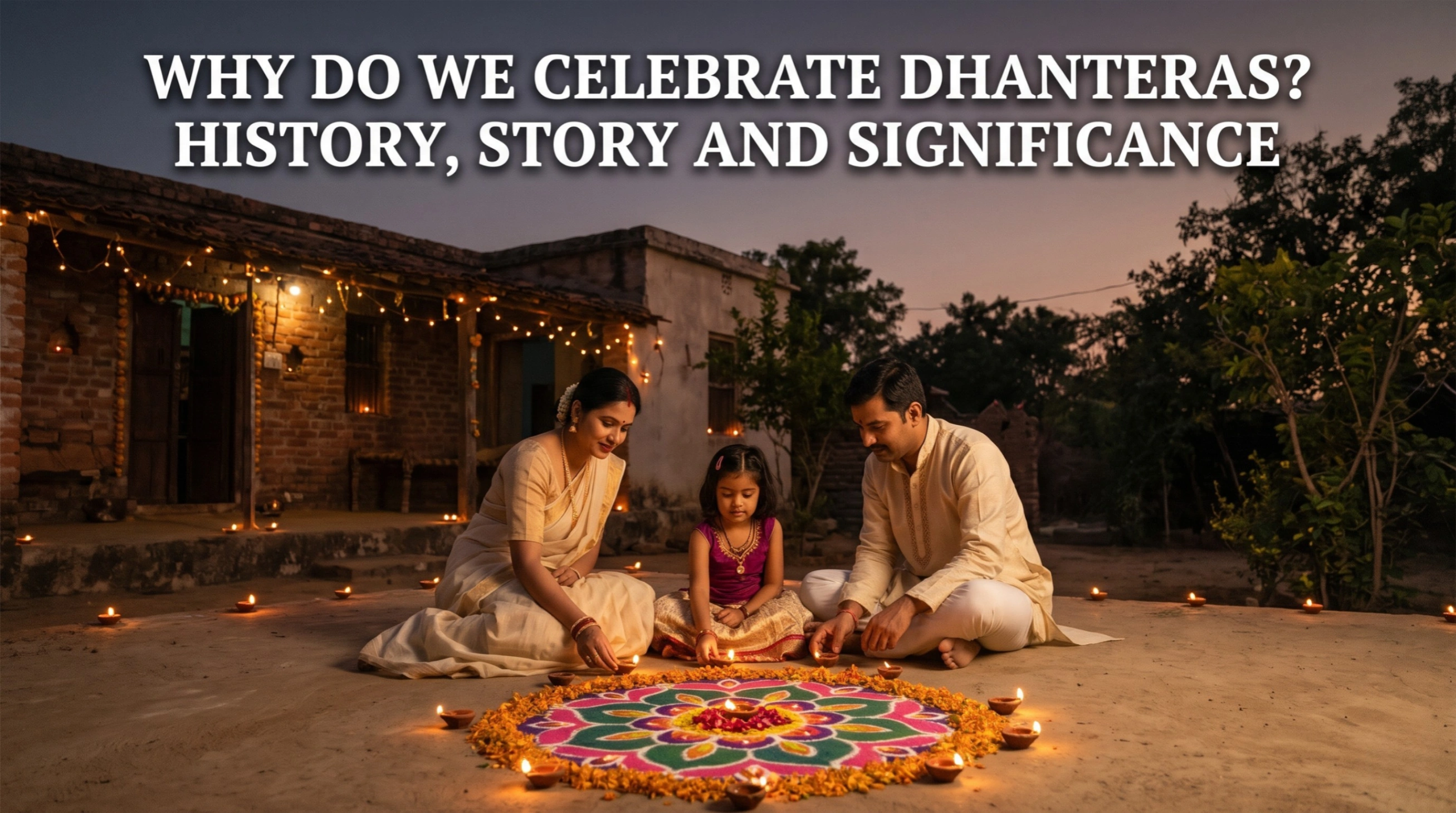
Dhanteras marks the beginning of the five-day Diwali festival and is considered an auspicious occasion to welcome prosperity, good health, happiness, and positive energy into life. Celebrated on the thirteenth lunar day, or Trayodashi, of Krishna Paksha in the Hindu month of Kartik, Dhanteras holds deep cultural, religious, and spiritual significance.
On this day, families clean and decorate their homes, light diyas, worship Goddess Lakshmi and Lord Kubera, and often purchase gold, silver, utensils, or other valuable items. Many people also worship Lord Dhanvantari, who is associated with Ayurveda and health.
But have you ever wondered why Dhanteras is celebrated? Is it only about buying gold and welcoming material wealth, or does the festival carry a deeper message about the way we live?
The spiritual significance of Dhanteras goes beyond possessions and financial prosperity. It invites us to reflect on our health, relationships, thoughts, values, and inner well-being. This understanding connects naturally with the vision of Science Divine Foundation, which encourages individuals to work towards a sound body, sound mind, and self-realisation.
Let us explore the history, traditional stories, rituals, and deeper meaning of Dhanteras, and understand how its timeless wisdom can inspire a more balanced and meaningful life.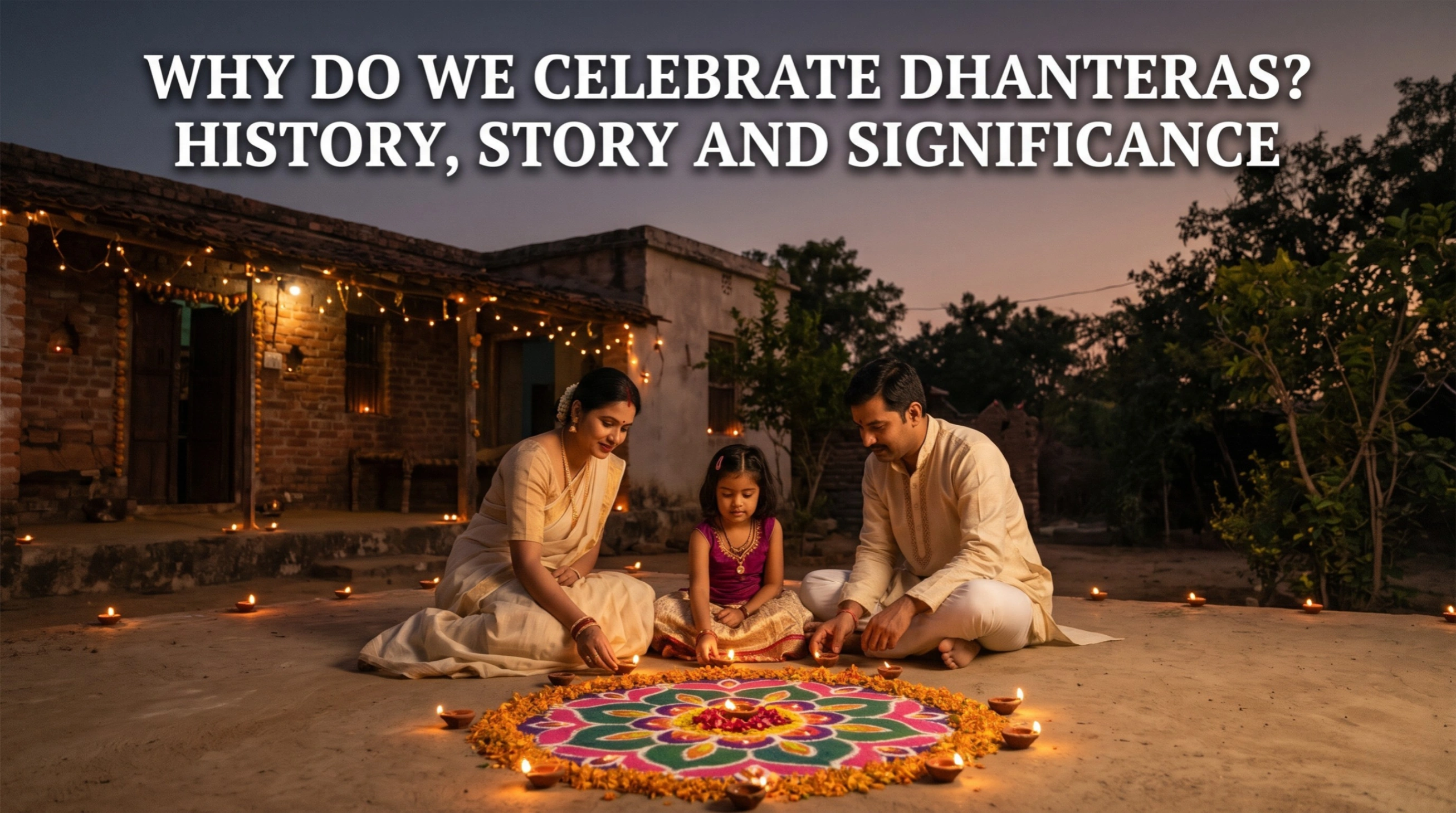
What Is Dhanteras?
Dhanteras is a major Hindu festival celebrated two days before Diwali. The word is commonly understood as a combination of Dhan, meaning wealth, and Teras, referring to the thirteenth lunar day.
The festival is associated with prosperity, good fortune, health, and new beginnings. In many Indian households, people worship Goddess Lakshmi, the goddess of wealth and prosperity, and Lord Kubera, who is traditionally regarded as the treasurer of the gods.
Lord Dhanvantari also holds a special place in Dhanteras celebrations. Revered in Hindu tradition as the divine physician and associated with Ayurveda, he represents the importance of health and healing.
For this reason, Dhanteras is not simply a day for acquiring wealth. It is also an opportunity to recognise that a fulfilling life depends on physical well-being, mental balance, responsible choices, and spiritual awareness.
Why Do We Celebrate Dhanteras?
Dhanteras is celebrated to welcome prosperity, pray for good health, honour traditional deities associated with wealth and healing, and prepare for the celebrations of Diwali.
There are several important reasons behind the festival.
1. To Welcome Wealth and Prosperity
One of the most popular traditions of Dhanteras is the worship of Goddess Lakshmi. Devotees pray for financial stability, abundance, success, and harmony within their homes.
Buying gold, silver, coins, or utensils is also considered auspicious in many communities. These purchases symbolise the hope that prosperity will grow in the household.
However, wealth can be understood more broadly than money alone. Knowledge, good health, supportive relationships, time, contentment, and the ability to make wise decisions are also valuable forms of wealth.
Dhanteras encourages us to welcome prosperity while remembering that material possessions are only one part of a fulfilling life.
Design Your Destiny
This festive season, take a step towards a more balanced and purposeful life. Explore the spiritual resources and teachings of Science Divine Foundation and discover how greater self-awareness can support your personal journey.
Start Your Journey Today!2. To Pray for Good Health
Dhanteras is traditionally associated with Lord Dhanvantari, who emerged during the Samudra Manthan, or churning of the cosmic ocean, according to Hindu mythology.
He is revered as a divine healer and is closely connected with Ayurveda, the traditional Indian system of health and well-being.
His association with Dhanteras reminds devotees that good health is among life's greatest blessings. Financial success may provide comfort, but physical health and mental peace influence how fully we can enjoy our achievements.
The festival offers a meaningful opportunity to reflect on everyday habits such as eating well, sleeping adequately, staying physically active, and caring for emotional well-being.
3. To Invite Happiness and Positive Energy
Before Dhanteras, many families clean their homes, decorate entrances with rangoli, and prepare their surroundings for the festive season.
These traditions symbolise purification, renewal, and the welcoming of auspiciousness.
The same principle can be applied to our inner lives. Just as we clean our homes, we can reflect on the thoughts, habits, and emotional patterns that create unnecessary stress.
Letting go of resentment, practising gratitude, and becoming more conscious of our actions can help create a calmer atmosphere within ourselves and our relationships.
4. To Begin Diwali with Gratitude
Dhanteras marks the beginning of Diwali festivities in many Hindu traditions. It sets the tone for the days of celebration, prayer, family gatherings, and reflection that follow.
Instead of focusing only on what we wish to acquire, the festival also encourages us to appreciate what we already have.
Gratitude shifts our attention from constant comparison towards recognising the value of our existing blessings. This can make celebrations more meaningful and help us approach the new season with a positive outlook.
The History and Story of Dhanteras
Dhanteras is associated with several traditional stories. Two of the most widely known are the appearance of Lord Dhanvantari during Samudra Manthan and the story of King Hima's son, which explains a popular tradition of lighting lamps.
Kali Chaudas vs Naraka Chaturdashi : Are They the Same ?
1. The Story of Lord Dhanvantari and Samudra Manthan
According to Hindu mythology, the devas and asuras joined forces to churn the cosmic ocean in search of Amrit, the nectar of immortality. This event is known as Samudra Manthan and is described in Hindu Puranic traditions.
During the churning, various divine beings and treasures emerged from the ocean. Lord Dhanvantari is traditionally described as appearing with a pot of Amrit. He is revered as a divine physician and associated with the knowledge of Ayurveda.
His appearance is commemorated on Dhanteras, also known in some traditions as Dhanvantari Trayodashi or Dhanwantari Jayanti.
The story highlights the importance of healing, longevity, and the preservation of life. It reminds devotees that health is a precious blessing and that caring for the body is an essential part of living well.
The deeper lesson is that prosperity becomes more meaningful when it supports health, peace, and the well-being of others.
2. The Story of King Hima's Son
Another popular legend associated with Dhanteras tells the story of the young son of King Hima.
According to the traditional tale, the prince's horoscope predicted that he would die from a snakebite on the fourth day after his marriage. When his wife learned about the prediction, she decided to protect him.
On the predicted night, she gathered gold and silver ornaments and coins at the entrance of their room. She also lit numerous lamps and kept her husband awake by telling stories and singing.
When Yama, the god of death, arrived in the form of a serpent, the bright lights and the dazzling display of precious objects are said to have obstructed his path. The prince's wife continued keeping him awake, and Yama eventually departed without taking the prince's life.
This legend is commonly associated with the custom of lighting diyas on Dhanteras, particularly in the evening. In some traditions, a lamp is lit in honour of Yama, a practice known as Yama Deepam.
The story is traditionally understood as a reminder of courage, devotion, alertness, and the power of determined action in difficult circumstances.
These stories belong to Hindu religious tradition and are interpreted in different ways across communities. Together, they contribute to the rich cultural and spiritual significance of Dhanteras.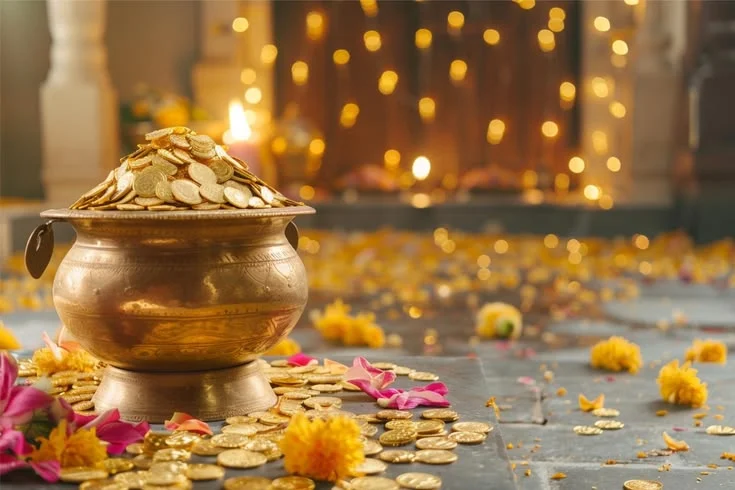
What Is the Significance of Dhanteras?
The significance of Dhanteras lies in its combination of material prosperity, health, devotion, and renewal.
Material Wealth and Inner Wealth
Gold, silver, money, and other possessions can help provide security and comfort. Yet financial abundance does not automatically bring peace of mind.
A person may have considerable wealth but still experience anxiety, dissatisfaction, or a constant fear of losing what they possess.
Dhanteras offers an opportunity to reflect on the difference between accumulating possessions and cultivating a fulfilling life.
Inner wealth can include patience, compassion, self-awareness, contentment, and the ability to respond thoughtfully to challenges. These qualities influence how we use our material resources and how we relate to other people.
Health as a Form of Prosperity
The association of Dhanteras with Lord Dhanvantari highlights the importance of health alongside wealth.
Good health is not limited to the absence of illness. It also involves developing sustainable routines, managing stress, maintaining relationships, and making choices that support long-term well-being.
The festival encourages us to treat health as something to nurture throughout the year rather than something to appreciate only when difficulties arise.
Light as a Symbol of Awareness
Diyas are an important part of Dhanteras and the wider Diwali celebrations. Their light traditionally symbolises auspiciousness and the victory of light over darkness.
On a personal level, light can also represent awareness: the ability to recognise our thoughts, understand our reactions, and see situations more clearly.
When we become aware of recurring habits such as anger, jealousy, fear, or excessive attachment, we gain an opportunity to respond differently.
This inner awareness can help us make wiser decisions and develop greater emotional balance.
Dhanteras Rituals and Traditions
Dhanteras customs vary across regions and families, but several practices are widely observed.
1. Cleaning and Decorating the Home
Families clean their homes, decorate entrances with rangoli, and prepare spaces for worship. These activities symbolise renewal and readiness to welcome prosperity.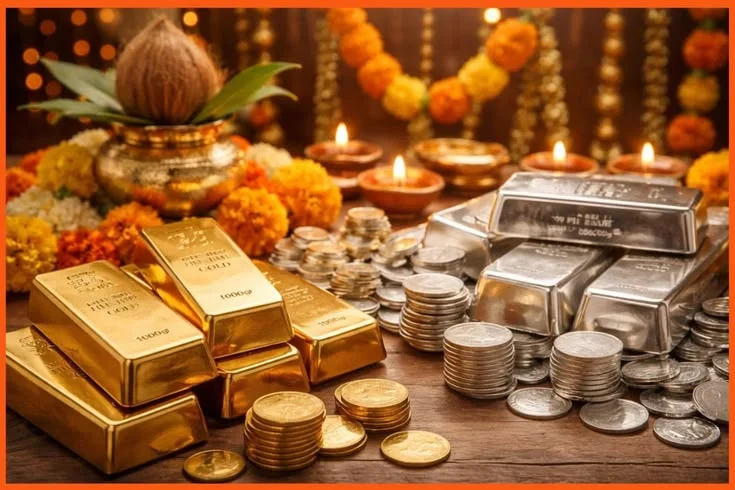
2. Worshipping Goddess Lakshmi and Lord Kubera
Many households perform Lakshmi Puja and offer prayers to Lord Kubera for prosperity, financial stability, and good fortune. The timing and details of the rituals may vary by region and family tradition.
3. Buying Gold, Silver, or Utensils
Purchasing precious metals, coins, or utensils is a popular Dhanteras custom. Such purchases are considered auspicious by many families, although they are not compulsory for celebrating the festival meaningfully.
People should make purchases according to their financial circumstances rather than feeling pressured to spend beyond their means.
4. Lighting Diyas
Lighting diyas in and around the home is a cherished tradition. In some communities, a diya is lit in honour of Yama for protection and well-being.
5. Praying for Health and Well-Being
Some devotees offer prayers to Lord Dhanvantari and reflect on the importance of health, healing, and longevity.
6. Sharing with Others
Giving to people in need, supporting charitable activities, and sharing food are meaningful ways to express the spirit of generosity associated with the festive season.
Such acts remind us that prosperity can also be measured by our willingness to contribute to the happiness and well-being of others.
How to Celebrate Dhanteras in a More Meaningful Way
Traditional rituals become more personally meaningful when their values are carried into everyday life.
Here are six practical ways to celebrate Dhanteras with greater awareness.
1. Practise gratitude. Take a few minutes to acknowledge the people, experiences, and opportunities that enrich your life. This helps shift attention away from constant comparison.
2. Make a conscious financial decision. If you plan to purchase gold, silver, or other items, consider your needs and budget. Celebrate prosperity without creating unnecessary financial pressure.
3. Prioritise your health. Use the occasion to review your sleep, eating habits, physical activity, and stress-management routine. Choose one small, realistic improvement.
4. Let go of unnecessary negativity. Reflect on a recurring reaction or habit that affects your peace of mind. Rather than judging yourself, consider how you might respond with greater awareness next time.
5. Share what you can. Offer time, help, food, or resources to someone who may benefit. Generosity can make celebrations more inclusive and purposeful.
6. Spend time in quiet reflection. Sit comfortably, observe your breathing, and notice your thoughts without immediately reacting to them. Even a few minutes of quiet attention can create space for reflection.
These practices do not replace traditional worship. Instead, they offer ways to bring the festival's broader values into daily living.
How to Stay Happy Even When Life Is Difficult
Dhanteras and the Teachings of the Bhagavad Gita
The Bhagavad Gita offers wisdom that can deepen our understanding of prosperity and fulfilment.
In Bhagavad Gita 2.47, Krishna teaches Arjuna about focusing on action without becoming excessively attached to its results. This teaching encourages sincere effort while reminding us that outcomes are not entirely within our control.
Applied to Dhanteras, the lesson is simple: we can work responsibly towards financial stability, pursue meaningful goals, and care for our families without allowing the desire for more to control our peace of mind.
Similarly, the Gita's emphasis on self-discipline, equanimity, and self-knowledge encourages us to look beyond external achievements.
We can pursue prosperity while remaining conscious of our values. We can appreciate possessions without making them the foundation of our identity. We can work towards success without neglecting health, relationships, or inner well-being.
This is one way to understand the deeper spiritual message of Dhanteras: external prosperity can support life, but awareness helps us live it wisely.
How Science Divine Foundation Connects with the Deeper Meaning of Dhanteras
Science Divine Foundation encourages individuals to explore a more balanced understanding of life through its vision of Sound Body, Sound Mind and Self-Realisation.
This vision connects meaningfully with the values associated with Dhanteras.
The festival reminds us of the importance of physical well-being through its association with Lord Dhanvantari. It celebrates prosperity while encouraging gratitude and generosity. Its lamps and prayers can also inspire reflection on the importance of awareness and inner clarity.
Science Divine Foundation encourages people to look beyond external circumstances and develop a deeper understanding of themselves. This perspective invites us to examine our thoughts, emotions, attachments, and everyday actions.
When we become more aware of our inner patterns, we can begin responding to situations more thoughtfully rather than being driven by every passing emotion or desire.
The foundation's spiritual approach encourages people to connect wisdom with everyday living. In the spirit of its message, “Gita ko sirf padhna nahi, Gita ko jeena hai,” the teachings of the Bhagavad Gita are not merely ideas to understand intellectually; they can become principles to practise in daily life.
Dhanteras can therefore become more than an annual celebration. It can be a reminder to nurture health, develop mental clarity, practise gratitude, and explore the journey towards self-realisation.
This Dhanteras, consider asking yourself: Along with the wealth I wish to acquire, what qualities do I want to cultivate within myself?
The answer may help you celebrate the festival with greater purpose.
Conclusion: Celebrate Dhanteras with Wealth, Health and Awareness
Dhanteras is celebrated to welcome prosperity, honour traditional stories associated with Lord Dhanvantari, worship deities connected with wealth, and prepare for Diwali.
Its traditions of lighting diyas, cleaning homes, offering prayers, and purchasing auspicious items reflect hopes for a brighter and more prosperous future.
Yet its meaning can extend beyond the rituals. The festival invites us to recognise the value of health, appreciate what we have, act responsibly, and nurture qualities that bring greater balance to our lives.
The wisdom associated with the Bhagavad Gita and the vision of Science Divine Foundation encourage us to combine external progress with inner development.
This Dhanteras, welcome prosperity into your home and make space for awareness within yourself. Let the festival inspire not only the wealth you accumulate, but also the peace, wisdom, and compassion you cultivate.
May this Dhanteras bring health, happiness, prosperity, and meaningful new beginnings to you and your family.
Personal Session
Every individual's journey towards inner peace and self-understanding is different. If you wish to explore your challenges, reflect on recurring patterns, or learn more about applying spiritual wisdom in everyday life, consider connecting with Science Divine Foundation.
Book Now