Kartik Purnima is one of the most sacred full moon festivals in Hinduism, celebrated with devotion, holy bathing, lamp offerings, prayers and acts of charity. Observed during the auspicious month of Kartik, this festival holds deep spiritual significance for devotees of Lord Vishnu and Lord Shiva. It is also associated with Dev Deepawali, the divine celebration of lights, particularly famous in Varanasi.
Kartik Purnima 2026 will be observed on Tuesday, 24 November 2026. Devotees mark this occasion by taking a holy bath, performing puja, offering diyas through Deep Daan and donating food, clothes or other essentials to those in need.
But beyond rituals and religious traditions, Kartik Purnima offers a valuable reminder: true spirituality is not limited to external practices. It also involves purifying our thoughts, developing compassion and bringing peace into our everyday lives.
In this guide, discover the date and timings of Kartik Purnima 2026, the significance of holy bathing, Deep Daan rituals, puja vidhi, traditional practices and the spiritual lessons that make this festival meaningful.
Kartik Purnima 2026: Date and Tithi Timings
Kartik Purnima falls on the full moon day of the Hindu lunar month of Kartik. In 2026, it will be celebrated on Tuesday, 24 November.
According to the New Delhi Panchang, the Purnima Tithi begins at approximately 11:42 PM on 23 November and ends at approximately 8:23 PM on 24 November 2026. Timings can vary slightly depending on the location, so devotees should consult their local Panchang before planning specific rituals.
Important details:
Festival: Kartik Purnima 2026
Date: Tuesday, 24 November 2026
Purnima Tithi begins: 11:42 PM, 23 November
Purnima Tithi ends: 8:23 PM, 24 November
Major observances: Holy bath, Deep Daan, puja, prayer and charity
Associated celebration: Dev Deepawali
These timings are based on the New Delhi Panchang. Always verify local timings for your city.
Design Your Destiny
Your life can change when you begin to understand your mind, choices and inner potential. Explore the Design Your Destiny programme by Science Divine Foundation and take a step towards greater self-awareness, clarity and purposeful living.
Start Your Journey TodayWhat Is Kartik Purnima and Why Is It Celebrated?
Kartik Purnima is celebrated on the full moon day of Kartik, a month considered especially sacred in many Hindu traditions. The festival brings together devotion, gratitude, charity and spiritual reflection.
It is associated with several important religious traditions. For devotees of Lord Shiva, the day is connected with Tripurari Purnima, commemorating the destruction of the three cities of the demon Tripurasura. According to Hindu tradition, Lord Shiva defeated Tripurasura and restored peace, and the gods celebrated the victory with lights.
For devotees of Lord Vishnu, Kartik Purnima is an auspicious occasion for worship, prayer and charitable acts. Many households also perform Satyanarayan Puja and offer prayers for harmony and well-being.
The festival is also linked to Dev Deepawali, particularly in Varanasi, where the ghats along the Ganga are illuminated with thousands of lamps.
The central message of Kartik Purnima is the victory of light over darkness, knowledge over ignorance and goodness over negativity.
The Spiritual Significance of Kartik Purnima
Kartik Purnima is more than a religious observance. It encourages devotees to examine their actions, intentions and relationship with the world around them.
1. Purification of the Mind and Soul
The tradition of taking a holy bath symbolises purification. While bathing in a sacred river is an important practice for many devotees, the deeper spiritual idea is to release negativity, resentment and harmful habits.
Just as water cleanses the body, self-reflection can help us recognise thoughts and behaviours that disturb our inner peace.
2. The Victory of Good Over Evil
The association of Kartik Purnima with Lord Shiva's victory over Tripurasura represents the triumph of righteousness over destructive forces.
On a personal level, this symbolism can inspire us to overcome anger, greed, jealousy and ego. These inner struggles often affect our relationships and decisions more than we realise.
3. The Importance of Charity
Donating food, clothes and other essentials is a traditional part of Kartik Purnima. Charity encourages generosity and reminds us that spirituality should be reflected in how we treat other people.
Giving with sincerity, without expecting praise or reward, helps cultivate humility and compassion.
4. The Search for Inner Light
Lighting a diya is a central feature of Kartik Purnima celebrations. The flame represents hope, wisdom and the removal of darkness.
The same symbolism can be applied to everyday life: developing awareness, responding thoughtfully rather than impulsively and choosing kindness even during difficult circumstances.
Kartik Purnima Holy Bath: Significance of Kartik Snan
One of the most important traditions associated with Kartik Purnima is Kartik Snan, the sacred bath performed on the full moon day.
Many devotees bathe in the Ganga or other sacred rivers, often before sunrise. The practice is particularly significant for those who observe the traditional bathing rituals throughout the month of Kartik.
Why Is Holy Bathing Important on Kartik Purnima?
According to Hindu religious beliefs, bathing in sacred rivers on Kartik Purnima is spiritually auspicious. Devotees believe that the ritual helps purify the mind and body and supports their spiritual journey.
The practice also encourages discipline. Waking early, maintaining a prayerful routine and dedicating time to reflection can help people approach the day with greater calmness and intention.
How to Perform Kartik Purnima Snan at Home
Not everyone can travel to a sacred river, and that does not prevent them from observing the day meaningfully.
Follow these simple steps:
Wake up early and take a bath, preferably during the early morning hours.
Clean the bathing area and prepare for the day with a calm and prayerful mindset.
If it is part of your family tradition, add a few drops of Ganga water to your bathing water.
Offer a prayer to your chosen deity and express gratitude for the opportunity to begin afresh.
Spend a few moments reflecting on the habits, emotions or thoughts you wish to improve.
These practices are optional devotional customs, and families may follow different traditions.
The most important element is to approach the observance with sincerity rather than treating it as a compulsory checklist.
Deep Daan on Kartik Purnima 2026: Meaning and Rituals
Deep Daan means offering or donating lamps as an act of devotion. It is one of the most recognisable traditions of Kartik Purnima and is especially associated with the celebration of Dev Deepawali.
Devotees light earthen diyas in temples, homes and other appropriate places. In Varanasi, the illumination of the riverfront ghats creates a spectacular expression of collective devotion.
What Is the Significance of Deep Daan?
The diya represents light, awareness, hope and spiritual understanding. Offering a lamp can be seen as a prayer for wisdom and the strength to overcome ignorance.
Deep Daan also provides an opportunity to practise gratitude. The simple act of lighting a lamp invites us to pause, reflect and remember the values we want to bring into our lives.
Finding Balance Between Science and Spirituality A Guide to Conscious Living
How to Perform Deep Daan at Home
You can follow these simple steps:
Clean the place where you intend to perform the ritual.
Arrange an earthen diya, cotton wick and suitable oil or ghee.
Place the diya safely in a designated prayer area.
Offer a prayer to Lord Vishnu, Lord Shiva or your chosen deity.
Light the diya while reflecting on peace, wisdom and the well-being of others.
If possible, accompany the ritual with a charitable act or a sincere prayer for someone in need.
Some devotees offer lamps near rivers or temple water bodies. If you choose to do so, follow local rules, avoid littering and never release non-biodegradable materials into the water.
Deep Daan does not need to be elaborate to be meaningful. A single lamp offered with devotion can become a moment of quiet reflection.
Kartik Purnima Puja Vidhi at Home
Performing Kartik Purnima Puja at home allows families to celebrate the festival in a peaceful and accessible way. Rituals vary according to region, family tradition and the deity being worshipped.
Here is a simple puja procedure.
Step 1: Clean Your Home and Puja Area
Begin by cleaning your home and arranging the prayer space. Place an image or idol of Lord Vishnu, Lord Shiva or your chosen deity in the designated area.
Step 2: Take a Bath and Wear Clean Clothes
After completing your morning bath, wear clean clothes and prepare for worship. Take a moment to settle your mind before beginning the puja.
Step 3: Prepare the Puja Samagri
Commonly used puja items include:
Flowers and fresh leaves, as appropriate for the deity
A diya and cotton wicks
Oil or ghee
Incense, if desired
Water in a clean vessel
Fruits and other suitable offerings
Kumkum, sandalwood paste or other customary items
Prasad
The precise requirements depend on your family tradition. Elaborate arrangements are not essential for a simple home puja.
Step 4: Offer Prayers
Begin with a prayer according to your family custom. Offer flowers, water and other appropriate items to your chosen deity.
Devotees may recite Vishnu mantras, Shiva mantras or prayers associated with the full moon.
Step 5: Perform Aarti
Light the diya and perform aarti if it is part of your tradition. You may sing devotional hymns or sit quietly for a few minutes.
Step 6: Offer Prasad and Practise Charity
Distribute prasad among family members. Consider sharing food or essential supplies with people who need assistance.
Step 7: End With Gratitude
Conclude the puja by expressing gratitude for your family, health, opportunities and the support you receive from others.
Remember that devotion is not measured by the number of ritual items used. A sincere prayer and a compassionate action can be meaningful expressions of faith.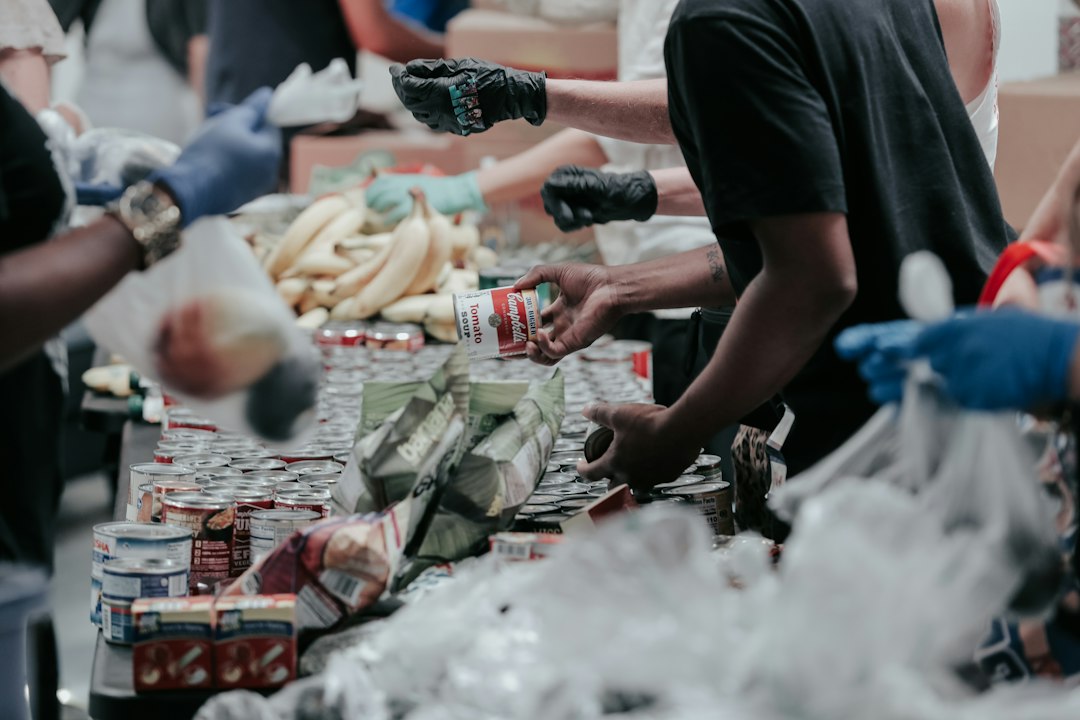
What Should You Donate on Kartik Purnima?
Charity, known as daan, is an important part of Kartik Purnima observances. Many devotees choose to give according to their means and local religious customs.
Common charitable offerings include:
Food and grains: Share meals or essential food supplies with people facing hardship.
Clothing and blankets: Donate clean, usable clothing or seasonal essentials.
Educational supplies: Support children's learning by contributing books, stationery or school materials.
Essential household items: Give useful items to individuals or families who need them.
Financial assistance: Contribute to a credible charitable organisation working in education, community welfare or other social causes.
The purpose of charity is not to display wealth or seek recognition. It is to recognise the dignity of others and contribute meaningfully to their well-being.
Kartik Purnima can therefore be an opportunity to turn religious devotion into practical service.
Kartik Purnima and Dev Deepawali: What Is the Connection?
Dev Deepawali, often called the Diwali of the Gods, is celebrated on Kartik Purnima in Varanasi and other places.
According to popular Hindu tradition, the gods celebrate Lord Shiva's victory over Tripurasura by illuminating the sacred city. Today, the festival is particularly famous for the many lamps that adorn the ghats of the Ganga.
Kartik Purnima and Dev Deepawali are closely connected, but the terms emphasise different aspects of the occasion. Kartik Purnima refers to the sacred full moon observance, while Dev Deepawali highlights the celebration of divine light.
The festivities may include temple worship, devotional music, prayers, lamp offerings and community gatherings.
The sight of countless lamps shining together offers a powerful metaphor: individual acts of goodness can collectively create a more compassionate world.
What Should You Do and Avoid on Kartik Purnima?
Devotees may follow different customs, but these general suggestions can help make the day meaningful.
Things to Do
Begin the day with prayer and a peaceful morning routine.
Take a bath and perform puja according to your tradition.
Light a diya safely during Deep Daan.
Offer food, clothing or other essentials to those in need.
Practise kindness, patience and gratitude.
Spend some time reflecting on your actions and intentions.
Things to Avoid
Avoid wasteful spending merely to make rituals appear elaborate.
Do not litter rivers, ponds or other public spaces while performing rituals.
Avoid unsafe lamp offerings near flammable materials or crowded areas.
Do not judge other people for following different traditions.
Avoid treating religious observances as a substitute for kindness in everyday life.
Fasting is observed by some devotees, but it is not compulsory for everyone. Follow your family's customs and personal needs, and do not undertake a fast if it is unsuitable for your circumstances.
Chhath Puja Fasting Rules: Food, Rituals & Tips
The Deeper Message of Kartik Purnima: From Rituals to Inner Transformation
Kartik Purnima invites us to think beyond the visible aspects of religious observance.
Taking a holy bath, lighting a diya and performing puja can create meaningful moments of devotion. Yet their deeper value also lies in the qualities they inspire: self-awareness, compassion, patience and a willingness to change.
We often look for peace through external circumstances. We may believe that life will become calmer when our problems disappear, our relationships improve or our goals are achieved. However, lasting peace also depends on how we understand and respond to our experiences.
The Bhagavad Gita offers enduring insights into self-awareness, disciplined action and the management of the mind. Its teachings encourage individuals to act responsibly without becoming excessively attached to outcomes and to develop a more balanced perspective towards life's challenges.
This approach complements the symbolism of Kartik Purnima. Just as a lamp illuminates a dark room, awareness can help us recognise the thoughts and reactions that create unnecessary suffering.
For example, when someone speaks rudely to us, we may react immediately with anger. When plans fail, we may become overwhelmed by disappointment. When we compare ourselves with others, we may lose sight of our own progress.
Inner growth begins when we learn to pause, observe our emotions and respond with greater clarity.
At Science Divine Foundation, the vision of “Sound Body, Sound Mind and Self-Realisation” reflects the importance of nurturing well-being alongside inner development. The Living the Gita Movement also encourages people to move beyond merely reading spiritual teachings and begin applying their wisdom in everyday life.
Kartik Purnima can be a meaningful occasion to start this process. Alongside your prayers and rituals, consider asking yourself:
Which habits are preventing me from experiencing peace?
How can I become more patient with myself and others?
Am I responding to life's challenges consciously or simply reacting?
What can I do to make someone else's life better?
How can I bring greater awareness into my daily decisions?
These questions transform a festival into an opportunity for personal reflection.
The real significance of spiritual practice is not limited to what we do on one auspicious day. It also lies in how we live when the celebrations end.
Kartik Purnima 2026, observed on Tuesday, 24 November, is an auspicious occasion for holy bathing, Deep Daan, puja, prayer and charity. The festival celebrates the victory of good over evil and reminds devotees of the importance of light, wisdom and compassion.
Whether you observe the day by bathing in a sacred river, lighting a diya at home, performing Satyanarayan Puja or helping someone in need, approach the occasion with sincerity and gratitude.
Most importantly, let the light of Kartik Purnima inspire more than a single day's celebration. Let it encourage you to release negativity, understand your mind and cultivate peace in your relationships and everyday actions.
This Kartik Purnima, do not just light a diya outside. Take a step towards illuminating your inner world.
Personal Session
Every individual faces unique questions, emotional challenges and life circumstances. A personal session can offer an opportunity to reflect on your concerns and explore a more conscious approach to life. Connect with Science Divine Foundation to learn more about available personal sessions.
Book NowRead Latest Articles
Why Do We Celebrate Dhanteras? History, Story & Significance
Why Do We Celebrate Diwali ? Meaning , History and Significance
Frequently Asked Questions
When is Kartik Purnima in 2026?
Kartik Purnima 2026 will be celebrated on Tuesday, 24 November 2026. According to the New Delhi Panchang, the Purnima Tithi begins at approximately 11:42 PM on 23 November and ends at approximately 8:23 PM on 24 November. Devotees observe holy bathing, puja, Deep Daan and charity according to their family traditions and local timings.What is Deep Daan on Kartik Purnima?
Deep Daan is the devotional practice of offering lamps on Kartik Purnima. Devotees light earthen diyas at homes, temples and permitted locations as symbols of wisdom, hope and spiritual light. It is also an important feature of Dev Deepawali celebrations.What is the significance of Kartik Purnima?
Kartik Purnima is considered an auspicious Hindu festival associated with Lord Vishnu, Lord Shiva, sacred bathing, lamp offerings and charity. It commemorates spiritual themes such as the victory of good over evil, the removal of ignorance and the importance of devotion and generosity.How do you perform Kartik Purnima Puja at home?
Clean your prayer area, take a bath, arrange customary puja items and offer prayers to Lord Vishnu, Lord Shiva or your chosen deity. Light a diya, offer flowers and prasad, perform aarti if customary and conclude with gratitude. You can also share food or essentials with people in need.Why is a holy bath taken on Kartik Purnima?
The holy bath, known as Kartik Snan, is a traditional religious practice believed by devotees to bring spiritual merit and purification. Many people bathe in sacred rivers before sunrise. Those unable to visit a river may take a bath at home and offer prayers according to their traditions.What should we donate on Kartik Purnima?
Devotees commonly donate food, grains, clothing, blankets and other useful essentials according to their means and customs. Educational supplies and contributions to credible charitable organisations are also practical ways to help others. Charity is most meaningful when offered sincerely and with respect for the recipient's dignity.