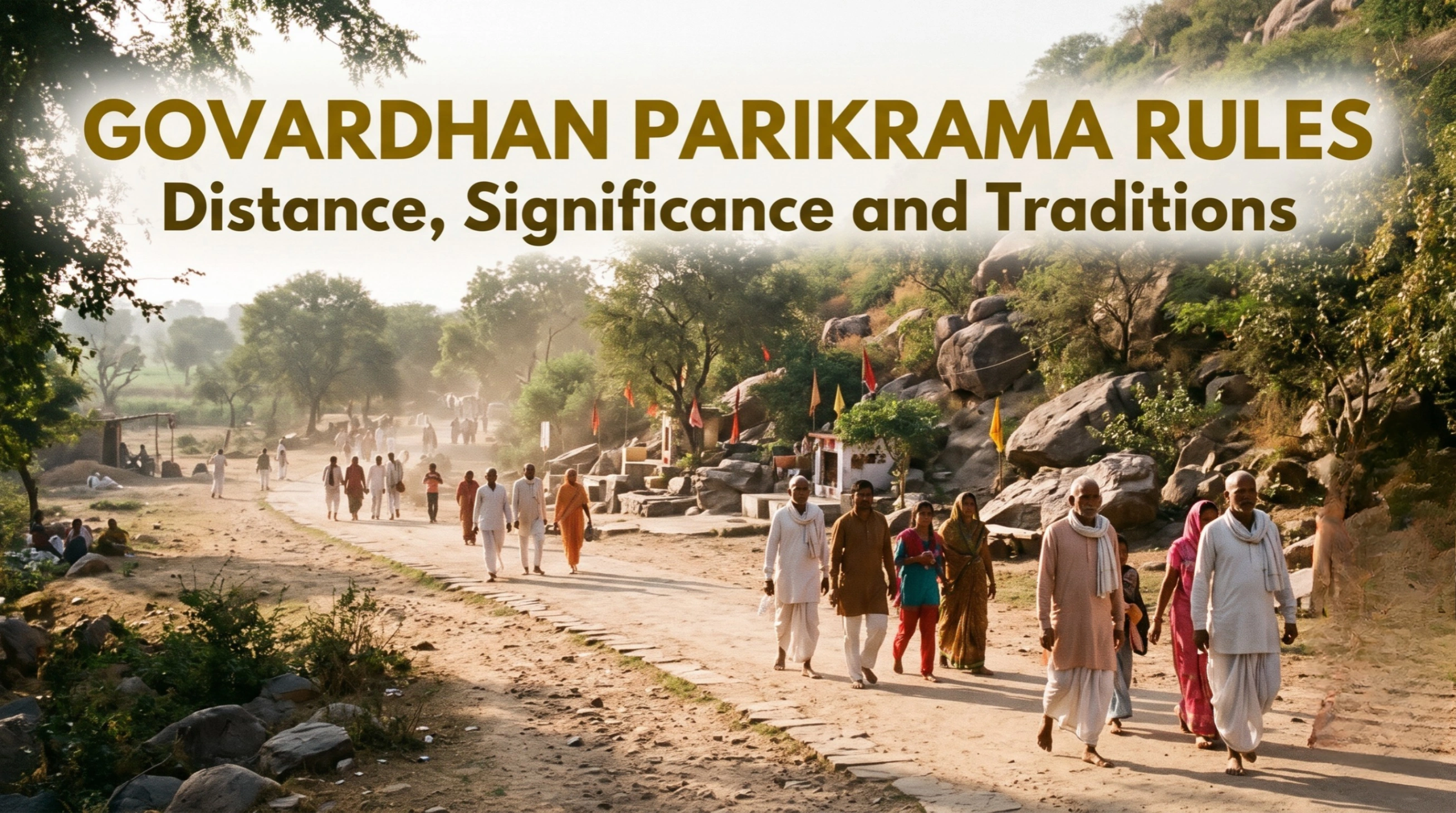
Govardhan Parikrama is a sacred pilgrimage followed by devotees of Lord Krishna, especially in the holy region of Braj, Uttar Pradesh. Walking around Govardhan Hill is considered an expression of devotion, gratitude, humility, and surrender. For many pilgrims, the journey is not merely a religious ritual but also an opportunity to slow down, reflect on life, and deepen their spiritual connection.
Understanding the Govardhan Parikrama distance, rules, significance, and traditions can help devotees prepare for this sacred journey with respect and awareness. The teachings associated with Govardhan Leela also offer valuable lessons about ego, nature, faith, and the importance of living with a balanced mind.
These lessons connect meaningfully with the philosophy of Science Divine Foundation, which encourages people to cultivate a sound body, a sound mind, and self-realisation through spiritual understanding and conscious living.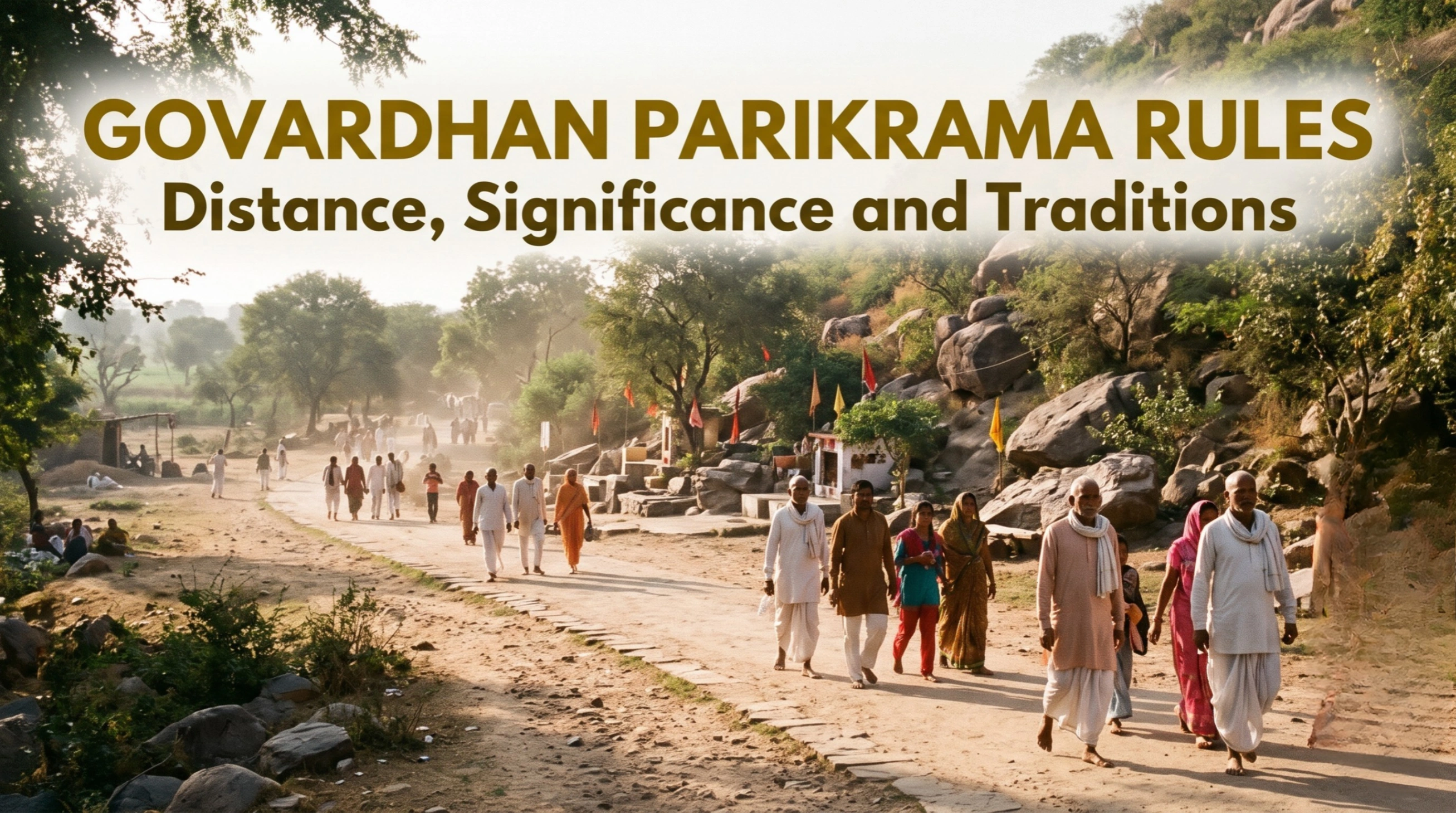
What Is Govardhan Parikrama?
Govardhan Parikrama is the traditional practice of circumambulating Govardhan Hill near Mathura and Vrindavan in Uttar Pradesh. The word parikrama means moving around a sacred place with reverence. In Hindu traditions, circumambulation is a way of expressing devotion and recognising the spiritual importance of a deity, temple, or holy site.
Govardhan Hill is closely associated with Lord Krishna and the story of Govardhan Leela. According to the Bhagavata Purana and the broader Krishna tradition, Krishna lifted Govardhan Hill to protect the people and cattle of Vrindavan from torrential rain sent by Indra.
Devotees undertake the parikrama to honour this divine episode, remember Krishna's teachings, and express gratitude for the natural world that sustains life.
The pilgrimage is undertaken throughout the year, although Govardhan Puja, Kartik month, Purnima days, and other auspicious occasions often attract larger crowds.
Govardhan Parikrama Distance
The commonly followed Govardhan Parikrama route is approximately 21 kilometres, although the actual distance may vary depending on the starting point, route, detours, and individual itinerary.
Pilgrims generally walk around Govardhan Hill, visiting important sacred places along the way. Some devotees complete the journey in a single stretch, while others take breaks or divide it into manageable sections.
Design Your Destiny
Bring spiritual wisdom into your everyday decisions. The teachings associated with Govardhan Leela remind us that meaningful change begins with self-awareness, humility, and conscious action. Explore the learning opportunities offered by Science Divine Foundation and take a step towards a more balanced, purposeful life.
Start Your Journey Today!How Long Does Govardhan Parikrama Take?
The time required depends on walking speed, crowd conditions, weather, rest stops, and the number of temples or sacred sites visited.
Brisk walking: Some pilgrims may finish in approximately 4–5 hours.
Comfortable walking: Many may need around 6–8 hours or longer.
Walking with frequent stops: Families, older devotees, and those visiting temples along the route may take most of the day.
These are estimates rather than fixed timings. During festivals or crowded periods, the journey can take considerably longer.
Where Does Govardhan Parikrama Start?
Many pilgrims begin their journey near the town of Govardhan, often around the vicinity of Daan Ghati or other established pilgrimage points. The exact starting place depends on personal preference, local arrangements, and the route chosen.
Before beginning, confirm local access, traffic restrictions, and any temporary arrangements with reliable local sources. The route may be affected by festivals, road conditions, or crowd management measures.
Govardhan Parikrama Rules Every Devotee Should Know
Following customary practices with respect can make the pilgrimage more meaningful. Traditions may differ between families, religious teachers, and local communities, so it is useful to distinguish widely followed customs from personal vows.
1. Walk With Respect and Devotion
The central purpose of parikrama is devotion and remembrance. Many pilgrims walk while chanting the names of Lord Krishna, reciting prayers, or maintaining a quiet, contemplative attitude.
There is no need to compare your pace or devotion with that of other pilgrims. Approach the journey sincerely and avoid disturbing people who are praying.
2. Follow the Traditional Route
Devotees generally circumambulate Govardhan Hill along the established pilgrimage route. Follow local signs and guidance, particularly near temples, narrow pathways, busy roads, and crowded areas.
Do not enter restricted areas or take shortcuts through private property. If you are unfamiliar with the route, seek directions from a trustworthy local guide or an authorised information point.
3. Decide Whether to Walk Barefoot
Some devotees traditionally complete Govardhan Parikrama barefoot as an expression of faith and humility. However, this is a personal or tradition-specific practice rather than a universal requirement for every pilgrim.
The route may contain rough ground, hot surfaces, litter, or other hazards. Anyone with foot problems, reduced sensation, mobility difficulties, or other health concerns should prioritise safety and seek appropriate medical advice before attempting a long walk.
Wearing comfortable footwear is a sensible option when needed.
4. Maintain Cleanliness
Keep the sacred surroundings clean. Use designated bins, avoid littering, and do not leave plastic bottles, food packaging, or other waste along the route.
Respect trees, animals, water bodies, temples, and local residents. Protecting the environment is a practical way to honour the natural world associated with Govardhan.
How Krishna's Govardhan Leela Teaches Us to Overcome Ego
5. Dress Comfortably and Respectfully
Choose clothing suitable for a religious pilgrimage and the prevailing weather. Comfortable, breathable fabrics are particularly helpful during warmer months.
Carry a light layer when the weather requires it, and keep essential belongings secure. Dress respectfully when entering temples or participating in local religious observances.
6. Stay Hydrated and Take Breaks
A walk of approximately 21 kilometres can be physically demanding. Carry drinking water, take breaks when needed, and avoid pushing yourself beyond your ability.
Older adults, children, pregnant people, and those with medical conditions may need additional planning. If you experience dizziness, chest discomfort, severe weakness, unusual breathlessness, or other concerning symptoms, stop and seek appropriate help.
Devotion should not require ignoring your body's needs.
7. Follow Local Temple Etiquette
Remove footwear where required, observe photography restrictions, and follow the instructions of temple staff. Ask before photographing people or religious ceremonies.
Offerings, donations, and participation in specific rituals are generally matters of personal choice. Ask about customary practices and charges in advance rather than feeling pressured into an unfamiliar arrangement.
8. Understand the Tradition of Avoiding Certain Actions
Some pilgrims follow additional disciplines, such as observing silence, fasting, avoiding particular foods, or limiting unnecessary conversation. These practices vary and are not all obligatory for every visitor.
If you choose to observe a fast or another discipline, consider your health and physical requirements. Do not undertake an extreme practice simply because someone else follows it.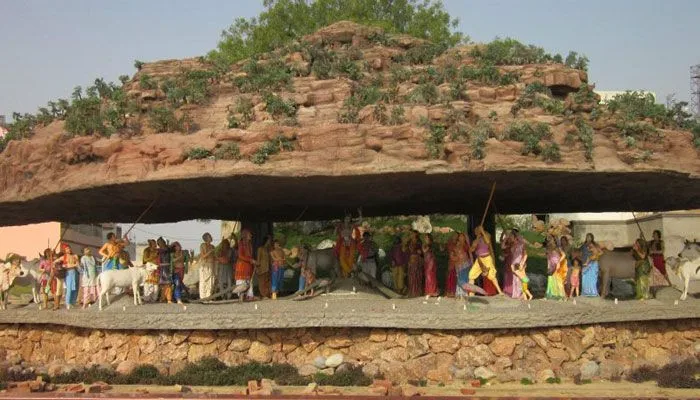
Govardhan Parikrama Significance: Why Is It Important?
Govardhan Parikrama holds religious, cultural, and personal significance. For devotees, it represents a living connection with Lord Krishna and the spiritual heritage of Braj.
1. Remembering Lord Krishna's Govardhan Leela
The story of Govardhan Leela is central to the significance of the pilgrimage. According to the traditional account, Krishna protected the people of Vrindavan by lifting Govardhan Hill during a devastating storm.
The episode is remembered as a lesson in divine protection, courage, faith, and the limitations of pride.
For devotees, completing the parikrama is a way of remembering this story and reflecting on its meaning in everyday life.
2. Learning Humility and Overcoming Ego
Govardhan Leela is often interpreted as a reminder that pride and a sense of superiority can cloud judgement. Indra's anger in the traditional narrative illustrates the dangers of arrogance, while Krishna's actions emphasise protection and wisdom.
This lesson remains relevant in modern life. Ego can affect relationships, work, family decisions, and our ability to accept mistakes.
The pilgrimage offers an opportunity to ask meaningful questions: Am I acting from understanding or pride? Can I listen without becoming defensive? Can I acknowledge the contributions of others?
Such reflection transforms a religious journey into an opportunity for personal growth.
3. Expressing Gratitude for Nature
Govardhan Hill is closely connected with the land, water, vegetation, and cattle that sustain the people of Braj. The traditions surrounding Govardhan Puja often emphasise gratitude for nature and the resources that support life.
This perspective encourages responsible living. Conserving water, reducing waste, respecting animals, and protecting natural spaces are practical expressions of gratitude.
Spirituality becomes more meaningful when reverence for nature is reflected in everyday behaviour.
4. Practising Patience and Discipline
Walking a long route requires preparation, patience, and consistency. Pilgrims may encounter crowds, fatigue, changing weather, and unexpected delays.
Rather than treating these difficulties as a competition, devotees can use them to practise patience and awareness.
The lesson extends beyond the pilgrimage: meaningful goals often require steady effort rather than instant results.
5. Strengthening Faith and Inner Reflection
For many people, the repetitive rhythm of walking, prayer, and chanting creates space for reflection. It can provide a break from daily distractions and encourage a renewed focus on personal values.
The spiritual experience differs from person to person. Some may feel devotion through prayer, while others may find meaning in silence, gratitude, or service.
The value lies in approaching the journey sincerely rather than expecting one particular emotional experience.
Important Traditions Associated With Govardhan Parikrama
Several traditions contribute to the cultural and spiritual identity of Govardhan.
Govardhan Puja
Govardhan Puja is associated with the day after Diwali in many parts of India, although regional calendars and observances can vary. Devotees worship Govardhan Hill symbolically and remember Krishna's protection of the people of Braj.
Food offerings, prayers, community gatherings, and devotional activities are common features of the festival.
Annakut
Annakut means a mountain or heap of food. In many Krishna temples, devotees prepare and offer a variety of food items as an expression of gratitude and devotion.
The tradition highlights the importance of food, community, and the natural resources that make nourishment possible. Specific offerings and arrangements differ between temples and communities.
Dandavat Parikrama
Some highly devoted pilgrims undertake dandavat parikrama, a physically demanding practice in which they repeatedly prostrate themselves along the route. This is a specialised devotional discipline and should not be confused with the usual walking parikrama.
It can take considerably longer and may place substantial physical demands on the body. Anyone considering such a practice should understand the commitment involved and prioritise health and safety.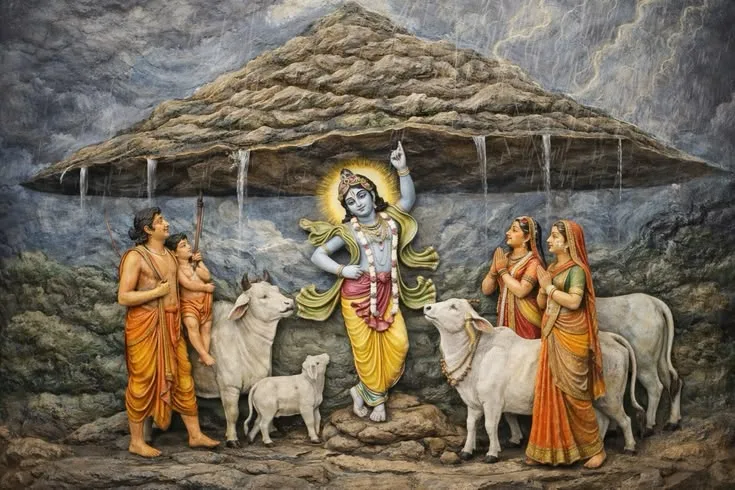
Kartik Month Pilgrimage
The month of Kartik holds special significance for many Krishna devotees. During this period, the Govardhan region may receive increased numbers of pilgrims, and devotional activities can be especially prominent.
Visitors should plan for crowds, accommodation availability, transport, and longer journey times during major observances.
Best Time to Perform Govardhan Parikrama
The most suitable time depends on your physical comfort, devotional preferences, and tolerance for crowds.
Early morning is often preferred because temperatures may be lower and the route can feel more manageable. Starting early also gives pilgrims more flexibility to take breaks and visit sacred sites.
The cooler months are generally more comfortable for extended outdoor walking than the peak summer period. However, festival dates can bring significant crowds, so a spiritually important date may not necessarily be the easiest time for a relaxed journey.
Before travelling, check the local weather forecast, transport options, temple schedules, and any official advisories. Carry sufficient water, sun protection, and any essential medication.
How to Prepare for Govardhan Parikrama
A little preparation can help you undertake the pilgrimage more comfortably.
Plan your route: Identify your starting point, approximate distance, rest areas, and transport arrangements.
Wear suitable clothing: Choose comfortable attire and footwear appropriate to your needs.
Carry essentials: Bring drinking water, a charged phone, identification, necessary medicines, and some cash.
Eat appropriately: Have a suitable meal or snack before a long walk. Avoid fasting if it could put your health at risk.
Respect your limits: Take breaks and adjust your pace according to your fitness level.
Keep the route clean: Carry your waste until you find an appropriate disposal point.
Prepare mentally: Set an intention for the journey, such as gratitude, patience, or self-reflection.
If you have limited mobility or cannot complete the full route, consider a shorter visit or an alternative form of devotion. A person's spiritual sincerity cannot be measured solely by the distance they walk.
Connecting Govardhan Parikrama With Science Divine Foundation
The deeper significance of Govardhan Parikrama goes beyond the physical act of walking. It invites reflection on how faith, awareness, humility, and gratitude can influence the way we live.
These themes align with the vision of Science Divine Foundation: “Sound Body, Sound Mind and Self-Realisation.”
The Foundation encourages individuals to explore spiritual understanding as a part of everyday life. In the context of Govardhan Parikrama, this philosophy can be applied in three practical ways.
Sound Body: Respect the Body During the Journey
A long pilgrimage reminds us that the body needs preparation, nourishment, hydration, and rest. Taking care of physical well-being is not separate from spiritual practice; it helps us participate more responsibly and consciously.
Sound Mind: Observe Thoughts and Emotions
Govardhan Leela offers an opportunity to reflect on pride, fear, gratitude, and faith. Instead of reacting automatically to difficult situations, we can learn to pause and observe our thoughts before acting.
This is especially relevant in everyday situations involving conflict, disappointment, or uncertainty.
Why Letting Go Is the First Step Towards Healing
Self-Realisation: Look Beyond the Ego
The story of Krishna and Govardhan encourages reflection on the limits of individual pride and the importance of humility. Self-realisation begins with a willingness to understand our own thoughts, habits, and motivations.
Science Divine Foundation's emphasis on conscious living and inner growth invites people to carry this reflection beyond a pilgrimage and into their relationships, responsibilities, and daily decisions.
The Foundation's guiding message is that spirituality should not remain limited to rituals or occasional visits to sacred places. It can become a way of living—with awareness, compassion, discipline, and a deeper understanding of oneself.
Explore the Foundation's spiritual learning initiatives to discover ways of bringing these values into daily life.
Conclusion
Govardhan Parikrama is a sacred tradition that combines devotion, cultural heritage, and personal reflection. The commonly followed route is approximately 21 kilometres, and the journey can take several hours depending on walking pace, crowd conditions, and stops along the way.
Understanding the customary rules, preparing for the physical demands, respecting local traditions, and keeping the surroundings clean can help make the experience safer and more meaningful.
Above all, Govardhan Leela reminds devotees to practise humility, express gratitude for nature, and recognise the dangers of excessive pride. These lessons resonate with the Science Divine Foundation vision of a sound body, a sound mind, and self-realisation.
Whether you undertake the full parikrama or honour the tradition in another way, the deeper purpose is to bring devotion into action and allow spiritual understanding to shape everyday life.
Personal Session
If you wish to understand your thoughts, emotional patterns, and personal challenges more deeply, consider exploring a personal session with Science Divine Foundation. Learn how spiritual reflection and conscious living may support your path towards greater clarity and inner growth.
Book Now
Read Latest Articles
Why Do We Celebrate Dhanteras? History, Story & Significance
Why Do We Celebrate Diwali ? Meaning , History and Significance
Frequently Asked Questions
Q.What is the total distance of Govardhan Parikrama?
The commonly followed Govardhan Parikrama route is approximately 21 kilometres. The exact distance may vary depending on the starting point, route, and detours. Pilgrims should plan for several hours of walking and allow extra time for prayers, temple visits, breaks, and crowds, particularly during major festivals.Q.How many hours does Govardhan Parikrama take?
Govardhan Parikrama may take around 4–5 hours for some brisk walkers and approximately 6–8 hours or longer at a comfortable pace. The duration depends on fitness, weather, crowd conditions, rest breaks, and temple visits. Festival periods can increase the time needed, so starting early and planning breaks is helpful.Q.Is walking barefoot compulsory for Govardhan Parikrama?
No universal rule requires every pilgrim to walk barefoot. Some devotees follow this tradition as an expression of devotion, while others wear footwear for comfort and safety. Consider the route conditions and your physical needs. People with foot problems or other health concerns should seek appropriate advice before attempting a long barefoot walk.Q.What are the main rules of Govardhan Parikrama?
Common practices include following the established route, maintaining cleanliness, respecting temples and local customs, and walking with devotion. Some pilgrims also observe fasting, silence, or other personal disciplines. These practices vary, so ask about local traditions and prioritise physical safety rather than assuming every custom is compulsory.Q.Why is Govardhan Parikrama considered spiritually important?
Govardhan Parikrama honours Lord Krishna's Govardhan Leela, in which Krishna is traditionally said to have lifted Govardhan Hill to protect the people of Vrindavan. The pilgrimage represents devotion, gratitude, humility, and faith. Many devotees also use the journey as an opportunity to reflect on nature, discipline, and their relationship with the divine.Q.What is the best time to perform Govardhan Parikrama?
Early morning is often preferred because temperatures may be more comfortable for walking. Cooler months can also make the journey easier than peak summer. Govardhan Puja and Kartik month are significant pilgrimage periods but may be crowded. Check local weather, festival arrangements, transport, and route conditions before travelling.Q.Can elderly people or children perform Govardhan Parikrama?
Some elderly people and children undertake the pilgrimage, but the approximately 21-kilometre route can be physically demanding. Consider individual fitness, weather, access to rest stops, and medical needs. Families can plan a shorter visit or take additional breaks. There is no need to force someone to complete the full route if it is unsuitable.