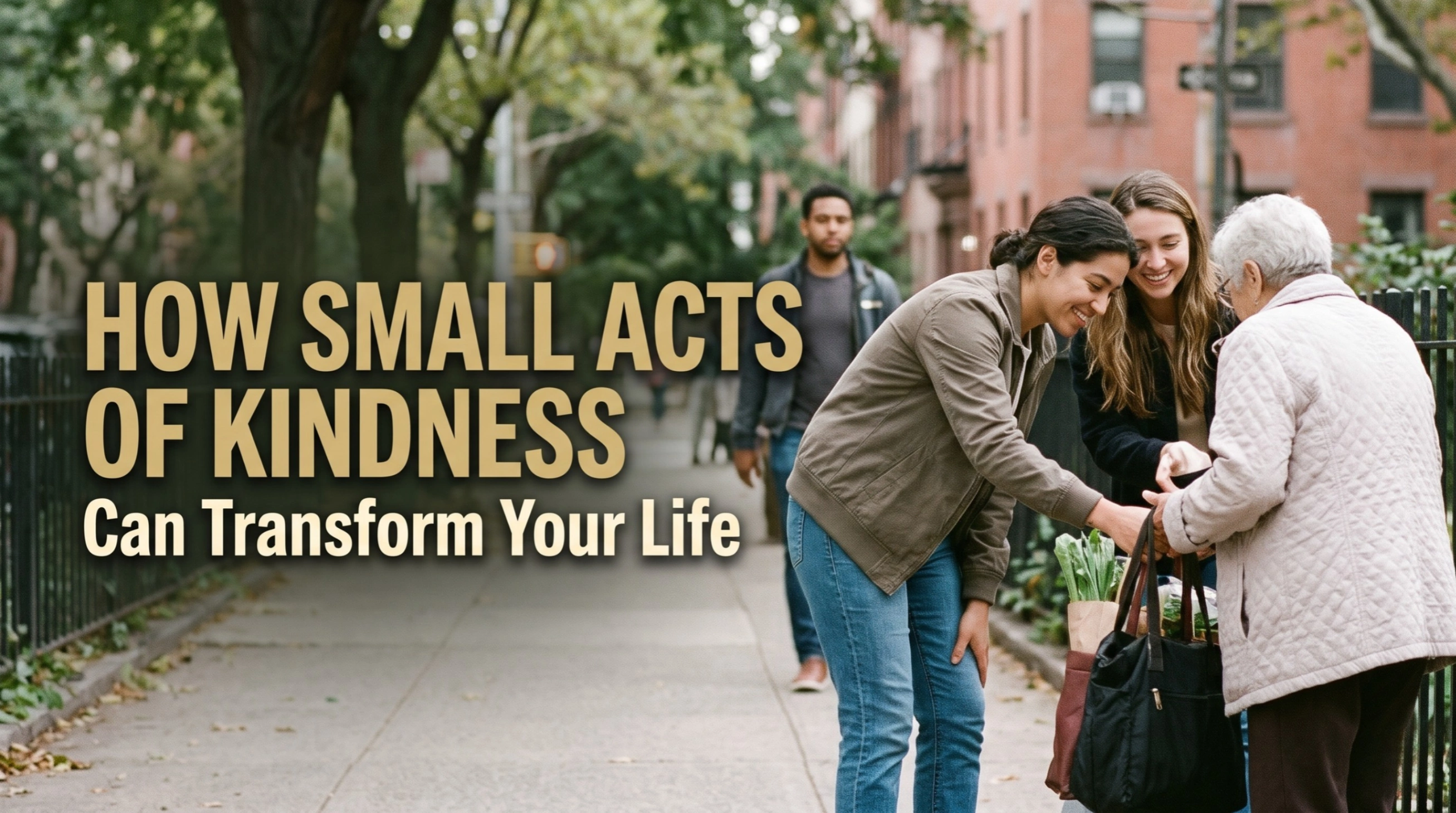
Have you ever noticed how a simple smile, a thoughtful message, or a few encouraging words can change someone's entire day? Sometimes, the smallest gestures leave the deepest impressions. Holding a door open, listening patiently, helping a stranger, or appreciating a loved one may seem ordinary, but these actions can create meaningful changes in our lives and the lives of others.
Small acts of kindness are more than polite gestures. They can strengthen relationships, encourage empathy, create a sense of connection, and help us become more aware of the people around us. When practised consistently, kindness can become a way of living rather than something we do only on special occasions.
But how can small acts of kindness transform your life? Why do they matter in a world that often feels rushed, competitive, and stressful? And how can kindness connect with spiritual growth and self-realisation?
These questions align with the philosophy of Science Divine Foundation, whose vision is “Sound Body, Sound Mind and Self-Realisation.” By understanding kindness as both an everyday habit and an expression of inner awareness, we can discover how small actions can contribute to a more compassionate and meaningful life.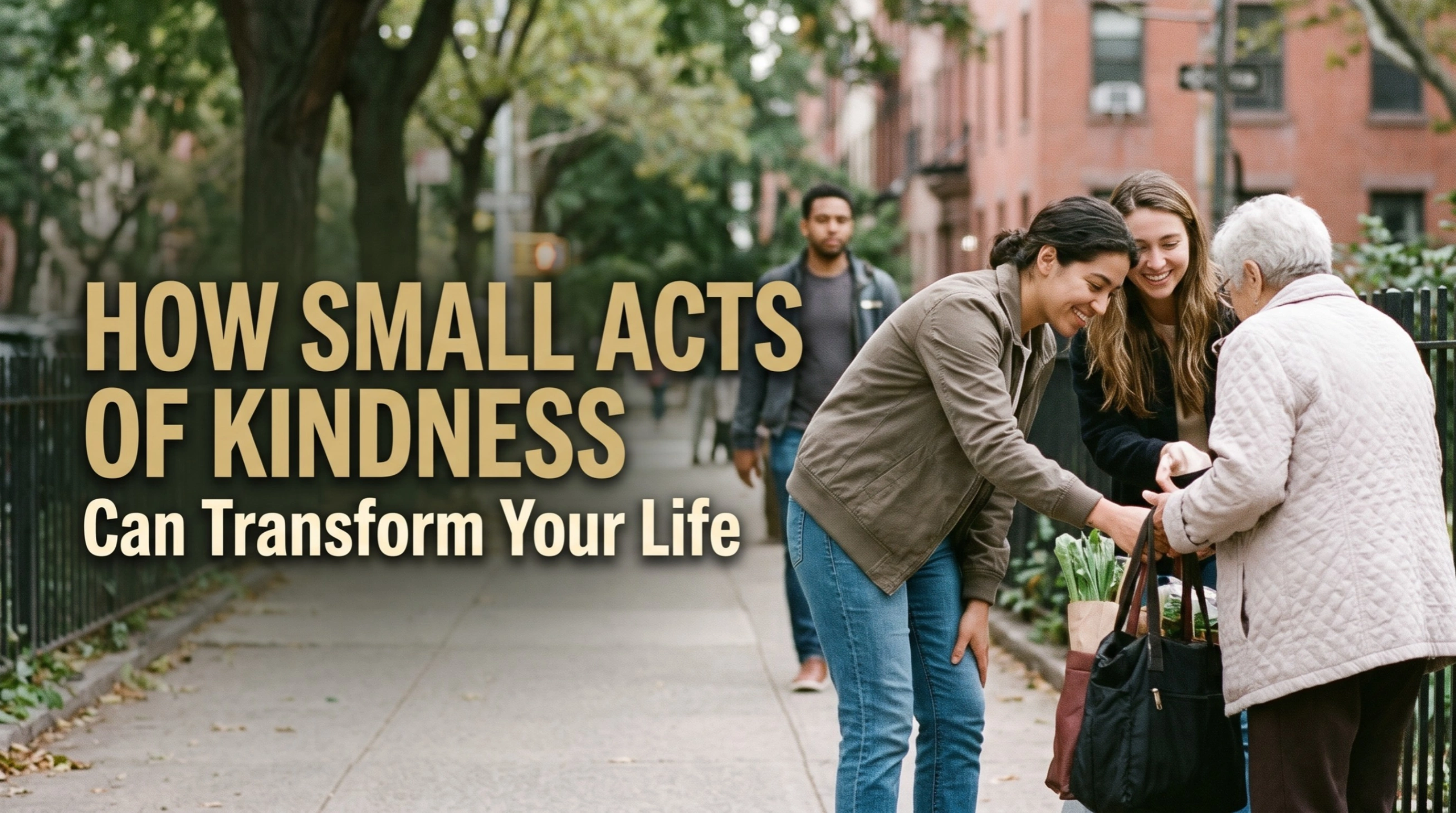
What Are Small Acts of Kindness?
Small acts of kindness are thoughtful actions that show care, consideration, or respect for another person without expecting something in return. They do not need to involve money, grand gestures, or a significant amount of time.
Examples include:
Smiling at someone who seems to be having a difficult day.
Listening without interrupting when someone needs to talk.
Thanking a colleague for their contribution.
Helping an elderly person with a practical task.
Checking on a friend who has been unusually quiet.
Sharing useful information with someone who needs it.
Offering sincere encouragement to a person who doubts themselves.
Apologising when you have hurt someone.
Giving someone your full attention instead of looking at your phone.
Respecting another person's feelings, time, and boundaries.
Kindness can also mean choosing not to respond harshly when you are frustrated. It may involve giving someone the benefit of the doubt, correcting a mistake respectfully, or allowing another person to express a different opinion.
The real value of kindness lies not in how impressive an action looks, but in the care and awareness behind it.
How Small Acts of Kindness Can Transform Your Life
Kindness can influence how we interact with others and how we understand ourselves. Although one gesture cannot solve every problem, repeated acts of consideration can help create healthier habits and stronger social connections.
1. Kindness Helps Build Meaningful Relationships
Healthy relationships grow through trust, respect, and consistent care. While major milestones are important, everyday gestures often determine how valued people feel.
Remembering a friend's important day, appreciating your partner's efforts, or asking a colleague how they are doing can communicate that their presence matters to you.
Small acts of kindness also make communication more constructive. When people feel respected, they may find it easier to share concerns, acknowledge mistakes, and work through disagreements.
Over time, these gestures can create a culture of consideration within families, friendships, and workplaces.
Try this: Choose one person in your life and express specific appreciation for something they do. Instead of saying only “thank you,” explain what you value about their effort.
Design Your Destiny
Kindness begins with awareness: understanding your thoughts, recognising your reactions, and choosing actions that reflect your values. Explore Design Your Destiny through Science Divine Foundation and take a step towards personal growth, inner awareness, and purposeful living.
Start Your Journey Today!2. Kindness Can Support Emotional Well-Being
Helping someone or expressing genuine appreciation may create a sense of purpose, connection, and personal satisfaction. Positive social interactions can be valuable for emotional well-being, particularly when they reduce feelings of isolation.
For example, checking on a neighbour, volunteering, or helping a friend with a difficult task can remind you that your actions have meaning.
However, kindness is not a cure for depression, anxiety, or other mental health conditions. Nor does every kind action automatically make someone feel happier. Its effects depend on the person, situation, and circumstances.
The important point is that caring actions can become one part of a balanced life that includes rest, healthy relationships, self-care, and appropriate support when needed.
Try this: Once a day, do something considerate without expecting praise or recognition. At the end of the day, reflect on how the experience affected you and the other person.
3. Kindness Encourages Empathy
Empathy is the ability to understand or consider another person's feelings and perspective. It does not require agreeing with everything someone says. It means making an effort to understand their experience before judging it.
Suppose a colleague responds irritably during a meeting. Instead of immediately assuming they are disrespectful, you might consider whether they are dealing with pressure or a difficult situation.
This does not mean accepting abusive behaviour or ignoring your own needs. It means responding thoughtfully rather than making an immediate assumption.
Practising empathy can improve the way we handle disagreements, communicate expectations, and build relationships with people whose experiences differ from ours.
Try this: During your next conversation, listen fully before preparing your response. Ask one genuine question to understand the other person's perspective.
4. Kindness Can Make Difficult Situations Easier to Navigate
Life includes misunderstandings, delays, criticism, and disappointment. In such situations, kindness can help prevent unnecessary conflict.
Imagine receiving an impatient message from someone. You can respond with equal irritation, or you can pause, identify the actual issue, and answer clearly without attacking the person.
A kind response does not have to be passive. You can firmly explain a boundary, disagree with a decision, or hold someone accountable while remaining respectful.
This distinction is important: kindness is not weakness, and it does not require tolerating disrespect.
By learning to respond with clarity instead of hostility, you may protect your peace and make problem-solving more effective.
Try this: When you feel angry, take a moment before replying. Ask yourself, “What response will address the problem without creating unnecessary harm?”
5. Kindness Strengthens Communities
Small acts of kindness can influence the environment in which people live and work. Helping a neighbour, supporting a local cause, sharing resources, or welcoming someone who feels excluded can contribute to a stronger sense of community.
When people experience consideration, they may be more willing to extend it to others. This is sometimes described as a ripple effect: one person's action can inspire additional helpful behaviour.
The effect is not automatic, and kindness cannot replace fair systems or meaningful social support. Nevertheless, individual actions can contribute to a culture where cooperation and mutual respect are more common.
Try this: Identify one practical need in your neighbourhood, school, or workplace. Offer help in a way that respects the people involved and avoids assuming what they need.
6. Kindness Can Change the Way You See Yourself
The habits we practise can influence the kind of person we believe ourselves to be. When we consistently choose patience, generosity, and respect, we create opportunities to act in alignment with our values.
This does not mean you must be kind every moment to be a good person. Everyone makes mistakes, becomes frustrated, or responds poorly sometimes.
Personal growth involves noticing those moments, taking responsibility, apologising when appropriate, and choosing a better response next time.
Kindness becomes meaningful when it is connected with genuine intention rather than a need to appear perfect.
Try this: At the end of the day, reflect on one moment when you acted with consideration and one moment you could handle differently. Use both as opportunities to learn.
How Krishna's Govardhan Leela Teaches Us to Overcome Ego
The Science Behind Kindness and Human Connection
Kindness is often discussed in spiritual and moral terms, but it also has relevance to psychology and social behaviour.
Positive social interactions can support feelings of belonging and trust. Helping behaviour may create a sense of purpose, while receiving support can reduce the feeling that we have to face every difficulty alone.
Kindness can also strengthen social connections by making people more likely to communicate, cooperate, and offer support when needed.
However, the scientific picture is nuanced. Research does not establish that every kind act produces a predictable chemical response or guarantees improved health. The effects vary between individuals and situations.
What is clear in everyday experience is that considerate behaviour can create opportunities for connection. A sincere thank-you can improve a conversation, a thoughtful question can help someone feel heard, and practical support can make a difficult task more manageable.
Kindness is most useful when it is genuine, respectful, and responsive to what another person actually needs.
Simple Ways to Practise Kindness Every Day
You do not need to change your entire routine to become more considerate. Begin with small, sustainable actions.
1. Start Your Day With a Kind Intention
Before beginning work or checking your phone, take a moment to set an intention: “Today, I will try to respond with patience and consideration.”
An intention is not a guarantee that every interaction will go well. It simply gives you a principle to return to when the day becomes stressful.
2. Practise Active Listening
When someone speaks, put aside distractions and give them your attention. Avoid interrupting, dismissing their feelings, or immediately turning the conversation towards yourself.
Sometimes people need practical advice; at other times, they simply need to be heard. If you are unsure, ask what kind of support would help.
3. Express Appreciation Specifically
Instead of offering only general praise, explain what you appreciate.
For example, say, “Thank you for taking the time to explain that. It helped me understand the problem,” or “I appreciate how patiently you handled that difficult situation.”
Specific appreciation shows that you have noticed the other person's effort.
4. Help Without Making Someone Feel Small
Offer support in a way that preserves the other person's dignity. Avoid turning assistance into a public performance or using it to make someone feel indebted.
A simple question such as “Would it help if I took care of this part?” gives the other person room to accept or decline.
5. Be Kind Online
Digital communication can make it easy to forget that real people are behind the messages and posts we see.
Before commenting, sharing, or responding, consider whether your words are accurate, necessary, and respectful. Disagree with ideas without humiliating individuals, and avoid spreading unverified claims about others.
Online kindness also includes respecting privacy and not sharing personal information without permission.
6. Include Yourself in Your Definition of Kindness
Kindness should not be reserved exclusively for other people. It also involves treating yourself with patience when you make mistakes.
Self-kindness may mean taking a break, asking for help, setting a healthy boundary, or speaking to yourself without unnecessary cruelty.
It does not mean avoiding responsibility. You can acknowledge a mistake and work to correct it without defining your entire identity by that mistake.
7. Make Kindness Consistent, Not Exhausting
You do not need to say yes to every request. Giving beyond your capacity can lead to exhaustion, resentment, and unhealthy relationships.
Healthy kindness includes boundaries. You can care about someone while recognising that you cannot solve every problem for them.
Offer what you can sincerely give, communicate your limits honestly, and allow other people to take responsibility for their own choices.
Why Kindness Must Be Practised Without Expectations
One challenge is expecting kindness to be returned immediately. We may help someone and feel disappointed when they do not acknowledge it. We may offer support and expect the relationship to become closer.
These feelings are understandable, but they can turn kindness into a transaction.
Practising kindness without demanding a particular reward can help us act more consistently with our values. It allows us to focus on whether our action was appropriate rather than measuring its worth entirely by someone else's reaction.
This does not mean ignoring exploitation or repeatedly helping people who harm us. If a relationship becomes one-sided or abusive, boundaries are necessary.
The goal is to give freely where appropriate, recognise our limits, and understand that another person's response is not always within our control.
Kindness With Science Divine Foundation
The deeper meaning of kindness connects naturally with the vision of Science Divine Foundation: “Sound Body, Sound Mind and Self-Realisation.”
The Foundation encourages individuals to explore spirituality and conscious living as part of everyday life. From this perspective, kindness is not merely an outward gesture; it can also be an expression of the awareness and understanding we develop within ourselves.
Sound Body: Make Care Practical
Kindness can involve practical help: preparing a meal for someone who is unwell, accompanying a person who needs assistance, or helping a family member manage a difficult task.
Such actions remind us that care is expressed through behaviour, not just words. They also encourage us to respect physical needs, including our own.
Sound Mind: Pause Before You React
A peaceful mind does not mean never feeling anger, jealousy, or frustration. It means becoming more aware of these emotions and learning to respond thoughtfully.
When someone disagrees with us, we can notice our immediate reaction before deciding what to say. This pause creates an opportunity to choose understanding over unnecessary hostility.
In everyday life, this can mean listening carefully, correcting mistakes respectfully, and refusing to use anger as an excuse to hurt someone.
Self-Realisation: Look Beyond Self-Centred Reactions
Self-realisation involves becoming more aware of our thoughts, motivations, and habitual responses. When we examine why we seek approval, become defensive, or expect recognition, we can better understand the patterns influencing our behaviour.
Kindness offers a practical opportunity to observe ourselves. Can we help without needing praise? Can we listen without making every conversation about our own experience? Can we remain respectful without abandoning our boundaries?
These questions encourage honest self-reflection.
Why Letting Go Is the First Step Towards Healing
Turn Spiritual Understanding Into Daily Action
Science Divine Foundation's philosophy invites people to bring spiritual awareness into ordinary life. Kindness is one way to put that understanding into practice.
A sincere apology, a patient conversation, a thoughtful act of service, or a respectful boundary can all reflect greater awareness.
Rather than measuring spirituality only through external rituals, we can also examine how we treat people when we are tired, disappointed, or under pressure.
Explore Science Divine Foundation's spiritual learning initiatives to discover ways of cultivating self-awareness and applying meaningful values in everyday decisions.
A Simple Seven-Day Kindness Challenge
You can begin practising kindness with a manageable one-week challenge.
Day 1: Thank someone sincerely for something they do.
Day 2: Listen to a person without interrupting.
Day 3: Offer practical help where it is genuinely needed.
Day 4: Send an encouraging message to someone.
Day 5: Respond calmly to a frustrating situation.
Day 6: Do something helpful without seeking recognition.
Day 7: Reflect on your experiences and identify one habit you want to continue.
Adapt the challenge to your circumstances. The purpose is not to achieve a perfect score or perform kindness for approval. It is to become more attentive to the opportunities for care that already exist in everyday life.
Conclusion
Small acts of kindness can transform the way we relate to others and the way we understand ourselves. A thoughtful word can encourage someone, active listening can strengthen trust, and practical help can make a difficult day easier.
Over time, these actions can contribute to healthier relationships, stronger communities, and a greater sense of connection. Their value does not depend on receiving praise or expecting an immediate reward.
The philosophy of Science Divine Foundation—“Sound Body, Sound Mind and Self-Realisation”—offers a meaningful way to reflect on kindness as part of conscious living. When we care for ourselves, observe our reactions, and treat others with consideration, we bring spiritual values into everyday behaviour.
You do not need to wait for a special occasion to make a difference. Start with one small act today. Practise it sincerely, respect your boundaries, and allow kindness to become a natural part of how you live.
Personal Session
If you want to understand your emotional patterns, strengthen self-awareness, and bring more clarity into your daily life, explore a personal session with Science Divine Foundation. Take a thoughtful step towards understanding yourself and applying spiritual insights in everyday situations.
Book Now
Read Latest Articles
Why Do We Celebrate Dhanteras? History, Story & Significance
Why Do We Celebrate Diwali ? Meaning , History and Significance
Frequently Asked Questions
Q. How can small acts of kindness transform your life?
Small acts of kindness can help strengthen relationships, encourage empathy, and create opportunities for meaningful social connection. Actions such as listening carefully, expressing appreciation, or helping someone with a practical task can make people feel valued. When practised consistently, kindness can also help you become more aware of your behaviour and the impact you have on others.Q.What are five simple acts of kindness?
Five simple acts of kindness include giving someone a sincere compliment, listening without interrupting, helping a person with a task, thanking someone for their effort, and checking on a friend who may be struggling. These actions require little time or money but can communicate care and consideration when offered sincerely.Q.Why is kindness important in everyday life?
Kindness helps people communicate with greater respect, build trust, and respond more thoughtfully to one another. It can make relationships more supportive and contribute to a sense of belonging in families, workplaces, and communities. Although kindness cannot solve every problem, it can make everyday interactions more constructive and considerate.Q.Can kindness improve emotional well-being?
Kindness may support emotional well-being by creating opportunities for connection, purpose, and positive social interaction. Helping others and receiving support can contribute to a sense of belonging. However, kindness is not a substitute for professional mental health care, and its effects vary from person to person.Q.What is the difference between kindness and people-pleasing?
Kindness involves caring for others while respecting your own values and limits. People-pleasing often involves seeking approval, avoiding disagreement, or saying yes out of fear of rejection. Healthy kindness allows you to offer support sincerely while setting boundaries and declining requests that you cannot reasonably fulfil.Q. How can I practise kindness when I am angry?
When you are angry, pause before responding and identify what has upset you. Take a few breaths, consider the other person's perspective, and focus on addressing the issue rather than attacking their character. Kindness does not require accepting disrespect; you can communicate firmly and set boundaries without deliberately hurting someone.Q.What does kindness mean in spirituality?
In spiritual practice, kindness can be understood as expressing compassion, humility, and awareness through everyday actions. It encourages people to look beyond self-centred reactions and consider how their behaviour affects others. Its meaning becomes practical when spiritual understanding leads to greater honesty, patience, respect, and responsibility.