
Have you ever opened your phone to check one message and suddenly realized that you have spent the last 40 minutes watching short-form videos? Or found yourself switching between Instagram, YouTube, emails and notifications even when you wanted to concentrate on something important?
Modern life offers an almost unlimited supply of stimulation. Social media, streaming platforms, online shopping, gaming, notifications and constant entertainment can make instant gratification available within seconds. Because of this, the idea of a dopamine detox has become increasingly popular among people looking to improve focus, control screen time and escape the cycle of compulsive digital habits.
But there is an important misunderstanding behind the term.
A dopamine detox does not literally remove dopamine from your brain. Dopamine is an essential neurotransmitter involved in motivation, learning, movement, attention and the brain's reward system. Your brain continues producing and using dopamine whether or not you use social media or avoid your phone. Harvard Health notes that a true dopamine “detox” is therefore not possible; the more useful approach is changing habits and environments that repeatedly pull your attention toward devices and stimulation.
So why do people talk about a dopamine reset?
In practical terms, a dopamine detox is better understood as a deliberate break from compulsive, highly stimulating behaviours so that you can notice your cravings, reduce distractions and develop healthier behavioral habits.
What Is a Dopamine Detox?
A dopamine detox, also called dopamine fasting, usually involves temporarily reducing activities associated with frequent stimulation and instant gratification.
These may include excessive social media use, endless short-form videos, gaming, unnecessary phone checking, online shopping, binge-watching or other habits that repeatedly interrupt your attention.
The idea became popular partly through psychologist Cameron Sepah's concept of dopamine fasting, which focused on managing problematic or impulsive behaviors rather than literally reducing dopamine levels. Cleveland Clinic describes the underlying idea as closer to behavioral change and mindfulness than an actual neurological detox.
The real goal, therefore, should not be:
“How can I eliminate dopamine?”
A healthier question is:
“Which behaviors are controlling my attention, and how can I become less dependent on them?”
That shift changes dopamine detox from an extreme internet challenge into a useful exercise in self-awareness.
Design Your Destiny
Ready to Move From Automatic Habits to Conscious Living? Your life is shaped not only by the big decisions you make, but also by the thoughts, habits and reactions you repeat every day. Design Your Destiny invites you to understand these patterns at a deeper level and begin moving from unconscious reactions toward awareness, clarity and conscious action.
Start Your Journey Today!How Does Dopamine and the Brain Reward System Work?
Dopamine is often called the brain's “pleasure chemical,” but this description is too simplistic. Dopamine plays an important role in motivation, learning and reward-seeking behavior.
When your brain learns that an activity may provide a desirable reward, it can motivate you to repeat that behavior.
This becomes relevant in the digital world because rewards are available constantly.
A new notification appears.
Someone likes your post.
A new reel starts automatically.
Another video is recommended.
Your favorite food can be ordered instantly.
Every interaction does not automatically create an addiction, but repeated reward-seeking can turn into a habit loop in which boredom or discomfort triggers an almost automatic response: checking the phone, scrolling, watching or clicking.
Over time, the issue may be less about dopamine itself and more about losing control over attention and behavioral habits.
Does Dopamine Detox Work?
This is one of the most searched questions surrounding the topic.
If by “dopamine detox” you mean completely resetting dopamine levels or removing dopamine from the body, no—this is not how the brain works.
There is currently insufficient scientific evidence that temporarily avoiding pleasurable activities can “reset dopamine receptors” in the simplistic way often claimed online. Medical reviews note that many proposed benefits are more plausibly connected with stepping away from compulsive activities rather than detoxifying dopamine itself.
However, deliberately reducing distracting behaviors can still be valuable.
If you spend several hours every day scrolling, turning off social media for a period naturally creates additional time for reading, exercise, meaningful conversations, meditation or focused work.
The improvement comes from behavioral change, not from draining dopamine out of the brain.
Possible Dopamine Detox Benefits
When approached sensibly, a dopamine detox may help you become more conscious of your relationship with stimulation.
One possible benefit is improved focus. Constant notifications and app-switching can repeatedly interrupt concentration. Removing some of these distractions creates longer periods in which your attention can remain on one task.
Another benefit may be greater awareness of instant gratification. You may suddenly notice how often you reach for your phone simply because you feel bored, uncomfortable or restless.
Reducing digital overstimulation can also create more room for activities such as exercise, reading, journaling, meaningful conversations and meditation.
Some people also report better mental clarity when they intentionally create periods without constant information consumption. A 2024 literature review discussed potential benefits of dopamine-fasting-like practices such as increased task focus and reduced impulsive behavior, while also warning against extreme restriction.
The most useful benefit may therefore be increased self-control and awareness, rather than any biological “reset.”
How to Manage Stress : 10 Practical Tips for Everyday Life
Signs You May Need a Digital or Dopamine Detox
Consider examining your digital habits if you constantly check notifications without consciously deciding to, automatically open social media whenever you have a free moment, struggle to complete a task without checking your phone, spend significantly more time scrolling than intended, feel uncomfortable whenever you are bored, or find that short-form videos regularly interfere with sleep, work or relationships.
These signs do not necessarily mean you have a “dopamine addiction.” They may simply indicate that certain habits have become automatic and deserve your attention.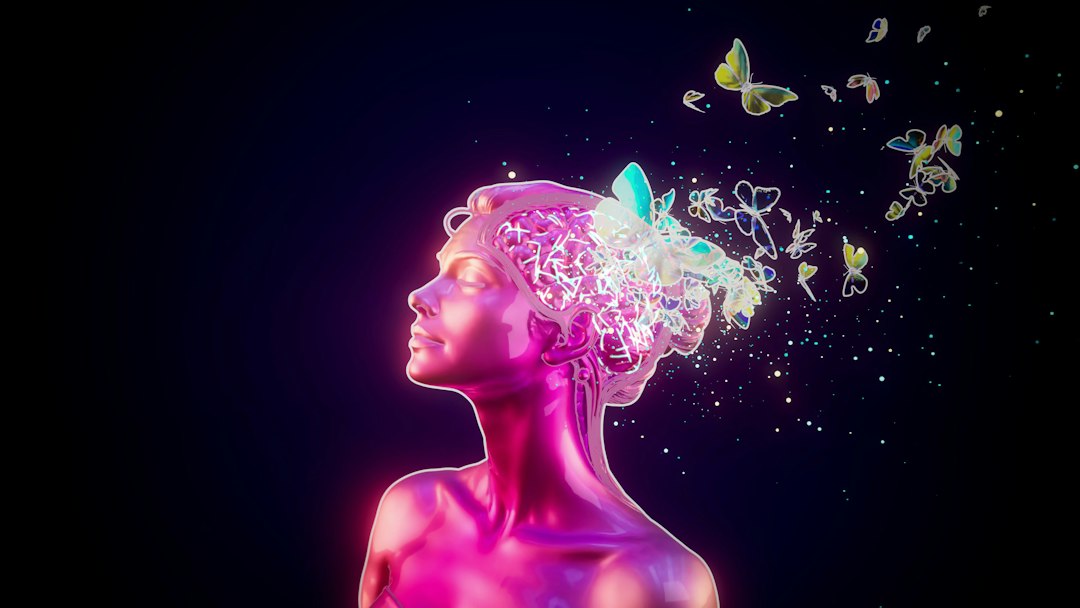
Dopamine Detox Rules: What Should You Avoid?
There is no scientifically established universal set of dopamine detox rules. A practical detox should instead be designed around the behaviors that are actually causing problems in your life.
Start by identifying your biggest sources of unnecessary stimulation.
You might temporarily reduce social media, short-form videos, nonessential notifications, recreational screen time, unnecessary online shopping or habitual phone checking.
The goal should not be to eliminate every pleasurable experience.
Avoiding music, conversations, food, exercise or human connection simply because they involve dopamine misunderstands how dopamine works. Cleveland Clinic specifically cautions against extreme versions of dopamine fasting that attempt to eliminate normal pleasure.
Instead, focus on reducing compulsive behavior.
Ask yourself: “Am I choosing this activity, or am I doing it automatically?”
That distinction is far more useful than creating a long list of forbidden pleasures.
How to Do a Dopamine Detox for Beginners
Begin with observation rather than restriction.
For one day, notice whenever you automatically reach for stimulation. Write down what happened immediately before the urge. Was it boredom? Stress? Anxiety? A difficult task? Waiting for someone?
This helps reveal your habit loop.
Next, choose only one or two high-distraction behaviors to reduce. For example, you might avoid short-form videos and recreational social media for one day rather than trying to remove every enjoyable activity from your life.
Turn off unnecessary notifications. Keep your phone away from your desk while working. Avoid reaching for your device immediately after waking up. Consider creating specific times for checking social media rather than opening it throughout the day.
Then replace stimulation rather than simply removing it.
Useful alternatives include walking, exercising, reading, writing, meditation, spending time in nature, having an uninterrupted conversation, doing creative work or simply allowing yourself to experience boredom.
Boredom can be surprisingly revealing. Instead of immediately escaping it, observe what happens when you sit quietly for several minutes.
Finally, reflect at the end of your detox.
Which cravings were strongest?
Which apps did you reach for automatically?
When was concentrating easiest?
The purpose is not punishment. It is awareness.
How Long Does a Dopamine Detox Take?
There is no scientifically proven duration required to “reset dopamine.”
You may see 24-hour, seven-day or 30-day dopamine detox challenges online, but there is no established biological countdown after which dopamine suddenly resets.
For beginners, even a few hours of intentionally reducing unnecessary digital stimulation can reveal habitual behavior.
A one-day digital detox may help you identify triggers. A longer experiment may help establish healthier routines.
Instead of asking, “How long until my dopamine resets?”, ask, “How long do I need to practice this new behavior until it becomes easier to maintain?”
That question focuses on habit formation rather than an imaginary chemical reset.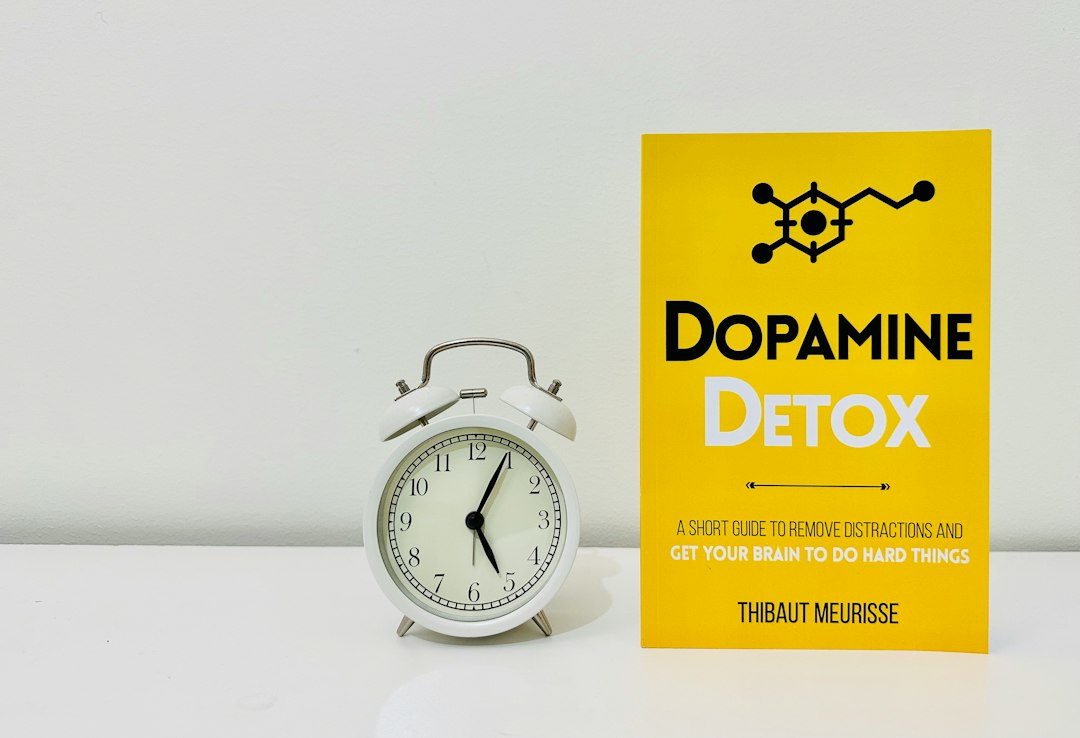
Dopamine Detox, Mindfulness and Instant Gratification
Mindfulness can make a dopamine detox more meaningful because it teaches you to observe an impulse before automatically responding to it.
Suppose your phone vibrates while you are working.
Your first impulse may be to immediately check it.
Mindfulness creates a small space between the stimulus and your response.
You notice the urge.
You do not immediately obey it.
You return to your task.
This simple practice gradually strengthens conscious decision-making.
The same principle applies to doomscrolling, emotional eating, compulsive shopping and other behavioral habits. Instead of fighting every craving, learn to observe it.
Awareness transforms the question from “How do I stop dopamine?” to “Why am I seeking stimulation right now?”
That question can lead to deeper self-understanding.
How to Reset Dopamine Naturally
A literal dopamine reset is not necessary or scientifically accurate.
Instead, focus on creating a healthier reward environment.
Reduce unnecessary notifications. Set boundaries around social media use. Protect periods of uninterrupted work. Exercise regularly. Prioritize sleep. Spend time offline. Practice delayed gratification. Read longer-form content instead of relying entirely on short videos. Make room for meditation and quiet reflection.
Most importantly, learn to choose your behaviors consciously.
Technology itself is not necessarily the problem. The problem begins when behavior becomes automatic and attention is repeatedly captured without intention.
Psychology of Addiction: हमें लत क्यों लगती है?
Common Dopamine Detox Mistakes
One common mistake is making the detox extremely restrictive. Avoiding every enjoyable experience can make the practice unnecessarily unpleasant and difficult to sustain.
Another mistake is expecting instant transformation. Years of digital habits are unlikely to disappear after one phone-free afternoon.
A third mistake is returning immediately to the same environment after completing the challenge. If every notification remains enabled and every distracting app stays on your home screen, old behavioral patterns can quickly return.
The goal should therefore be sustainable behavioral change, not temporary deprivation.
Dopamine Detox and Conscious Living
The deeper lesson behind dopamine detox is not really about dopamine.
It is about attention.
Where does your attention go every day?
How often are your choices conscious?
How much of your time is spent reacting to notifications, cravings, entertainment and external stimulation?
A meaningful digital detox gives you an opportunity to observe these patterns.
When mindfulness enters the process, dopamine detox becomes less about escaping pleasure and more about reclaiming choice.
You do not have to reject technology.
You simply need to stop allowing technology to decide where your attention goes.
Personal Session
Need Personal Guidance for Your Inner Journey? Sometimes awareness begins with one honest conversation. If you feel trapped in repetitive habits, constant mental stimulation, lack of focus or patterns that are difficult to understand on your own, a personal session can help you explore what may be happening beneath the surface.
Book Now
Read Latest Articles
Vaikunth Chaturdashi: Why Are Vishnu & Shiva Worshipped Together?
Why Is Kheer Kept Under Moonlight on Sharad Purnima ?
Frequently Asked Questions
What is a dopamine detox and how does it work?
A dopamine detox is a temporary reduction in highly stimulating or compulsive activities such as excessive social media, short-form videos and unnecessary phone checking. It does not literally remove dopamine or reset the brain's dopamine supply. Instead, it can help people notice unhealthy habits, reduce digital distractions, practice delayed gratification and develop more intentional patterns of behavior.Does dopamine detox really work?
A dopamine detox cannot literally remove dopamine or scientifically “reset” the brain. However, reducing compulsive digital behaviors may help you identify triggers, decrease distractions and create healthier habits. Its practical value comes primarily from behavioral change and increased self-awareness rather than changing dopamine levels directly.How long does a dopamine detox take?
There is no scientifically established duration. Some people experiment with several hours, one day or longer periods. Rather than focusing on a fixed detox length, concentrate on identifying problematic habits and creating sustainable boundaries around them.Can dopamine detox improve focus?
Reducing notifications, social media scrolling and other frequent interruptions can create longer periods of uninterrupted attention. This may make it easier to focus, although the benefit comes from reducing distractions rather than “detoxifying” dopamine.Can I use my phone during a dopamine detox?
Yes, if your phone is necessary for work, communication or essential activities. The purpose is not necessarily complete phone avoidance. You can instead restrict unnecessary social media, short-form videos, games and habitual checking while continuing intentional phone use.Is dopamine fasting the same as digital detox?
They overlap but are not identical. A digital detox primarily focuses on reducing technology use, while dopamine fasting is generally described as temporarily reducing compulsive or highly stimulating behaviors. In practice, excessive phone and social media use are common targets of both approaches.What should I do during a dopamine detox?
Choose lower-distraction activities such as reading, exercise, walking, journaling, meditation, creative hobbies, meaningful conversations or spending time in nature. The goal is not to avoid happiness but to become less dependent on constant stimulation.