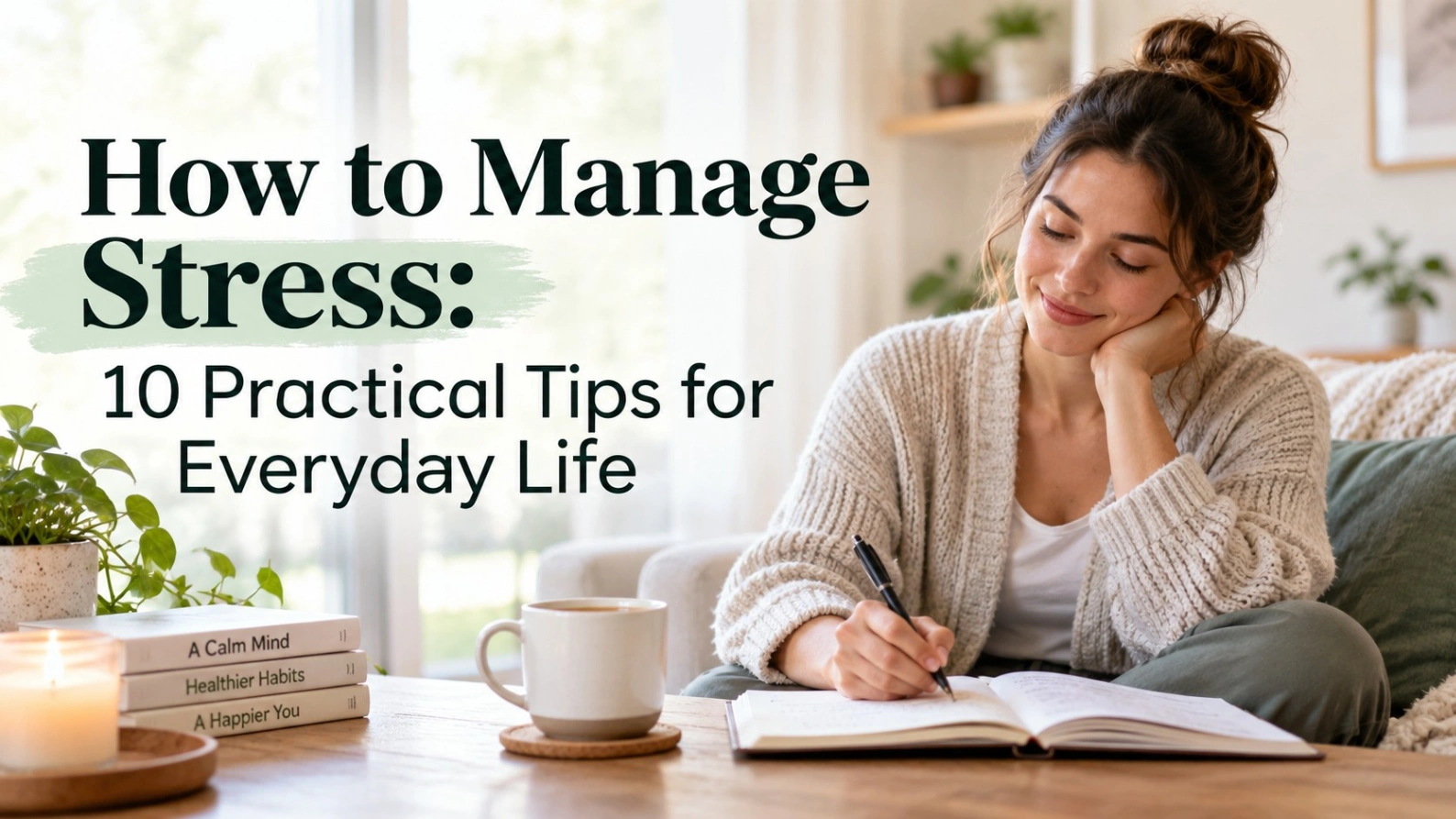
Stress is a normal part of everyday life. Deadlines, financial worries, family responsibilities, health concerns, relationship problems and even positive life changes can trigger the body's stress response.
A certain amount of stress can sometimes help us respond to challenges, solve problems or complete important tasks. However, when stress becomes constant or overwhelming, it can begin to affect both mental and physical well-being.
The CDC describes stress as the body's physical and emotional response to new or challenging situations. It notes that occasional stress is normal, but long-term or chronic stress can worsen health problems.
The good news is that stress management does not always require major life changes.
Small habits practised consistently can help you feel calmer, regain a sense of control and respond to stressful situations more effectively.
Here are 10 practical ways to manage stress in everyday life.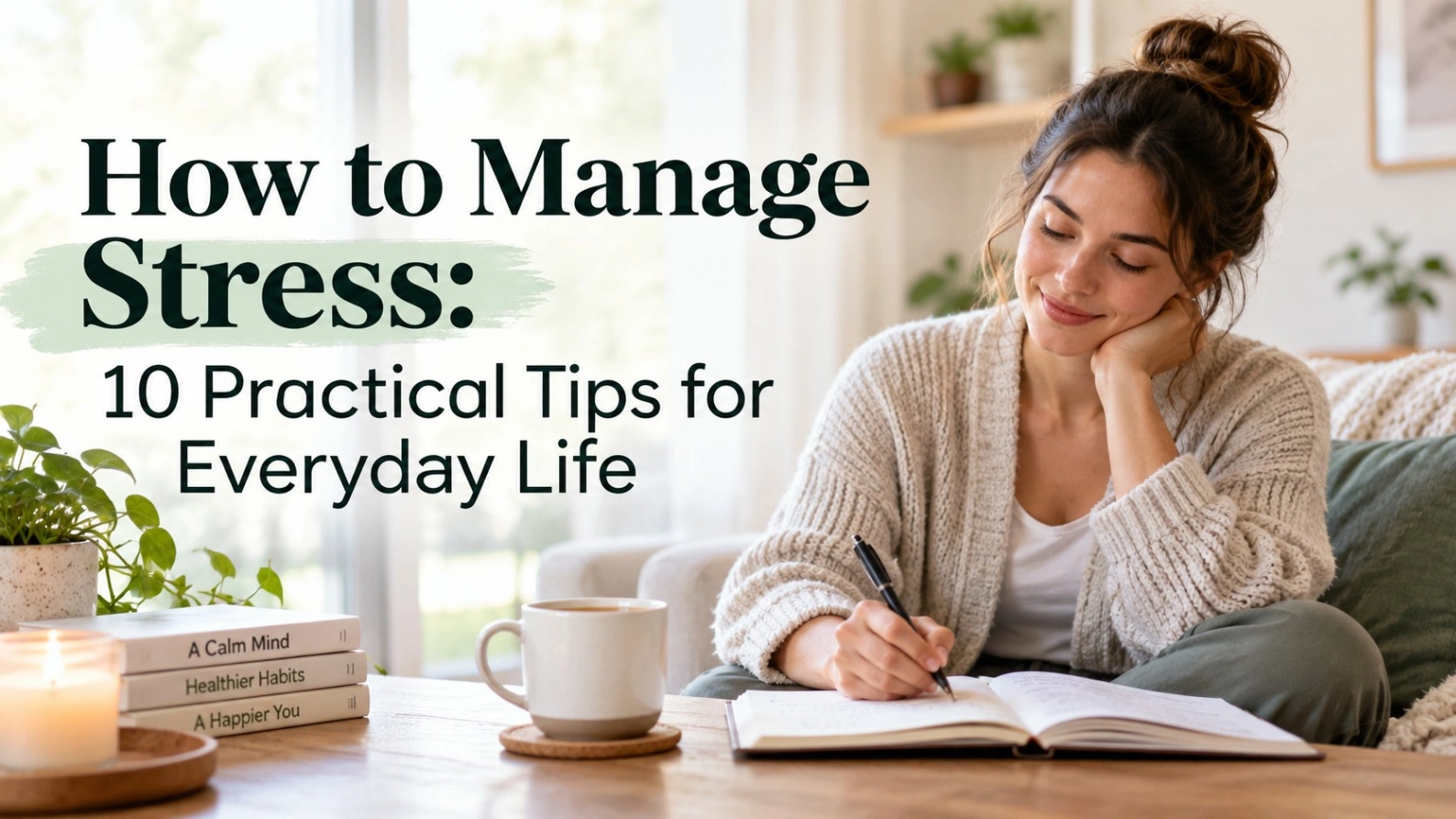
What Is Stress?
Stress is the body's response to pressure, challenge or perceived threat.
When something stressful happens, your body prepares you to respond.
You may notice:
a faster heartbeat
muscle tension
rapid breathing
increased alertness
racing thoughts
difficulty relaxing
This response can be useful in short bursts.
However, when the body remains under pressure for long periods, chronic stress may begin to affect sleep, mood, concentration, physical health and relationships.
CDC guidance notes that prolonged stress may contribute to problems such as changes in appetite, difficulty concentrating, sleep disturbances, headaches, body pain, stomach problems and worsening of existing mental or physical health conditions.
What Causes Everyday Stress?
Stress triggers differ from person to person.
Common sources include:
work deadlines
financial pressure
relationship problems
family responsibilities
caregiving
health concerns
academic pressure
uncertainty about the future
lack of sleep
major life changes
social conflict
constant digital stimulation
Even situations that appear positive, such as starting a new job or moving house, can be stressful because they require adjustment.
One of the first steps in stress management is understanding what specifically triggers your stress.
NIMH recommends identifying your personal triggers and discovering which coping strategies work best for you.
Design Your Destiny
Stress often shows us where our demands, habits and inner patterns may be out of balance. Becoming more aware of those patterns can support healthier choices and greater emotional clarity.
Start Your Journey Today!10 Practical Ways to Manage Stress
1. Identify What Is Causing Your Stress
It is difficult to manage stress when you do not know what is triggering it.
Start by noticing when your stress levels rise.
Ask yourself:
What happened just before I felt stressed?
What am I thinking about?
Is this something I can control?
Is this stress coming from one major issue or many small problems?
Writing your thoughts down can help you identify patterns.
NIMH recommends keeping a journal as one possible strategy for understanding and coping with stress.
For example, you may realise that your stress is not simply “work.”
It might specifically come from:
unclear deadlines
too many meetings
difficulty saying no
poor sleep
constant notifications
Once the trigger becomes clearer, finding a solution becomes easier.
2. Practise Slow Breathing
Stress often changes breathing.
People may begin taking short, shallow breaths without noticing.
Slowing your breathing can help shift attention away from racing thoughts and encourage physical relaxation.
Try this simple exercise:
Breathe in slowly.
Pause briefly.
Exhale slowly.
Repeat several times.
You do not need a complicated breathing routine.
The goal is simply to slow down and become aware of your breath.
Both NIMH and CDC recommend relaxation practices such as deep breathing when people feel overwhelmed.
Even a few minutes can help create a pause between stress and your response to it.
3. Move Your Body Regularly
Physical activity can be one of the most practical tools for managing daily stress.
You do not necessarily need an intense workout.
Useful movement might include:
walking
stretching
cycling
dancing
yoga
strength training
playing a sport
gardening
taking the stairs
CDC recommends physical activity as one healthy way to channel stress and support emotional well-being.
NIMH also recommends exercise as part of healthy coping with stress and anxiety.
If exercising feels difficult, begin with something manageable.
A short walk is still movement.
Consistency is often more useful than setting an unrealistic fitness goal you cannot maintain.
4. Protect Your Sleep
Stress can disturb sleep, and poor sleep can make stress harder to manage.
This can create a cycle:
stress makes it difficult to sleep
poor sleep reduces concentration and patience
ordinary problems begin to feel more overwhelming
stress increases again
Try to maintain a relatively consistent sleep and wake time.
You may also benefit from:
reducing late-night screen use
avoiding excessive caffeine late in the day
creating a quiet bedtime routine
keeping work outside the bed when possible
NIMH recommends maintaining a sleep routine and getting enough sleep as part of managing stress.
You do not need perfect sleep every night.
The goal is simply to protect sleep as an important part of stress management rather than treating it as optional.
5. Take Breaks From Constant Information
Many people spend almost every waking moment receiving information.
Emails.
Messages.
News alerts.
Social media.
Work notifications.
Videos.
Even when the information is not personally relevant, constant exposure can keep the mind activated.
CDC recommends taking breaks from news and social media because continuous exposure to upsetting information can increase emotional strain.
Try creating small periods during your day when you are not consuming information.
For example:
do not check your phone during meals
take a short walk without headphones
turn off unnecessary notifications
avoid doomscrolling before bedtime
schedule specific times to check news
The goal is not to become disconnected from the world.
It is to give your nervous system periods of rest.
Navratri Day 6:Maa Katyayani Puja Vidhi,Story & Significance
6. Break Large Problems Into Smaller Tasks
Stress often increases when everything feels urgent at once.
A large project might feel impossible.
Ten smaller tasks often feel manageable.
Instead of thinking:
“I have so much work.”
Ask:
“What is the next specific thing I need to do?”
For example:
open the document
write the introduction
send one email
make one phone call
review one page
When possible, prioritise responsibilities rather than treating everything as equally urgent.
APA guidance on managing chronic stress recommends identifying essential responsibilities, reducing unnecessary commitments and discussing priorities when workload becomes overwhelming.
Small progress can restore a sense of control.
7. Learn to Set Healthy Boundaries
Sometimes stress comes not from the number of things happening to us but from agreeing to too many of them.
Difficulty saying no can lead to:
overcommitment
resentment
lack of rest
constant urgency
burnout
Setting boundaries does not require becoming rude or unavailable.
It may simply mean saying:
“I can't take that on this week.”
“I can help, but not today.”
“I need some time before I answer.”
“I'll respond during working hours.”
Healthy boundaries protect time and energy for the responsibilities that genuinely matter.
If your commitments consistently exceed your capacity, reducing some of them may be more effective than trying to become better at tolerating overload.
8. Stay Connected With Supportive People
Stress can feel heavier when experienced alone.
Talking to someone you trust can help you:
gain perspective
feel supported
organise your thoughts
reduce isolation
find practical solutions
CDC recommends reaching out to loved ones for support when dealing with difficult emotions.
Support does not always mean discussing every problem in detail.
Sometimes helpful connection means:
having tea with a friend
calling a family member
going for a walk together
spending time with someone who makes you laugh
asking for practical help
Human connection itself can be protective during stressful periods.
9. Make Time for Activities That Help You Unwind
Stress management should not consist only of solving problems.
Your brain and body also need opportunities to recover.
Useful activities may include:
reading
music
gardening
prayer
meditation
cooking
art
walking outdoors
playing with a pet
watching something enjoyable
spending time in nature
CDC recommends making time to unwind, using relaxation practices and engaging in enjoyable activities as part of daily emotional well-being.
The activity does not need to be productive.
Rest does not have to be earned.
Sometimes fifteen minutes of genuine mental downtime can be more restorative than another hour of distracted scrolling.
10. Know When Stress Needs Professional Support
Self-help strategies can be valuable, but they are not always enough.
Consider speaking with a mental-health professional or healthcare provider if stress:
feels constant
interferes with sleep
makes it difficult to work or study
causes significant anxiety
affects your relationships
leads you to avoid normal activities
causes increased alcohol or substance use
makes everyday responsibilities difficult
NIMH notes that if stress or anxiety feels difficult to manage, interferes with daily life, causes avoidance or seems constantly present, additional professional support may be appropriate.
CDC similarly recommends speaking with a counsellor when ongoing stress, anxiety or sadness interferes with everyday functioning.
Seeking help is not a sign that you failed at managing stress.
Professional support is simply another stress-management resource.
Signs That Stress May Be Affecting You
Stress does not always feel like obvious anxiety.
It may appear as:
irritability
difficulty concentrating
forgetfulness
fatigue
headaches
muscle tension
stomach problems
sleep disturbances
changes in appetite
loss of motivation
social withdrawal
feeling constantly overwhelmed
CDC lists emotional, cognitive, sleep-related and physical symptoms among the ways stress can affect everyday life.
Recognising your own warning signs can help you take action earlier.
How to Manage Stress at Work
Workplace stress is especially common because many work problems feel urgent and difficult to escape.
Try to identify the specific source.
Is it workload?
A manager?
Poor communication?
Unclear expectations?
Long hours?
Too many meetings?
Lack of control?
Once you know the source, practical steps might include:
clarifying deadlines
prioritising tasks
taking scheduled breaks
reducing unnecessary notifications
setting communication boundaries
discussing workload with a manager
APA recommends evaluating commitments and discussing priorities when work responsibilities become overwhelming.
How to Manage Stress Quickly
Sometimes you need relief in the moment.
Try one of these:
slow your breathing
stand up and stretch
take a five-minute walk
drink some water
step away from your screen
name five things you can see around you
write down the next single action you need to take
message someone supportive
The APA recommends grounding by bringing attention to physical sensations and surroundings as one quick way to centre yourself during excessive stress.
These techniques may not solve the underlying problem, but they can reduce immediate overwhelm enough to respond more calmly.
Vaikunth Chaturdashi: Why Are Vishnu & Shiva Worshipped Together?
Stress Management Does Not Mean Eliminating All Stress
A stress-free life is not a realistic goal.
Some stress accompanies growth, responsibility and change.
The goal is to become better at:
recognising stress
understanding triggers
responding intentionally
recovering after stressful experiences
making changes when stress becomes chronic
APA notes that the body's stress response is a normal survival mechanism and that some stressful experiences can even be challenging in a positive way. Problems arise particularly when stress becomes chronic or unmanageable.
10 Stress Management Tips at a Glance
1. Identify your triggers
Notice what consistently causes stress.
2. Slow your breathing
Use a few minutes of deliberate breathing to calm yourself.
3. Move regularly
Walking, exercise and stretching can help release tension.
4. Protect sleep
Maintain a consistent sleep routine where possible.
5. Reduce information overload
Take intentional breaks from news and social media.
6. Break problems into smaller steps
Focus on the next manageable action.
7. Set boundaries
Do not automatically say yes to every demand.
8. Stay connected
Talk to supportive friends, family or trusted people.
9. Make time to unwind
Build enjoyable, restorative activities into everyday life.
10. Seek help when needed
Professional support is appropriate when stress interferes with daily functioning.
Personal Session
If you are looking to better understand recurring personal patterns, relationships, priorities or life direction, a personal-development session can provide dedicated space for reflection and greater clarity.
Book Now
Read Latest Articles
Vaikunth Chaturdashi: Why Are Vishnu & Shiva Worshipped Together?
Bhai Dooj Date: Tilak Muhurat, Puja Time & Complete Vidhi
Frequently Asked Questions
Q.How can I manage stress in everyday life?
You can manage everyday stress by identifying your triggers, practising relaxation techniques, staying physically active, protecting sleep, taking breaks from constant information, setting healthy boundaries and maintaining supportive relationships. Breaking large problems into smaller tasks can also reduce overwhelm. If stress becomes persistent or interferes with daily life, consider professional support.Q.What is the fastest way to reduce stress?
Slow breathing, grounding, stretching or briefly stepping away from the stressful situation may help reduce immediate tension. These techniques provide short-term relief but do not necessarily remove the underlying cause.Q.What are the best ways to manage stress?
Useful strategies include physical activity, adequate sleep, relaxation techniques, social connection, healthy boundaries and identifying the source of stress.Q.Can exercise reduce stress?
Physical activity is commonly recommended as a healthy way to cope with stress and support emotional well-being.Q.Does sleep affect stress?
Yes. Poor sleep can make it more difficult to cope with everyday demands. Maintaining a regular sleep routine is recommended as part of healthy stress management.Q.How can I manage work stress?
Identify the specific source of pressure, prioritise tasks, clarify expectations, take breaks and discuss unrealistic workloads or priorities when appropriate.Q.Can social media increase stress?
Constant exposure to negative or overwhelming information may increase distress. CDC recommends taking breaks from news and social media when needed.