Diwali is one of India's most cherished festivals, symbolising the victory of light over darkness, hope over despair, and knowledge over ignorance. As families prepare to celebrate, homes are cleaned, entrances are decorated with rangoli, diyas illuminate doorways, and prayers are offered for happiness, prosperity, and well-being.
Alongside these traditions, many households follow Vastu Shastra principles while preparing their homes for Diwali. Vastu Shastra is a traditional Indian system of architecture and spatial arrangement that offers guidance on the placement of entrances, rooms, objects, and elements within a living space. During Diwali, these practices are often associated with welcoming auspiciousness, creating harmony, and preparing the home for new beginnings.
But Diwali preparation is about more than decoration. A clean, organised, and welcoming home can also encourage us to pause, reconnect with our families, and reflect on the habits and thoughts we carry into the festive season.
This understanding connects with the vision of Science Divine Foundation: Sound Body, Sound Mind and Self-Realisation. Just as we prepare our physical surroundings for Diwali, we can also work towards creating greater clarity, calmness, and awareness within ourselves.
In this guide, we explore traditional Diwali Vastu tips, room-by-room preparation ideas, diya placement, entrance decoration, common mistakes to avoid, and the deeper spiritual meaning of preparing your home for the festival.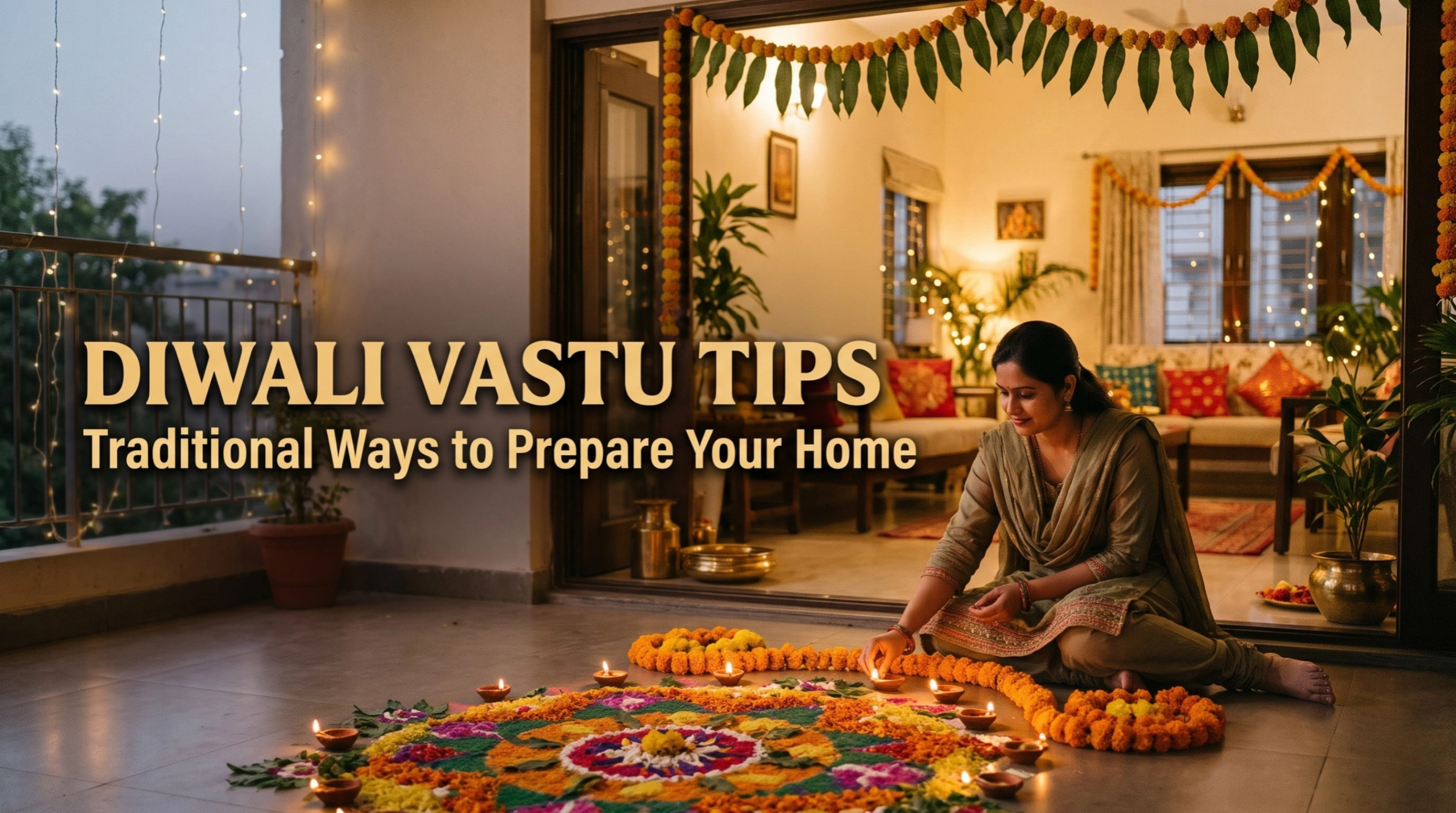
What Is the Significance of Vastu During Diwali?
Vastu Shastra traditionally focuses on the arrangement of living spaces in relation to directions, natural elements, and the intended use of different areas. Many families consult Vastu principles when building, renovating, or arranging their homes.
During Diwali, these principles are often incorporated into cleaning, decoration, lighting, and Lakshmi Puja preparations.
According to traditional Hindu beliefs, a clean and well-maintained home represents readiness to welcome Goddess Lakshmi, who is associated with prosperity and abundance. Lighting diyas symbolises the removal of darkness, while rangoli and floral decorations express joy and hospitality.
It is important to distinguish between cultural beliefs and established scientific evidence. Vastu practices are meaningful to many people as part of their heritage, but following a particular direction or arrangement is not scientifically proven to guarantee wealth, success, or good fortune.
You can approach these traditions as an opportunity to create a comfortable, organised, and peaceful environment while celebrating Diwali in a way that feels meaningful to your family.
10 Traditional Diwali Vastu Tips to Prepare Your Home
1. Clean and Declutter Your Home Before Diwali
Cleaning is one of the most widely followed Diwali traditions. Families often clean floors, cupboards, kitchens, windows, and prayer areas before decorating their homes.
From a traditional Vastu perspective, cleanliness is associated with inviting auspiciousness and maintaining harmony in the home.
Start by removing unnecessary clutter, organising frequently used items, and cleaning areas that are often overlooked. Donate usable clothes, books, and household items that you no longer need, provided they are in good condition.
A clutter-free home can make everyday activities easier and reduce the time spent searching for belongings. It also creates more room for festive decorations and family gatherings.
Practical tip: Work room by room instead of trying to clean the entire house in one day. This makes the preparation more manageable and less stressful.
Design Your Destiny
A meaningful life begins with conscious choices. Explore Science Divine Foundation's teachings and resources to deepen self-awareness, reflect on spiritual wisdom, and bring greater balance into everyday living.
Start Your Journey Today!2. Keep the Main Entrance Clean and Welcoming
The main entrance holds special significance in traditional Vastu practices. It is often regarded as the point through which people enter the home, making it an important area for creating a welcoming atmosphere.
Before Diwali, clean the entrance, wipe the door and handles, remove unnecessary objects, and ensure the pathway is clear.
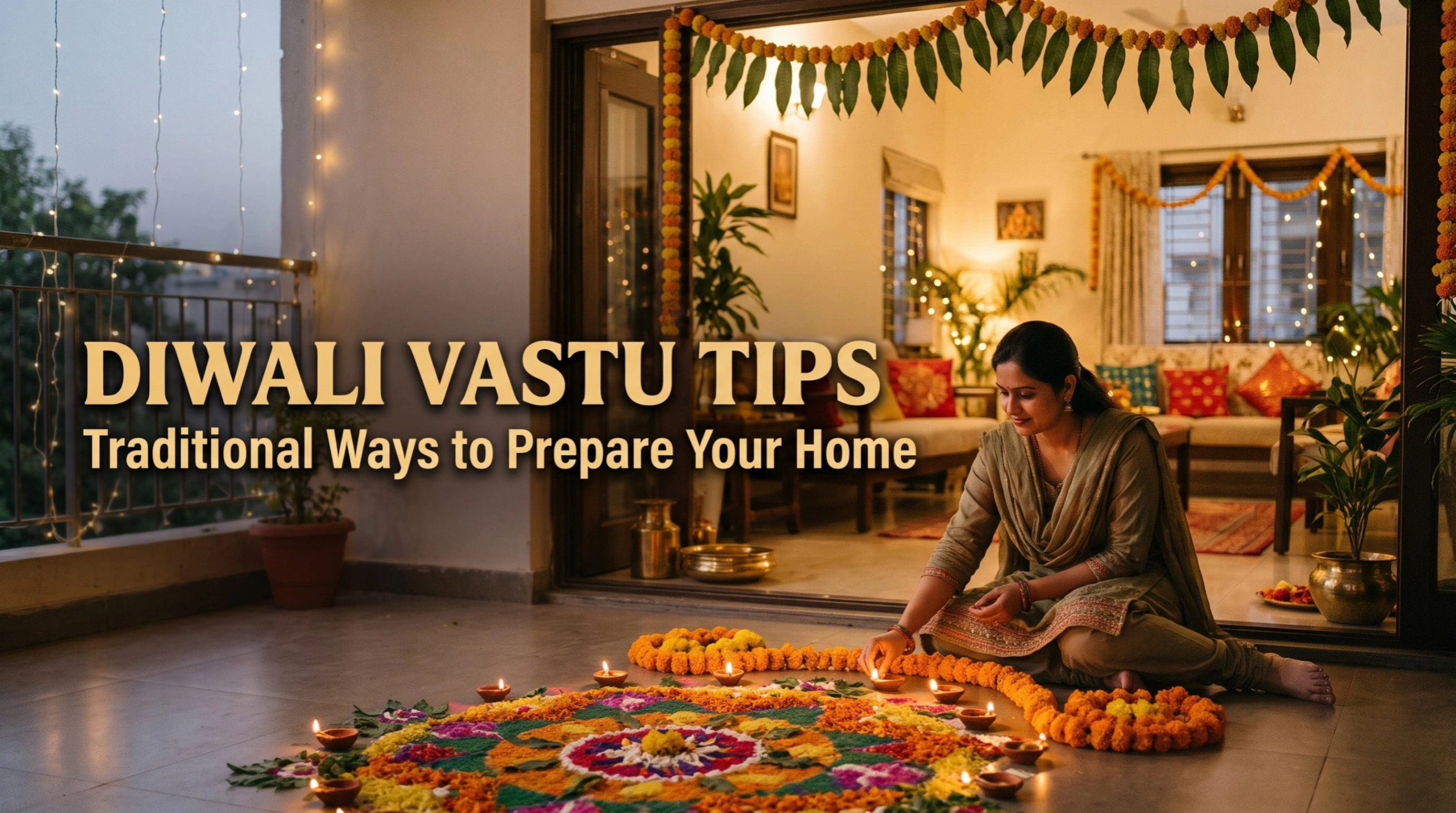
Many families decorate their entrances with rangoli, flower garlands, torans, and small lights. Traditional motifs such as lotus flowers, footprints, and geometric patterns may also be used.
Some Vastu traditions recommend an entrance facing particular directions, but changing the direction of an existing entrance is neither necessary nor practical for most households.
Focus on keeping your entrance clean, accessible, well-lit, and safe. Avoid placing decorations where they could obstruct movement, particularly for older family members or visitors with mobility difficulties.
3. Decorate the Entrance with Rangoli and Flowers
Rangoli is a popular Diwali tradition that expresses creativity, hospitality, and celebration. Designs may include floral patterns, diyas, geometric shapes, and symbols associated with auspiciousness.
Fresh flowers and traditional torans made from marigold or mango leaves are also used in many homes.
In some households, rangoli is placed near the entrance to welcome guests and mark the festive occasion. Traditional beliefs may associate these decorations with inviting positive energy and prosperity.
Choose designs that suit the available space. If you have children, older family members, or pets at home, use non-toxic materials and avoid slippery powders or loose decorations on walking paths.
The deeper value of this practice lies in creating a joyful environment and preparing your home with care.
4. Light Diyas Safely in Appropriate Places
Diyas are central to Diwali celebrations and traditionally symbolise the triumph of light over darkness. Many households light them near the entrance, in the prayer room, on balconies, and around the home.
Some Vastu traditions suggest particular directions for placing lamps. Customs vary, so follow the practice that is meaningful to your family rather than treating one arrangement as universally compulsory.
When lighting diyas, prioritise fire safety. Place them on stable, heat-resistant surfaces away from curtains, paper, dry leaves, and other flammable materials. Keep them out of children's reach and never leave an open flame unattended.
If you use electric lights, choose suitable products and avoid overloading electrical sockets.
The symbolic message of a diya can also inspire reflection: just as a small flame illuminates a room, a moment of awareness can help us recognise thoughts and habits that need attention.
5. Prepare a Clean and Peaceful Puja Room
The puja room or prayer area is an important part of Diwali preparations. Many families worship Goddess Lakshmi and Lord Ganesha during Diwali, praying for prosperity, wisdom, and well-being.
Before the festival, clean the prayer area, arrange the idols or pictures respectfully, and prepare the required puja samagri.
Some traditional Vastu practices recommend keeping the prayer space in the northeast section of the home. However, homes differ in layout, and it is not necessary to make major structural changes solely to follow a directional recommendation.
A clean, comfortable, and peaceful prayer space can serve its purpose wherever it is located.
Keep incense, lamps, and electrical decorations at a safe distance from flammable materials. Arrange frequently used prayer items neatly so that the puja can be performed without unnecessary last-minute stress.
6. Arrange the Living Room for Comfort and Togetherness
The living room often becomes the centre of Diwali celebrations. Family members gather there to exchange greetings, share sweets, welcome guests, and enjoy the festive atmosphere.
Traditional Vastu advice often emphasises balance, adequate space, and thoughtful furniture arrangement. You can apply these ideas practically by ensuring that pathways are clear, seating is comfortable, and decorations do not overwhelm the room.
Move unused furniture if necessary, organise cables, and avoid placing lamps or candles where people may accidentally knock them over.
A well-arranged living room can make gatherings more comfortable and encourage meaningful interaction.
Rather than focusing only on how a room looks, consider how it feels to spend time there. Is there enough space to move around? Can everyone sit comfortably? Does the room encourage conversation?
These small details can make the festival more enjoyable for everyone.
How Krishna's Govardhan Leela Teaches Us to Overcome Ego
7. Keep the Kitchen Clean and Organised
The kitchen plays a central role in Diwali preparations because families often prepare sweets, snacks, and festive meals.
From a traditional perspective, the kitchen is associated with nourishment and the fire element. Many Vastu recommendations discuss the placement of cooking areas in relation to direction, but the layout of an existing home may not allow such arrangements.
For Diwali, focus on practical improvements: clean cooking surfaces, organise utensils, check food storage, and dispose of expired ingredients.
Keep pathways clear and ensure that hot oil, cooking flames, and electrical appliances are used safely. Store sweets and ingredients appropriately to maintain food quality.
A clean kitchen supports smoother meal preparation and allows you to spend more time with family instead of managing avoidable mess.
8. Choose Festive Colours Mindfully
Diwali decorations often feature traditional colours such as red, yellow, orange, gold, and green. In some Vastu traditions, colours are associated symbolically with particular elements, moods, or directions.
You can incorporate these colours through cushions, flowers, table decorations, rangoli, lamps, and fabric accents.
However, there is no need to repaint an entire room or purchase expensive decorations to create a festive atmosphere. A few coordinated details can be enough.
Choose colours and materials that suit your home, personal taste, and existing décor. Natural flowers, reusable decorations, and simple lighting can create a beautiful setting without excessive spending.
Remember that the purpose of decoration is to make your home feel welcoming, not to create financial pressure.
9. Repair Broken Items and Check Lighting
Many households use Diwali as an opportunity to repair, replace, or organise items around the home. Traditional beliefs may associate broken or neglected objects with disorder, while practical home maintenance helps keep the space functional.
Check damaged handles, leaking taps, loose switches, faulty lights, and uneven floor coverings before the celebrations begin.
Replace broken bulbs, secure loose wires, and remove objects that could cause trips or falls. If repairs involve electrical wiring or other hazards, use a qualified professional.
A well-maintained home is easier to use and safer for family members and guests. This is a practical benefit regardless of whether you follow Vastu traditions.
10. Welcome the Festival with Gratitude and Positive Intentions
Traditional Diwali preparations often focus on welcoming prosperity and auspiciousness. You can complement these rituals by reflecting on the qualities you want to cultivate in your home.
Consider making space for gratitude, kindness, patience, and thoughtful communication. Spend time with family members, appreciate the people who support you, and offer help to someone who may need it.
You might also use the occasion to review your spending habits, set realistic goals, or let go of objects that no longer serve a purpose.
These actions do not depend on a particular direction or decoration. They reflect the values of renewal and conscious living that many people associate with Diwali.
Diwali Vastu Tips for Different Areas of Your Home
Here is a quick reference for traditional preparation ideas and practical actions.
Area | Traditional preparation | Practical focus |
|---|---|---|
Main entrance | Rangoli, toran, festive lighting | Keep the doorway clean and accessible |
Puja room | Arrange deities and puja samagri | Maintain cleanliness and fire safety |
Living room | Balanced décor and festive lights | Comfortable seating and clear pathways |
Kitchen | Clean cooking area and organised utensils | Food hygiene and safe cooking |
Balcony | Diyas or decorative lights | Stable surfaces and secure wiring |
Bedroom | Declutter and refresh the space | Clean bedding and a restful environment |
These suggestions are intended as general guidance. Adapt them to your home, available space, family traditions, and safety requirements.
Common Diwali Vastu Mistakes to Avoid
While preparing your home, avoid turning traditional guidance into a source of unnecessary stress.
Making expensive structural changes: You do not need to rebuild a room or change your entrance simply to follow a Vastu recommendation. Focus on manageable improvements that suit your circumstances.
Treating directional rules as guarantees: Traditional beliefs about directions and prosperity are not scientific guarantees of financial or personal success.
Ignoring safety for decoration: Keep lamps away from curtains, ensure electrical lights are installed safely, and avoid blocking exits or walkways.
Buying more than you need: Diwali is a celebration, not a requirement to purchase new furniture, decorations, or appliances. Reusing items can be economical and environmentally considerate.
Forgetting the people in the home: A beautifully decorated space is not enough if everyone feels exhausted or pressured. Share tasks, allow time for rest, and make the preparation enjoyable.
The most meaningful Diwali preparations are those that support your family's comfort, well-being, and sense of togetherness.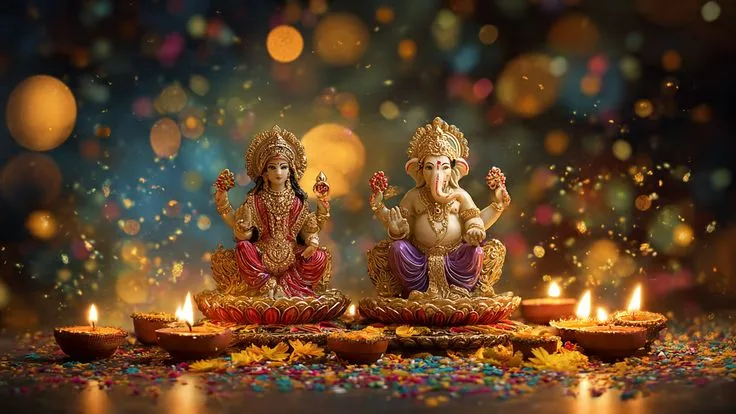
The Spiritual Meaning of Preparing Your Home for Diwali
Diwali is widely associated with the victory of light over darkness. This symbolism can be understood not only in relation to lamps and decorations but also as an invitation to reflect on our inner lives.
Cleaning a home can remind us to examine the habits and thoughts that create unnecessary disorder. Lighting a diya can symbolise awareness and the willingness to understand ourselves more clearly. Welcoming guests can encourage generosity and respect.
These reflections do not replace traditional religious rituals. They offer another way to connect the external celebration with personal growth.
A peaceful home is not simply a space with beautiful decorations. It is also a place where people feel respected, where disagreements can be handled thoughtfully, and where everyone has room to rest and grow.
This Diwali, consider preparing both your physical surroundings and your approach to daily life. Along with cleaning cupboards and arranging diyas, make time for gratitude, meaningful conversations, and moments of quiet reflection.
How Science Divine Foundation Connects with Diwali Vastu
Science Divine Foundation's vision of Sound Body, Sound Mind and Self-Realisation offers a meaningful perspective on preparing for Diwali.
The festival encourages people to clean their surroundings, welcome loved ones, perform rituals, and begin a new season with hope. These traditions can also create opportunities to reflect on the relationship between our external environment and our inner state.
An organised home can make daily activities easier. A welcoming space can support family gatherings. A quiet prayer area can offer a place for reflection. These practical benefits can complement the spiritual significance that many families attach to their Diwali traditions.
The foundation encourages individuals to explore self-awareness and bring spiritual wisdom into everyday life. Its message, “Gita ko sirf padhna nahi, Gita ko jeena hai,” reminds us that meaningful teachings are not limited to reading or discussion; they can influence how we live.
In the context of Diwali, this may mean practising patience while preparing for guests, responding calmly when plans change, spending responsibly, and recognising the importance of health and relationships alongside material prosperity.
Self-realisation involves a deeper journey of understanding oneself. It invites us to notice our thoughts, motivations, and habitual reactions rather than being controlled by them automatically.
Just as we take time to organise our homes before Diwali, we can also reflect on what we wish to change within ourselves. We may choose to reduce unnecessary comparison, cultivate gratitude, or become more conscious of how our words affect others.
Science Divine Foundation's vision provides an opportunity to connect the symbolism of light with the practice of awareness, while respecting the traditional and cultural significance of the festival.
Why Letting Go Is the First Step Towards Healing
Conclusion: Prepare Your Home and Welcome Diwali with Awareness
Diwali Vastu tips offer traditional ways to prepare a home through cleanliness, thoughtful arrangement, lighting, decoration, and prayer. From keeping the entrance welcoming to organising the puja room and creating a comfortable living space, these practices can help make the festival more organised and meaningful.
You do not need expensive changes or a perfect home to celebrate Diwali. Focus on what is practical, safe, and appropriate for your family. Treat traditional Vastu guidance as cultural and spiritual advice rather than a guarantee of wealth or good fortune.
The deeper spirit of Diwali can also inspire us to cultivate gratitude, patience, kindness, and self-awareness. These qualities help create a home that feels welcoming not only because of its appearance but also because of the way people treat one another.
In keeping with Science Divine Foundation's vision of Sound Body, Sound Mind and Self-Realisation, let this Diwali be an opportunity to bring light into your surroundings and greater awareness into your life.
May your home be filled with warmth, harmony, meaningful relationships, and peace this Diwali.
Personal Session
Every person's journey towards inner clarity and self-understanding is different. If you would like to reflect on your habits, explore spiritual wisdom, or learn more about conscious living, connect with Science Divine Foundation to learn about available personal sessions.
Book Now
Read Latest Articles
Why Do We Celebrate Dhanteras? History, Story & Significance
Why Do We Celebrate Diwali ? Meaning , History and Significance
Frequently Asked Questions
Q.What are the best Vastu tips for Diwali?
Traditional Diwali Vastu tips include cleaning and decluttering the home, keeping the main entrance welcoming, decorating with rangoli and flowers, preparing a clean puja area, and lighting diyas safely. Many families also organise the kitchen and living room before the festival. These practices can make the home more comfortable and meaningful, though Vastu arrangements are not scientifically proven to guarantee prosperity.Q.Why is cleaning the home important before Diwali?
Cleaning before Diwali is a longstanding tradition associated with renewal and welcoming auspiciousness. Practically, it also helps organise belongings, improve cleanliness, and prepare the home for guests and celebrations.Q.Which direction is considered auspicious for the main entrance during Diwali?
Some Vastu traditions favour particular entrance directions, but recommendations vary according to the layout and the tradition followed. There is no need to make major structural changes just for Diwali. Keeping the entrance clean, accessible, and well-lit is a practical starting point.Q.Where should diyas be placed during Diwali?
Many households place diyas near the entrance, in the prayer area, and in other safe locations around the home. Traditional directional preferences vary. Always use stable, heat-resistant surfaces and keep open flames away from curtains, paper, and other flammable materials.Q.How should I prepare my puja room for Diwali?
Clean the prayer area, arrange idols or pictures respectfully, and prepare the required puja samagri. Keep lamps and incense away from flammable materials, and choose an arrangement that suits your home and family traditions.Q.Can I follow Diwali Vastu tips in a small apartment?
Yes. You can clean and declutter, decorate your entrance, use compact rangoli designs, arrange a small prayer space, and add safe festive lighting. Vastu-inspired preparation does not require a large home or expensive renovations.Q.Do Diwali Vastu tips guarantee wealth and prosperity?
No. Vastu recommendations are part of traditional cultural and architectural beliefs, and they are not scientifically established guarantees of financial success. Many people follow them for cultural, spiritual, or personal reasons, while practical factors such as financial planning and daily decisions also matter.