Bhai Dooj is one of the most heartfelt festivals in the Hindu calendar, celebrating the bond between brothers and sisters. It falls after Diwali and is known by different names across India, including Bhai Dooj, Bhaiya Dooj, Bhau Beej, Bhai Dwitiya and Yam Dwitiya.
A common question is: Why is Bhai Dooj also called Yam Dwitiya?
The answer comes from the traditional story of Yamaraj, the lord of death, and his sister Goddess Yamuna. According to the legend, Yamuna lovingly invited her brother Yama to her home on Kartik Shukla Dwitiya, welcomed him with tilak, food and affection, and prayed for his well-being. Pleased by her devotion, Yama blessed the occasion. This is why the day came to be known as Yama Dwitiya or Yam Dwitiya. Drik Panchang specifically explains that Bhai Dooj is called Yama Dwitiya because of the reunion of Yamaraja and Goddess Yamuna on this day.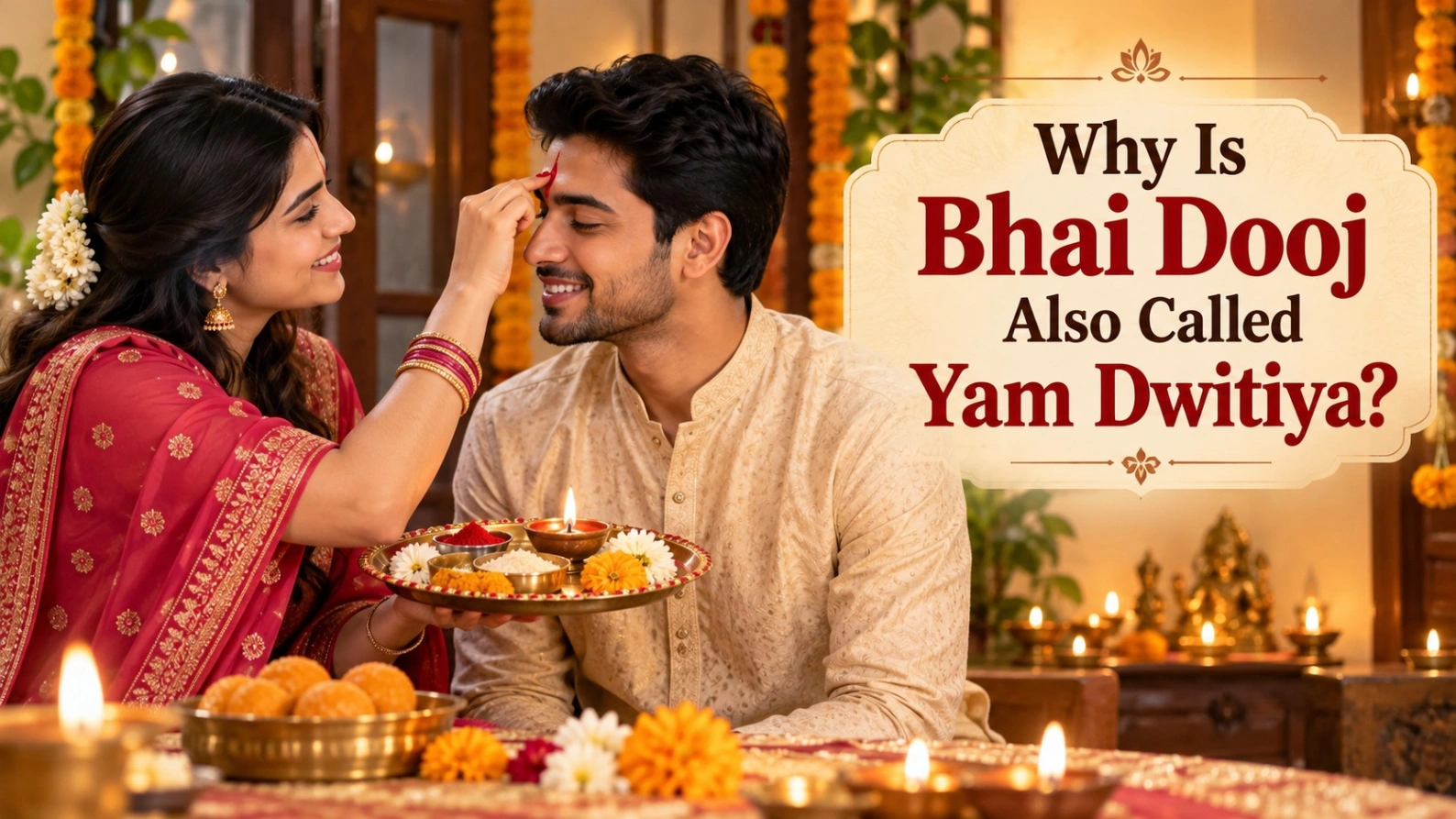
What Does Yam Dwitiya Mean?
The name can be understood in two parts:
Yam or Yama refers to Yamaraj, the deity associated with death and justice.
Dwitiya means the second lunar day.
Bhai Dooj is celebrated on Shukla Paksha Dwitiya of the Kartik month, which is why the tithi itself is called Dwitiya. Drik Panchang notes that Bhai Dooj is celebrated on Kartika Shukla Dwitiya.
So Yam Dwitiya literally refers to the Dwitiya associated with Yama.
Why Is Bhai Dooj Called Yam Dwitiya?
Bhai Dooj is called Yam Dwitiya because, according to Hindu tradition, Goddess Yamuna invited her brother Yamaraj to her home on Kartik Dwitiya.
She welcomed him lovingly, offered him food and honoured him as a sister would honour her brother.
The Yama Dwitiya tradition states that Yamuna fed her brother Yamraj at her own home on this auspicious day. From then onward, the day became known as Yama Dwitiya.
This story became the spiritual foundation of Bhai Dooj.
The modern custom of sisters applying tilak, preparing food and praying for their brothers' long life reflects this ancient Yama-Yamuna legend.
Design Your Destiny
Bhai Dooj reminds us that some of life's deepest blessings are found in relationships. The story of Yama and Yamuna shows how love, care and presence can transform even the symbolism of fear and mortality into connection and grace.
Start Your Journey Today!The Story of Yama and Yamuna
According to the traditional legend, Yamuna, the sacred river goddess, had deep affection for her brother Yamaraj.
She repeatedly invited him to visit her home, but because Yama was occupied with his duties, he could not come for a long time.
Eventually, on Kartik Shukla Dwitiya, Yamaraj visited his sister.
Yamuna was delighted.
She welcomed him with:
tilak
Aarti
sweets
a festive meal
affection and devotion
Pleased by his sister's hospitality, Yamaraj asked her to request a blessing.
Yamuna prayed that brothers who visit their sisters on this day, receive tilak and eat food lovingly prepared by them should be blessed with long life and protection.
According to the tradition recorded in Panchang descriptions, sisters who feed their brothers on this auspicious day are blessed with good fortune, while brothers who eat at their sisters' homes are believed to receive blessings of longevity.
This is why Bhai Dooj became associated with prayers for a brother's long and prosperous life.
Is Bhai Dooj and Yam Dwitiya the Same?
Yes.
Bhai Dooj and Yam Dwitiya refer to the same festival, though the names emphasize different aspects.
Bhai Dooj highlights the brother-sister relationship.
Yam Dwitiya highlights the religious legend of Yamaraj and Yamuna and the Dwitiya tithi on which the festival is observed.
Drik Panchang explicitly lists Yama Dwitiya and Bhai Dooj on the same date and explains their connection through the Yama-Yamuna story.
Why Is the Word “Dwitiya” Important?
The term Dwitiya is important because Hindu festivals are determined according to lunar tithis.
Bhai Dooj falls on Kartik Shukla Dwitiya, the second day of the waxing lunar fortnight.
This is why several regional names for the festival also include the word Dwitiya, such as:
Bhai Dwitiya
Bhatra Dwitiya
Yama Dwitiya
The calendar day may change every year, but the festival remains tied to Dwitiya Tithi.
Bhai Dooj 2026 Date and Time
For 2026, Bhai Dooj will be celebrated on Wednesday, November 11, 2026.
For Delhi, Drik Panchang lists:
Bhai Dooj Date: Wednesday, November 11, 2026
Bhai Dooj Aparahna Time: 1:10 PM to 3:20 PM
Dwitiya Tithi Begins: 2:00 PM on November 10
Dwitiya Tithi Ends: 3:53 PM on November 11
Yama Dwitiya: Wednesday, November 11, 2026
The Aparahna period is traditionally considered suitable for Bhai Dooj tilak and Yama Dwitiya worship.
Kali Chaudas vs Naraka Chaturdashi : Are They the Same ?
Why Do Sisters Apply Tilak on Bhai Dooj?
The tilak ritual symbolises blessing, protection and affection.
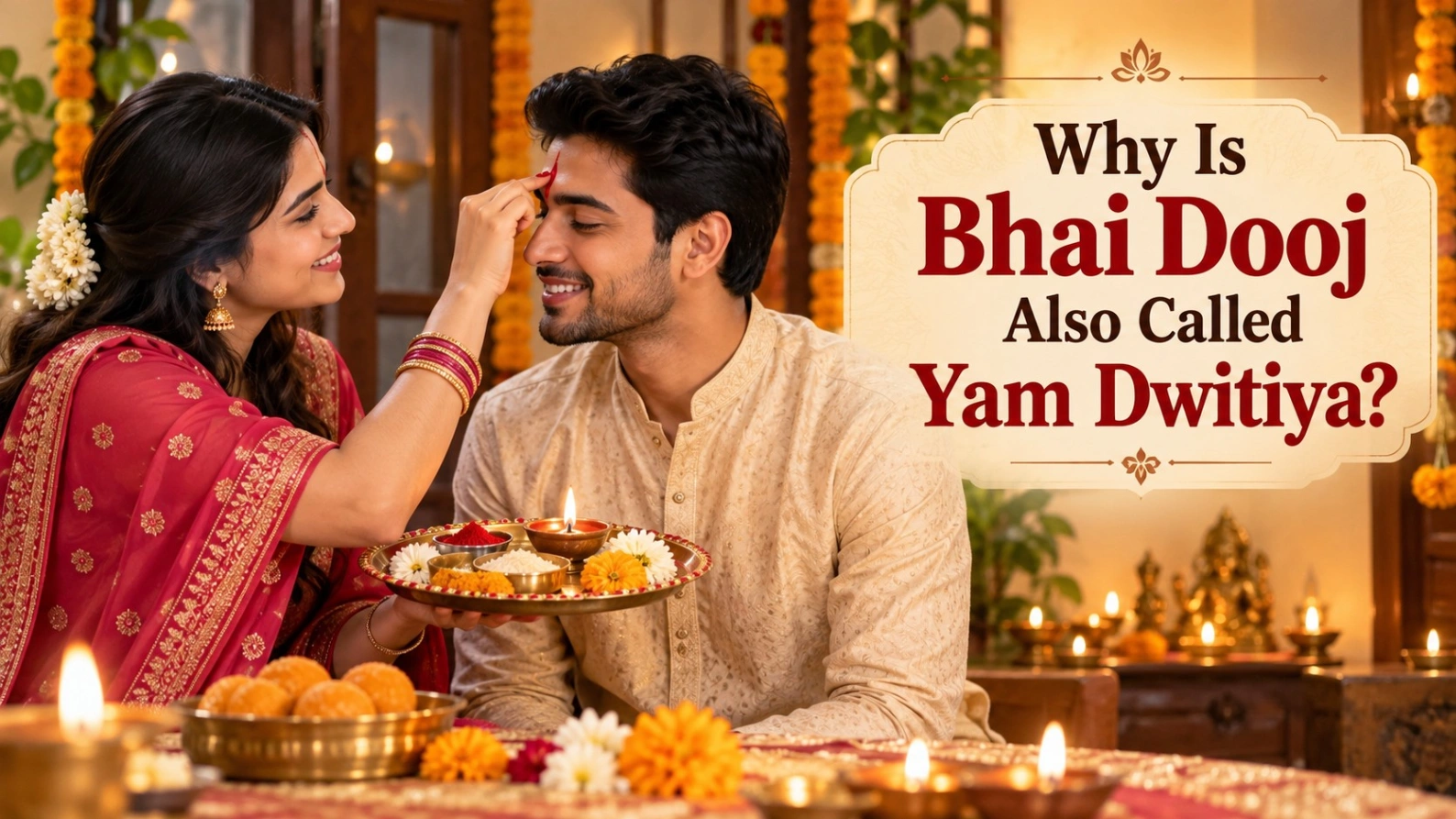
On Bhai Dooj, sisters apply a ceremonial tilak to their brothers' foreheads and pray for their long life, happiness and prosperity. Brothers, in turn, offer gifts or tokens of affection.
This ritual is connected with the larger Yama-Yamuna story, in which Yamuna lovingly welcomed Yamaraj into her home.
The tilak therefore becomes more than a decorative ritual. It symbolises a sister's prayer for her brother's safety and well-being.
Why Is Food So Important on Bhai Dooj?
Food is central to the festival because of Yamuna's hospitality toward Yama.
According to the Yama Dwitiya tradition, Yamuna prepared and served food to her brother at her own home. This is why, even today, many sisters prepare special dishes or sweets for their brothers on Bhai Dooj.
The meal represents:
affection
hospitality
family bonding
blessings
gratitude
It also reflects one of the most beautiful aspects of Hindu festivals: spiritual meaning expressed through simple family rituals.
Why Is Yamuna Worship Important on Bhai Dooj?
Because the festival is rooted in the story of Yama and Yamuna, Goddess Yamuna holds special importance on this day.
Drik Panchang notes that bathing in the Yamuna River on Bhai Dooj holds religious significance and is traditionally associated with blessings of longevity and spiritual merit.
In some traditions, devotees therefore perform Yamuna Snan before Yama Puja.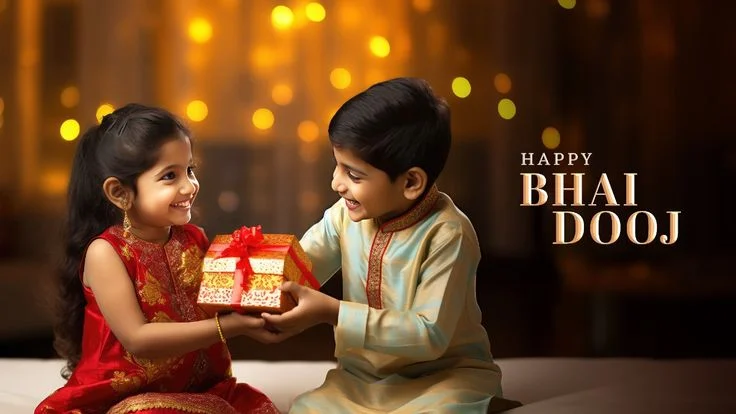
Why Is Yamaraj Worshipped on Yam Dwitiya?
Yama Dwitiya is not only a sibling festival; it also includes the worship of Yamaraj.
Traditional Panchang guidance notes that Yamaraj is worshipped on Yama Dwitiya along with Chitragupta and Yama-Doots, and that Arghya may be offered after puja.
This gives the festival a deeper spiritual dimension.
Yama represents mortality and justice, while the story of his sister's love introduces compassion and family affection into that symbolism.
Why Is Bhai Dooj Celebrated After Diwali?
Bhai Dooj comes at the end of the traditional Diwali festive cycle.
It is observed on Kartik Shukla Dwitiya, usually two days after the main Diwali Lakshmi Puja. Drik Panchang notes that Yama Dwitiya generally falls two days after Diwali Puja.
This gives Bhai Dooj a special role.
After the worship, lights and celebrations of Diwali, the festival cycle concludes with the intimate bond between siblings.
Bhai Dooj vs Raksha Bandhan
Bhai Dooj and Raksha Bandhan both celebrate sibling relationships, but they are different festivals.
Raksha Bandhan
celebrated during Shravan Purnima
sisters traditionally tie Rakhi
focuses strongly on protection and sibling duty
Bhai Dooj
celebrated on Kartik Shukla Dwitiya
sisters apply tilak
connected with Yama and Yamuna
includes feeding the brother a festive meal
Both festivals honour sibling affection, but their stories, dates and rituals are distinct.
Other Names of Bhai Dooj
Bhai Dooj is known by different names in different parts of India.
These include:
Bhaiya Dooj
Bhau Beej
Bhai Dwitiya
Bhatra Dwitiya
Yam Dwitiya
Yama Dwitiya
Drik Panchang lists several of these regional names, showing how widely the festival is celebrated across India.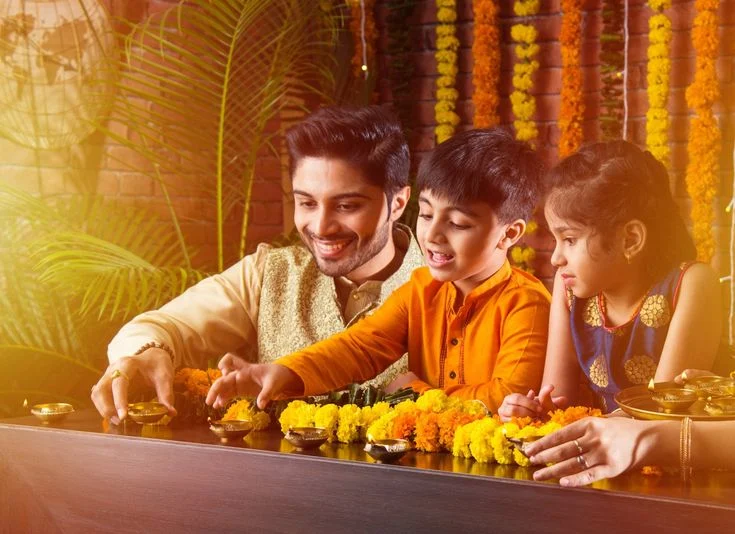
Spiritual Meaning of Yam Dwitiya
The story of Yama and Yamuna contains a deeper spiritual message.
Yama is associated with death and mortality.
Yamuna represents love, purity and devotion.
Their reunion symbolises the idea that even the fear of mortality can be softened by love, family connection and spiritual blessing.
The festival reminds us that relationships are not merely social obligations. When cared for consciously, they become sacred.
Bhai Dooj Puja Vidhi
A simple Bhai Dooj ritual usually includes:
The sister takes a bath and prepares a clean puja space.
A puja thali is prepared with:
roli or kumkum
rice
diya
sweets
flowers
The brother is invited to sit for the ritual.
The sister applies tilak to his forehead.
Aarti is performed.
She prays for his long life, health and prosperity.
Sweets or a festive meal are offered.
The brother gives a gift or blessing to his sister.
Drik Panchang similarly describes the tilak, Aarti, sacred thread, sweets, festive meal and gift exchange as major parts of the Bhai Dooj observance.
Why Is Kheer Kept Under Moonlight on Sharad Purnima
Bhai Dooj 2026 at a Glance
Festival: Bhai Dooj / Yam Dwitiya
Date: Wednesday, November 11, 2026
Tithi: Kartik Shukla Dwitiya
Delhi Aparahna Tilak Time: 1:10 PM to 3:20 PM
Dwitiya Begins: 2:00 PM on November 10
Dwitiya Ends: 3:53 PM on November 11
Main Legend: Yamaraj and Goddess Yamuna
Main Ritual: Sister applies tilak and prays for her brother's long life
Personal Session
Relationships often reveal some of our deepest emotional patterns, expectations and lessons.
Book Now
Read Latest Articles
Vaikunth Chaturdashi: Why Are Vishnu & Shiva Worshipped Together?
Bhai Dooj Date: Tilak Muhurat, Puja Time & Complete Vidhi
Frequently Asked Questions
Q.Why is Bhai Dooj also called Yam Dwitiya?
Bhai Dooj is called Yam Dwitiya because, according to Hindu tradition, Goddess Yamuna welcomed her brother Yamaraj to her home on Kartik Shukla Dwitiya, applied sacred rituals and served him food. Yama blessed the occasion, and the day became associated with prayers for brothers' long life, protection and prosperity.Q.Is Bhai Dooj the same as Yam Dwitiya?
Yes. Both names refer to the same festival, though Yam Dwitiya highlights the Yama-Yamuna legend.Q.Why is it called Yam Dwitiya?
It is called Yam Dwitiya because Yamaraj visited his sister Yamuna on Kartik Dwitiya, according to Hindu tradition.Q.What does Dwitiya mean?
Dwitiya means the second lunar day. Bhai Dooj falls on Kartik Shukla Dwitiya.Q.What is the story of Yama and Yamuna?
The traditional story says Yamuna invited her brother Yamaraj home, welcomed him with devotion and food, and Yama blessed brothers and sisters who observe the day with love and ritual devotion.Q.When is Bhai Dooj in 2026?
Bhai Dooj falls on Wednesday, November 11, 2026.Q.What is the Bhai Dooj tilak time in Delhi in 2026?
The Aparahna tilak time is 1:10 PM to 3:20 PM.