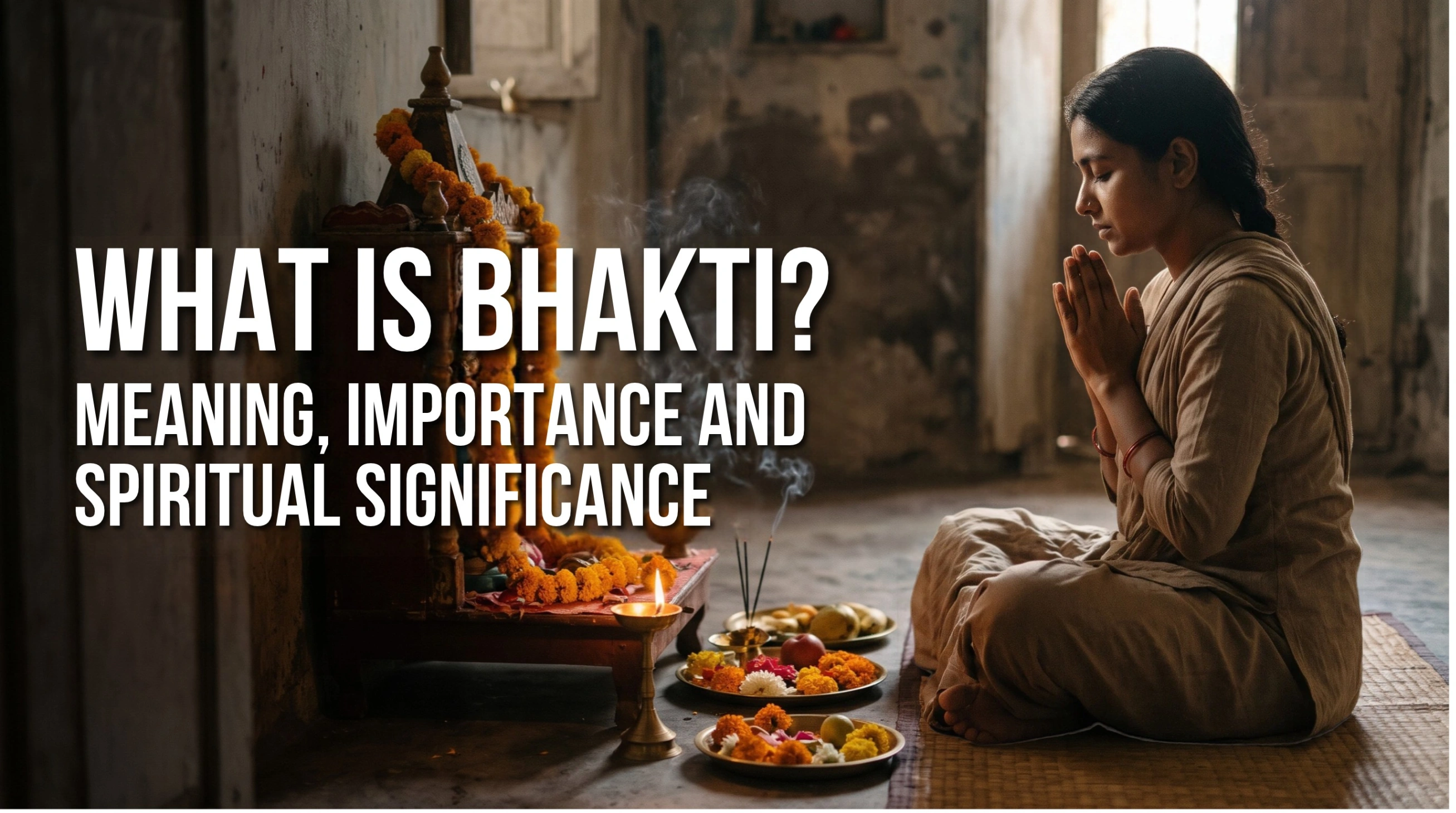
Bhakti is one of the most meaningful concepts in Hindu spirituality. It refers to devotion, love, and a sincere connection with the divine. For millions of people, Bhakti is expressed through prayer, chanting, meditation, service, and remembrance of God. However, its meaning goes beyond religious rituals. Bhakti can also be understood as cultivating sincerity, humility, trust, compassion, and love in everyday life.
But what is Bhakti, and why is it considered an important path to spiritual growth? How can a person practise Bhakti in daily life, even with a busy schedule?
In Hindu traditions, Bhakti is often described as a path through which a person develops a loving relationship with God. The Bhagavad Gita, the Bhagavata Purana, and other sacred texts discuss devotion in different ways, emphasising sincerity, dedication, and the importance of the devotee's inner attitude.
In this guide, we will explore the meaning of Bhakti, its importance, different forms of devotion, and practical ways to bring its teachings into everyday life.
What Is Bhakti?
Bhakti means devotion, love, and heartfelt dedication to God or the divine. In Hindu philosophy, it is widely recognised as a spiritual path through which a devotee seeks a deeper relationship with the divine.
The Sanskrit word Bhakti is associated with devotion and participation. In spiritual practice, it commonly refers to a relationship with God based on love, reverence, faith, and surrender.
Bhakti can take many forms. Some people express it by worshipping Lord Krishna, Lord Shiva, Goddess Durga, Lord Rama, or another form of the divine. Others practise devotion through prayer, singing devotional songs, repeating a divine name, studying sacred texts, or serving others with compassion.
The external form of devotion may differ from person to person, but sincerity is central to the practice.
Bhakti is not simply about performing rituals or asking God for favours. It can involve developing humility, remembering the divine during everyday activities, and gradually transforming the way one thinks, speaks, and behaves.
For example, a person may express Bhakti by offering a prayer each morning, treating others kindly, performing their responsibilities honestly, or remembering God during a difficult moment.
In this sense, Bhakti can become a way of living rather than an activity limited to a temple or a particular time of day.
What Is the Importance of Bhakti in Hinduism?
Bhakti holds an important place in Hindu spiritual traditions because it offers a path to spiritual growth through devotion and love.
Hindu philosophy recognises different approaches to spiritual understanding, including the paths of knowledge (Jnana Yoga), disciplined action (Karma Yoga), meditation, and devotion (Bhakti Yoga). These approaches may overlap, and different traditions explain their relationship in different ways.
Bhakti is especially meaningful because it allows people to approach spiritual life through a heartfelt relationship with the divine.
Design Your Destiny
Spiritual understanding can become more meaningful when it inspires self-awareness and conscious action. Explore Design Your Destiny by Science Divine to reflect on your thoughts, understand your patterns, and discover practical ways to bring greater awareness and purpose into everyday life. Begin your journey towards a more conscious and meaningful way of living.
Start Your Journey Today!1. It Encourages a Loving Connection with God
Bhakti encourages devotees to develop a personal and meaningful relationship with God. Through prayer, remembrance, and devotion, a person may feel a deeper sense of connection with the divine.
For many devotees, this relationship offers comfort, hope, and a sense of purpose during both joyful and difficult periods.
2. It Cultivates Humility
Sincere devotion can encourage people to recognise that they do not control every aspect of life. This understanding may help reduce arrogance and encourage a willingness to learn.
Humility does not mean considering yourself inferior to others. Instead, it means approaching life with openness, gratitude, and an awareness of your limitations.
3. It Encourages Compassion
Devotion is often associated with kindness, forgiveness, and concern for other living beings. When spiritual practice influences everyday behaviour, it can encourage a person to treat others with greater consideration.
Bhakti becomes meaningful not only through words of prayer but also through the way a person responds to the needs of others.
4. It Provides a Framework for Inner Reflection
Prayer and devotional practice can create opportunities to pause and examine one's thoughts, intentions, and actions.
A person may begin asking questions such as: Am I acting with honesty? Am I allowing anger to guide my decisions? Am I grateful for the support I receive?
Such reflection can help connect spiritual beliefs with personal growth.
5. It Encourages Trust During Difficult Times
Life includes uncertainty, disappointment, and experiences that may be difficult to understand. For many devotees, Bhakti provides a way to turn towards God during such moments.
Trust in the divine does not mean ignoring practical responsibilities. It can coexist with taking sensible action, seeking support, and accepting that some outcomes remain uncertain.
What Is Bhakti Yoga?
Bhakti Yoga is the spiritual path of devotion to God. It involves cultivating love, faith, remembrance, and dedication through different devotional practices.
The Bhagavad Gita discusses Bhakti in several places, particularly in Chapter 12, which is traditionally titled Bhakti Yoga or the Yoga of Devotion.
In this chapter, Lord Krishna describes qualities associated with a devoted person, including compassion, freedom from excessive hatred, patience, and steadiness.
The Gita also discusses devotion alongside disciplined action, wisdom, and the cultivation of a balanced mind. Bhakti is therefore not limited to a particular ritual. It can influence a person's intentions, relationships, and approach to responsibilities.
A person practising Bhakti Yoga might:
Remember God throughout the day.
Read or reflect on sacred texts.
Sing devotional songs or repeat a divine name.
Offer prayers with sincerity.
Serve others without constantly seeking recognition.
Cultivate humility, patience, and compassion.
The purpose is to deepen devotion and allow it to influence everyday life.
What Are the Nine Forms of Bhakti?
A well-known devotional teaching in Hindu tradition describes nine forms of Bhakti, often called Navadha Bhakti. These forms are particularly associated with the devotional tradition surrounding the Bhagavata Purana.
They offer different ways of expressing devotion, allowing people to connect with the divine through listening, remembrance, service, prayer, and loving dedication.
1. Shravanam — Listening to Divine Teachings
Shravanam means listening to stories, teachings, and descriptions of God. This may involve listening to the Bhagavad Gita, hearing devotional discourses, or learning about the lives of saints.
Listening with attention and reflecting on the meaning can help a person develop a deeper understanding of spiritual teachings.
Govardhan Leela Story:Why Lord Krishna Lifted Govardhan Hill
2. Kirtanam — Singing or Repeating God's Glories
Kirtanam involves singing devotional songs, chanting, or sharing the names and glories of the divine.
For many devotees, devotional singing creates an opportunity to express love, gratitude, and faith.
3. Smaranam — Remembering God
Smaranam means remembering God or keeping the divine in one's awareness.
A person may practise Smaranam through prayer, silent remembrance, or reflecting on a sacred teaching during everyday activities.
4. Padasevanam — Serving the Divine
Padasevanam is traditionally associated with serving the divine, often symbolised through service to the Lord's feet.
In devotional practice, it can include acts of worship and service performed with humility and dedication.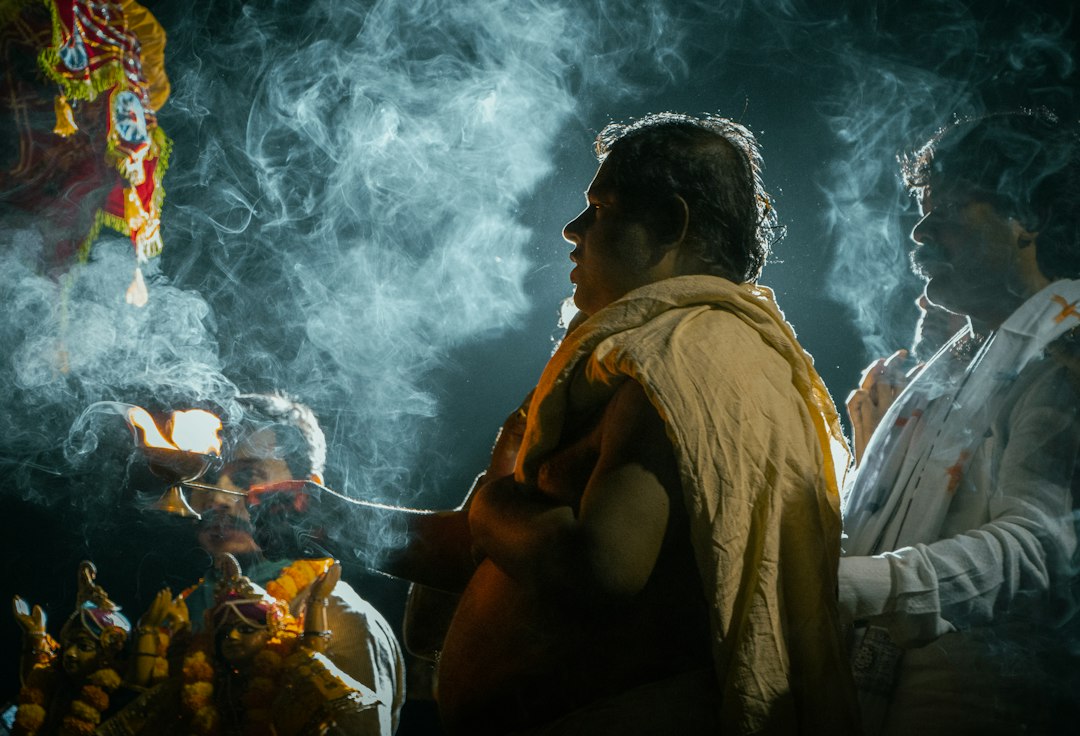
5. Archanam — Offering Worship
Archanam involves worshipping God through offerings, prayers, and devotional rituals.
This may include offering flowers, lighting a lamp, or performing puja according to one's tradition. The intention and sincerity behind the offering are important aspects of the practice.
6. Vandanam — Offering Prayers and Reverence
Vandanam means offering salutations, reverence, or prayers to the divine.
Through this form of Bhakti, devotees express gratitude, respect, and humility.
7. Dasyam — Devotion Through Service
Dasyam describes the attitude of serving God with dedication, traditionally expressed through the relationship between a devotee and the divine master.
It encourages sincerity in service and a willingness to contribute without making personal recognition the central goal.
8. Sakhyam — Developing a Relationship of Friendship
Sakhyam represents devotion through a sense of friendship with God.
A devotee may speak to God with openness, share personal concerns through prayer, and cultivate a relationship characterised by trust and closeness.
9. Atmanivedanam — Complete Self-Surrender
Atmanivedanam means offering oneself completely to the divine. It is associated with surrendering one's ego and placing one's life, intentions, and actions in God's hands.
This does not mean abandoning responsibility. Rather, it represents a deep spiritual attitude of dedication and trust.
These nine forms of Bhakti illustrate that devotion can be expressed in many ways. A person may feel drawn to one form or practise several, depending on their beliefs and spiritual tradition.
How Can You Practise Bhakti in Daily Life?
You do not need to set aside several hours every day to begin practising Bhakti. Small, consistent actions can help you develop a meaningful devotional routine.
1. Begin Your Day with Prayer
Spend a few quiet minutes in prayer after waking up. Express gratitude for a new day, remember the divine, and set an intention to act with honesty and compassion.
Your prayer can be simple and personal. What matters is approaching the practice with sincerity rather than treating it as a task to complete mechanically.
2. Read a Spiritual Text
Read a verse from the Bhagavad Gita or another sacred text that is meaningful within your tradition.
Reflect on its message and consider how it might influence your decisions. This allows devotional study to become an opportunity for self-understanding.
3. Practise Naam Japa
Naam Japa involves repeating the name of God or a sacred mantra as part of devotional practice.
Some people chant aloud, while others repeat a divine name silently. The duration and method can vary according to personal preference and tradition.
Rather than focusing only on the number of repetitions, try to bring attention and sincerity to the practice.
4. Remember God During Everyday Activities
Bhakti does not have to stop when you leave your place of worship.
You can remember God while travelling, preparing a meal, working, or spending time with your family. A brief moment of remembrance can help reconnect your attention with your spiritual intentions.
5. Serve Others with Compassion
Helping someone in need, supporting a family member, or volunteering for a community initiative can become an expression of devotion when performed with a sincere and compassionate attitude.
Service should be offered responsibly, without neglecting your own well-being or essential commitments.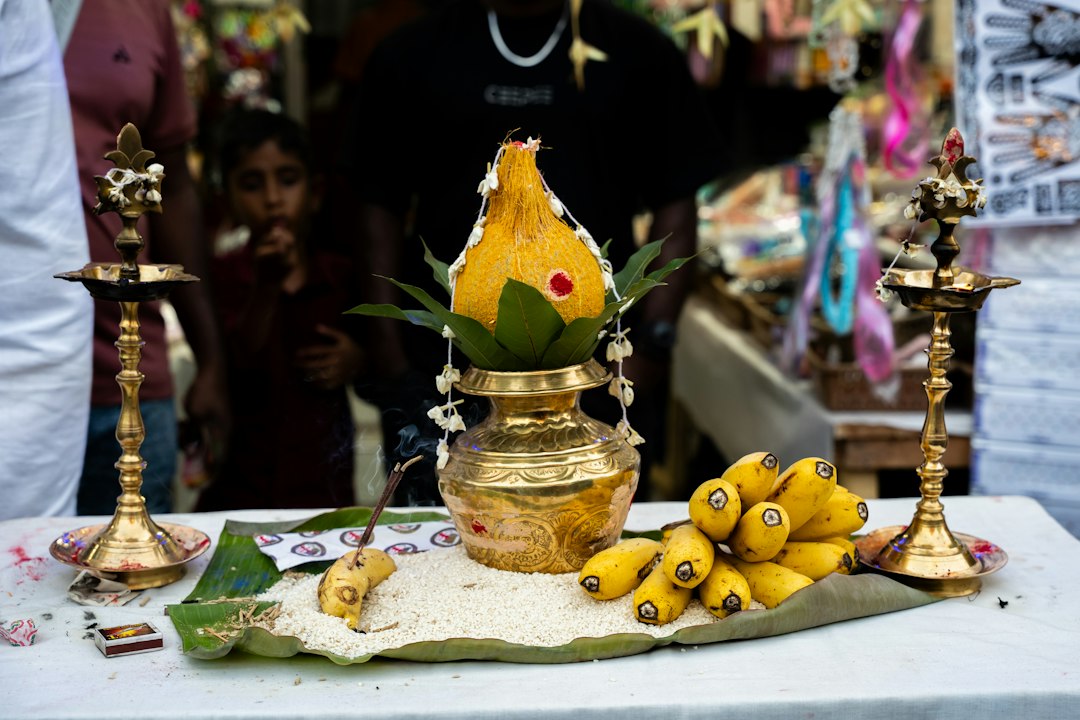
6. Practise Gratitude
Take a moment each day to recognise the people, opportunities, and experiences for which you feel grateful.
Gratitude can complement devotion by encouraging you to appreciate what you have rather than focusing exclusively on what is missing.
7. Reflect on Your Actions Before Sleeping
At the end of the day, consider whether your behaviour reflected the values you wish to cultivate.
Ask yourself whether you acted with patience, whether you treated others fairly, and whether there is something you could handle more thoughtfully tomorrow.
This reflection can help bring greater awareness into your spiritual practice.
What Is the Difference Between Bhakti and Rituals?
Rituals can be an important expression of Bhakti, but the two concepts are not identical.
Rituals may include lighting a diya, offering flowers, chanting prayers, visiting a temple, or performing puja. These practices can help devotees express reverence and establish a regular devotional routine.
Bhakti, however, refers more broadly to devotion itself: the love, faith, dedication, and relationship with the divine that may be expressed through rituals.
A ritual performed with sincerity can support Bhakti. At the same time, devotion can also be expressed through prayer, remembrance, service, and the way a person lives.
The Bhagavad Gita's devotional teachings emphasise the importance of the devotee's attitude and qualities, not merely outward appearances.
It is therefore helpful to view rituals as one possible expression of devotion rather than the only measure of a person's spiritual life.
What Are the Benefits of Bhakti?
The spiritual significance of Bhakti is understood differently across Hindu traditions. For devotees, it may deepen their relationship with God and support their journey towards spiritual fulfilment.
Regular devotional practice may also offer practical opportunities for reflection and emotional grounding.
Some commonly described benefits include:
A sense of purpose: Devotion can help people connect their daily activities with their spiritual values.
Gratitude: Prayer and remembrance can encourage appreciation for life's support and opportunities.
Humility: Devotional practice can encourage openness and reduce the desire for constant recognition.
Compassion: Reflecting on spiritual teachings may inspire kindness and service.
Self-reflection: Regular prayer or sacred reading can create time to examine one's intentions and behaviour.
A sense of connection: Devotion can help believers feel connected to God and their spiritual community.
These experiences vary from person to person. Bhakti should not be treated as a guaranteed solution to every emotional, personal, or practical difficulty.
How to Stay Happy Even When Life Is Difficult
What Does the Bhagavad Gita Say About Bhakti?
The Bhagavad Gita presents devotion as an important spiritual path and discusses it alongside knowledge, action, and self-discipline.
In Chapter 12, Lord Krishna describes qualities associated with a devoted person, including compassion, patience, and steadiness. The chapter encourages readers to reflect on the qualities that shape their relationship with the divine and with other beings.
Chapter 9 also explores devotion and the offering of actions to God. Chapter 18 discusses surrender to the divine in the broader context of the Gita's spiritual teachings.
These passages show that Bhakti is not simply an emotional feeling. In the Gita, devotion is connected with the orientation of one's life, the intention behind one's actions, and the cultivation of spiritual understanding.
Readers may interpret particular verses differently according to their philosophical tradition, so studying a reliable translation and commentary can help clarify their meaning.
Conclusion: Bhakti Is a Path of Love and Devotion
Bhakti means devotion, love, and sincere dedication to the divine. In Hindu spiritual traditions, it offers a path towards a deeper relationship with God through prayer, remembrance, worship, service, and the cultivation of spiritual qualities.
The nine forms of Bhakti demonstrate that devotion can be expressed in many ways, from listening to sacred teachings and chanting to serving others and surrendering the ego.
You can begin practising Bhakti through small daily actions: offering a sincere prayer, reading a verse from the Bhagavad Gita, remembering God, or treating others with compassion.
Ultimately, Bhakti invites you to bring your spiritual beliefs into the way you live. Its meaning becomes especially significant when devotion encourages humility, sincerity, responsibility, and love.
Personal Session
Would you like to explore your questions about inner growth, self-awareness, or your personal journey in greater depth? Consider booking a personal session with Science Divine to reflect on your experiences, gain a clearer perspective, and explore practical steps towards living with greater awareness. Take a thoughtful step towards understanding yourself and developing a more conscious approach to life.
Book Now
Read Latest Articles
How to Stop Overthinking and Anxiety: 12 Practical Ways to Calm Your Mind
Importance of Ekadashi Vrat: Meaning, Significance and Benefits
How to Stay Happy Even When Life Is Difficult
Frequently Asked Questions
Q.What is Bhakti in simple words?
Bhakti means devotion and heartfelt love for God or the divine. In Hindu traditions, it is a spiritual path expressed through prayer, worship, chanting, remembrance, service, and dedication. Bhakti is not limited to rituals; it can also influence everyday behaviour by encouraging sincerity, humility, gratitude, and compassion.Q.What is the main purpose of Bhakti?
The main purpose of Bhakti is to develop a deeper relationship with the divine through love, devotion, and dedication. In different Hindu traditions, Bhakti may be understood as a path towards spiritual liberation or union with the divine. It can also encourage humility, faith, compassion, and greater awareness of one's actions.Q.What are the nine forms of Bhakti?
The nine forms of Bhakti, known as Navadha Bhakti, are Shravanam, Kirtanam, Smaranam, Padasevanam, Archanam, Vandanam, Dasyam, Sakhyam, and Atmanivedanam. They represent different expressions of devotion, including listening to divine teachings, singing God's glories, remembering God, worship, prayer, service, friendship, and complete self-surrender.Q.What is the difference between Bhakti and Bhakti Yoga?
Bhakti refers to devotion or loving dedication to God. Bhakti Yoga is the spiritual path that cultivates and expresses this devotion through practices such as prayer, chanting, remembrance, worship, and service. The terms are closely related, although Bhakti can describe the devotional attitude itself while Bhakti Yoga describes the path of practising it.Q.How can I practise Bhakti every day?
You can practise Bhakti daily by beginning with a short prayer, reading a sacred verse, repeating a divine name, or spending a few moments remembering God. You can also express devotion through sincere work, gratitude, and compassionate service. Choose practices that fit your beliefs and routine, and approach them with sincerity.Q.Is Bhakti possible without rituals?
Yes. In Hindu traditions, rituals are one way to express Bhakti, but devotion can also be practised through prayer, remembrance, chanting, study, and service. A person may express sincere devotion through their intentions and everyday actions. The forms of practice vary across individuals and spiritual traditions.Q.What does the Bhagavad Gita teach about Bhakti?
The Bhagavad Gita presents Bhakti as an important spiritual path based on devotion to God. Chapter 12 describes qualities associated with a devoted person, including compassion, patience, and steadiness. The Gita also discusses devotion alongside disciplined action, knowledge, and surrender to the divine.