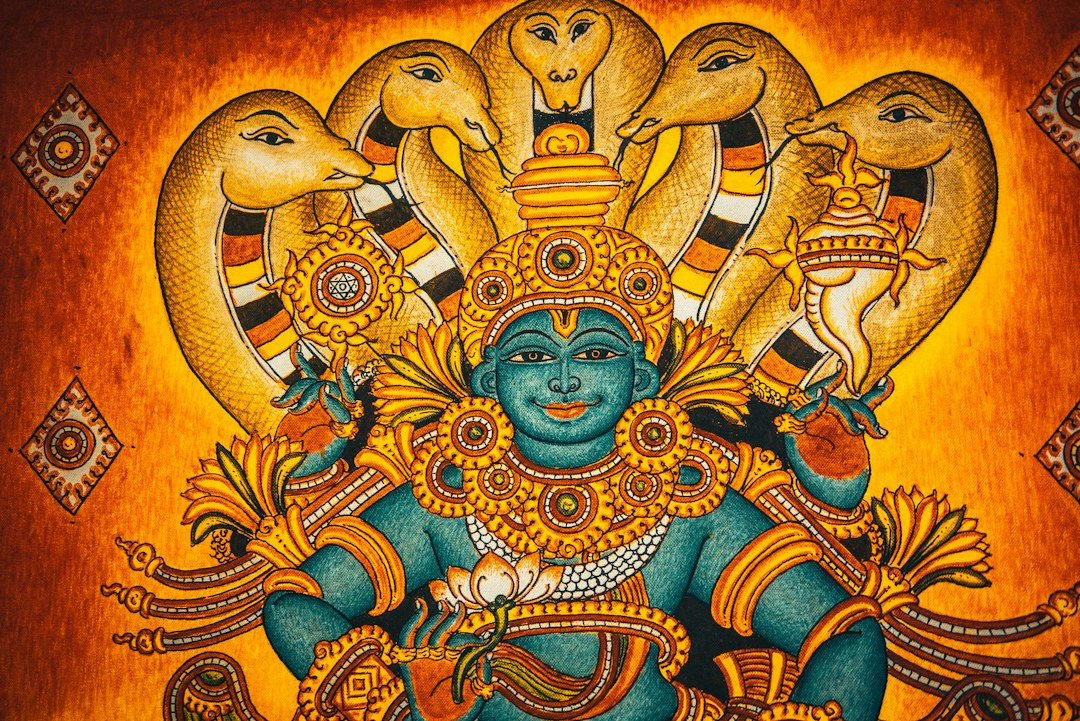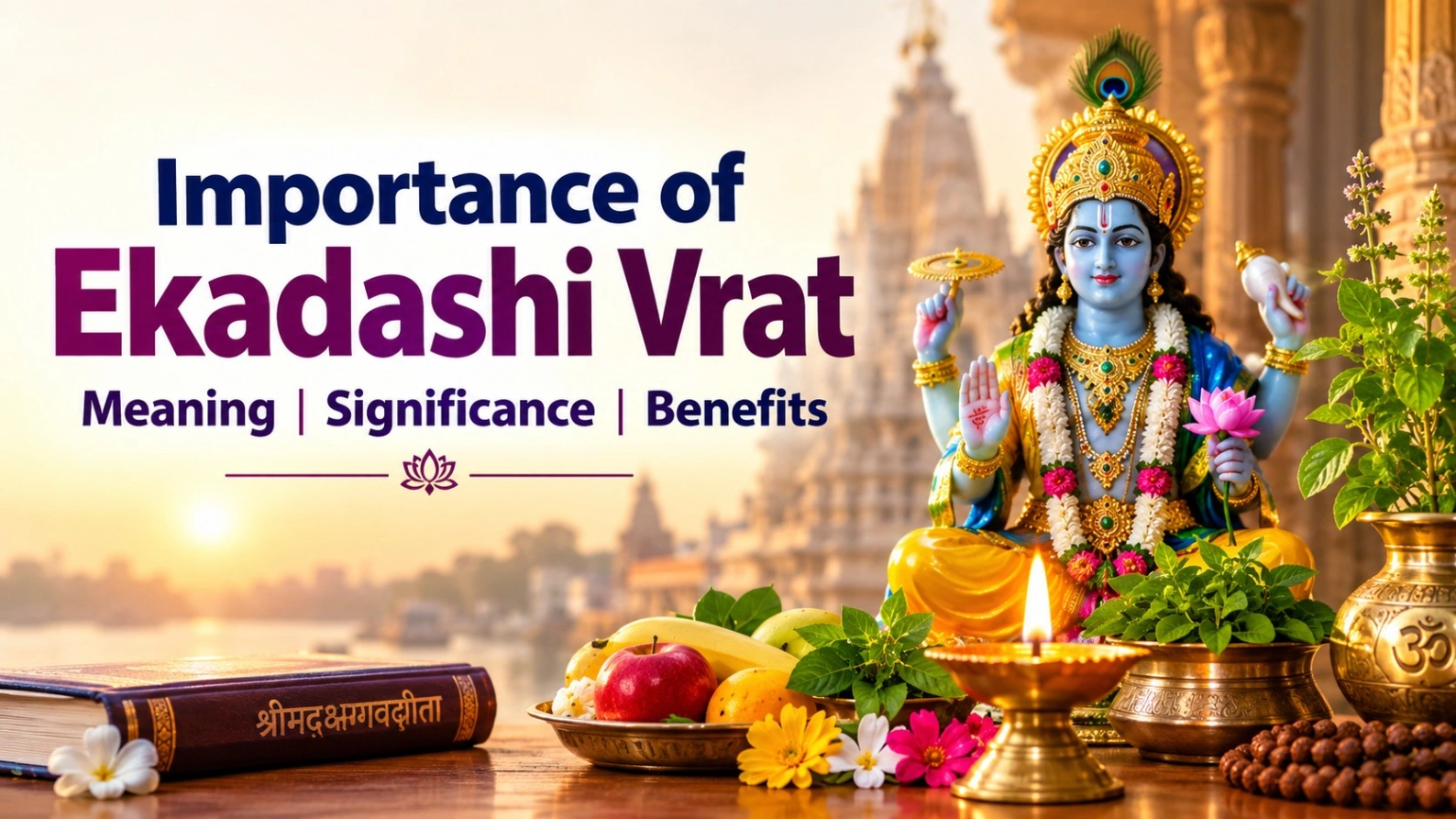
Ekadashi Vrat is one of the most respected fasting traditions in Hinduism. Observed on the eleventh lunar day of both the waxing and waning phases of the Moon, Ekadashi holds a special place in the spiritual lives of millions of devotees. The day is particularly associated with Lord Vishnu, who is worshipped as the preserver and protector of the universe.
The importance of Ekadashi Vrat goes beyond abstaining from food. For many devotees, it is an opportunity to practise self-discipline, strengthen faith, reflect on personal actions, and devote more time to prayer and spiritual growth. Through fasting, meditation, chanting, charity, and acts of kindness, people seek to create a deeper connection with their spiritual beliefs.
But why is Ekadashi considered sacred? What is its significance in Hinduism, and how do devotees traditionally observe this day?
Understanding the meaning and traditions of Ekadashi Vrat helps us appreciate how an ancient religious practice can encourage mindfulness, compassion, and a more intentional way of living.
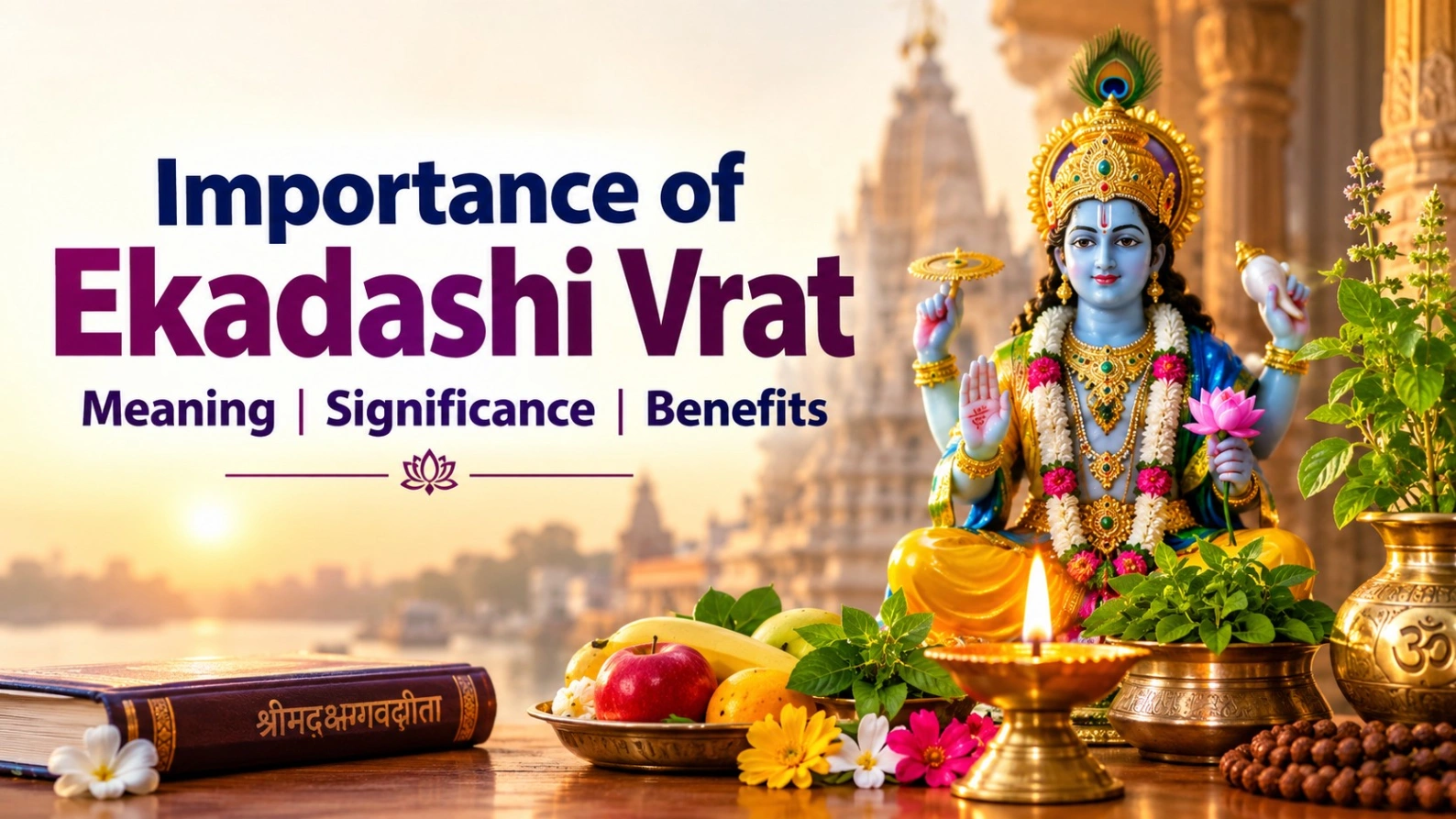
What Is Ekadashi Vrat?
The word Ekadashi comes from Sanskrit, where it means “eleventh.” It refers to the eleventh lunar day, known as a tithi, in each half of the lunar month. The waxing phase is called Shukla Paksha, while the waning phase is called Krishna Paksha.
Consequently, Ekadashi generally occurs twice in a lunar month, although the exact dates depend on the Hindu lunar calendar and local calendar conventions.
The word Vrat refers to a religious vow or disciplined observance. Ekadashi Vrat commonly involves fasting or following specific dietary restrictions, worshipping Lord Vishnu, reciting prayers, and practising self-control.
Different Hindu communities follow different customs. Some devotees observe a complete fast, while others consume fruits, milk, water, or foods permitted by their tradition. Some focus on prayer and meditation rather than strict dietary restrictions.
The central idea is to set aside ordinary distractions and dedicate the day to devotion, reflection, and spiritual discipline.Importance of Ekadashi Vrat in Hinduism
The importance of Ekadashi Vrat is rooted in its association with devotion to Lord Vishnu and the belief that spiritual discipline can help purify the mind and strengthen one's relationship with the divine.
Design Your Destiny
Ekadashi reminds us that meaningful change begins with awareness, discipline, and sincere intention. Discover how spiritual wisdom can inspire more conscious choices and a purposeful life.
Start Your Journey Today!1. Deepening devotion to Lord Vishnu
Ekadashi is especially sacred to devotees of Lord Vishnu. In Hindu tradition, Vishnu represents the preservation and protection of the universe and the maintenance of dharma, or righteous living.
On Ekadashi, devotees may worship Vishnu, offer flowers, light a diya, chant sacred names, and read religious texts. Many recite the Vishnu Sahasranama or the Hare Krishna mantra according to their personal tradition.
These practices allow devotees to pause their everyday routines and give greater attention to their spiritual lives.
For believers, observing Ekadashi Vrat is a way to express gratitude, surrender, faith, and reverence towards the divine.
2. Practising self-discipline and self-control
One of the central teachings associated with Ekadashi is the importance of controlling desires and developing discipline.
Food, entertainment, distractions, and habitual routines often occupy much of daily life. A religious fast creates an opportunity to become more conscious of these habits and practise restraint.
Rather than treating fasting only as a physical challenge, devotees can use the day to observe their thoughts, reactions, and behaviour.
For example, someone observing Ekadashi might avoid unnecessary arguments, reduce time spent on social media, speak thoughtfully, and dedicate time to prayer or reading.
These actions reflect the broader spiritual purpose of the Vrat: cultivating discipline that extends beyond a single day.
3. Encouraging inner reflection and spiritual growth
Ekadashi provides an opportunity to reflect on personal choices, intentions, and relationships.
In spiritual practice, growth is not measured only by rituals performed but also by the awareness and sincerity with which a person lives.
Devotees may use the day to consider questions such as: Am I acting with kindness? Am I allowing anger or pride to control my decisions? Am I treating other people fairly?
Such reflection can encourage people to recognise unhelpful habits and make conscious efforts to improve their behaviour.
In this way, Ekadashi becomes a reminder that spiritual development involves both devotion and personal responsibility.
4. Strengthening faith and religious traditions
Religious observances help families and communities preserve their cultural and spiritual heritage.
Many families prepare for Ekadashi by learning about the day's significance, listening to vrat kathas, visiting temples, or participating in devotional activities together.
These shared practices pass traditions from one generation to the next. They also create opportunities for younger family members to understand the values behind religious observances rather than following rituals without knowing their meaning.
Although customs vary across regions and communities, the emphasis on devotion, discipline, and remembrance remains important to many practitioners.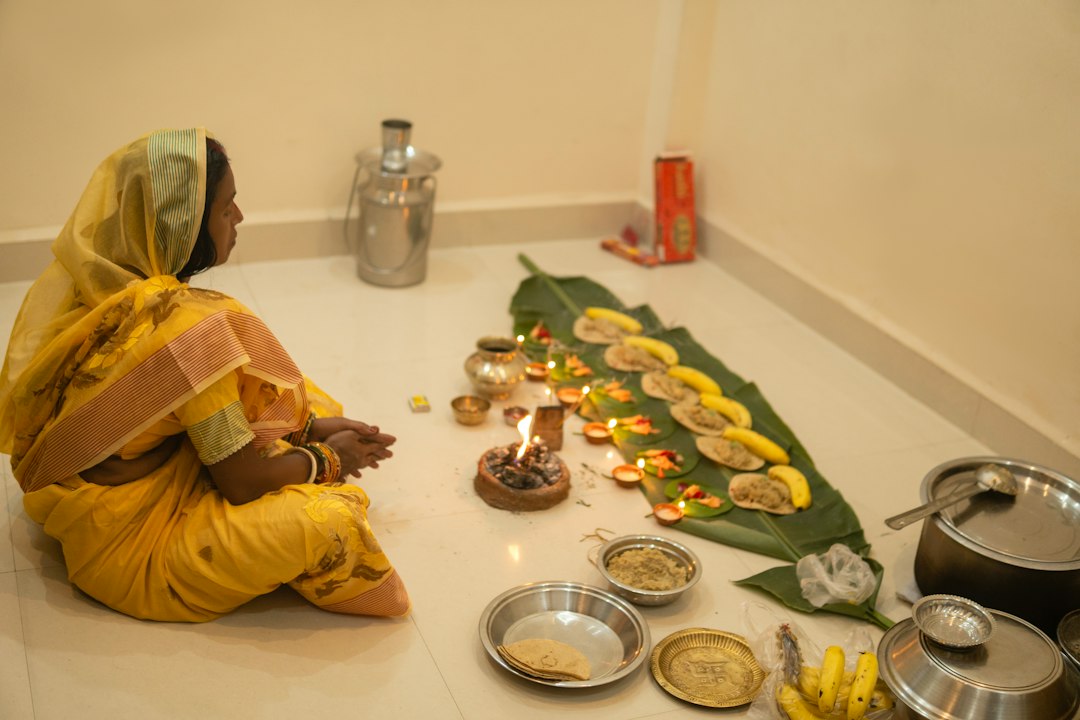
5. Promoting compassion and charitable action
Charity and service are meaningful parts of religious life. On Ekadashi, some devotees donate food, clothes, or other necessities to people in need. Others help elderly people, support community kitchens, or offer assistance to neighbours.
Such actions connect spiritual belief with everyday conduct.
A fast or prayer can become more meaningful when accompanied by compassion towards others. Feeding someone who is hungry, helping a person who needs support, or speaking kindly to someone experiencing difficulty can express the values that religious observance seeks to cultivate.
The importance of Ekadashi Vrat therefore extends beyond individual worship. It can also inspire generosity and a stronger sense of social responsibility.
How to Stay Calm in Stressful Situations:12 Simple Technique
Spiritual Benefits of Ekadashi Vrat
Devotees traditionally associate Ekadashi fasting with several spiritual benefits. These are religious beliefs and personal experiences rather than guaranteed outcomes.
Purification of thoughts and intentions
In Hindu spiritual traditions, fasting and prayer are often understood as ways to purify one's intentions and become more mindful of one's actions.
By reducing distractions and spending time in reflection, devotees may find it easier to focus on gratitude, forgiveness, and personal growth.
Greater mindfulness
Observing a Vrat can encourage awareness of everyday habits. People may become more attentive to their words, choices, and interactions with others.
Prayer, mantra chanting, and quiet reflection can also provide structured time away from routine demands.
A deeper connection with the divine
For believers, repeating sacred names, reading scriptures, and performing puja can strengthen their relationship with Lord Vishnu.
The value of these activities often lies in sincere participation rather than the number of rituals performed.
Developing patience and gratitude
A disciplined religious observance can remind devotees to appreciate everyday necessities and practise patience.
This reflection may encourage greater gratitude for food, family, health, shelter, and the support received from others.
The spiritual benefits of Ekadashi Vrat depend on an individual's beliefs, intentions, and approach to the practice. Fasting should not be viewed as a guarantee of material success or a substitute for ethical living.
Religious Stories and the Significance of Ekadashi
Traditional Hindu narratives help explain why Ekadashi is considered sacred.
One well-known account appears in the Padma Purana tradition. It describes the divine manifestation of Ekadashi and the association of the observance with Lord Vishnu. Different versions of Ekadashi Mahatmya narrate the merits of devotion, fasting, and sincere remembrance of the divine.
Another widely known story concerns King Ambarisha, a devoted follower of Lord Vishnu. His observance of Ekadashi and commitment to his religious duties are remembered in Hindu tradition as examples of faith, patience, and dedication.
Such stories are primarily religious narratives that communicate spiritual and ethical lessons. Their purpose is not simply to prescribe fasting but to encourage devotion, humility, and commitment to dharma.
Reading or listening to Ekadashi vrat katha is therefore an important part of the observance for many families.
Ekadashi Vrat Rules and Traditional Practices
The specific rules of Ekadashi Vrat vary by region, family tradition, and personal circumstances. Devotees commonly follow some of the practices below.
1. Prepare with a clear intention
Many people begin by deciding how they will observe the fast and what spiritual purpose they wish to focus on. This may involve prayer, gratitude, self-discipline, or a commitment to kindness.
2. Follow an appropriate fasting method
Some devotees observe a strict fast, while others follow a partial fast or eat permitted foods such as fruit and selected fasting preparations.
Dietary customs differ, but grains and pulses are commonly avoided by many Hindu traditions on Ekadashi. Individual practices should follow the relevant family's or community's guidance.
Strict fasting is not suitable for everyone. Children, pregnant or breastfeeding people, individuals with medical conditions, and those who need regular meals or medication should prioritise their health and seek appropriate medical advice before making dietary changes.
3. Worship Lord Vishnu
Devotees may offer flowers, tulsi leaves where appropriate, fruits, or other traditional offerings. They may also light a lamp, recite prayers, or visit a Vishnu temple.
The particular offerings and rituals depend on local customs and the form of worship followed.
4. Practise prayer, meditation, and scripture reading
Many devotees spend time chanting mantras, reading the Bhagavad Gita, listening to religious discourses, or meditating.
Even a short period of quiet reflection can help make the day more intentional.
5. Practise kindness and avoid harmful behaviour
Alongside dietary observance, many people aim to avoid anger, dishonesty, gossip, and unnecessary conflict.
Helping others and maintaining respectful conduct can bring the ethical meaning of the Vrat into everyday life.
6. Complete the fast according to tradition
Many devotees conclude Ekadashi observance with Parana, the breaking of the fast on Dwadashi, the following lunar day. The appropriate time depends on the date, local calendar, and traditional rules.
People following a strict religious schedule may consult a reliable local Panchang or temple for the correct Parana time.
Tulsi Plant Religious Significance: Hindu Traditions, Beliefs and Cultural Importance
Why Is Ekadashi Observed Twice a Month?
Ekadashi is connected to the lunar calendar rather than a fixed date in the Gregorian calendar.
Each lunar month contains a waxing phase, Shukla Paksha, and a waning phase, Krishna Paksha. The eleventh lunar day in each phase is observed as Ekadashi.
Although both observances are sacred, individual Ekadashis have different names and may carry distinct stories, rituals, and regional traditions.
Examples include Nirjala Ekadashi, Devshayani Ekadashi, and Devutthana Ekadashi. The customs and religious significance associated with each can vary.
This recurring observance gives devotees regular opportunities to renew their spiritual commitments throughout the year.
How to Make Ekadashi Vrat More Meaningful
The deeper value of Ekadashi lies in approaching it with understanding rather than treating it as a ritual performed out of habit.
Begin by learning the significance of the particular Ekadashi being observed. Choose a fasting method that is appropriate for your circumstances, and spend time in prayer, scripture reading, or quiet reflection.
Try to practise one meaningful act of kindness. This might involve helping a family member, donating according to your means, or offering support to someone who feels isolated.
It can also be helpful to reflect on a personal habit you would like to improve. Use the day as an opportunity to practise patience, honesty, gratitude, or forgiveness.
Remember that the purpose of religious discipline is not to compete with others or judge their devotion. Different people follow different practices, and sincere worship does not need to look identical in every household.
Above all, approach the observance with humility, consistency, and respect for your own well-being.
The importance of Ekadashi Vrat lies in its combination of devotion, discipline, reflection, and compassion. For devotees of Lord Vishnu, it is a sacred opportunity to express faith and remember the divine. For many practitioners, it is also a regular reminder to become more mindful, patient, and responsible in everyday life.
Through prayer, fasting according to one's circumstances, charitable action, and the study of spiritual teachings, Ekadashi can become more than a calendar observance. It can serve as an invitation to examine one's intentions and bring spiritual values into daily decisions.
Ultimately, the meaning of Ekadashi Vrat is not limited to avoiding particular foods. Its deeper significance lies in the spirit with which it is observed and the values that devotees seek to practise beyond the sacred day.
At Science Divine Foundation, explore more ways to connect spiritual wisdom with conscious living, self-understanding, and personal growth.
Personal Session
Every spiritual journey is personal. If you want to explore your questions, reflect on your life choices, or understand how spiritual principles relate to your everyday experiences, a personal session can offer dedicated time for reflection and guidance. Book a Personal Session with Science Divine Foundation and take a thoughtful step towards greater self-understanding and purposeful living.
Book Now
Read Latest Articles