
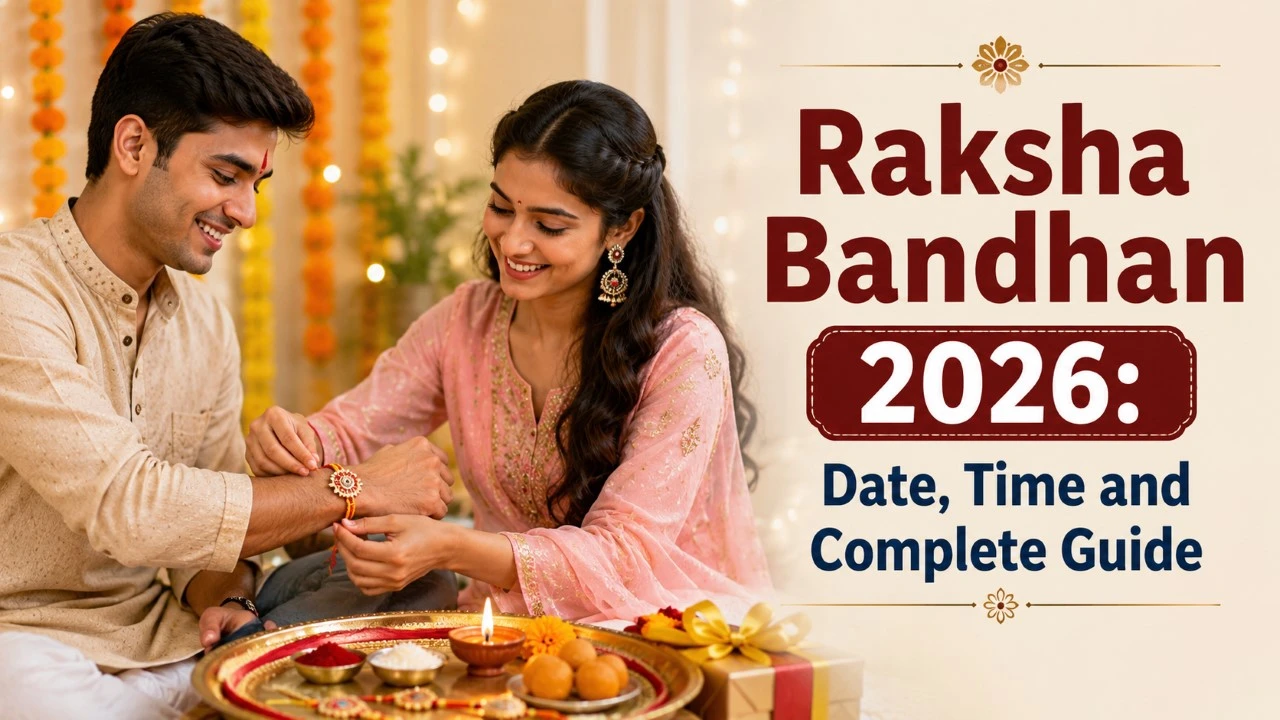
Raksha Bandhan is one of India’s most cherished festivals, celebrating the sacred relationship between siblings. On this day, sisters traditionally tie a Rakhi around their brothers’ wrists, offer prayers for their well-being and receive blessings, affection or gifts in return.
As the festival approaches, the most commonly searched question is: When is Raksha Bandhan 2026?
In 2026, Raksha Bandhan will be celebrated in India on Friday, August 28, 2026. The festival falls on Shravana Purnima, the full-moon day of the Hindu month of Shravana. The Purnima Tithi begins on the morning of August 27 and continues until the morning of August 28, which is why some calendars may initially create confusion between the two dates.
This complete guide explains the Raksha Bandhan 2026 date and time, Rakhi tying muhurat, Purnima Tithi, Bhadra details, puja samagri, Rakhi puja vidhi and the deeper spiritual significance of the festival.
Raksha Bandhan 2026 Date and Day
Raksha Bandhan 2026 will be observed on Friday, August 28, 2026.
Here are the important details for New Delhi:
Raksha Bandhan detail | Date and time |
|---|---|
Raksha Bandhan date | Friday, August 28, 2026 |
Purnima Tithi begins | 9:08 AM on August 27, 2026 |
Purnima Tithi ends | 9:48 AM on August 28, 2026 |
Rakhi tying time in New Delhi | 5:57 AM to 9:48 AM |
Total morning ceremony window | 3 hours and 51 minutes |
Bhadra status | Ends before sunrise |
These timings are calculated for New Delhi. Sunrise and other Panchang timings differ by geographical location, so devotees living in other cities should consult a Panchang calculated for their city before finalizing the ceremony time.
Design Your Destiny
Festivals remind us that our relationships and inner choices shape our lives. Take the next step towards greater clarity, emotional balance and purposeful living with the Design Your Destiny program. Discover practical spiritual wisdom that can help you transform your thoughts, relationships and direction in life.
Start Your Journey Today!Is Raksha Bandhan on August 27 or August 28 in 2026?
Raksha Bandhan will be celebrated on August 28, 2026, not August 27.
The confusion arises because the Purnima Tithi begins at approximately 9:08 AM on August 27. However, it continues until 9:48 AM on August 28. The appropriate festival observance and available Rakhi ceremony period fall on the morning of August 28.
Therefore, families searching for the Raksha Bandhan 2026 exact date or asking, “What is the date of Raksha Bandhan 2026?” should mark Friday, August 28, 2026, on their calendars.
Raksha Bandhan Shubh Muhurat 2026
For New Delhi, the Raksha Bandhan thread ceremony time is:
5:57 AM to 9:48 AM on Friday, August 28, 2026
The full available duration is approximately 3 hours and 51 minutes. Bhadra ends before sunrise, so it does not interfere with the available morning Rakhi tying time in New Delhi.
The exact sunrise and muhurat may be slightly different in Mumbai, Kolkata, Bengaluru, Chennai, Jaipur, Lucknow or other locations. Always check a location-specific Panchang instead of assuming that one city’s timing applies throughout India.
What Is Bhadra on Raksha Bandhan?
Bhadra, also known as Vishti Karana, is traditionally considered unsuitable for auspicious ceremonies. Religious Panchang guidance generally recommends avoiding the Rakhi ceremony during Bhadra and waiting until it has ended.
In 2026, Bhadra ends before sunrise on August 28 in New Delhi. Therefore, the available morning Rakhi ceremony window begins without a Bhadra-related delay.
This makes the Rakhi tying time 2026 relatively straightforward for families observing the festival in New Delhi.
What Is Raksha Bandhan?
The words “Raksha Bandhan” may be understood as a bond of protection. “Raksha” means protection, while “Bandhan” refers to a bond or connection.
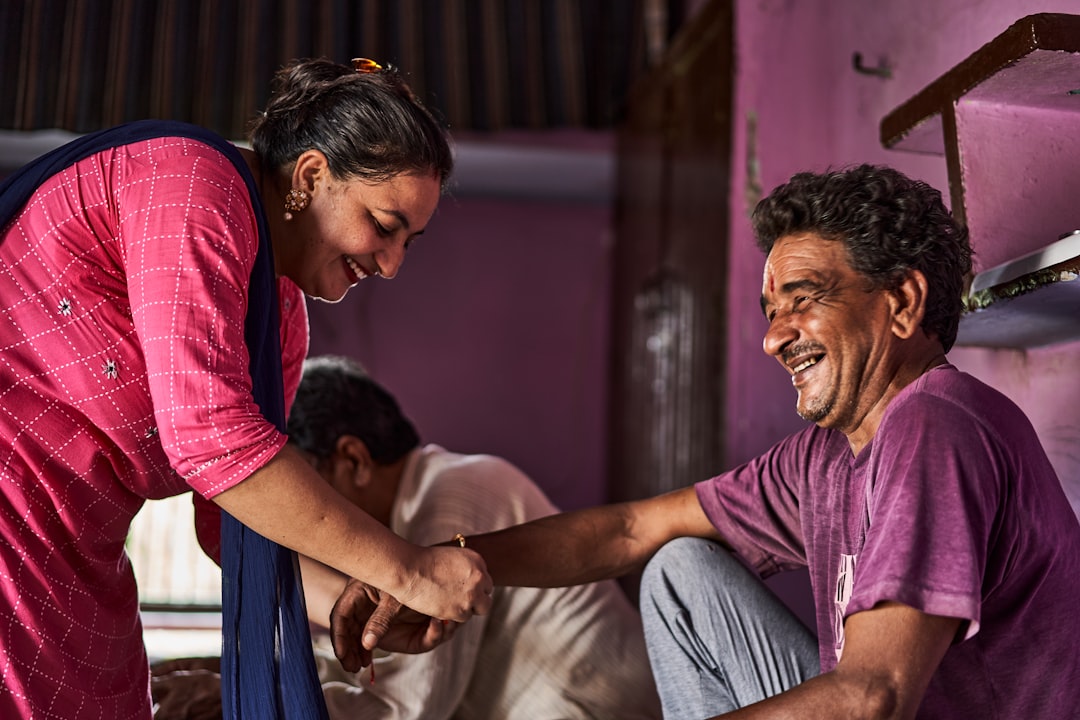
Traditionally, a sister ties a sacred thread known as Rakhi on her brother’s wrist. She applies tilak, offers sweets and prays for his health, happiness and prosperity. The brother, in return, expresses his commitment to care for, respect and support his sister.
However, the meaning of the festival is wider than a one-sided promise of protection. It also represents:
Mutual love and responsibility
Emotional support between siblings
Gratitude for family relationships
Respect and trust
A commitment to stand by one another
Prayer for happiness and well-being
Raksha Bandhan is observed on the full moon of the Hindu month of Shravana and is widely associated with the relationship between brothers, sisters and families.
Om Namah Shivaya Chanting Benefits for Peace and Positivity
Spiritual Significance of Raksha Bandhan
The Rakhi is more than a decorative thread. Spiritually, it can be seen as a reminder of purity, responsibility and protection from negative tendencies.
The ceremony encourages both siblings to rise above arguments, ego and past misunderstandings. It provides an opportunity to renew their relationship through forgiveness, gratitude and unconditional affection.
From a deeper spiritual perspective, protection does not only mean protection from external danger. It can also mean protecting one another from:
Negative thinking
Anger and resentment
Harmful habits
Loneliness and emotional distress
Ego-driven conflict
Loss of spiritual values
The festival therefore celebrates both an outer relationship and an inner commitment. The sacred thread becomes a symbol of conscious living, mutual respect and the promise to support one another through life’s changing circumstances.
Raksha Bandhan Puja Samagri
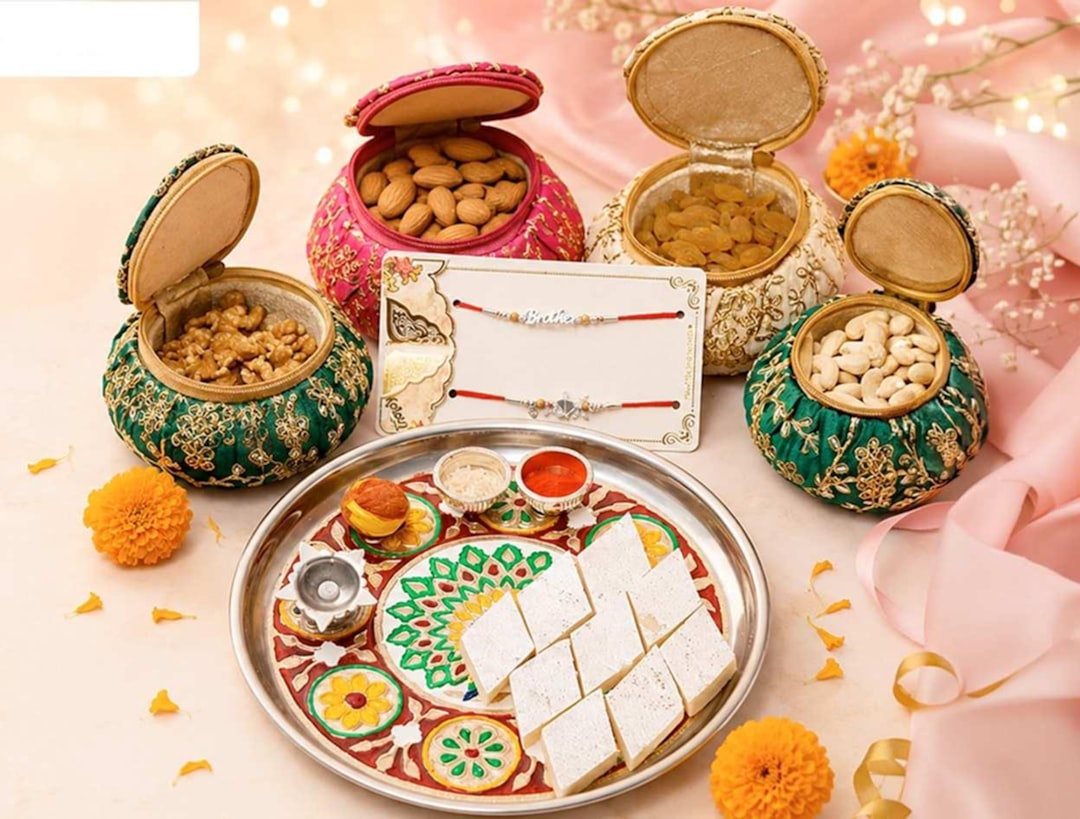
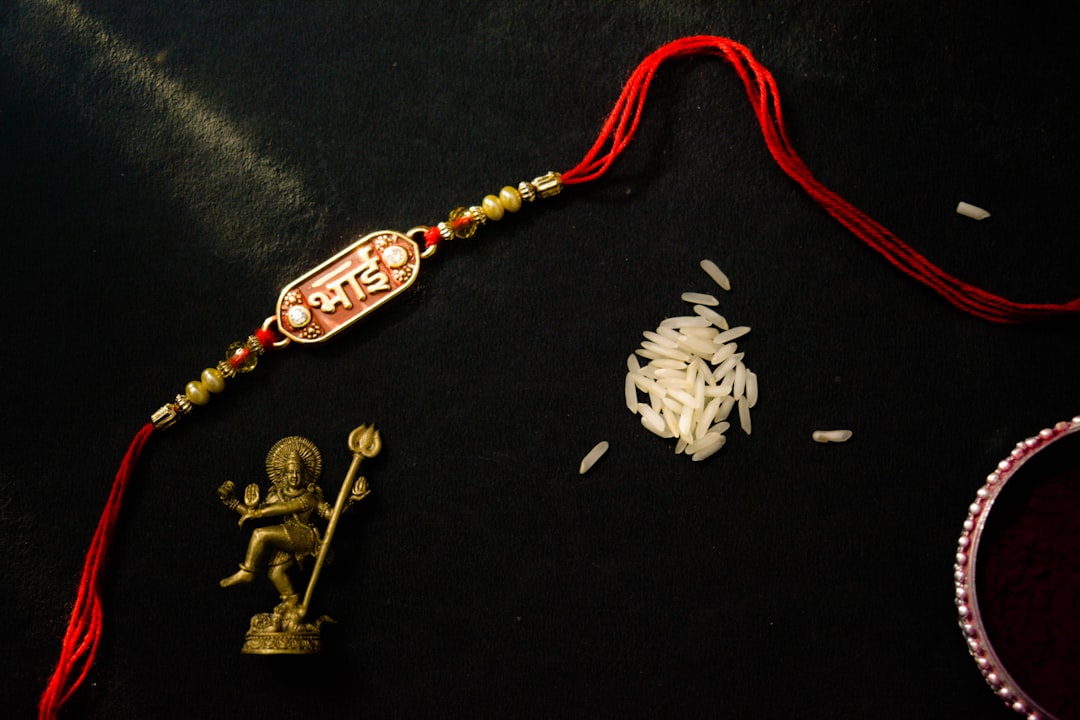
Prepare the Rakhi puja thali before beginning the ceremony. Common Raksha Bandhan puja samagri includes:
A clean puja thali
Rakhi or Raksha Sutra
Roli or kumkum
Akshat or unbroken rice
Diya
Ghee or oil for the diya
Sweets
Coconut
A small Kalash or container of clean water
Incense sticks
Flowers
A small cloth or handkerchief
Gift or token of affection
Traditional Rakhi thalis commonly include roli, Akshat, Rakhi, sweets, coconut and a small Kalash. Family traditions may differ, so devotees may add other items according to their regional or household customs.
Raksha Bandhan Puja Vidhi 2026
The following is a simple household Rakhi puja vidhi that families can follow.
1. Clean and prepare the puja area
Clean the home and select a peaceful place for the ceremony. Arrange the puja thali with Rakhi, roli, rice, sweets, diya and other required items.
2. Take a bath and wear clean clothes
Family members should bathe and wear clean or traditional clothes before the ceremony. A calm and positive environment helps everyone participate with attention and devotion.
3. Remember the Divine
Light the diya and incense. Offer a short prayer to your chosen deity and seek blessings for peace, protection and harmony within the family.
4. Seat the brother comfortably
The brother may sit facing east or north according to the family’s tradition. The sister places the puja thali in front of him and begins the ceremony.
5. Apply tilak and Akshat
Apply roli or kumkum tilak to the brother’s forehead. Place a few grains of unbroken rice over the tilak as a symbol of auspiciousness and completeness.
6. Perform aarti
Perform aarti with the lit diya while praying for the brother’s health, wisdom, happiness and spiritual progress.
7. Tie the Rakhi
Tie the Rakhi on the brother’s wrist while offering a heartfelt prayer. Traditional guidance associates the ceremony with the worship and tying of the protective sacred thread.
8. Offer sweets
After tying the Rakhi, offer sweets to the brother. He may also offer sweets to his sister.
9. Exchange blessings and gifts
The brother gives a gift or token of affection and expresses his commitment to support and respect his sister. Both siblings should seek blessings from their parents and elders.
10. Share a family meal
Complete the celebration by spending time together and sharing a festive meal. The true value of Raksha Bandhan lies in strengthening the relationship, not in the monetary value of gifts.
Kanwar Yatra Gangajal Significance: Story, Ritual and Belief
Raksha Bandhan Mantra
While tying the sacred thread, devotees may recite the traditional Raksha Mantra:
Yena baddho Bali Raja, Danavendro Mahabalah
Tena tvam abhibadhnami, Rakshe ma chala ma chala
The prayer asks the sacred thread to remain firm and provide protection, recalling the protective thread associated with the powerful King Bali.
Families who are not familiar with the mantra may simply offer a sincere prayer in their own language. Devotion and positive intention are more important than performing the ceremony mechanically.
How to Celebrate Raksha Bandhan Meaningfully
Raksha Bandhan can become more meaningful when families move beyond gifts and photographs.
Siblings can use the occasion to express gratitude, resolve old disagreements and make practical promises of support. A brother may promise to respect his sister’s choices and stand beside her during difficult situations. A sister may promise to offer honest guidance, emotional support and prayers for his well-being.
Siblings who live in different cities or countries can celebrate through a video call, send Rakhi in advance or perform a symbolic prayer at the same time. The emotional intention behind the festival remains meaningful even when physical distance prevents an in-person ceremony.
Raksha Bandhan can also be celebrated with cousins, close family friends or anyone with whom one shares a sincere sibling-like bond.
Important Raksha Bandhan Dos and Don’ts
Dos
Confirm the Rakhi time using your local Panchang.
Prepare the puja samagri in advance.
Keep the ceremony peaceful and respectful.
Offer sincere prayers rather than rushing through the ritual.
Use the occasion to express gratitude and affection.
Respect regional and family traditions.
Don’ts
Do not rely on timings calculated for another city.
Avoid performing the ceremony during Bhadra when it applies.
Do not turn the festival into a comparison of expensive gifts.
Avoid arguments and unresolved resentment during the celebration.
Do not make the ritual feel like a financial obligation.
Raksha Bandhan 2026 will be celebrated on Friday, August 28, 2026. For New Delhi, the Purnima Tithi begins at 9:08 AM on August 27 and ends at 9:48 AM on August 28. The available morning Rakhi tying time is 5:57 AM to 9:48 AM, while Bhadra ends before sunrise.
Although the date and shubh muhurat are important, the real meaning of Raksha Bandhan lies in love, responsibility, trust and mutual protection. When observed with awareness, the sacred thread becomes a reminder to protect relationships from ego, anger and misunderstanding.
Personal Session
Are you facing confusion, emotional stress, relationship challenges or uncertainty about your life’s direction? A personal session can help you understand your inner patterns and receive guidance suited to your individual journey.
Book Now