

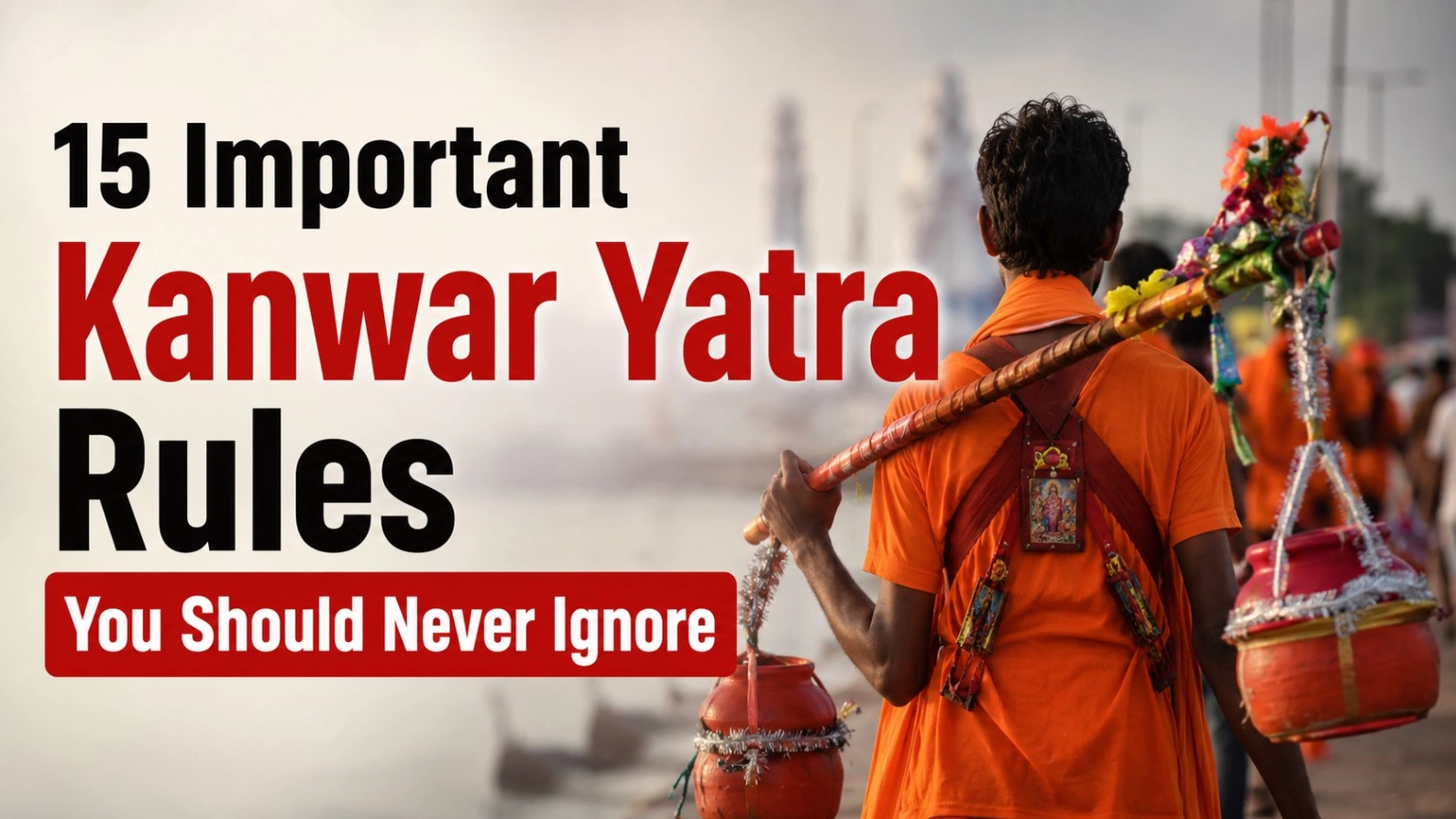
Kanwar Yatra is a devotional journey associated with Lord Shiva. During Shravan, Kanwariyas collect Gangajal from sacred places such as Haridwar, Gaumukh and Gangotri, carry it in a Kanwar and offer it through Jalabhishek. The Haridwar district administration describes it as an annual pilgrimage of Shiva devotees bringing holy water from the Ganga.
For 2026, the main Kanwar Yatra period is widely listed from 30 July to 11 August, ending around Shravan Shivratri. Understanding the commonly followed Kanwar Yatra rules helps first-time devotees preserve spiritual discipline and travel safely.
Some Kawad Yatra rules are regional customs rather than one universal code. Confirm strict ritual requirements with your group leader, priest or guru.
Why Are Kanwar Yatra Rules Important?
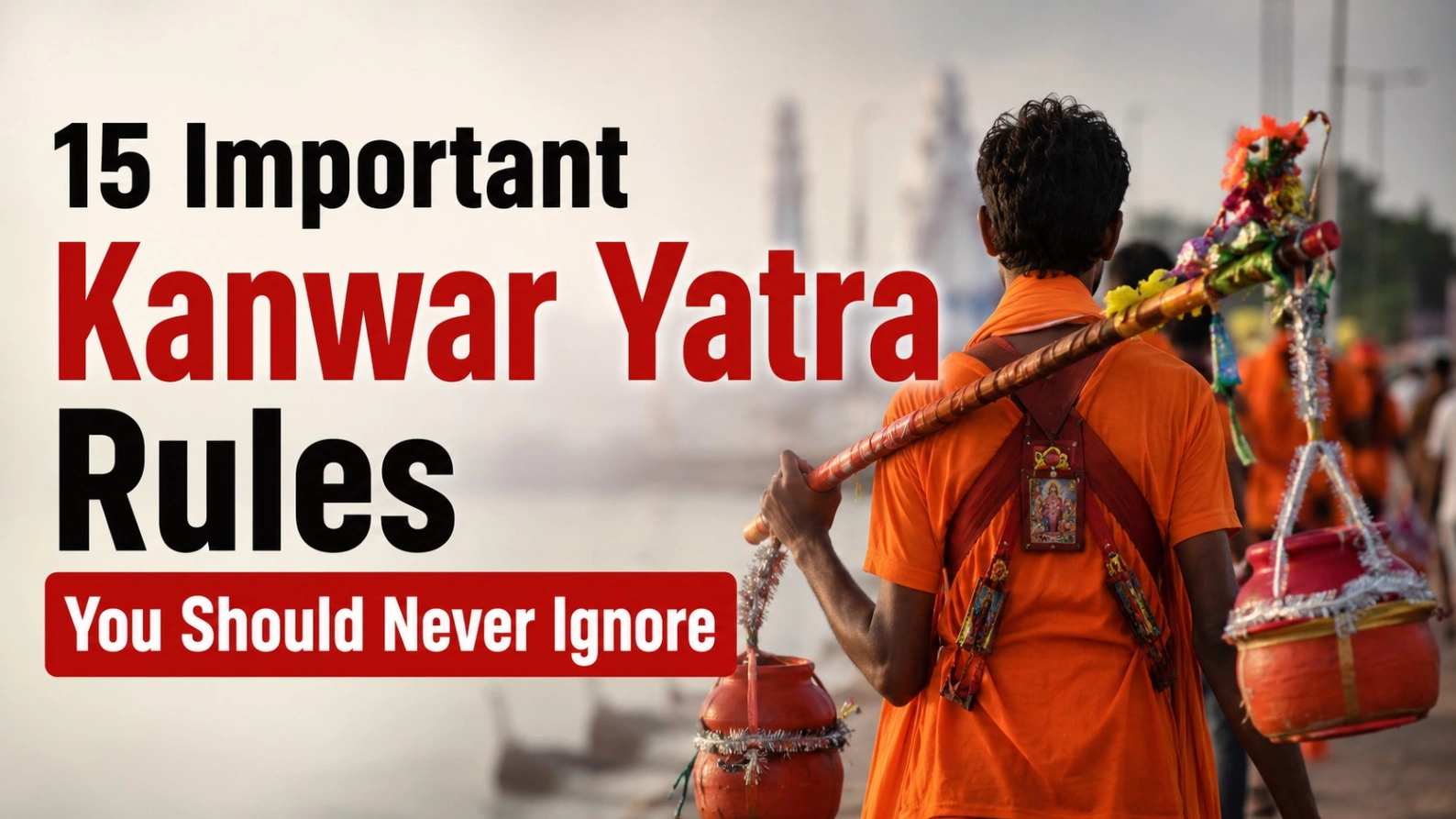
Kanwar Yatra is a discipline of devotion, purity and self-control. Its rules help devotees honour their sankalp, protect Gangajal and avoid disturbing others. Kanwar Yatra ke niyam combine reverence, personal discipline and public safety.
Design Your Destiny
Your outer journey becomes transformative when it is guided by inner awareness. Join Design Your Destiny to understand the patterns shaping your choices, strengthen self-discipline and create a more conscious direction for your life. Begin moving from reaction to clarity, from confusion to understanding and from unconscious patterns to purposeful living. Start designing the life you truly wish to experience.
Start Your Journey Today!Here are 15 important Kanwar Yatra rules every devotee should follow.
1. Begin the Yatra with a Clear Sankalp
Begin with a sincere sankalp or spiritual resolve. Decide where you will collect Gangajal, which Shiva temple you will visit, how you will travel and what disciplines you will observe.
Consider your health, distance, available time and responsibilities before committing to the journey. A sankalp should come from devotion rather than social pressure.
Kanwar Yatra rules for first-time devotees should ideally include travelling with an experienced group. Experienced Kanwariyas can guide beginners regarding rest stops, Kanwar handling, temple customs and emergency procedures.
2. Prepare Your Body and Route in Advance
Prepare for long-distance walking in humid monsoon weather. Walk regularly beforehand, sleep well and pack only essential items.
Study the approved route, Kanwar camps, medical facilities, weather forecast and traffic arrangements. Current 2026 advisories in Delhi-NCR, Meerut and adjoining areas include route changes and traffic restrictions for managing pilgrim and vehicle movement.
Do not assume that a familiar road will remain open throughout the Yatra. Check official district administration and traffic-police updates before travelling.
3. Collect Gangajal with Cleanliness and Reverence
Gangajal is at the spiritual centre of Kanwar Yatra rituals. Use clean and properly covered containers. Avoid touching the inside of the vessel, mixing other substances into the water or leaving the container exposed.
Collect Gangajal only from a safe and permitted place. Never enter strong currents, canals or restricted ghats merely because other people are doing so.
Reverence for the Ganga should always be accompanied by responsibility and caution.
Sawan Somwar Vrat Katha 2026: Complete Story and Puja Vidhi
4. Do Not Place the Kanwar Directly on the Ground
One of the most widely observed traditional rules of Kanwar Yatra is not to place the Kanwar directly on the ground after collecting Gangajal.
Devotees usually place it on:
A designated Kanwar stand
A clean elevated rack
A secure support provided at a camp
A suitable hanging structure
Some traditions require purification or refilling of Gangajal if the Kanwar touches the ground. Since the required practice can differ, consult an experienced group leader, priest or guru rather than following rumours.
The central principle is to handle the Kanwar respectfully and protect the sacred water from contamination.
5. Keep Both Sides of the Kanwar Balanced
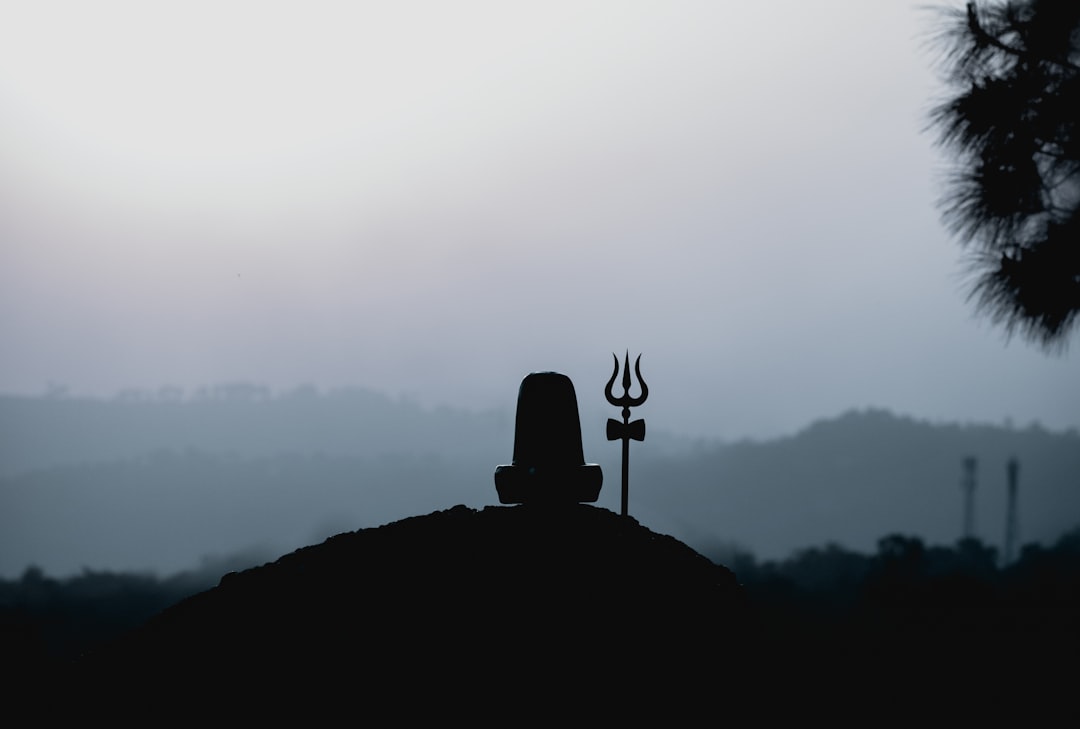
The containers on both sides of the Kanwar should be securely tied and reasonably balanced. Unequal weight can strain the shoulders, disturb the Kanwar and cause Gangajal to spill.
Check the knots, lids and supports regularly. Avoid decorations that make the Kanwar too heavy or unstable.
Tall and heavily decorated Kanwars should be kept away from moving vehicles, trees, electric wires and crowded spaces.
6. Follow a Satvik Diet and Avoid Intoxicants
Many devotees follow a simple vegetarian or satvik diet during the pilgrimage. Depending on personal fasting practices, this may include:
Fresh fruits
Milk or curd
Light vegetarian meals
Simple grains
Nuts and dry fruits
Safe drinking water
ORS or electrolyte drinks
Avoid alcohol, tobacco, meat and intoxicating substances. Earlier official guidance issued for Kanwariyas also advised devotees not to consume liquor or smoke during the journey.
People with diabetes, low blood pressure or another medical condition should not undertake severe fasting without appropriate medical advice.
7. Maintain Personal Cleanliness and Self-Control
Kanwar Yatra religious rules emphasise both physical and mental cleanliness. Wear clean clothes, bathe when safe facilities are available and dispose of waste responsibly.
Spiritual cleanliness also involves control over:
Anger
Abusive language
Arguments
Aggressive behaviour
Jealousy
Impulsive reactions
Chanting “Bol Bam” or “Har Har Mahadev” should create devotion, not conflict. Patience, humility and compassion are essential parts of Shiva bhakti.
8. Wear Suitable Clothing and Protect Your Feet
Saffron clothing is commonly associated with Kanwariyas, but comfort and safety should not be ignored. Wear breathable clothes suitable for rain, heat and humidity.
Keep a change of clothing and protect your phone, medicines, documents and belongings from water.
Many Kanwariyas walk barefoot as part of their sankalp. However, walking barefoot is not a universal requirement for every devotee. Hot roads, broken glass, stones and contaminated water can cause serious injuries.
Follow your tradition while considering your health. Where footwear is permitted under your sankalp, choose comfortable and well-fitted footwear.
9. Avoid Offensive Music and Public Disturbance
Devotional music can strengthen the spiritual energy of a group, but it should not become a public nuisance.
Follow local rules regarding:
Loudspeakers
DJs
Sound systems
Permitted timings
Maximum volume
Vehicle-mounted speakers
Avoid abusive lyrics, provocative songs or content targeting another individual or community. Earlier official guidance also advised Kanwariyas against songs or conduct that could hurt other people’s feelings.
Maintain lower volume near hospitals, residential areas, schools, temples and other places of worship.
10. Follow Designated Routes and Traffic Instructions
Never ignore barricades, diversions, one-way routes or instructions from police personnel and volunteers.
Walk on the designated side of the road, avoid sudden crossings and keep emergency lanes clear. Always allow ambulances, fire vehicles and other essential services to pass.
Avoid dangerous travel practices such as:
Sitting on vehicle roofs
Hanging from vehicle sides
Overloading trucks or tractors
Riding motorcycles recklessly
Blocking the driver’s view with a large Kanwar
Walking in the middle of fast-moving traffic
Check official traffic advisories throughout the journey because restrictions may change during peak days.
11. Travel with a Group and Keep Emergency Details
First-time devotees should avoid travelling alone, particularly at night or through unfamiliar areas. Stay with your group and decide on a meeting point in case someone gets separated.
Carry the following in a waterproof pouch:
Identity proof
Emergency contact details
Essential medicines
Charged mobile phone
Power bank
Basic first-aid supplies
Details of your Kanwar group
Earlier government guidance also advised pilgrims to carry family contact information and personal medicines.
For emergencies in India, dial 112 or contact nearby police, medical personnel or authorised volunteers.
12. Rest, Hydrate and Do Not Ignore Illness
Devotion does not require you to ignore your physical condition. Drink safe water regularly, use ORS when required and rest at authorised camps.
Seek medical help immediately if you experience:
Chest pain
Fainting
Breathing difficulty
Persistent vomiting
Severe cramps
Confusion
High fever
Infected wounds
Extreme weakness
People with heart disease, uncontrolled blood pressure, recent surgery or another serious medical condition should seek professional medical advice before attempting a strenuous route.
13. Avoid Unsafe Bathing and Electrical Hazards
Do not jump into deep water, enter restricted areas or bathe where rescue personnel have issued warnings.
A fatal drowning involving young Kanwar pilgrims in Haridwar on 1 August 2026 demonstrates the danger of unplanned bathing in canals and unsafe water bodies.
Decorated Kanwars can also be tall. Keep them away from electric lines, transformers, exposed poles and electrical equipment, particularly during rain.
Authorities have introduced extensive electrical-safety measures across Kanwar routes in 2026, but pilgrims must still remain alert.
14. Respect Other Pilgrims and Public Property
Kanwar Yatra dos and don’ts are incomplete without social responsibility.
Do not damage:
Vehicles
Shops
Road dividers
Plants and trees
Public toilets
Rest camps
Religious places
Government property
Avoid arguments over food, space, photography, queues or right of way. Cooperate with police personnel, sanitation workers, camp organisers, medical teams and volunteers.
Do not spread rumours or forward unverified messages. A responsible Kanwariya expresses devotion through compassion, discipline and respect.
15. Complete Jalabhishek with Proper Guidance
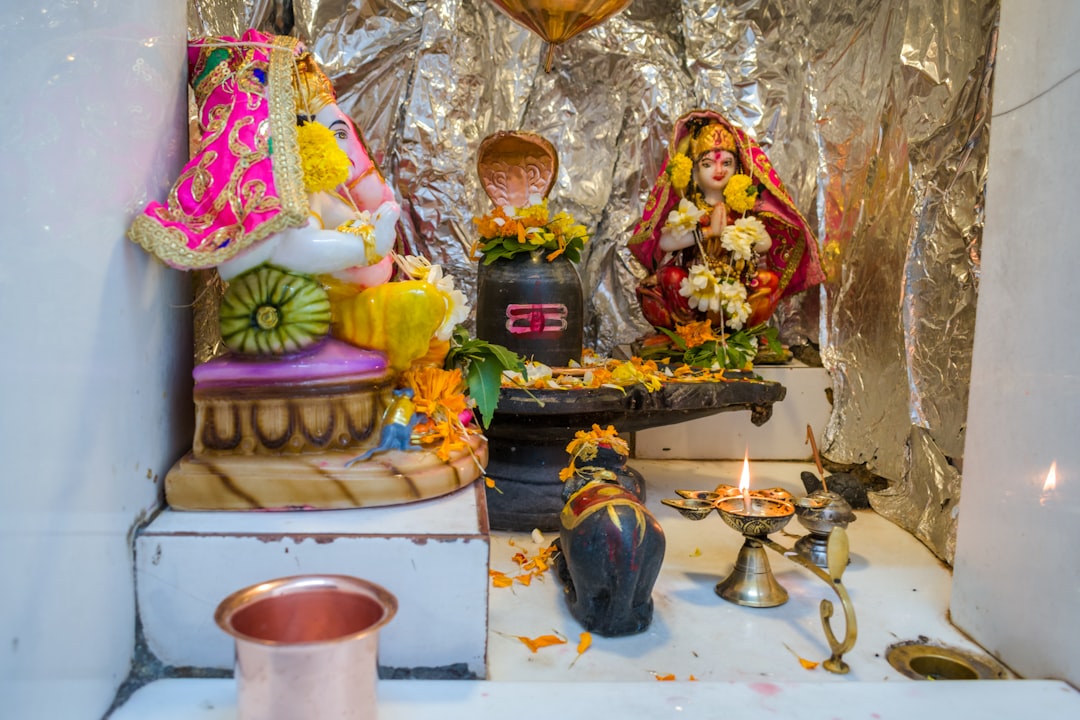
Protect the Gangajal until it is offered at the chosen Shiva temple. Follow the temple queue, dress code, security arrangements and instructions.
Perform Jalabhishek calmly without pushing other devotees. Depending on temple customs, additional offerings may include bilva leaves, flowers, fruits or sacred chanting.
Do not assume that every temple permits every item. Ask temple authorities before carrying milk, packaged offerings, incense or other materials inside.
After completing Jalabhishek, clean your space, express gratitude and conclude your sankalp according to your family tradition, priest or guru.
Om Namah Shivaya Chanting Benefits for Peace and Positivity
Quick Kanwar Yatra Dos and Don’ts
Dos
Begin with a clear sankalp.
Keep the Kanwar elevated.
Protect the Gangajal.
Follow a simple and disciplined lifestyle.
Use authorised routes and camps.
Carry identification and medicines.
Drink sufficient water.
Seek medical help early.
Respect local communities.
Follow temple instructions.
Don’ts
Do not consume alcohol or intoxicants.
Do not smoke during the journey.
Do not place the Kanwar carelessly on the ground.
Do not enter restricted water bodies.
Do not block ambulances.
Do not ignore police instructions.
Do not use abusive language.
Do not play offensive music.
Do not damage public property.
Do not continue walking when seriously unwell.
The most important Kanwar Yatra rules protect devotion, safety and social harmony. The true spirit of carrying Gangajal is reflected in patience, cleanliness, compassion and responsibility.
Whether you are searching for complete Kanwar Yatra rules 2026, traditional rules of Kanwar Yatra or guidance for first-time devotees, remember the central principle: honour Lord Shiva without causing harm to yourself or others.
Follow your sankalp sincerely, respect local customs and remain attentive to official instructions throughout the journey.
Personal Session
Every spiritual journey is personal. Book a one-to-one personal session for focused guidance on your inner challenges, emotional patterns, meditation practice and path of self-discovery. Receive practical direction suited to your present stage and take the next step with greater clarity, confidence and awareness. Book your personal session and begin your journey within.
Book Now