


Om Namah Shivaya is among the most widely recited mantras dedicated to Lord Shiva. It is used in prayer, japa and meditation because its simple rhythm gives the mind a steady point of attention. For many devotees, chanting creates a sacred pause in which mental noise settles, emotions become easier to observe and awareness returns to the present moment.
The phrase is commonly understood as “I bow to Shiva” or “I bow to the auspicious consciousness within.” In its Panchakshara form, Namah Shivaya contains five sacred syllables Na, Ma, Shi, Va and Ya. Spiritual traditions often connect these syllables with the five elements and inner purification. Adding Om creates the familiar mantra Om Namah Shivaya.
People searching for Om Namah Shivaya chanting benefits often want peace, positive energy, focus and spiritual growth. Its value grows through regular, meaningful practice rather than instant promises.

What Does Om Namah Shivaya Mean?
“Namah” expresses reverence, bowing or surrender, while “Shivaya” refers to Shiva the auspicious and transforming principle. The mantra can be understood devotionally as a salutation to Lord Shiva and inwardly as a reminder to surrender ego, agitation and resistance.
In Shaiva traditions, Shiva may signify not only a divine form but also stillness, awareness and the consciousness beneath changing thoughts. This is why spiritual teachers describe Om Namah Shivaya as a mantra that can prepare the mind for meditation.
Its meaning becomes practical when each repetition carries surrender and awareness. Chanting then becomes more than sound; it becomes a discipline of inner transformation.
Design Your Destiny
Your outer life begins to change when your inner patterns become conscious. Join Design Your Destiny to explore practical spiritual tools for clarity, emotional balance, purposeful action and a deeper relationship with yourself. Move beyond unconscious reactions and begin shaping your life with awareness, wisdom and inner strength. Begin your journey with Design Your Destiny today.
Start Your Journey Today!1. Helps Create Mental Peace
One of the most valued Om Namah Shivaya benefits is a growing sense of mental quiet. Repetition gives the mind one clear focus. Instead of moving continuously between worries, memories and expectations, attention returns to the mantra.
Thoughts may not disappear, but the rhythm of chanting can become an anchor when the mind feels scattered. The practitioner gradually learns to notice mental activity without automatically following every thought.
Research on meditation suggests that meditative practices may help some people manage stress and anxiety symptoms. A small study of brief Om chanting also reported changes associated with relaxation and parasympathetic activity. These findings relate to meditation and Om chanting generally; they do not prove that Om Namah Shivaya is a medical treatment.
2. Encourages Positive Energy
In spiritual language, “positive energy” often describes hope, devotion, emotional upliftment and a peaceful atmosphere. Om Namah Shivaya for positive energy can be understood in this practical and devotional sense.
When attention repeatedly returns to a sacred phrase, negative mental loops may lose some momentum. Chanting can replace restless inner dialogue with a constructive focus. During group chanting, synchronized voices and shared intention may also create a feeling of connection.
The mantra does not prevent difficulty; it helps the practitioner meet experience with greater steadiness and awareness. Devotional traditions also associate the mantra with inner transformation, harmony and the awakening of positive qualities.
3. Supports Relaxation During Stress
The benefits of chanting Om Namah Shivaya daily may include having a dependable ritual for slowing down. Chanting naturally works with the breath. When the mantra is repeated gently rather than hurriedly, breathing may become more even and the body may begin to relax.
This can be helpful after work or before meditation. Sit comfortably, soften the shoulders and repeat the mantra at an unforced pace.
The purpose is not to suppress difficult emotions. Instead, chanting creates a pause in which those emotions can be observed without an immediate reaction.
People with persistent stress, panic or anxiety should use mantra practice as complementary spiritual support, not as a replacement for qualified mental-health care.
4. Improves Focus and Reduces Distraction
A wandering mind repeatedly leaves its chosen object. Mantra japa trains it to return. Every time attention drifts and comes back to Om Namah Shivaya, the practitioner rehearses concentration without self-criticism.
A short period of focused repetition before study, work or prayer may help gather scattered attention. The mantra gives the mind something clear and meaningful to return to whenever distraction appears.
The goal is not to force the mind into complete silence. It is to notice distraction and return patiently. Over time, this repeated return can strengthen attentional discipline and make meditation more accessible.

5. Deepens Meditation
Many Om Namah Shivaya mantra benefits are closely connected with meditation because the mantra provides a clear focal point. Silent meditation can feel difficult when the mind is restless, while repetition gives the practice structure.
The mantra may be chanted aloud, whispered or repeated mentally. Audible chanting allows the practitioner to hear and feel the sound. Whispered repetition is subtler, while mental japa draws attention inward.
Beginners may start aloud and gradually move toward silent repetition. This transition can help the mind move naturally from external sound to inner stillness.
After chanting, sit quietly for a minute and notice the silence that follows. Spiritual teachers commonly present Om Namah Shivaya as a mantra that supports meditativeness and helps quiet the mind.
Kanwar Yatra Gangajal Significance: Story, Ritual and Belief
6. Cultivates Devotion and Surrender
For devotees of Shiva, chanting is an act of bhakti, or loving remembrance. Repeating Namah “I bow” can soften the habit of trying to control every circumstance.
Surrender does not mean passivity. It means acting responsibly while accepting that every outcome is not under personal control. During uncertainty, the mantra can create enough inner space to respond with humility rather than fear or impulsiveness.
This devotional dimension is central to the spiritual benefits of chanting Om Namah Shivaya. The practitioner remembers Lord Shiva not only during formal worship but also while facing decisions, difficulties and change.
7. Supports Self-Reflection and Spiritual Growth
Shiva is traditionally associated with transformation the ending of ignorance, attachment and limitation so that clearer awareness can emerge. Om Namah Shivaya spiritual benefits therefore include the opportunity to look inward.
After japa, a practitioner may ask:
What am I holding on to?
Which reaction needs greater awareness?
What fear or attachment can I release?
How can I act with greater truthfulness?
Where do I need more patience and compassion?
The mantra becomes more meaningful when conduct supports it. Patience, honesty and compassion give spiritual practice visible expression.
Chanting should not become an escape from responsibility. It should make the practitioner more aware of their thoughts, words, decisions and relationships.

8. Creates a Consistent Spiritual Routine
Another important benefit of Om Namah Shivaya is that it can become a simple daily spiritual routine. The practice does not require a large space or elaborate preparation. A quiet corner and a few uninterrupted minutes are enough.
Practising at approximately the same time each day can strengthen consistency. On peaceful days, chanting can deepen gratitude. On difficult days, it can offer a familiar inner anchor.
Beginners can start with five minutes or a manageable number of repetitions. The objective is not to complete the largest possible count. The objective is to remain attentive, sincere and regular.
Benefits of Chanting Om Namah Shivaya 108 Times
Chanting Om Namah Shivaya 108 times is a traditional japa practice, commonly completed with a 108-bead mala. The number 108 has longstanding sacred significance in Indian spiritual traditions and appears in different forms of prayer, ritual and yoga.
A fixed count gives the practice a clear beginning and end and enough time for the mind to settle. Moving one bead after each repetition may also help sustain attention.
The benefits of chanting Om Namah Shivaya 108 times may include:
A longer period of focused meditation
Greater continuity in the chanting rhythm
Less dependence on watching a clock
A stronger sense of discipline
Deeper devotional absorption
A structured daily or weekly practice
However, 108 repetitions are not compulsory. Eleven attentive repetitions may be more meaningful than 108 hurried ones. Beginners can begin with 11, 21 or 27 repetitions and increase gradually.
Anyone experiencing vocal discomfort can chant softly, whisper the mantra or practise it mentally.
Happy Sawan Wishes for Family, Friends and Loved Ones
How to Chant Om Namah Shivaya Correctly
Choose a clean, comfortable place and sit with the spine naturally upright. Relax the jaw, face and shoulders, then take a few slow breaths.
Pronounce the mantra gently:
Om Na-mah Shi-va-ya
Do not shout or force the breath. Chant aloud, whisper or repeat it mentally according to what best supports your concentration.
When using a mala, move one bead after every repetition. Many practitioners avoid crossing the larger guru bead. Instead, they turn the mala around before beginning another round.
Keep attention on both the sound and meaning of the mantra. When thoughts arise, return without judging yourself.
After finishing the practice, remain silent briefly. Notice the breath, body and quality of the mind before returning to daily activity.

Best Time to Chant Om Namah Shivaya
Early morning, Brahma Muhurta, sunset, Monday and Maha Shivaratri are traditionally considered meaningful times for Shiva worship and mantra chanting.
However, the most effective time is one you can follow consistently.
Morning chanting may establish a peaceful tone for the day, while evening practice can help release accumulated tension. People who cannot maintain these traditional timings may choose any quiet and practical time.
Consistency is more valuable than waiting for a perfect hour and practising only occasionally.
Common Mistakes to Avoid
Avoid chanting so quickly that the syllables lose clarity. The sound should remain gentle, steady and understandable.
Do not treat the practice only as a transaction for obtaining a specific material result. A mantra is most meaningful when approached with devotion, awareness and patience.
Avoid comparing your count, voice or spiritual experience with others. Every practitioner’s temperament and journey are different.
Some sessions may feel peaceful, while others feel distracted. Both are part of practice.
Most importantly, do not use spiritual claims to deny medical or emotional difficulties. Mantra practice may support calm and reflection, but it does not replace therapy, diagnosis or medical treatment when these are needed.
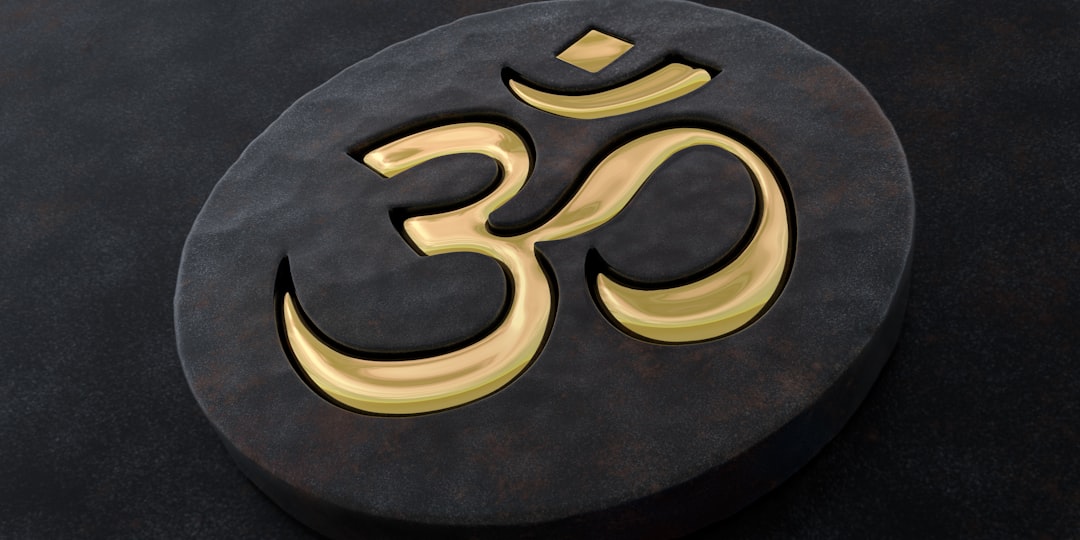
Om Namah Shivaya chanting benefits can be understood on several levels. The mantra provides a focus for meditation, a devotional connection with Lord Shiva, a daily practice for mental peace and a meaningful way to cultivate surrender and self-awareness.
Its influence deepens through regular, attentive practice. Whether repeated 11 times, 108 times or silently during the day, sincerity and consistency matter more than performance.
Positive energy is not merely something external to attract. It can also be the clarity, compassion and steadiness that grow when the mind repeatedly returns to the sacred.
Personal Session
Every spiritual journey has different questions, patterns and challenges. A personal session offers focused guidance suited to your present situation, meditation practice and inner-growth goals. Gain greater clarity about your next steps and discover a more conscious way to work with stress, confusion, emotional patterns and spiritual questions. Book your personal session and take the next step towards a peaceful, aware and purposeful life
Book Now