
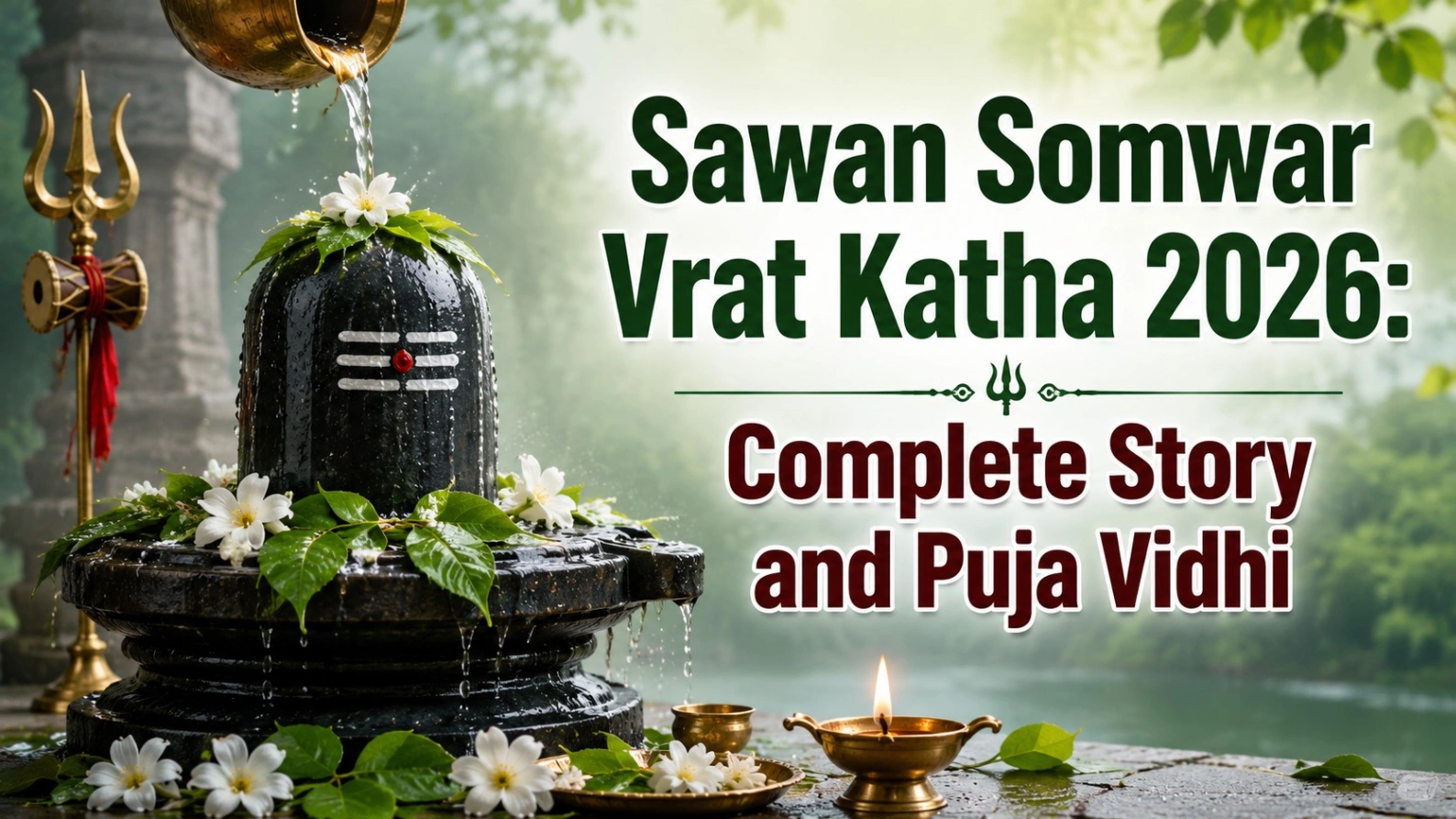
Sawan, also called Shravan, is one of the most sacred months for devotees of Lord Shiva. Every Monday during this month is observed as Sawan Somwar, when devotees worship Mahadev, perform Jalabhishek, chant Shiva mantras and keep a fast according to their health and family tradition.
The Sawan Somwar Vrat Katha is usually read or heard after the main puja. Its message centres on faith, patience, sincere devotion and the compassionate grace of Lord Shiva and Goddess Parvati. This guide covers the Sawan Somwar Vrat Katha 2026 complete story, Puja Vidhi, samagri, fasting rules, mantras, Aarti and Parana.
Sawan Somwar Vrat Dates 2026
According to the Purnimanta calendar followed across much of North India, Shravan begins on Thursday, July 30, 2026, and ends on Friday, August 28, 2026. The four Sawan Somwar Vrat dates are:
First Sawan Somwar: August 3, 2026
Second Sawan Somwar: August 10, 2026
Third Sawan Somwar: August 17, 2026
Fourth Sawan Somwar: August 24, 2026
Regional calendars differ. States following the Amanta calendar, including Maharashtra, Gujarat, Goa, Karnataka, Andhra Pradesh, Telangana and Tamil Nadu, observe Shravan from August 13 to September 11, 2026. Their Somwar dates are August 17, August 24, August 31 and September 7. Check the local Panchang followed by your family or temple before relying on city-specific dates or timings.
Design Your Destiny
Your outer life begins to change when your inner direction becomes clear. Join Design Your Destiny to understand your thoughts, choices and recurring patterns through practical spiritual wisdom. Move beyond temporary motivation and begin creating a life guided by awareness, purpose and conscious action.
Start Your Journey Today!What Is Sawan Somwar Vrat?
Sawan Somwar Vrat is a Monday fast dedicated to Lord Shiva during Shravan. Devotees observe it to deepen bhakti, discipline the mind and pray for peace, health, family harmony, spiritual progress and fulfilment of righteous wishes. Many unmarried devotees pray for a compatible life partner, while married couples seek stability and well-being.
The vrat is not limited to avoiding food. Its deeper purpose is restraint in thought, speech and action. Devotees are encouraged to remain truthful and calm, avoid harsh words and devote more time to prayer, mantra, seva and remembrance of Shiva.
Significance of Sawan Somwar Vrat Katha
The Sawan Somwar Katha 2026 gives meaning to the ritual. It reminds devotees that prayer is strengthened by patience, ethical conduct and trust in divine wisdom.
Families may read it together, listen to it at a Shiva temple or hear it after completing Jalabhishek. The wording may vary across regions and family traditions, but the central message remains devotion to Lord Shiva, patience during difficult times and surrender to divine wisdom.
Complete Sawan Somwar Vrat Katha 2026
According to a popular version of the Shravan Somwar Vrat Katha, a prosperous moneylender lived with his wife. They had wealth and respect but remained unhappy because they had no child.
The moneylender was a sincere devotee of Lord Shiva. Every Monday, he visited a temple, worshipped the Shivling and observed the Somwar fast.
Goddess Parvati noticed his devotion and asked Lord Shiva to bless the couple with a son. Shiva explained that destiny had not granted them lasting happiness through a child. However, moved by Parvati’s compassion and the devotee’s faith, Shiva granted the couple a son while revealing that the boy’s life would be limited.
The couple was overjoyed when their son was born. The father remembered the warning but continued worshipping Shiva without complaint. When the boy grew older, he was sent with a relative to study. During the journey, they performed worship, charity and sacred offerings wherever they stopped.
At one place, a wedding ceremony faced an unexpected difficulty. The boy was requested to temporarily take the groom’s place during part of the ritual. The truth later became known, and the bride recognised him as the person with whom the sacred ceremony had taken place.
The boy nevertheless continued his journey to complete his education.
When the destined time arrived, the boy suddenly died. His relative was overwhelmed with grief but continued remembering Lord Shiva.
Goddess Parvati saw the family’s sorrow and again appealed to Shiva. Moved by compassion and their devotion, Lord Shiva restored the boy’s life.
The young man eventually returned home and reunited with his parents. Their sorrow changed into gratitude, and the family continued its devotion with humility.
The katha teaches that Lord Shiva values sincere faith, patience, charity and purity of intention. It does not suggest that devotees will never face difficulty; rather, it shows that devotion can provide strength, direction and grace during hardship.
Sawan Somwar Puja Samagri
The following items are commonly used for Sawan Somwar Puja:
A clean Shivling or image of Lord Shiva
Clean water or Gangajal
Milk or Panchamrit, where traditionally used
Fresh Bel Patra
White flowers
Sandalwood paste
Akshat or unbroken rice
Seasonal fruits
Sattvik sweets or prasad
Diya, incense and cotton wick
Rudraksha mala
Sawan Somwar Vrat Katha
Shiva Aarti
Offer only what is available and appropriate to your tradition. Clean water offered with devotion is sufficient; expensive ingredients are not necessary. Commonly followed traditions include offering water, Bel Patra, flowers, fruit and other sattvik items while chanting Shiva mantras.
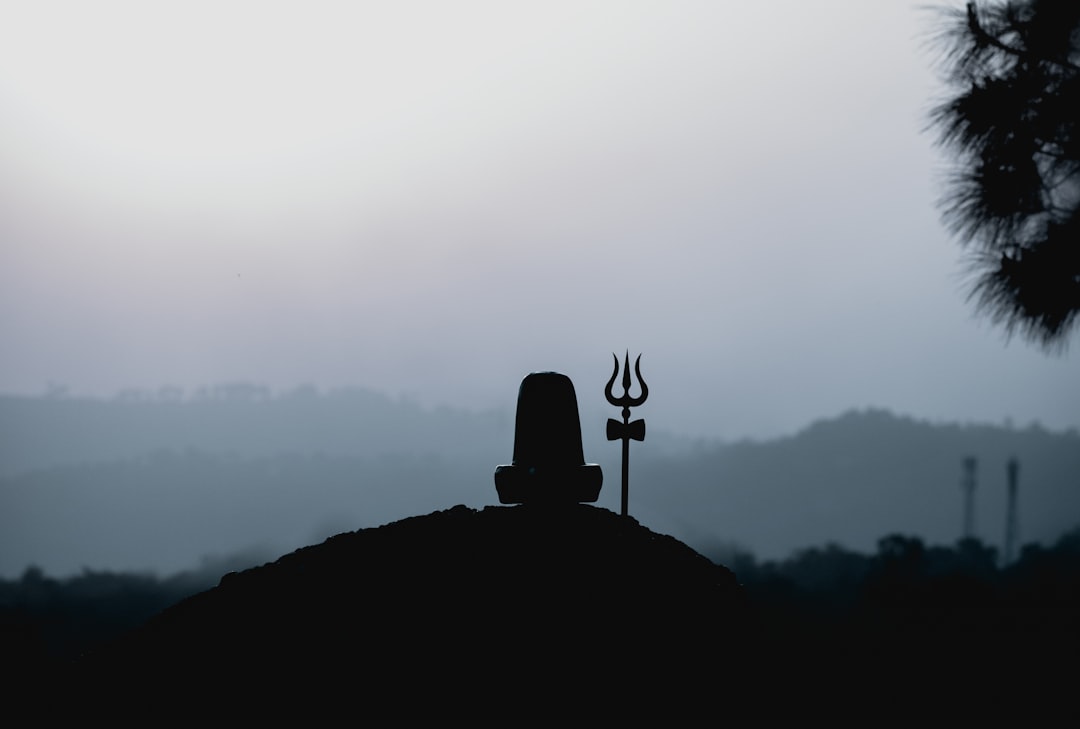
Sawan Somwar Puja Vidhi Step by Step
1. Bathe and prepare the worship space
Wake up early, bathe and wear clean clothes. Clean the puja area, arrange the required samagri and begin with a calm and peaceful mind.
2. Take the Sawan Somwar Vrat Sankalp
Sit facing east or north and state your intention to observe the Sawan Somwar Vrat 2026 with sincerity.
The sankalp may include a prayer for spiritual progress, inner peace, family welfare and the well-being of all.
3. Meditate on Lord Shiva
Light a diya and incense. Remember Lord Ganesha, your guru and the divine before beginning the main puja.
Close your eyes for a few moments and meditate on Lord Shiva and Goddess Parvati.
4. Perform Jalabhishek
Slowly pour clean water over the Shivling while chanting:
Om Namah Shivaya
Some families also perform abhishek with milk or Panchamrit, followed by clean water. Follow your family or temple tradition and avoid wasting milk, water or food.
5. Offer the Puja Samagri
Offer fresh Bel Patra, white flowers, sandalwood, akshat, fruits and sattvik prasad.
The offerings should be clean, fresh and presented respectfully.
6. Chant Shiva Mantras
Chant Om Namah Shivaya 108 times or as many times as possible with concentration.
Devotees may also recite:
Mahamrityunjaya Mantra
Shiva Chalisa
Rudrashtakam
Shiva Ashtottara Shatanamavali
Choose the mantra or prayer taught in your family or spiritual tradition.
7. Read Sawan Somwar Vrat Katha
Read or listen to the Sawan Somwar Vrat Katha full story after completing the offerings and mantra chanting.
Reflect on its lessons of patience, devotion, compassion and faith rather than treating the reading as a mechanical ritual.
8. Perform Shiva Aarti
Conclude the worship with a Shiva Aarti such as Om Jai Shiv Omkara.
Offer the Aarti flame respectfully, pray silently and distribute prasad among family members. Early-morning worship is widely followed, while devotees unable to worship in the morning may also perform Shiva Puja during Pradosh Kaal according to local tradition.
Sawan Somwar Vrat Rules
There is no single fasting method followed by every family. Some devotees observe Nirjala Vrat, some consume water and fruit, while others eat one sattvik meal.
Select a fasting method suited to your health, age and family tradition.
Devotees commonly avoid:
Regular grains
Ordinary salt
Onion and garlic
Alcohol and tobacco
Non-vegetarian food
Excessively spicy or heavy meals
Vrat-friendly foods may include:
Fresh fruits
Milk and curd
Nuts and makhana
Sabudana
Sama rice
Potato and sweet potato
Kuttu flour
Singhara flour
Sendha namak
Pregnant or breastfeeding women, children, older adults, people taking medicines and anyone with diabetes or another medical condition should not undertake a strict fast without professional medical guidance.
Shiva bhakti is not measured by physical suffering. A simple sattvik diet combined with prayer, self-discipline and compassionate behaviour can also be a meaningful observance. Current guidance on the vrat similarly emphasises choosing a fasting method suitable for one’s health and customs.
What Not to Do During Sawan Somwar Vrat
Avoid anger, dishonesty, gossip, harsh speech and disrespectful behaviour.
Do not judge people who follow a different fasting method. Every person’s health, family tradition and spiritual practice may be different.
Avoid wasting milk, flowers, food or water during worship. Do not use unclean or damaged offerings.
Most importantly, do not focus only on external fasting rules while ignoring compassion, humility, truthful conduct and inner purification.
How to Break Sawan Somwar Fast
The fast may be concluded after evening worship or according to the tradition followed by your family.
Perform Shiva Puja, Aarti and prayer before taking prasad. Begin with water, fruit or a light sattvik meal instead of consuming heavy or excessively fried food immediately.
Parana practices vary according to region and the type of fast observed. Devotees following a strict ritual should consult a local priest or Panchang for the appropriate method.
Benefits of Sawan Somwar Vrat
Devotees believe that observing Sawan Somwar with sincerity brings Lord Shiva’s blessings, mental peace, courage and greater self-control.
The combination of fasting, prayer, mantra chanting and mindful behaviour can help create a disciplined spiritual routine.
The vrat is also traditionally associated with prayers for:
Marital harmony
A compatible life partner
Family welfare
Peace and stability
Protection from negativity
Removal of obstacles
Spiritual growth
These should be understood as devotional beliefs rather than guaranteed outcomes. The most immediate value of the vrat is the opportunity to examine one’s habits, control impulsive behaviour and reconnect with faith.
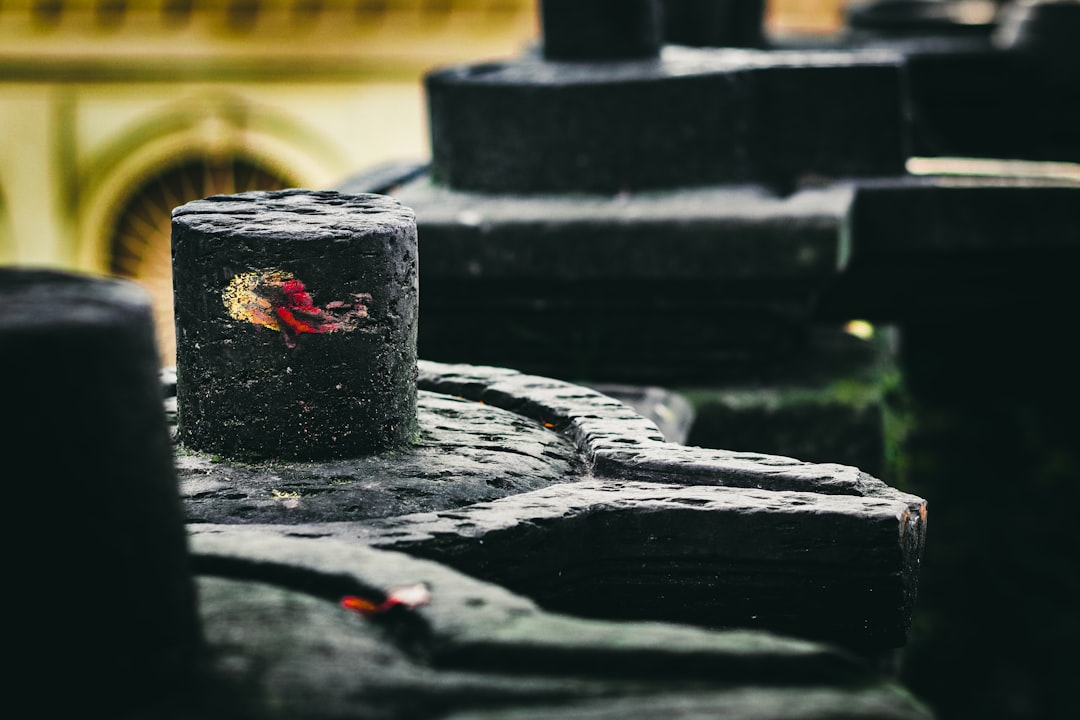
The Sawan Somwar Vrat Katha and Puja Vidhi remind devotees that true worship combines faith with patience, ethical living and compassion.
The vrat may include Jalabhishek, mantra chanting, sattvik food, the complete Sawan Somwar Vrat Katha and Shiva Aarti.
Whether the puja is elaborate or simple, keep the intention pure. Offer what is easily available, respect your health and family tradition, and dedicate the day to inner transformation.
For city-specific timings, local temple rituals or puja muhurat, consult the Panchang followed in your location.
Personal Session
Some questions need more than a general answer. A personal session offers a private space to understand your challenges, gain spiritual clarity and identify practical next steps suited to your situation. Book a personal session and receive focused guidance for your inner and outer journey.
Book Now