
Krishna Janmashtami is one of the most spiritually significant Hindu festivals. It commemorates the birth of Lord Krishna, revered in Hindu tradition as the eighth incarnation of Lord Vishnu. Devotees celebrate the occasion with fasting, devotional singing, readings from Krishna’s life, temple visits, abhisheka, bhog offerings and midnight worship.
According to the Panchang calculations for New Delhi, Krishna Janmashtami 2026 will be observed on Friday, 4 September 2026. The principal midnight celebration will begin late on 4 September and continue into the early hours of 5 September.
The Janmashtami 2026 Ashtami Tithi begins at 2:25 AM on 4 September and ends at 12:13 AM on 5 September. The recommended Nishita Kaal puja muhurat in New Delhi is from 11:57 PM on 4 September to 12:43 AM on 5 September.
Because Hindu festival timings depend on sunrise, sunset and geographical location, the exact puja window may vary from one city to another. Devotees should therefore confirm the final timing according to their local Panchang or temple calendar.
Janmashtami 2026 Date and Time at a Glance
For New Delhi, India, the principal Janmashtami timings are:
Krishna Janmashtami date: Friday, 4 September 2026
Ashtami Tithi begins: 2:25 AM on 4 September 2026
Ashtami Tithi ends: 12:13 AM on 5 September 2026
Rohini Nakshatra begins: 12:29 AM on 4 September 2026
Rohini Nakshatra ends: 11:04 PM on 4 September 2026
Nishita Puja Muhurat: 11:57 PM to 12:43 AM
Midnight moment: 12:20 AM on 5 September
Dahi Handi: Saturday, 5 September 2026
Traditional parana: After 6:01 AM on 5 September
Parana followed in many households: After completion of Nishita Puja at 12:43 AM
These calculations are specific to New Delhi. The official Indian holiday calendar also lists Janmashtami on Friday, 4 September 2026.
Design Your Destiny
The timeless wisdom of Lord Krishna is not meant only to be read—it is meant to be lived. Through the Design Your Destiny programme, discover practical spiritual tools to understand your mind, overcome limiting patterns, make conscious decisions and create a more purposeful life.
Start Your Journey Today!When Is Janmashtami in 2026?
Janmashtami in 2026 falls on Friday, 4 September. Devotees observing the fast will generally begin their vrat after their morning purification and Sankalpa on 4 September. The main Krishna Janma celebration and puja will take place around midnight, as the birth of Lord Krishna is traditionally commemorated during Nishita Kaal.
The celebrations will continue into 5 September with aarti, prasad distribution, Nandotsav and Dahi Handi festivities in different regions.
Some temples may hold programmes across 3 and 4 September or follow their own institutional calendars. For example, ISKCON Bangalore has announced two-day celebrations on 3 and 4 September 2026, with the principal midnight abhisheka and Maha Mangala Aarti taking place on the night of 4 September.
What Is Ashtami Tithi?
A Tithi is a lunar day in the Hindu calendar. Krishna Janmashtami is observed during Krishna Paksha Ashtami, the eighth lunar day of the waning phase of the Moon in the month of Bhadrapada.
For New Delhi, the Janmashtami Ashtami Tithi in 2026 begins at 2:25 AM on 4 September and ends at 12:13 AM on 5 September. Since Ashtami is present during the principal midnight worship period, Janmashtami is observed on 4 September.
The Gregorian date alone does not determine a Hindu festival. Panchang calculations consider the prevailing Tithi, Nakshatra and the relevant worship period. This is why festival dates can occasionally appear different across calendars or locations.
Janmashtami 2026 Nishita Kaal Puja Muhurat
Nishita Kaal is the traditional Hindu midnight period and is considered the most important time for Krishna Janmashtami worship. Lord Krishna is believed to have appeared at midnight; therefore, devotees perform abhisheka, offer bhog, sing bhajans and celebrate Krishna Janma during this period.
For New Delhi, the Janmashtami 2026 Nishita Kaal puja muhurat is:
11:57 PM on 4 September to 12:43 AM on 5 September 2026
The duration is approximately 45 minutes, with the central midnight moment occurring at approximately 12:20 AM.
Devotees may begin preparatory prayers before the muhurat. The principal abhisheka, Krishna Janma celebration, aarti and bhog offering can then be performed during or around Nishita Kaal.
Janmashtami Puja Timings in Major Indian Cities
The Nishita Puja Muhurat changes slightly according to location. The indicative 2026 timings include:
New Delhi: 11:57 PM to 12:43 AM
Gurgaon: 11:58 PM to 12:44 AM
Noida: 11:57 PM to 12:42 AM
Mumbai: 12:14 AM to 1:01 AM
Pune: 12:10 AM to 12:57 AM
Bengaluru: 11:55 PM to 12:42 AM
Chennai: 11:45 PM to 12:31 AM
Hyderabad: 11:52 PM to 12:38 AM
Jaipur: 12:03 AM to 12:49 AM
Kolkata: 11:13 PM to 11:59 PM
Ahmedabad: 12:16 AM to 1:02 AM
Chandigarh: 11:59 PM to 12:45 AM
These are city-specific local timings. Readers should select the Panchang location nearest to their place of worship before following an exact muhurat.
Significance of Rohini Nakshatra
Rohini Nakshatra is closely associated with the birth of Lord Krishna in Hindu tradition. In New Delhi, Rohini Nakshatra begins at 12:29 AM on 4 September and ends at 11:04 PM on 4 September 2026.
Although Rohini Nakshatra ends before the entire Nishita Puja window is completed, the Ashtami Tithi remains present at the beginning of the midnight worship period. Devotees should follow the date prescribed by their trusted Panchang, spiritual tradition or local temple rather than attempting to determine the observance from one timing alone.
How to Perform Janmashtami Puja at Home
Janmashtami puja traditions differ between families and regions. The following is a simple home worship sequence that devotees may adapt according to their tradition.
1. Clean and prepare the puja space
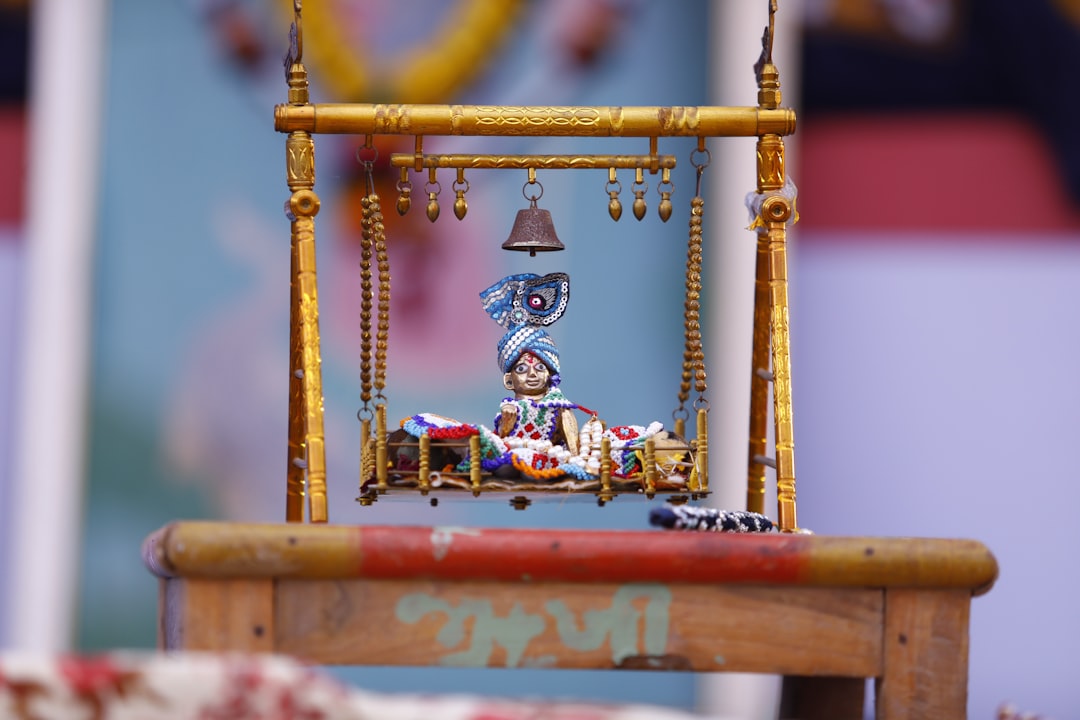
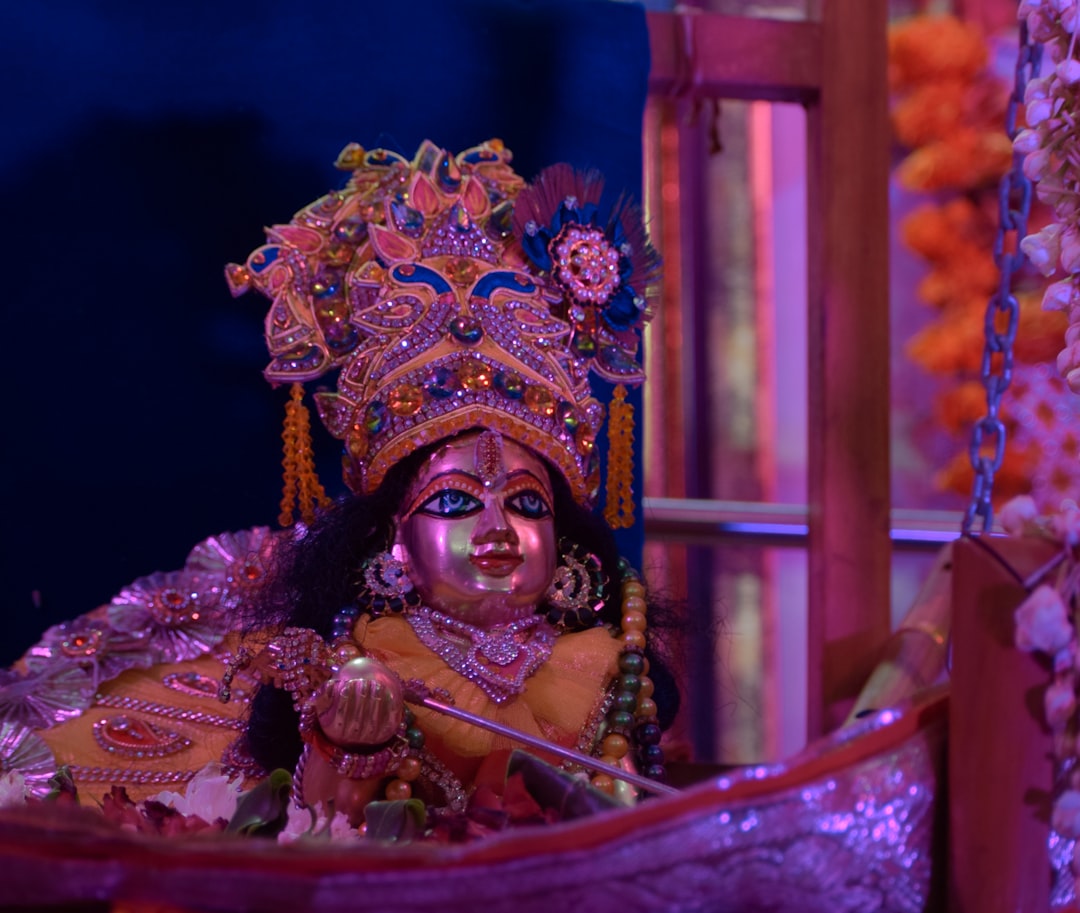
Clean the home temple and decorate it with flowers, lamps, rangoli, peacock feathers or a small Krishna jhula. Place an image or murti of Laddu Gopal or Lord Krishna on a clean altar.
2. Take the Sankalpa
After bathing and wearing clean clothes, sit before the altar and take a sincere Sankalpa to observe the Janmashtami vrat and perform the puja with devotion.
3. Invoke Lord Krishna
Light a diya and incense. Offer water, flowers and prayers while remembering Lord Krishna. Devotees may chant:
Om Namo Bhagavate Vasudevaya
The Hare Krishna Mahamantra or other Krishna bhajans may also be recited.
Krishna Janmashtami 2026: Everything You Need to Know
4. Perform the abhisheka
A small Krishna murti may be ceremonially bathed with clean water or Panchamrit prepared from milk, curd, ghee, honey and sugar. Temple celebrations may use milk, yoghurt, ghee, honey, sweetened water, fruit juices, sacred water and flowers during the abhisheka.
Handle delicate or painted murtis according to the instructions of the temple or artisan, as not every murti is suitable for bathing.
5. Dress and decorate Laddu Gopal
After gently drying the murti, offer clean clothes, a crown, jewellery, sandalwood paste, Tulsi leaves and flowers.
6. Offer bhog
Common offerings include makhan-mishri, panjiri, fruits, dry fruits, kheer, sweets and other sattvic preparations. Food offered as bhog should traditionally be prepared without onion, garlic or tasting it beforehand.
Tulsi leaves are commonly placed on Krishna bhog. Devotees should follow their established family or temple practice.
7. Celebrate Krishna Janma
At midnight, ring a bell or blow a conch, sing Krishna Janma bhajans and perform aarti. Many families gently rock the decorated Krishna jhula to represent the arrival of baby Krishna.
8. Distribute prasad
After the puja, offer prayers for wisdom, devotion and compassion. Distribute the blessed prasad among family members and visitors.
Janmashtami 2026 Fasting Rules
Many devotees observe a complete fast, a fruit-based fast or a simplified sattvic vrat according to their health, age and family tradition.
Traditional guidance recommends having one meal on the day before Janmashtami. On the fasting day, grains are generally avoided until the vrat is formally concluded. Devotees take the fasting Sankalpa after completing their morning worship.
Foods commonly consumed during a Janmashtami fast may include:
Fresh fruits
Milk, curd and permitted dairy products
Makhana
Coconut water
Dry fruits and nuts
Sabudana
Samak rice
Singhara flour
Kuttu flour
Potatoes and sweet potatoes
Rock salt or sendha namak
The strictness of the fast should be selected responsibly. Children, older adults, pregnant women, people taking medication and those managing health conditions should not undertake prolonged fasting without appropriate professional guidance.
Janmashtami 2026 Parana Time
Parana means formally concluding the fast. According to traditional Dharma Shastra guidance for New Delhi, Janmashtami parana may be performed after 6:01 AM on Saturday, 5 September 2026, because both the Ashtami Tithi and Rohini Nakshatra will have ended before sunrise.
A modern practice followed in many households is to conclude the fast after the midnight puja, which would be after approximately 12:43 AM on 5 September in New Delhi.
Those observing a strict traditional vrat may wait until sunrise, while others may follow their family, guru or temple tradition.
Raksha Bandhan 2026? Date, Time and Complete Guide
Spiritual Meaning of Krishna Janmashtami
Janmashtami is more than a celebration of a historical or divine birth. Spiritually, it represents the awakening of divine consciousness within the human heart.
The prison in the Krishna birth narrative may be understood as a symbol of fear, attachment and limitation. Krishna’s appearance in the darkness of midnight represents the light of awareness arising within confusion. The festival reminds devotees that inner wisdom can emerge even during life’s most difficult periods.
Lord Krishna’s teachings inspire purposeful action, devotion, balance and freedom from excessive attachment to results. Observing Janmashtami with prayer and self-reflection can therefore become an opportunity to examine one’s actions, relationships and spiritual direction.
How to Celebrate Janmashtami Meaningfully
A meaningful Janmashtami celebration does not depend only on elaborate decoration. Devotees can use the occasion to:
Read a chapter from the Bhagavad Gita
Chant Krishna mantras
Participate in temple kirtan
Prepare and distribute food
Donate to a charitable cause
Practise forgiveness
Spend time in silence and meditation
Introduce children to stories from Krishna’s life
Reflect on applying Krishna’s wisdom in everyday decisions
The heart of Janmashtami lies in devotion, awareness and sincere transformation.
Personal Session
Every individual’s challenges, relationships and inner journey are different. A personal session can help you understand the deeper patterns influencing your life and identify practical steps towards peace, clarity and transformation.
Book Now