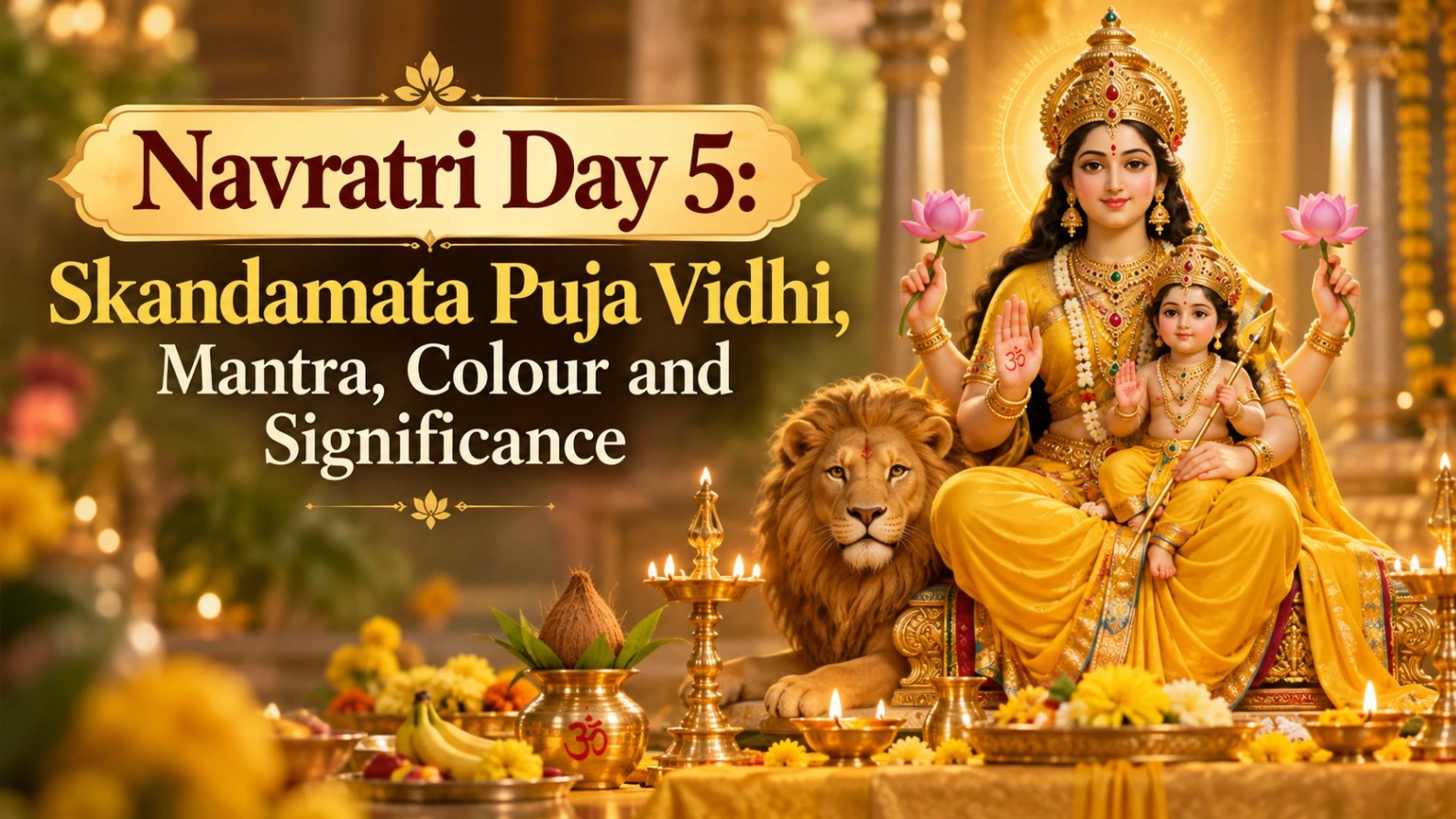
The fifth day of Navratri is dedicated to Maa Skandamata, the fifth form of Goddess Durga and the divine mother of Lord Skanda, also known as Kartikeya or Murugan. Her form represents motherhood, protection, compassion, wisdom and the powerful bond between a mother and her child.
For Sharadiya Navratri 2026, Navratri Day 5 falls on Thursday, October 15, 2026. Panchang coverage for October 15 identifies the day as Shukla Paksha Panchami and the fifth day of Navratri, dedicated to Maa Skandamata.
The traditional Navratri colour widely listed for Day 5 in 2026 is yellow, symbolising joy, optimism, energy and warmth. However, Navratri colour traditions can vary regionally and may follow different annual sequences, so families may continue with the colour custom traditionally followed in their community.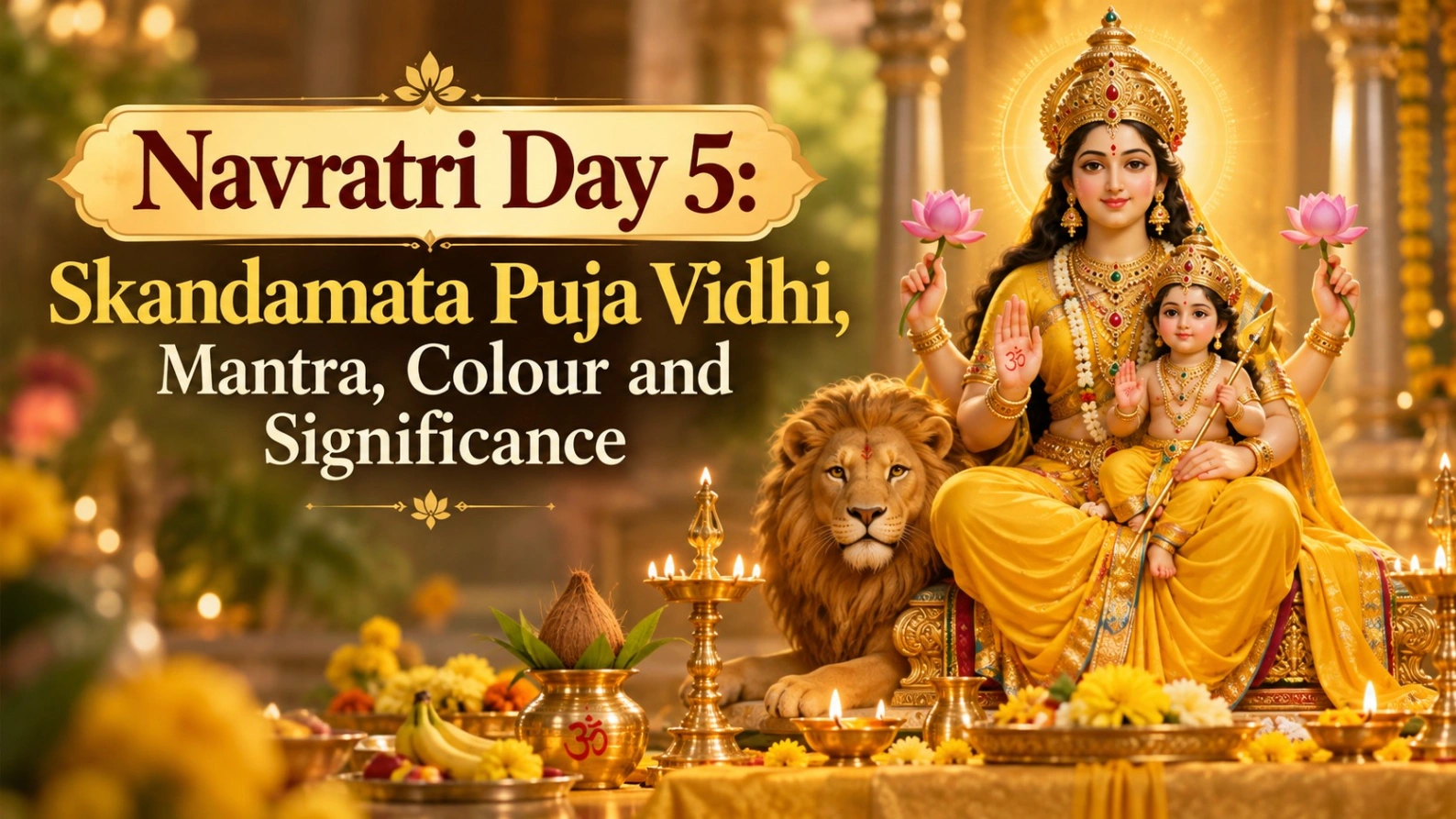
Who Is Maa Skandamata?
Maa Skandamata is the fifth manifestation of Goddess Durga worshipped during Navratri.
The name Skandamata means “Mother of Skanda.” Skanda is another name for Lord Kartikeya, the warrior son of Lord Shiva and Goddess Parvati.
Skandamata is generally depicted carrying child Skanda in her lap. She is shown with four arms and is often seated on a lion. Traditional iconography also shows her holding lotus flowers, while one hand offers blessings to devotees.
Her appearance combines two powerful aspects of the Divine Mother: tenderness and strength.
She is a loving mother protecting her child, but at the same time she represents the immense Shakti capable of nurturing a divine warrior.
Navratri Day 5 Date in 2026
In 2026, Navratri Day 5 falls on Thursday, October 15 and is dedicated to Maa Skandamata. Panchami Tithi begins around 1:13 AM on October 15 and continues until around 3:25 AM on October 16, according to current Panchang reporting.
For those following local puja timings, sunrise, Rahu Kaal and other Panchang details vary according to location, so devotees should confirm their city-specific Panchang when an exact muhurat is required.
Design Your Destiny
Maa Skandamata teaches us that true strength does not always push or control. Sometimes it nurtures, protects and creates the space in which another person—or a new version of ourselves—can grow.
Start Your Journey Today!Why Is Maa Skandamata Worshipped on Navratri Day 5?
Maa Skandamata represents the nurturing power of divine motherhood.
Her worship reminds devotees that strength is not always aggressive or forceful. Sometimes the greatest form of strength is protection, patience, guidance and unconditional care.
As the mother of Lord Kartikeya, she symbolises the energy that raises courage, wisdom and purpose.
Devotees traditionally worship her seeking blessings for:
peace in the family
wisdom and clarity
children's well-being
maternal protection
positive energy
spiritual growth
inner strength
Traditional accounts also associate her worship with knowledge, discernment and family happiness.
Story of Maa Skandamata
The story of Maa Skandamata is closely linked to Lord Kartikeya and the demon Tarakasura.
According to Hindu tradition, Tarakasura had performed intense penance and received a powerful boon from Lord Brahma.
The boon made him extremely difficult to defeat because he could be killed only by the son of Lord Shiva.
Tarakasura believed that Shiva would remain detached from worldly life and would never have a child. Feeling safe because of the boon, he began troubling the devas and disturbing the balance of the worlds.
The gods eventually prayed for divine intervention.
Goddess Parvati performed intense tapas and later married Lord Shiva.
Their divine son Kartikeya, also known as Skanda, was born with the purpose of confronting Tarakasura.
As Skanda grew into a powerful warrior, he eventually defeated Tarakasura.
Because Goddess Parvati became the mother of Skanda, she came to be worshipped in this nurturing form as Skandamata. This story is widely associated with the fifth day of Navratri.
Spiritual Meaning of Skandamata
Skandamata carries a beautiful spiritual message.
She represents the kind of love that does not make another person weak. Instead, it nurtures strength.
A mother's role is not simply to protect her child from every difficulty. True nurturing also gives the child the courage and independence required to face life.
This symbolism can also be understood spiritually.
Within every person there may be an emerging quality, talent, purpose or awareness that requires nurturing.
Skandamata represents the inner energy that allows this potential to grow.
Her worship therefore encourages devotees to cultivate compassion without weakness and strength without aggression.
Navratri Day 5 Colour 2026
The widely followed Navratri Day 5 colour for 2026 is yellow.
Yellow symbolises:
joy
optimism
warmth
positive energy
clarity
hope
cheerfulness
The colour beautifully matches the maternal and nurturing qualities associated with Skandamata. Current 2026 Navratri colour listings associate Day 5 and Maa Skandamata with yellow.
Devotees may wear a yellow saree, kurta, suit, dupatta or even a small yellow accessory if they wish to participate in the colour tradition.
It is important to remember that Navratri colour sequences are cultural traditions rather than compulsory religious rules, and variations exist between regions and calendars.
Maa Skandamata Puja Vidhi
The Skandamata Puja Vidhi can be performed simply at home with devotion.
Wake up early and take a bath.
Clean the puja area and wear clean clothes.
Place an image or idol of Maa Skandamata in the worship space.
Light a diya and incense.
Offer flowers to the Goddess. Lotus flowers are traditionally associated with Skandamata.
Apply roli or kumkum according to your family tradition.
Offer fruits and sattvic bhog.
Bananas and yellow-coloured sweets such as besan ladoo are popularly associated with her worship.
Chant the Maa Skandamata mantra.
Read or listen to her vrat katha.
Recite Durga Chalisa or suitable verses from Durga Saptashati if this forms part of your family practice.
Finally, perform Aarti and pray for peace, wisdom and well-being.
Why Is Durga "Ashtami Celebrated" ? Story and Significance
Maa Skandamata Mantra
One of the most commonly recited mantras for Maa Skandamata is:
ॐ देवी स्कन्दमातायै नमः।
Om Devi Skandamatayai Namah.
Devotees may chant this mantra 11, 21 or 108 times, depending on their personal practice.
Another mantra that appears in contemporary worship guides is:
ॐ ऐं ह्रीं क्लीं स्कन्दमातायै नमः।
Om Aim Hreem Kleem Skandamatayai Namah.
The purpose of mantra chanting is to calm the mind and focus attention on the qualities represented by the Goddess.
What Bhog Is Offered to Maa Skandamata?
Bananas are among the most commonly mentioned offerings for Maa Skandamata.
Some devotees also offer:
banana
besan ladoo
kheer
fruits
milk-based sweets
sattvic homemade food
Current 2026 festival coverage particularly mentions banana and yellow sweets such as besan ladoo as suitable offerings.
Bhog should ideally be prepared and offered with cleanliness and devotion.
The simplicity and sincerity behind the offering matter more than the quantity.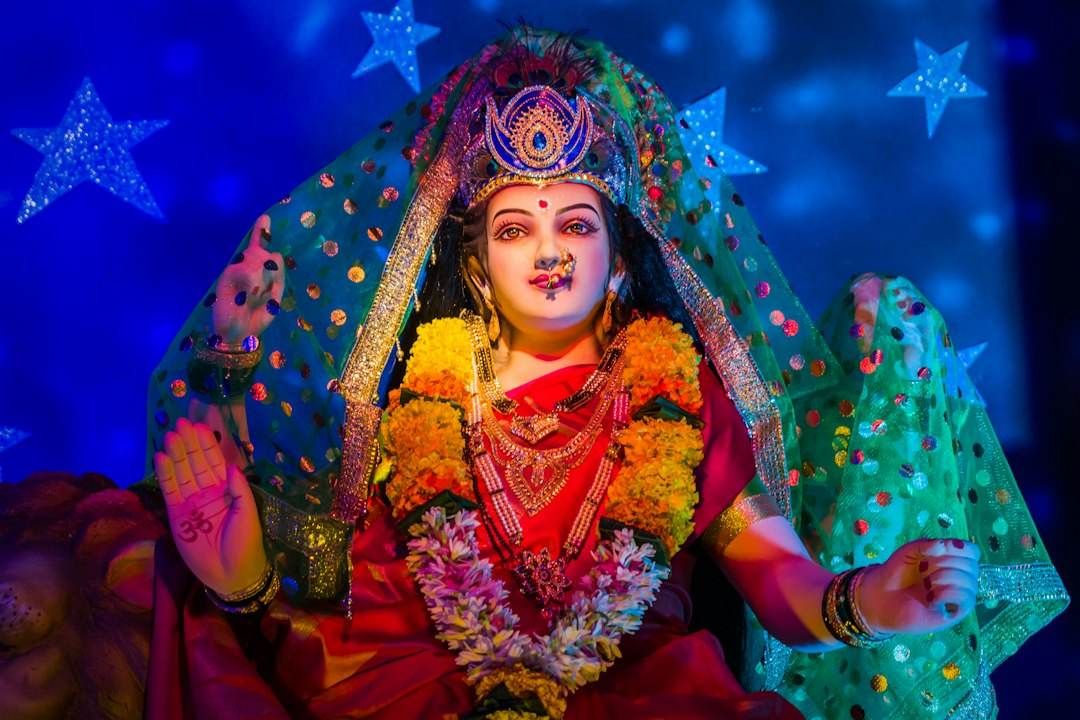
Maa Skandamata's Form and Symbolism
The appearance of Skandamata itself carries symbolic meaning.
Child Skanda in Her Lap
This represents motherhood, nurturing and the responsibility of raising strength and wisdom.
Lotus Flowers
Lotus flowers represent spiritual purity and the ability to remain inwardly untouched even while living in the material world.
Lion as Her Vehicle
The lion represents courage and fearlessness.
Blessing Hand
Her blessing gesture represents protection, compassion and divine grace.
Together, these symbols show that Skandamata combines gentleness with extraordinary strength.
Importance of Motherhood in Skandamata Worship
Skandamata offers a broader spiritual understanding of motherhood.
Motherhood is not limited to biological motherhood. It can represent any form of nurturing energy.
A teacher nurturing a student's potential, a person protecting someone vulnerable or an individual caring for an idea that may eventually benefit society can all reflect this principle.
Skandamata therefore represents the energy that allows something valuable to grow.
Her worship reminds us that creating strength in another person requires patience, wisdom and compassion.
Benefits of Worshipping Maa Skandamata
Traditional religious belief associates Skandamata worship with several spiritual blessings.
Wisdom and Knowledge
Devotees seek her blessings for greater wisdom and clarity.
Family Happiness
As the divine mother, she is worshipped for harmony and well-being within the family.
Blessings for Children
Many devotees pray to her for children's health, happiness and development.
Inner Peace
Her compassionate form symbolises emotional calm and stability.
Positive Energy
Worship on Navratri Day 5 is traditionally believed to encourage optimism and remove negativity.
Spiritual Growth
Her lotus symbolism represents the possibility of remaining spiritually centred amid worldly responsibilities.
These are traditional spiritual beliefs rather than guaranteed material outcomes.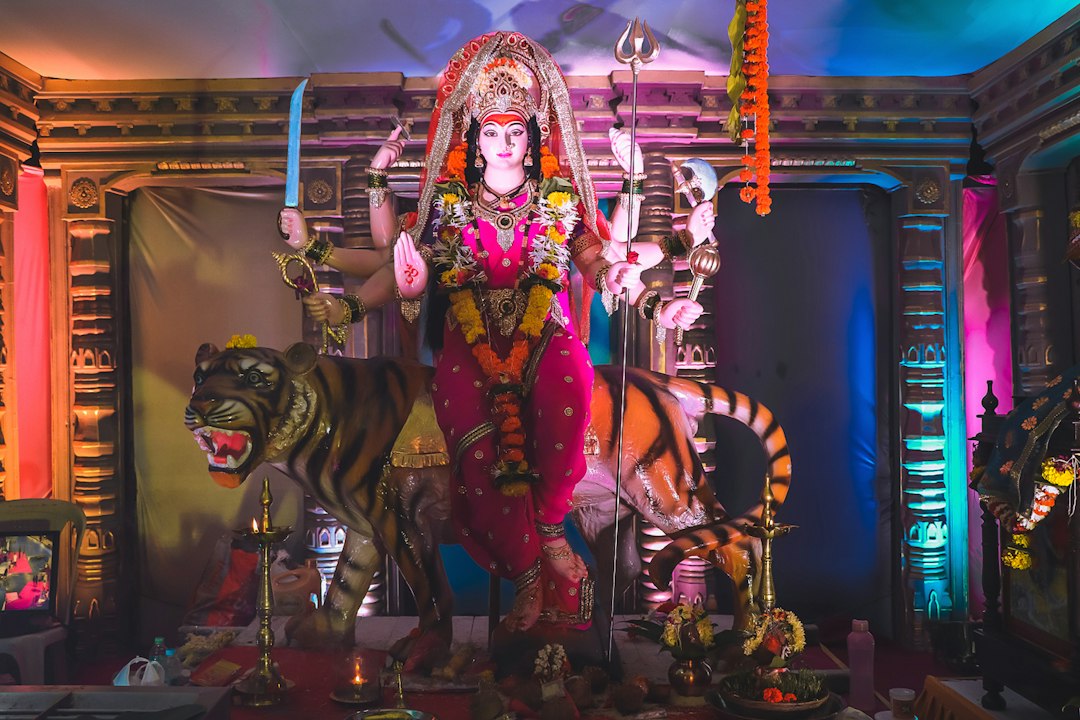
Skandamata and Lord Kartikeya
The connection between Skandamata and Kartikeya gives this form of the Goddess special meaning.
Kartikeya is known as a warrior deity associated with courage, leadership and victory.
Yet in the iconography of Skandamata, this powerful warrior is shown as a child resting safely in his mother's lap.
The image carries a profound message: even great courage begins with nurturing.
Before Kartikeya could become the warrior who defeated Tarakasura, he first received the protection and energy represented by the Divine Mother.
This makes Skandamata's story especially meaningful for parents, teachers and anyone responsible for guiding another person's growth.
What Should Devotees Do on Navratri Day 5?
Navratri Day 5 can be observed with a simple spiritual routine.
Wake up early.
Clean the puja space.
Wear yellow if following the 2026 Navratri colour tradition.
Perform Skandamata Puja.
Offer flowers and banana or yellow sweets.
Chant “Om Devi Skandamatayai Namah.”
Read her story.
Practise a few moments of silence or meditation.
Perform Aarti.
End the worship with gratitude.
The goal is not merely to complete rituals but to reflect on what nurturing, compassion and responsible strength mean in daily life.
Skandamata and the Heart Chakra
Some modern spiritual interpretations associate Skandamata with qualities of the heart, especially compassion and maternal love.
Although chakra associations can vary among traditions, her imagery naturally encourages reflection on unconditional love, protection and emotional balance.
Rather than focusing only on a specific chakra claim, devotees can use Day 5 as an opportunity to ask:
Am I nurturing the people I love without controlling them?
Can compassion and strength exist together?
What potential within me needs care and patience?
These questions translate Skandamata's symbolism into practical spiritual reflection.
Ahoi Ashtami Vrat Katha 2026 Read the Complete Ahoi Mata Story
Navratri Day 5 Fasting
Many devotees continue their Navratri vrat on the fifth day.
Depending on family practice, vrat-friendly foods may include:
fruits
milk
curd
sabudana
kuttu
singhara
potatoes
makhana
nuts
sendha namak preparations
The form of fasting varies greatly, and those with health conditions should follow a safe version appropriate to their needs.
The deeper purpose of Navratri fasting is traditionally self-discipline and spiritual focus rather than physical hardship.
Navratri Day 5: Skandamata at a Glance
Navratri Day: Day 5
Goddess: Maa Skandamata
2026 Date: Thursday, October 15, 2026
2026 Colour: Yellow
Mantra: Om Devi Skandamatayai Namah
Popular Bhog: Banana and yellow sweets such as besan ladoo
Vehicle: Lion
Divine Child: Lord Skanda / Kartikeya
Symbolism: Motherhood, compassion, wisdom, nurturing and courage
Personal Session
Sometimes we know that something in life needs to change but cannot clearly see the pattern holding us back. Whether your questions relate to relationships, career, emotional patterns, family, spiritual growth or life direction, a personal session can help you explore them with greater depth and awareness.
Book Now
Read Latest Articles
Ahoi Ashtami Vrat Katha 2026 Read the Complete Ahoi Mata Story
Bhai Dooj Date: Tilak Muhurat, Puja Time & Complete Vidhi
Frequently Asked Questions
Q.Who is worshipped on Navratri Day 5?
Navratri Day 5 is dedicated to Maa Skandamata, the fifth form of Goddess Durga and mother of Lord Kartikeya, also known as Skanda. In 2026, Day 5 falls on October 15. Devotees worship her for wisdom, peace, family well-being and maternal protection, chant Skandamata mantras and traditionally offer bananas or sweets.Q.Which Goddess is worshipped on Navratri Day 5?
Maa Skandamata, the fifth form of Navadurga, is worshipped on the fifth day.Q.When is Navratri Day 5 in 2026?
Navratri Day 5 falls on Thursday, October 15, 2026.Q. What is the Navratri Day 5 colour in 2026?
The widely followed Navratri colour for Day 5 in 2026 is yellow.Q.What is the mantra of Maa Skandamata?
A commonly recited mantra is “Om Devi Skandamatayai Namah.”Q.What bhog is offered to Skandamata?
Banana is traditionally popular, and yellow sweets such as besan ladoo are also commonly offered.Q.Why is Goddess Parvati called Skandamata?
She is called Skandamata because she is the mother of Lord Skanda, also known as Kartikeya.