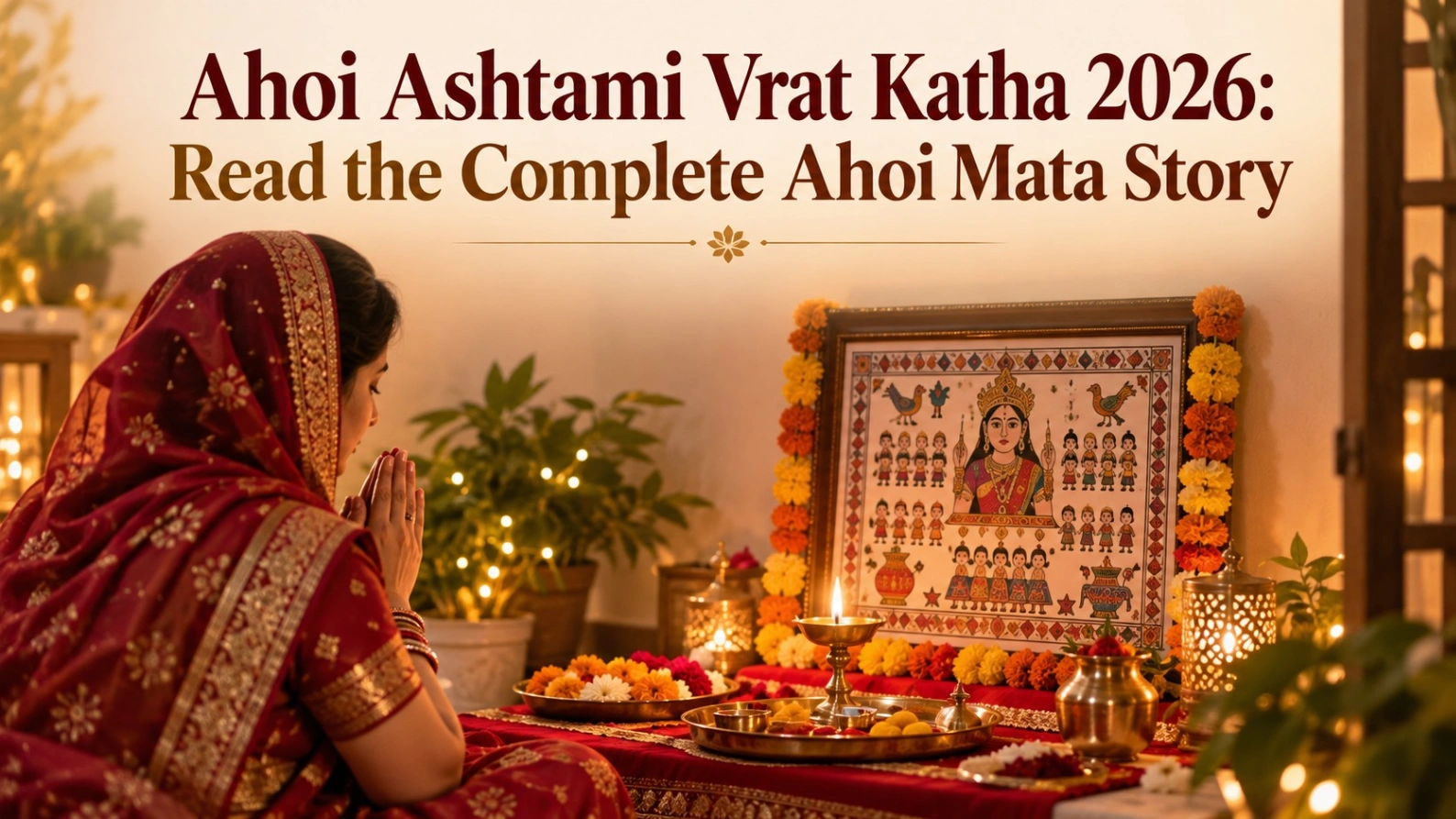
Ahoi Ashtami is one of the most important fasting observances celebrated mainly by mothers for the well-being, long life and happiness of their children. The festival is especially popular in North India and is observed a few days before Diwali. On this day, women keep a strict fast, worship Ahoi Mata, listen to the Ahoi Ashtami Vrat Katha and break the fast only after sighting the stars in the evening.
If you are searching for Ahoi Ashtami Vrat Katha 2026, Ahoi Ashtami will be observed on Sunday, November 1, 2026. Current Panchang listings for New Delhi show the Ahoi Ashtami Puja Muhurat from 5:36 PM to 6:54 PM, with star sighting around 6:00 PM. For Gurgaon, the same listings show Ashtami Tithi beginning at 2:51 PM on November 1 and ending at 1:10 PM on November 2, 2026. The fast is traditionally broken after sighting the stars, while some women also wait for moonrise later at night depending on local custom.
The heart of this observance is the Ahoi Mata Story, a traditional legend that teaches compassion, repentance, devotion and the power of sincere vrat. In modern practice, while Ahoi Ashtami was traditionally associated with sons, it is now widely observed for the well-being of all children, including daughters.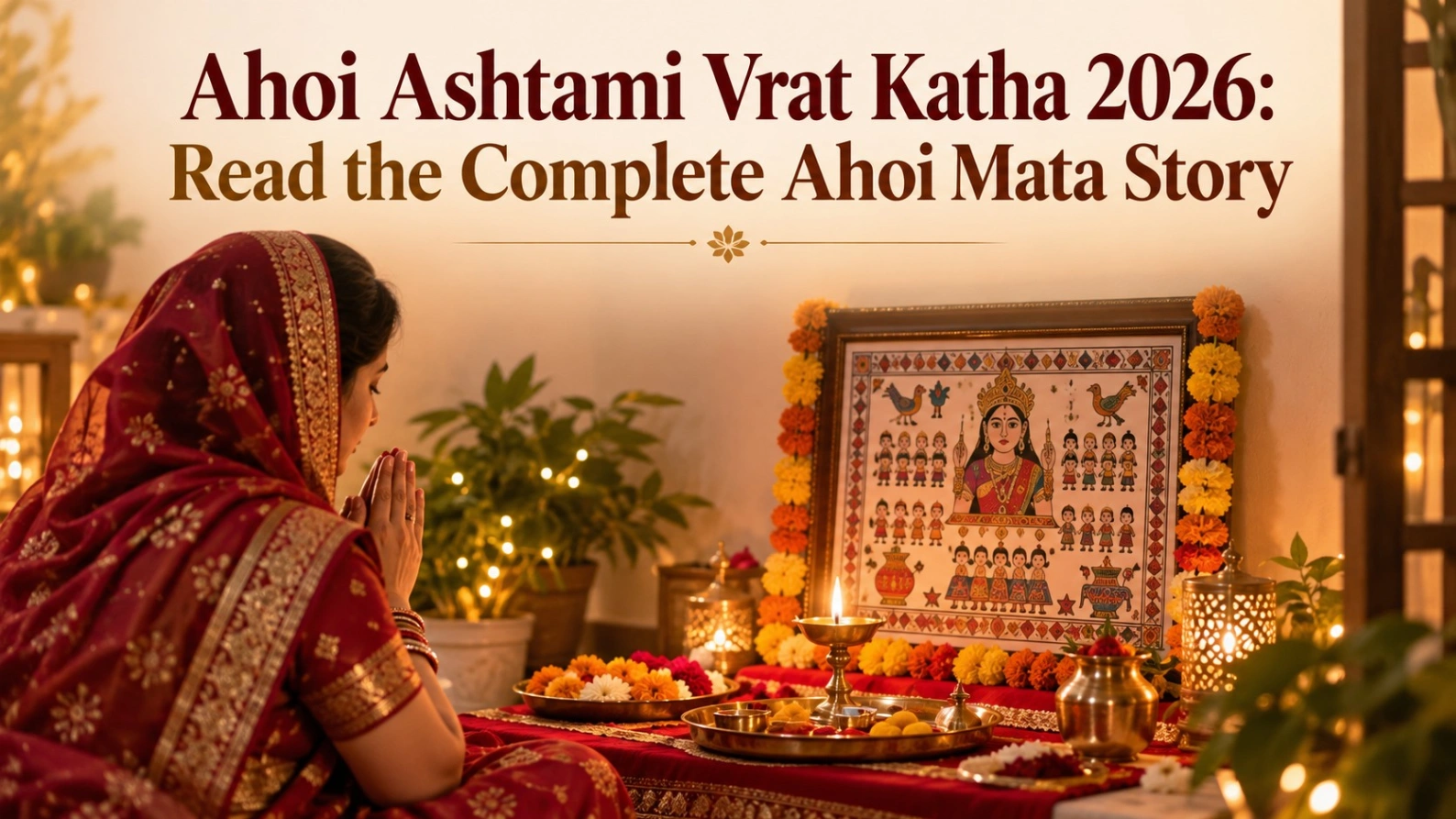
Ahoi Ashtami 2026 Date and Time
For those planning the vrat, the important Ahoi Ashtami 2026 details are:
Ahoi Ashtami Date: Sunday, November 1, 2026
Ahoi Ashtami Puja Muhurat in New Delhi: 5:36 PM to 6:54 PM
Sanjh / Evening Star Sighting Time in New Delhi: around 6:00 PM
Ashtami Tithi Begins: 2:51 PM on November 1, 2026
Ashtami Tithi Ends: 1:10 PM on November 2, 2026
Moonrise in New Delhi: approximately 11:40 PM
For Gurgaon and nearby areas, Panchang listings also show the same tithi window, with the fast traditionally broken after the stars are sighted in the evening rather than waiting necessarily for the late-night moonrise.
What Is Ahoi Ashtami?
Ahoi Ashtami is a sacred Hindu vrat observed mainly by mothers for the protection and prosperity of their children.
The word Ahoi is linked with the worship of Ahoi Mata, while Ashtami refers to the eighth day of the Krishna Paksha. The vrat falls about eight days before Diwali and around four days after Karwa Chauth, making it an important part of the pre-Diwali festive cycle in North India.
On this day, women observe a fast from sunrise until evening, draw or place the image of Ahoi Mata, offer prayers and hear the vrat katha. The day is strongly associated with motherhood, prayer, forgiveness and divine blessing.
Design Your Destiny
Ahoi Ashtami reminds us that love becomes sacred when it is joined with awareness, sincerity and prayer. The vrat katha also teaches that growth begins when we accept our mistakes, seek grace and live with deeper compassion.
Start Your Journey Today!Why Is Ahoi Ashtami Observed?
Ahoi Ashtami is observed for the health, protection, happiness and long life of children.
Traditionally, the vrat was kept especially for sons. However, modern practice has broadened the intention, and many mothers now observe the fast for the welfare of all their children regardless of gender.
The emotional centre of the festival lies in a mother’s prayerful concern for her child’s well-being. The fast becomes a sacred expression of love, faith and hope.
Ahoi Ashtami Vrat Katha 2026
The Ahoi Ashtami Vrat Katha is one of the most essential parts of the observance. While there are minor regional variations, the most well-known story is as follows:
Once, there lived a woman who had seven sons. On the day of Ahoi Ashtami, she went into the forest or the outskirts of the village to dig soil, as was customary in some traditions for household work during festive preparations.
While digging the earth, her tool accidentally struck a small creature, often described in traditional retellings as the young one of a porcupine or a similar burrowing animal. In some versions, the creature dies, and in others it is fatally injured.
The mother of the creature, distressed and angered by the act, cursed the woman, saying that just as she had caused the death of a child, her own children would also suffer.
The woman returned home troubled and afraid.
In time, the curse began to take effect, and she faced repeated sorrow in connection with her sons.
Grief-stricken, she realised that the suffering had begun after the accidental harm caused to the innocent creature.
Seeking relief, she prayed deeply and consulted the wise women or elders in the community.
She was advised to worship Ahoi Mata, repent sincerely, observe the Ahoi Ashtami fast with devotion, draw the image of Ahoi Mata along with the symbolic child figure, and pray wholeheartedly for forgiveness and the welfare of her children.
The woman followed this guidance with complete faith.
She observed the vrat strictly, listened to the katha, offered prayers and sought the blessings of Ahoi Mata.
Pleased with her devotion and repentance, Ahoi Mata forgave her and blessed her with the protection of her children.
From that time onward, the observance came to be associated with mothers praying for the safety, longevity and happiness of their children.
Meaning of the Ahoi Mata Story
The Ahoi Mata Story should be understood as a traditional religious legend carrying moral and spiritual meaning.
The central messages of the katha include:
the importance of compassion towards all living beings
the spiritual significance of repentance
the protective power of sincere prayer
the strength of a mother’s love and devotion
the role of fasting and discipline in religious observance
The story is not simply about fear or punishment. At its core, it is about transformation. A mistake made unknowingly leads to suffering, but sincere repentance and devotion open the path to grace and healing.
What Is Naraka Chaturdashi?History & Importance of Choti Diwali
Ahoi Mata and Her Symbolism
Ahoi Mata is worshipped as a protective maternal form who blesses children and safeguards family well-being.
Traditionally, mothers draw or install an image of Ahoi Mata on the wall, often along with symbolic figures representing children and, in many communities, the small animal involved in the legend.
This image becomes the focal point of evening worship.
The visual symbolism reminds devotees of the story itself and of the blessings sought through the vrat.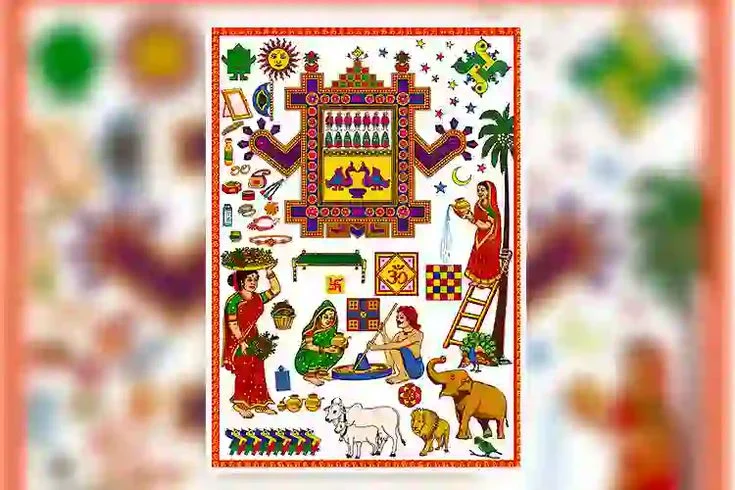
Ahoi Ashtami 2026 Puja Vidhi
The exact Ahoi Ashtami Puja Vidhi varies slightly by family tradition, but a simple and common sequence is as follows:
Wake up early and take a bath before sunrise.
Take a sankalp to observe the vrat for the well-being of your children.
Many women keep a nirjala fast, meaning without food and water, though customs differ.
In the evening, clean the puja area and draw or place the image of Ahoi Mata on the wall or on paper.
In some homes, a kalash is also placed nearby.
Offer roli, rice, milk, water, sweets and other traditional items according to family custom.
Light a diya.
Recite or listen to the Ahoi Ashtami Vrat Katha.
Offer prayers for your children’s long life, health, safety and happiness.
Wait for the stars to become visible in the evening sky. The fast is traditionally broken after sighting the stars. Some women also offer water or arghya according to local custom. Drik Panchang notes that the fast is broken during twilight after sighting stars, while some women choose to break it after the moon, though moonrise is often quite late at night.
Ahoi Ashtami Star Sighting and Moonrise
One of the distinctive aspects of Ahoi Ashtami is that the fast is generally not broken immediately after puja but after sighting the stars.
For New Delhi in 2026, Panchang listings show star sighting around 6:00 PM, while moonrise occurs much later at approximately 11:40 PM.
This is why many women traditionally break the fast after the stars rather than waiting for the moon.
However, traditions differ from family to family. Some households follow the star-sighting custom, while others include moonrise-based ritual elements.
Ahoi Ashtami Vrat Rules
The vrat is considered one of the stricter fasts observed by many married women.
Common rules include:
fasting from sunrise until evening
in many traditions, avoiding both food and water
maintaining a sattvic and prayerful attitude
avoiding anger and negative speech
performing the evening puja with devotion
hearing the vrat katha
breaking the fast after sighting the stars
These practices may vary according to age, health and family tradition. Those with health conditions should prioritise well-being and adapt the fast in a practical and safe manner.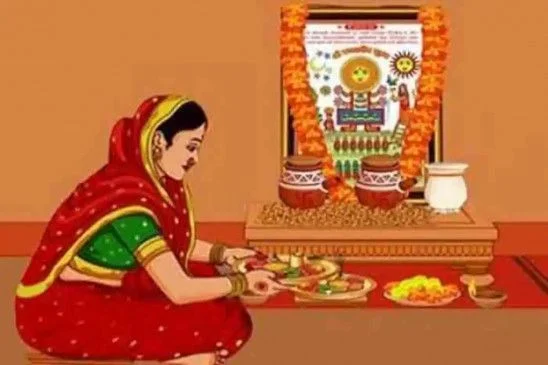
Spiritual Significance of Ahoi Ashtami
Ahoi Ashtami is deeply moving because it combines ritual with emotional sincerity.
Unlike many fasts focused only on prosperity or personal wish fulfilment, Ahoi Ashtami carries the tenderness of maternal prayer.
Its spiritual significance includes:
1. Prayer for Children
The core intention of the vrat is the well-being of children.
2. Maternal Devotion
It reflects selfless love and protective concern.
3. Repentance and Forgiveness
The katha highlights the possibility of grace after an unintended mistake.
4. Respect for Life
The story teaches compassion towards all living beings.
5. Inner Discipline
Fasting creates a space for patience, restraint and prayer.
Sharad Purnima 2026 Vrat Katha: Story, Puja Vidhi & Benefits
Traditional Benefits of Ahoi Ashtami Vrat
The benefits of Ahoi Ashtami are traditionally understood within the framework of faith and religious belief.
Devotees believe that observing the vrat sincerely can bring:
blessings for children’s health and safety
peace and harmony within the family
divine protection
emotional strength to mothers
spiritual merit through prayer and self-discipline
These should be presented as matters of traditional belief rather than guaranteed outcomes.
How Ahoi Ashtami Is Celebrated Today
Ahoi Ashtami continues to be widely observed in modern homes, especially in North India.
Today, the festival may be celebrated with:
wall art or printed images of Ahoi Mata
community katha gatherings
home pujas
family fasting traditions
prayers for both sons and daughters
sharing prasad after star sighting
Even as practices evolve, the essence remains unchanged: a mother prays lovingly and faithfully for her child.
Ahoi Ashtami 2026 at a Glance
Festival: Ahoi Ashtami
Date: Sunday, November 1, 2026
Main Worship: Ahoi Mata
Purpose: Well-being and long life of children
Puja Muhurat in New Delhi: 5:36 PM to 6:54 PM
Evening Star Sighting: around 6:00 PM
Moonrise in New Delhi: approximately 11:40 PM
Ashtami Tithi Begins: 2:51 PM on November 1
Ashtami Tithi Ends: 1:10 PM on November 2
Personal Session
Sometimes the most important questions in life are deeply personal. If you are seeking clarity around your relationships, family, emotional challenges, spiritual growth or life direction, a personal session can help you explore your path with greater depth and awareness.
Book Now
Read Latest Articles
9 Colour of Navratri 2026: DayWise List, Date & Significance
Bhai Dooj Date: Tilak Muhurat, Puja Time & Complete Vidhi
Frequently Asked Questions
Q.What is the Ahoi Ashtami Vrat Katha?
The Ahoi Ashtami Vrat Katha is the traditional story of a mother who accidentally harms a young creature and is later blessed by Ahoi Mata after observing the fast with repentance and devotion. The story symbolises maternal love, prayer, forgiveness and the belief that sincere vrat can bring protection and blessings for children.Q.When is Ahoi Ashtami in 2026?
Ahoi Ashtami will be observed on Sunday, November 1, 2026.Q.What is the Ahoi Ashtami Vrat Katha about?
It is the traditional story of a mother who accidentally harms a small creature, suffers because of a curse and then receives Ahoi Mata’s blessings through sincere fasting and worship.Q.Who is Ahoi Mata?
Ahoi Mata is worshipped as a protective maternal deity whose blessings are sought for children’s long life, safety and well-being.Q.Why is Ahoi Ashtami observed?
The vrat is observed mainly by mothers for the health, protection and happiness of their children.Q.Is Ahoi Ashtami only for sons?
Traditionally it was observed especially for sons, but today many families keep the fast for the well-being of all children, including daughters.Q.When is the Ahoi fast broken?
The fast is traditionally broken after sighting the stars in the evening.