

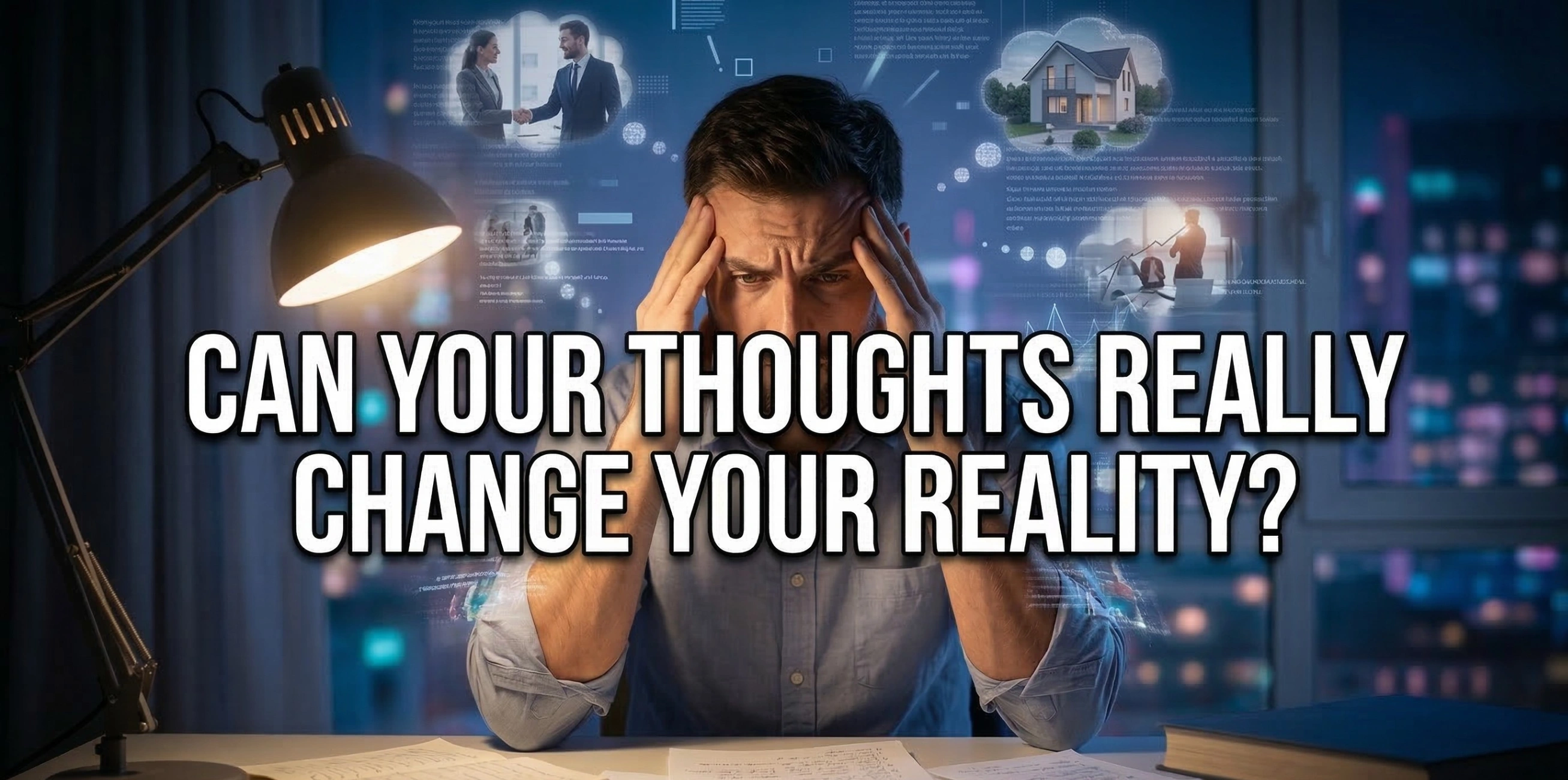
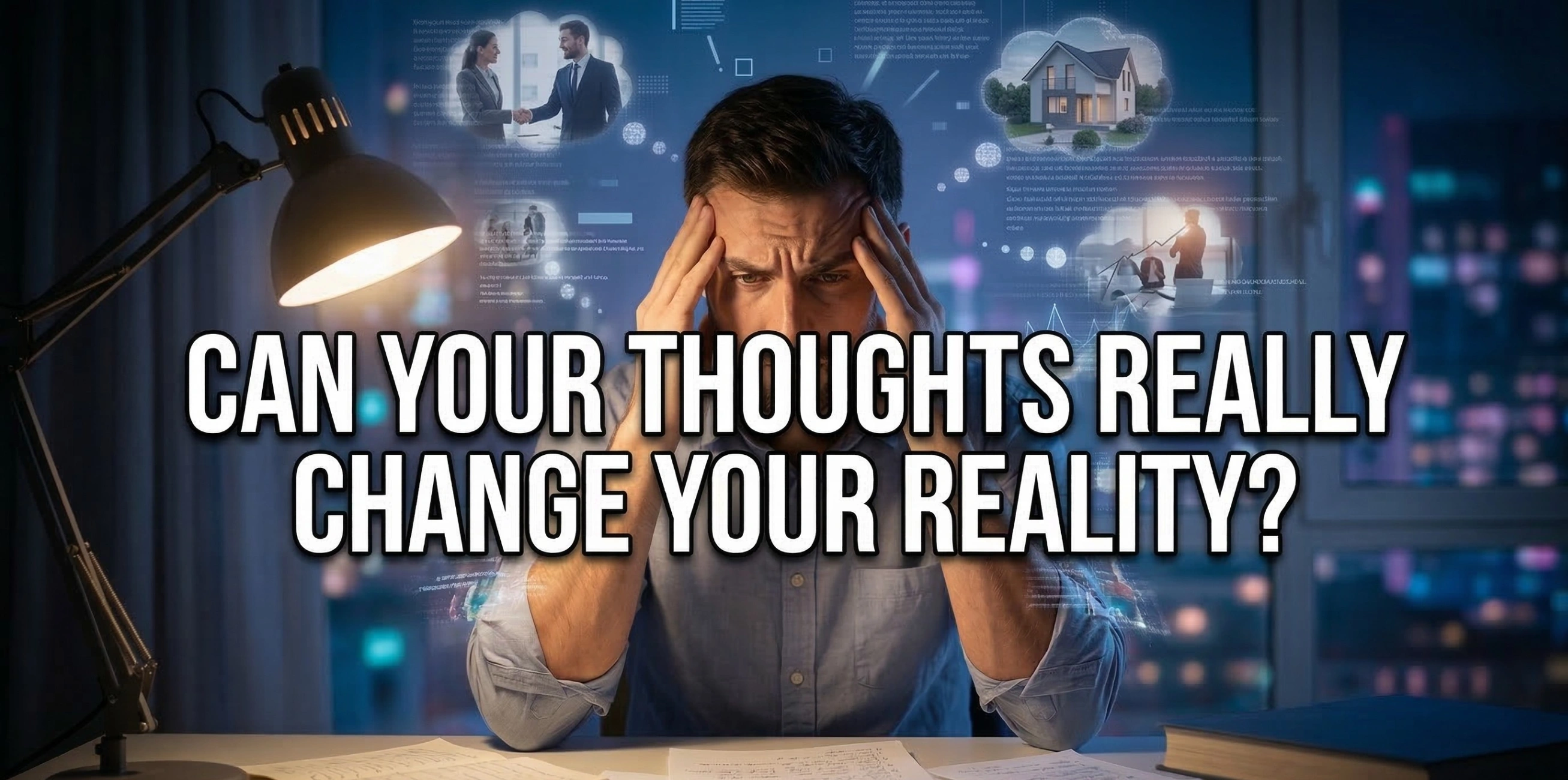
Human beings have always been fascinated by a powerful question: can thoughts change reality? Many spiritual traditions, modern psychology, and self-development philosophies suggest that the way we think shapes the way we experience life. From the law of attraction to the power of the subconscious mind, people often believe that thoughts have the ability to influence success, happiness, relationships, and opportunities.
But is there truth behind this idea? Can positive thinking truly change your life, or is it just motivational philosophy?
In this article, we will explore the power of thoughts, manifestation psychology, subconscious beliefs, and the science behind mindset and reality. By understanding how your mind works, you can learn how your thoughts influence your behavior, decisions, and ultimately your life outcomes.
The Power of Thoughts: Do Thoughts Really Create Reality?
The concept that thoughts become reality is widely discussed in both spirituality and psychology. At its core, this idea suggests that the way we think influences the actions we take and the experiences we attract.
Your thoughts constantly shape:
Your emotions
Your behavior
Your decisions
Your expectations
For example, someone who constantly believes they will fail may subconsciously avoid opportunities or act with hesitation. Over time, those behaviors may lead to outcomes that reinforce their beliefs.
On the other hand, someone with a strong belief in their ability to succeed is more likely to take risks, persist through challenges, and recognize opportunities.
In this sense, thoughts affect reality indirectly by shaping the way we behave and respond to life.
Law of Attraction: The Idea Behind Manifestation

The law of attraction suggests that your thoughts and emotions act like magnets, attracting experiences that match your mental state. According to this philosophy, focusing on positive outcomes and clear intentions helps you attract success and abundance.
This idea became popular through books and teachings about manifestation techniques, which encourage practices such as:
Visualization
Positive affirmations
Gratitude exercises
Goal-focused thinking
While the law of attraction manifestation philosophy emphasizes energy and attraction, many psychologists explain its effectiveness through mindset and behavior.
When you believe something is possible, you naturally begin acting in ways that increase the chances of achieving it.
The Science of Positive Thinking
Modern psychology offers a practical explanation for the power of positive thinking.
Research in cognitive psychology suggests that your mindset can influence motivation, resilience, and decision-making.
Positive thinking can:
Increase confidence
Improve problem-solving ability
Encourage persistence
Reduce stress and anxiety
For instance, studies on mindset and success psychology show that people with a growth mindset are more likely to develop skills, overcome setbacks, and achieve long-term goals.
This means that positive thinking power may not magically change the universe, but it can dramatically change how you interact with it.
How the Subconscious Mind Shapes Reality
Your subconscious mind plays a powerful role in shaping your behavior and life patterns.
The subconscious stores:
Beliefs
Habits
Emotional responses
Past experiences
Many of these patterns influence your decisions without your awareness.
For example, if someone has deep subconscious beliefs that money is difficult to earn, they may unconsciously limit their financial opportunities.
This is why many personal development teachings emphasize reprogramming the subconscious mind.
Techniques used to influence the subconscious include:
Visualization techniques for manifestation
Meditation
Affirmations
Journaling
Repetition of empowering beliefs
Over time, these practices can shift mental patterns and change how you approach opportunities.
How Mindset Shapes Reality
The connection between mindset and reality is strongly supported by psychology.
Your mindset determines how you interpret events in your life.
Two people can experience the same situation but interpret it very differently.
For example:
One person sees failure as proof they are incapable.
Another sees failure as a learning opportunity.
This difference in thinking shapes future behavior.
A negative mindset often leads to avoidance, fear, and self-doubt. A growth-oriented mindset leads to learning, resilience, and progress.
In this way, changing your mindset can gradually change your reality.
Manifestation vs Science: Finding the Balance
There is often debate between manifestation beliefs and scientific explanations.
Some people believe thoughts directly attract events through energy or vibration. Others argue that manifestation works because of psychological mechanisms.
The truth likely lies somewhere in between.
Thoughts alone may not magically change external reality, but they strongly influence:
Focus
Behavior
Confidence
Opportunities you notice
For example, when you clearly define a goal, your brain begins noticing relevant opportunities more often. This psychological process is known as the reticular activating system.
So when people say they “manifested” something, it may be because their mindset helped them recognize and pursue opportunities more effectively.
How Thoughts Influence Your Life

Your thoughts affect nearly every area of life.
1. Decision Making
Your beliefs influence how you evaluate risks and opportunities.
People who believe in their potential are more willing to try new things and pursue ambitious goals.
2. Emotional Well-Being
Your thinking patterns affect mental health.
Negative thought loops can increase stress and anxiety, while positive thinking improves emotional stability.
3. Relationships
The way you think about yourself and others shapes your interactions.
People with healthier self-beliefs often build stronger and more supportive relationships.
4. Career and Success
Your mental attitude affects productivity, confidence, and leadership.
Many successful individuals emphasize the importance of mindset transformation techniques in achieving long-term success.
How to Train Your Mind for Success
If thoughts influence behavior and outcomes, the next question becomes: how can you train your mind effectively?
Here are practical strategies supported by both psychology and personal development.
1. Become Aware of Your Thought Patterns
The first step is awareness.
Observe how you talk to yourself internally. Many people carry negative inner dialogue without realizing it.
Recognizing these patterns helps you challenge limiting beliefs.
2. Practice Visualization
Visualization techniques help your brain mentally rehearse success.
Athletes and performers often use visualization to improve performance and confidence.
When you imagine achieving a goal, your brain becomes more familiar with that possibility.
3. Reprogram Limiting Beliefs
Many people struggle with subconscious beliefs formed during childhood or past experiences.
You can begin changing these beliefs through:
Affirmations
Journaling
Cognitive reframing
Over time, new beliefs can reshape your mindset.
4. Focus on Actions, Not Just Thoughts
Positive thinking alone is not enough.
Thoughts become powerful only when combined with consistent action.
Your mindset should guide behavior that moves you closer to your goals.
5. Develop a Growth Mindset
A growth mindset allows you to see challenges as opportunities.
Instead of fearing mistakes, you treat them as feedback.
This mindset shift alone can significantly change life outcomes.
Can Thinking Positive Change Your Life?
Positive thinking does not mean ignoring problems or pretending everything is perfect.
Instead, it means approaching challenges with constructive thinking and resilience.
When you train your mind to focus on possibilities rather than limitations, you naturally:
Become more motivated
Handle stress better
Build stronger habits
Stay persistent during setbacks
Over time, these behaviors can create significant changes in your life.
The Real Truth: Thoughts Shape the Path to Reality
So, can thoughts really change reality?
Thoughts may not instantly transform external circumstances, but they strongly influence how you respond to the world.
Your thoughts shape:
Your beliefs
Your emotions
Your actions
Your opportunities
When you change your mindset, you change the choices you make. Those choices gradually shape your life.
In that sense, your thoughts do not magically create reality but they play a powerful role in shaping it.
Learning to manage your thoughts, beliefs, and mental patterns is one of the most valuable skills for personal growth.
If you want to understand the deeper power of your mind, thoughts, and life direction, explore the Design Your Destiny program.
This transformational journey helps you understand how your mindset, beliefs, and consciousness shape your life experiences.