Artificial intelligence is rapidly becoming part of our everyday lives. From search engines and recommendation systems to virtual assistants and chatbots, AI is changing the way we communicate, work, learn, and access information. Now, artificial intelligence is also entering the field of mental healthcare. AI-powered mental health tools are being developed to provide emotional support, assist with mental health screening, track mood and behaviour, and make psychological resources more accessible. This growing connection between AI and mental health raises an important question: Can AI really understand your mental health?
The answer is not as simple as yes or no. AI can analyse large amounts of information, recognize patterns in language and behaviour, and provide responses based on the information it receives. It may help identify patterns associated with stress, anxiety, depression, or other mental health concerns. However, identifying patterns is very different from genuinely understanding a person's emotions, experiences, relationships, history, and circumstances. AI can process information about you, but that does not necessarily mean it understands you in the same way a human being or qualified mental health professional can.
What Does AI in Mental Health Actually Mean?
AI and mental health refers to the use of artificial intelligence technologies to support different aspects of mental healthcare and emotional wellbeing. Depending on the technology, AI can be used for mental health screening, mood tracking, psychological assessment, emotional support, psychoeducation, and personalized digital interventions. Some AI mental health tools use natural language processing to analyse written or spoken communication, while other systems use machine learning to identify patterns in information collected over time.
For example, an AI mental health tool may ask questions about a person's mood, sleep, energy levels, concentration, stress, or daily activities. Based on the responses, the system may identify patterns that could suggest that someone should pay greater attention to their mental wellbeing. This can potentially make AI mental health screening useful as an initial awareness tool. However, screening should not automatically be considered a diagnosis. A screening result may suggest that further evaluation could be helpful, but understanding the reason behind someone's symptoms requires a much broader assessment.
Design Your Destiny
Ready to Understand Yourself Better? AI can provide information, but meaningful personal growth begins with understanding yourself—your thoughts, emotions, habits, choices, and the patterns that shape your life. Design Your Destiny is an opportunity to develop deeper self-awareness and consciously work towards a more balanced, purposeful, and fulfilling life.
Start Your Journey Today!Can AI Really Understand Your Mental Health?
The biggest limitation of artificial intelligence is that recognizing a pattern is not the same as understanding a human experience. Imagine someone tells an AI chatbot, “I don't feel like doing anything anymore.” An AI system may recognize that this statement can sometimes be associated with depression, low mood, burnout, or emotional distress. However, there could be many reasons behind those words.
The person may be experiencing grief, relationship problems, work-related stress, financial difficulties, physical exhaustion, a temporary emotional reaction, or symptoms of a mental health condition. Understanding which possibility applies requires context. A qualified professional can ask follow-up questions, explore the person's history, understand their circumstances, and assess how their experiences affect their daily life.
AI can respond to language, but it does not automatically possess the complete personal context behind that language. This is one of the most important limitations of AI in mental health.
How Does AI Mental Health Assessment Work?
An AI mental health assessment generally involves using artificial intelligence to analyse information provided by a person and identify patterns that may be relevant to mental wellbeing. Depending on the particular system, this information could include questionnaire responses, written messages, speech patterns, mood records, behavioural information, or other digital data.
For example, an AI mental health screening tool may ask a person about sleep, appetite, concentration, motivation, anxiety, mood, and everyday functioning. It can then analyse the responses and provide information about whether certain patterns may deserve further attention. This may encourage people to become more aware of their mental wellbeing and seek appropriate support when necessary.
However, it is important to understand that an AI assessment is not necessarily equivalent to a professional psychological assessment. Mental health conditions are complex, and symptoms can overlap between different conditions. Problems with sleep, for instance, can occur because of stress, anxiety, depression, physical illness, lifestyle changes, medication, or many other factors. An AI system may recognize the symptom, but determining its underlying cause requires appropriate context and professional evaluation.
Can AI Detect Depression or Anxiety?
Researchers and technology developers are exploring whether artificial intelligence can identify patterns associated with depression, anxiety, stress, and other mental health concerns. AI may analyse language, responses to questionnaires, speech characteristics, behavioural patterns, or information collected through digital tools. This has created interest in using AI for early identification and mental health screening.
However, can AI detect mental health problems is a different question from whether AI can diagnose them. An AI system may identify a pattern that appears consistent with certain symptoms, but this does not necessarily mean that the person has a particular mental health condition.
For example, feeling anxious before an important examination or interview is a common human experience. Persistent anxiety that significantly interferes with everyday functioning is a different situation. Similarly, experiencing sadness after a difficult life event does not automatically mean that someone has depression. Mental health assessment requires consideration of the severity, duration, context, and impact of symptoms. This is why AI-generated information should be treated cautiously and not as a substitute for professional diagnosis.
Will Artificial Intelligence Ever Develop Consciousness?
What Are the Benefits of AI Mental Health Support?
There are several reasons why AI mental health support is receiving increasing attention. One potential advantage is accessibility. Not everyone can immediately access a psychologist, psychiatrist, counsellor, or therapist. Location, cost, availability, stigma, and long waiting periods can create barriers to mental healthcare. Digital tools may provide people with general mental health information and resources when professional services are not immediately accessible.
AI can also potentially encourage mental health awareness. Some people may not recognize that changes in their mood, sleep, behaviour, or emotional wellbeing deserve attention. A digital tool may encourage them to reflect on these changes and consider seeking appropriate support.
Another potential benefit is personalization. AI systems can analyse information provided by users and potentially tailor educational content, reminders, exercises, or resources according to their responses. Some digital tools can also help people track changes in mood or behaviour over time. Such records may become useful when discussing patterns with a healthcare professional.
However, these benefits should be viewed as supportive rather than definitive. Technology can help people access information and become more aware of their wellbeing, but it does not eliminate the need for appropriate human care.
Is AI Therapy Safe?
The question “Is AI therapy safe?” is becoming increasingly important as more people turn to AI chatbots and digital platforms for emotional support. The answer depends on the particular technology, how it was designed, how it has been tested, what information it collects, how that information is stored, and whether qualified professionals were involved in its development and oversight.
AI systems can make mistakes. A chatbot may misunderstand a person's statement, overlook important context, provide an inappropriate response, or communicate information too confidently. These limitations can become especially important when someone is dealing with serious emotional distress.
There is also the issue of privacy. People may share extremely personal information with an AI system, including details about relationships, family problems, emotional struggles, trauma, or other sensitive experiences. Before using an AI mental health platform, people should understand what information the service collects, how that information is stored, whether it is shared with third parties, and what options are available for managing or deleting their data.
Can AI Replace a Therapist?
One of the most common questions surrounding AI and mental health is whether artificial intelligence could eventually replace therapists. AI can potentially assist with certain tasks, including providing general information, helping users reflect on their thoughts, tracking mood, and offering structured digital exercises. However, these functions do not necessarily reproduce the complete therapeutic relationship.
A human therapist can consider a person's history, relationships, environment, communication style, emotional responses, cultural background, life circumstances, and individual goals. A therapist can also ask follow-up questions, recognize ambiguity, adapt their approach, and use professional judgment when assessing a person's situation.
The therapeutic relationship itself can also be an important part of mental healthcare. Being listened to by another human being and developing a relationship based on trust, understanding, and professional support is different from interacting with an algorithm.
Therefore, rather than thinking about AI therapy vs human therapist as a simple competition, it may be more useful to consider how technology can responsibly support professionals and improve access to mental health resources.
What Are the Limitations of AI in Mental Health?
Understanding the limitations of AI in mental health is essential before relying on any AI-powered tool. One major limitation is that AI does not experience emotions in the human sense. It can generate language that sounds empathetic because it has been trained to recognize patterns in language, but producing an empathetic response is not the same as personally experiencing compassion, sadness, fear, grief, or joy.
AI can also misunderstand context. Human communication is often indirect and complicated. A sentence can mean different things depending on the situation, tone, relationship, culture, and personal history behind it. AI may not always have access to these factors.
Another limitation is accuracy. AI systems can sometimes generate incorrect information or responses that sound convincing even when they are wrong. This is particularly important when discussing mental healthcare because people may make important decisions based on what they are told.
AI also cannot independently understand every aspect of a person's clinical history. Mental health assessment may involve information about symptoms, relationships, physical health, medications, previous treatment, personal circumstances, and changes over time. A chatbot cannot automatically obtain or correctly interpret all of this information.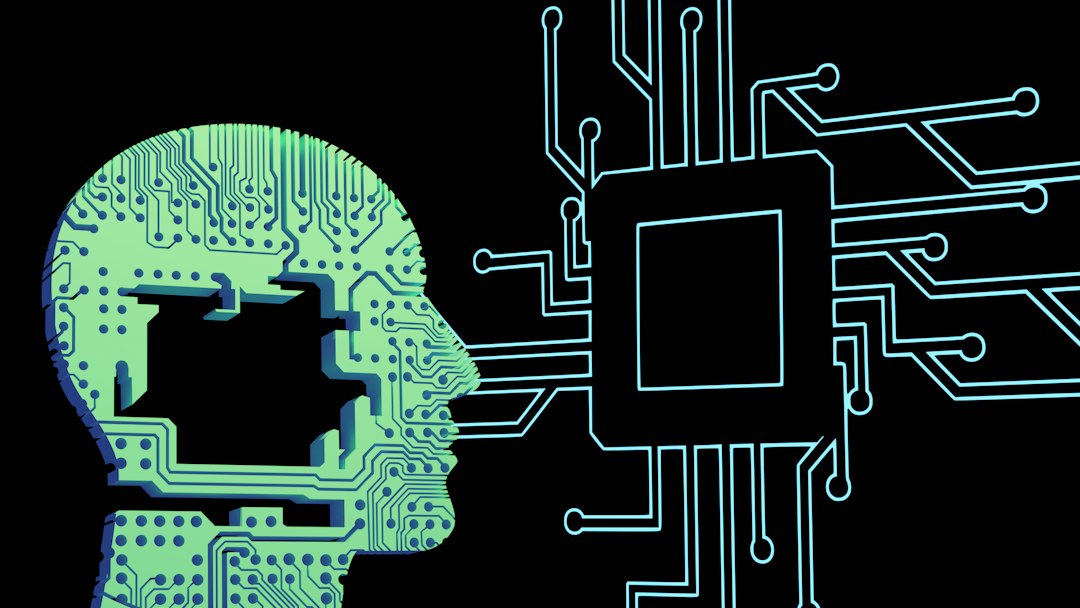
AI and Mental Health Privacy
Privacy is another major concern surrounding AI mental health tools. Mental health information can be deeply personal. When people communicate with an AI system, they may share information that they would not normally disclose publicly. This makes it important to understand how a particular platform handles personal information.
Before using an AI-based mental health service, users should look at its privacy policy and understand what data is collected, how it is stored, whether it can be shared with third parties, and how long it may be retained. People should also avoid assuming that every AI chatbot provides the same level of privacy or security.
Convenience should not mean giving up awareness of how personal information is being used. When it comes to mental health technology, privacy and ethical considerations should remain central to the conversation.
Why Human Understanding Still Matters
Mental healthcare is ultimately about people. Technology can analyse information, recognize patterns, provide educational resources, and potentially make mental health support more accessible. But emotional wellbeing is influenced by relationships, experiences, culture, environment, physical health, personal history, and individual meaning.
A human professional can listen to someone's story and understand it within the context of their life. They can ask questions, notice changes, explore underlying issues, and adapt their approach. These elements make human involvement particularly important in mental healthcare.
This does not mean that AI has no place in mental health. Instead, it suggests that AI should be used thoughtfully and responsibly. The goal should not necessarily be to replace human professionals, but to explore how technology can support people and professionals while preserving the human element of care.
Future of Humanity: Technology Needs Inner Growth!
So, Can AI Really Understand Your Mental Health?
AI can analyse information, identify patterns, provide general mental health information, support screening, and potentially help people become more aware of their emotional wellbeing. However, AI cannot fully understand your mental health in the same comprehensive way that a qualified mental health professional can.
AI can recognize patterns without fully understanding the story behind them. It can generate empathetic language without experiencing your emotions. It can provide information without knowing every aspect of your personal circumstances.
This is why AI should be considered a potential supportive tool rather than an automatic replacement for professional mental healthcare. If you are experiencing persistent changes in mood, anxiety, sleep, behaviour, relationships, or everyday functioning, speaking with a qualified mental health professional can help you understand what may be happening and what kind of support could be appropriate.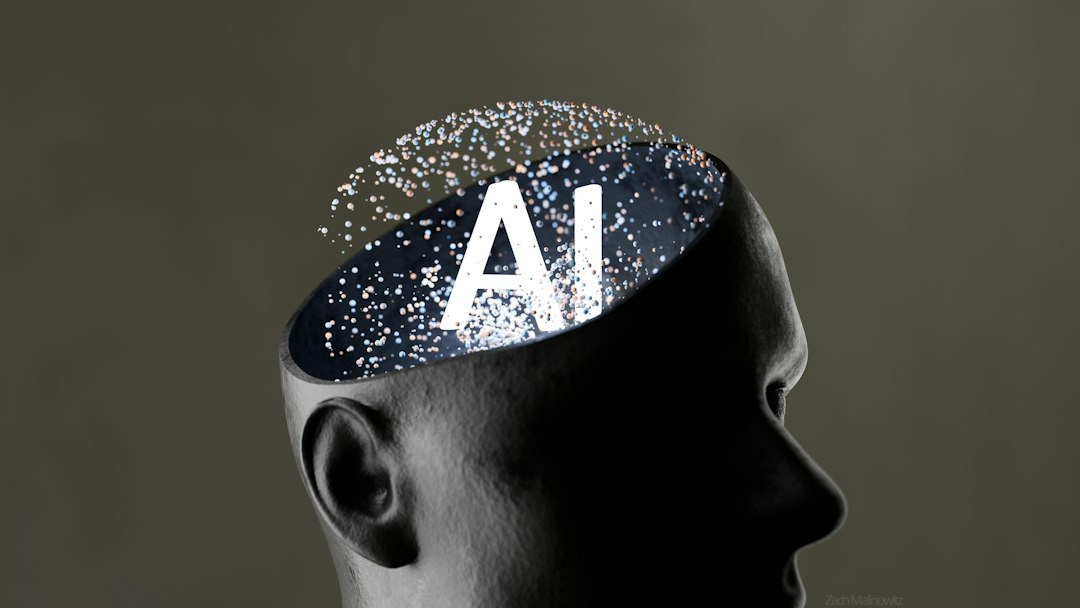
The Future of AI and Mental Health
The relationship between AI and mental health will likely continue to evolve as technology becomes more sophisticated. AI may increasingly be used to support mental health screening, personalize digital interventions, assist healthcare professionals, monitor patterns, and improve access to mental health information.
However, technological progress should be accompanied by strong attention to safety, privacy, transparency, accuracy, ethics, and human oversight. The most important question should not simply be whether AI can become more intelligent. It should be whether AI can be developed and used in ways that genuinely improve people's emotional wellbeing without creating unnecessary risks.
The future of mental healthcare may not be about choosing between artificial intelligence and human professionals. Instead, it may involve finding responsible ways for technology and human expertise to work together. AI can process data and recognize patterns, but human beings bring empathy, lived experience, context, professional judgment, and genuine human connection.
AI may become an important part of mental healthcare, but understanding a human mind is about much more than understanding data.
Personal Session
Sometimes, You Need More Than an AI Conversation Technology can provide information, but your experiences are personal—and sometimes they deserve personal attention. If you want to explore your thoughts, emotions, challenges, or goals in greater depth, a Personal Session can provide a space for meaningful reflection and guidance.
Book Now
Read Latest Articles
What Is My Purpose in Life?How to Discover Your True Calling
Bhai Dooj Date: Tilak Muhurat, Puja Time & Complete Vidhi
Frequently Asked Questions
Can AI really understand your mental health?
AI can identify patterns in language, behaviour, and responses that may be associated with mental health concerns, but it cannot fully understand a person's emotions, personal history, relationships, and life circumstances. AI can support mental health screening and provide general information, but it should not be considered a complete replacement for assessment or care from a qualified mental health professional.Can AI detect mental health problems?
AI can identify patterns that may be associated with concerns such as anxiety, depression, or stress. However, identifying a pattern is not the same as making a diagnosis. Professional assessment may be necessary to understand symptoms and their underlying causes.Can AI replace a therapist?
AI can support certain aspects of mental healthcare, such as education, journaling, mood tracking, and general information. However, it cannot fully reproduce the professional judgment, human connection, contextual understanding, and personalized care provided by a qualified therapist.Is AI therapy safe?
The safety of AI therapy depends on the specific platform, its design, privacy practices, accuracy, and level of professional oversight. Users should understand how their information is handled and remember that AI systems can make mistakes.Can AI diagnose depression?
AI may identify patterns associated with depression, but identifying those patterns does not establish a clinical diagnosis. A qualified mental health professional should evaluate symptoms, duration, severity, context, and their impact on everyday life.What are the benefits of AI in mental health?
Potential benefits include increased access to information, mental health screening, mood tracking, personalized digital resources, and support between professional appointments. The usefulness of these tools depends on their quality and appropriate use.What are the risks of AI mental health tools?
Potential concerns include inaccurate responses, misunderstanding context, privacy risks, inappropriate recommendations, overreliance on technology, and delaying appropriate professional support.Should you share personal information with an AI chatbot?
Users should be cautious when sharing highly sensitive information. Before using an AI chatbot for mental health support, review its privacy policy and understand what information it collects, stores, and potentially shares.