
Examinations are an important part of student life, but the pressure to achieve high marks can sometimes become overwhelming. Students may worry about disappointing their parents, failing an important exam, competing with classmates, or choosing the right career. Even after studying for hours, some students struggle to concentrate because their minds remain occupied with the possible outcome.
The Bhagavad Gita for exam stress offers timeless wisdom that can help students approach these challenges with greater clarity, patience, and self-awareness. Through the conversation between Lord Krishna and Arjuna, the Bhagavad Gita explores fear, duty, discipline, attachment, and the importance of maintaining mental balance during difficult situations.
Although the Bhagavad Gita is a spiritual text rather than a modern study manual, its teachings can be applied to everyday academic challenges. Students can use these principles alongside effective study techniques, adequate sleep, regular breaks, and appropriate support when stress becomes difficult to manage.
Why Do Students Experience Exam Stress?
Exam stress often develops when students begin to associate their marks with their intelligence, identity, or future success. A single examination may start to feel like a judgment of their entire life.
Common causes of exam stress include:
Fear of failing or receiving lower marks than expected.
Pressure from parents, teachers, and society.
Comparing academic performance with friends.
Worrying about college admissions and career opportunities.
Difficulty concentrating because of overthinking.
Feeling unprepared despite spending considerable time studying.
Some stress can encourage preparation, but excessive anxiety may interfere with concentration, sleep, memory, and confidence. This is where the Bhagavad Gita's emphasis on right action, self-discipline, and equanimity becomes especially relevant.
1. Focus on Your Effort, Not Only the Result
One of the best-known teachings of the Bhagavad Gita appears in Chapter 2, Verse 47.
Bhagavad Gita 2.47 — Karmaṇy evādhikāras te
This verse teaches that a person should focus on performing their duty without becoming attached to the fruits of their actions.
For students, this principle offers an important change in perspective. You can control how consistently you study, how honestly you assess your preparation, and how you respond to mistakes. However, you cannot completely control the examination paper, the actions of other candidates, or every circumstance affecting the final result.
When your attention remains fixed on marks, your mind may repeatedly ask, "What if I fail?" This question can consume the energy you need for learning.
Instead, ask yourself, "What is the most useful thing I can do in the next 30 minutes?"
That question directs your attention towards an action you can actually take.
How to apply this teaching:
Set realistic daily study targets instead of obsessing over your final score.
Practise questions and revise difficult topics regularly.
Track completed tasks rather than constantly comparing marks.
Treat mistakes as information about what needs more practice.
Prepare sincerely without demanding a perfect outcome from yourself.
Focusing on effort does not mean ignoring results or avoiding responsibility. It means recognising that consistent preparation is within your influence, while the final outcome is never entirely in your hands.
2. Learn to Remain Balanced in Success and Failure
In Bhagavad Gita 2.48, Krishna explains the importance of performing one's duties with an even mind, without becoming excessively attached to success or discouraged by failure.
This teaching is particularly valuable for students who experience extreme emotional changes after receiving marks. A high score may create temporary confidence, while a disappointing result may make them question their abilities.
Neither one examination nor one result defines the full potential of a student.
Equanimity means learning to respond thoughtfully instead of allowing every success or setback to control your state of mind. It does not mean suppressing emotions or pretending that disappointment does not hurt. It means accepting what happened and deciding what to do next.
Imagine that you perform poorly in a mathematics test. You could spend the next several days criticising yourself, comparing your marks with classmates, and worrying about the next examination. Alternatively, you could identify the chapters you misunderstood, practise similar questions, and ask your teacher for guidance.
The second response turns disappointment into a learning opportunity.
How to Stay Calm in Stressful Situations:12 Simple Technique
How to practise mental balance:
Celebrate good results without becoming overconfident.
Accept disappointing marks without labelling yourself a failure.
Review errors to identify specific areas for improvement.
Avoid comparing your entire journey with another student's progress.
Return to your study plan after taking time to process your emotions.
The Bhagavad Gita reminds students that inner balance is valuable in both favourable and unfavourable circumstances. Your goal is not to stop caring about your future, but to approach it with a steadier mind.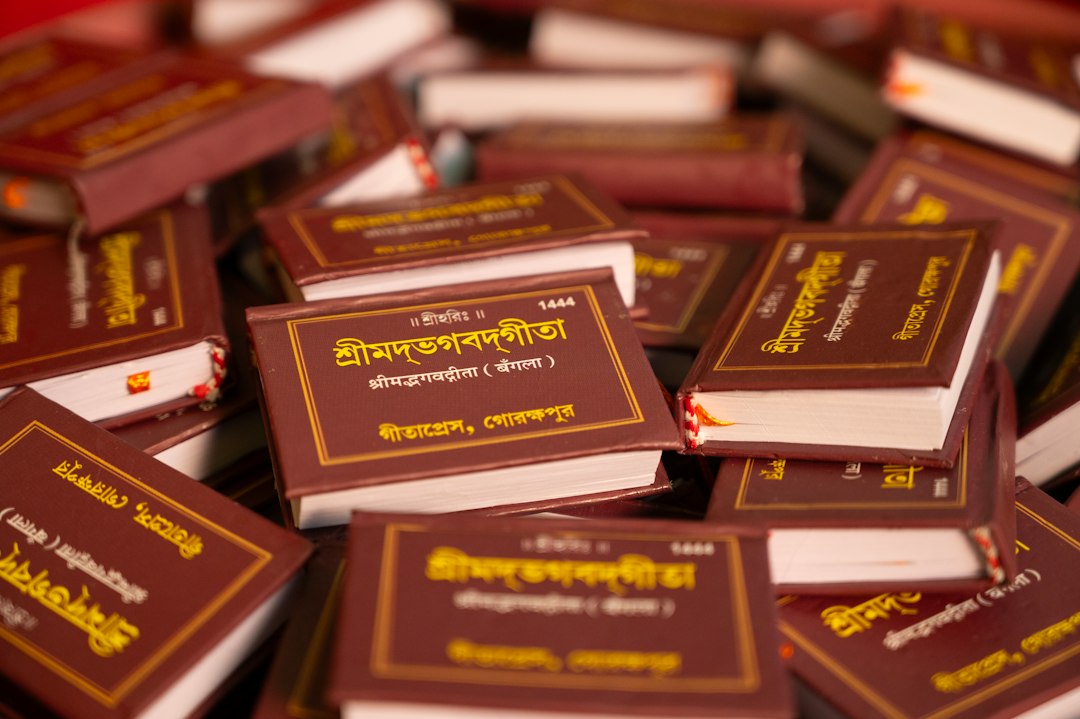
3. Train Your Mind to Return to the Present
A distracted mind can make studying difficult. Students may sit with their books open while thinking about previous mistakes, future results, family expectations, or unrelated worries.
The Bhagavad Gita discusses the restless nature of the mind in Chapter 6. In Verse 6.26, Krishna advises bringing the wandering mind back whenever it moves away, directing it towards the intended focus.
This teaching can be applied to studying without expecting the mind to remain perfectly concentrated all the time.
Distraction is a normal experience. The practical skill is noticing when attention has wandered and gently returning to the task.
For example, while studying biology, you may suddenly begin thinking about the marks you need to secure. Instead of getting frustrated with yourself, acknowledge the thought and return to the paragraph or question in front of you.
Repeated practice can help you build a more consistent study routine.
A simple method for students:
Choose one specific topic to study.
Keep your phone away or silence unnecessary notifications.
Study for 25 minutes with one clear objective.
When your mind wanders, notice the distraction and return to the material.
Take a short break before beginning the next session.
You can also spend two minutes sitting quietly and paying attention to your natural breathing before a study session. This is a simple mindfulness exercise, not a requirement of the Bhagavad Gita.
Remember that concentration develops through practice. You do not need to eliminate every thought before you can begin learning
.
4. Replace Fear of Failure With a Willingness to Learn
Fear of failure can prevent students from attempting difficult questions, asking teachers for help, or revising topics they do not understand. Sometimes, students delay studying because beginning the task makes them confront their uncertainty.
The Bhagavad Gita's conversation between Krishna and Arjuna provides a useful way to reflect on this challenge. Arjuna experiences confusion and distress before the battle, and Krishna responds by helping him examine his responsibilities and understand his situation more clearly.
The lesson is not that students should never feel afraid. Rather, difficult emotions do not have to make every decision for them.
A student who fears failing an examination can still take a small, constructive step. They can solve five practice questions, review one difficult concept, or ask a teacher to explain a confusing topic.
These actions may seem small, but they can help replace helplessness with a sense of direction.
8 घंटे सोने के बाद भी थकान क्यों रहती है? जानें संभावित कारण और उपाय
Practical ways to overcome exam fear:
Write down the specific subject or topic causing concern.
Divide the topic into smaller, manageable tasks.
Start with one question instead of thinking about the entire syllabus.
Use mock tests to identify gaps in preparation.
Discuss persistent worries with a trusted teacher, parent, or counsellor.
A poor practice-test score is not a prediction of your entire future. It is an opportunity to identify what needs attention before the actual examination.
The aim is not to guarantee success in every examination. It is to develop the courage to prepare, learn, and continue even when the outcome is uncertain.

5. Build Discipline Through Small, Consistent Actions
In Bhagavad Gita 6.5, the teaching encourages a person to uplift themselves rather than allow themselves to become their own obstacle.
For students, this idea can inspire personal responsibility and constructive daily habits. Waiting for motivation before opening a textbook often makes preparation inconsistent. A simple routine can make it easier to begin even on days when enthusiasm is low.
Discipline does not mean studying continuously without rest. It means creating a balanced routine that supports learning and well-being.
Try this daily routine during exam preparation:
Morning: Review important concepts or previously studied material.
First study session: Work on a difficult topic when you feel relatively alert.
Afternoon: Practise questions and check your answers.
Evening: Revise key points and identify the next day's priorities.
Before sleeping: Prepare your materials and give yourself time to unwind.
Adjust this routine according to your school or college schedule, personal needs, and examination timetable.
Avoid using spiritual teachings to criticise yourself when you miss a target. Instead, examine what prevented you from completing it and make the next target more realistic.
Progress often comes from repeating manageable actions over time, not from occasional periods of extreme effort.
Design Your Destiny
Your journey towards a more meaningful life begins with understanding your values, intentions, and direction. Take a moment to reflect on the person you want to become and the habits that can help you move forward.
Start Your Journey Today!How to Apply Bhagavad Gita Teachings Before an Examination
Spiritual reflection can complement practical exam preparation. You do not need to read an entire scripture before every test. Begin with one teaching that feels meaningful and apply it consistently.
Here is a simple approach you can follow.
Step 1: Prepare a realistic revision plan. Divide your syllabus into topics and prioritise the areas that need the most attention.
Step 2: Begin with the task in front of you. Rather than worrying about your final marks, decide what you can learn during the next study session.
Step 3: Pause when anxiety rises. Sit comfortably, breathe naturally, and give yourself a moment to settle before continuing.
Step 4: Practise under examination conditions. Solve sample papers, check your answers, and use mistakes to guide revision.
Step 5: Protect your sleep and health. Avoid sacrificing sleep to study throughout the night. Eat regularly, take breaks, and maintain a routine that supports concentration.
Step 6: Reflect without judging yourself. At the end of the day, identify what went well, what needs improvement, and what you will do tomorrow.
If stress becomes overwhelming, regularly disrupts sleep, or makes everyday activities difficult, seek support from a trusted adult, school counsellor, or qualified mental health professional. Spirituality can be a source of comfort, but it does not replace professional care when needed.
The Bhagavad Gita offers students a way to think differently about examination pressure. Its teachings encourage sincere effort, a balanced response to success and failure, greater awareness of the mind, courage in difficult situations, and discipline in daily life.
The central lesson of Bhagavad Gita 2.47 is especially relevant: give your best to the work in front of you without allowing attachment to the result to dominate your mind.
Your marks matter, but they do not define your entire identity or determine every possibility in your future. Focus on learning, prepare with consistency, and allow yourself to grow through both achievements and setbacks.
When you combine spiritual reflection with practical study habits and appropriate support, you can approach examinations with a clearer perspective and greater confidence.
You do not need to control every outcome to take the next right step. Begin with the task in front of you, give it your sincere effort, and keep moving forward.
Personal Session
Every student's challenges and aspirations are different. If you would like to explore your concerns, personal goals, or spiritual questions in greater depth, consider connecting with the Science Divine Foundation team to learn about available personal guidance sessions.
Book Now
Read Latest Articles
What Is My Purpose in Life?How to Discover Your True Calling
Bhai Dooj Date: Tilak Muhurat, Puja Time & Complete Vidhi
Frequently Asked Questions
How does the Bhagavad Gita help students manage exam stress?
The Bhagavad Gita encourages students to focus on their responsibilities, practise self-discipline, and maintain mental balance during success and failure. These teachings can help students spend less time worrying about uncertain outcomes and more time preparing effectively. Applying its wisdom alongside healthy study habits can support a calmer, more constructive approach to examinations.Which Bhagavad Gita shloka is best for exam stress?
Bhagavad Gita 2.47 is especially relevant because it teaches the importance of focusing on one's actions rather than becoming attached to results. Students can use this principle as a reminder to prepare sincerely, practise consistently, and avoid allowing worries about marks to dominate every study session.How can I overcome fear of failure before exams?
Create a realistic study plan, divide difficult topics into smaller tasks, and practise sample questions. The Bhagavad Gita's emphasis on effort and mental balance can help you reflect on what is within your control. If exam anxiety remains intense or affects daily life, speak with a trusted adult or qualified professional.