
If there is one thing we’ve learned over the last few years, it’s that our minds need a break. As we approach World Meditation Day 2025, the conversation around mental wellness has shifted. It is no longer just about "clearing your mind" or sitting in an uncomfortable pretzel shape. It is about practical, accessible tools for survival in a high-speed digital world.
If you are new to this, you might feel intimidated. You might think you can’t meditate because your brain is too busy. But here is the good news: meditation for beginners doesn’t require silence. It just requires showing up.
In this guide, we are going to strip away the complexity. We will look at why 2025 is the year of nervous system regulation, explore the massive mental health benefits of a short daily practice, and walk you through a complete, free guided meditation script that takes just 10 minutes.
/ima
Why 10 Minutes is the Sweet Spot
When people search for how to meditate, they often imagine they need to carve out an hour of their day. But let's be real; who has an hour?
A 10 minute meditation is often called the "Goldilocks" duration. It is long enough to physically lower your cortisol levels and shift your brain state, but short enough to fit into a busy morning meditation routine or a lunch break. In 2025, the trend of micro-meditation is growing because it prioritizes consistency over intensity.
Doing ten minutes daily is infinitely better than doing an hour once a month. This consistency helps build neural pathways that make stress relief techniques more effective when you really need them.
The 2025 Focus: Somatic Tracking and Nervous System Regulation
Meditation trends change. A few years ago, it was all about intense focus. For World Meditation Day 2025, the focus has shifted toward safety and the body. You might hear terms like somatic tracking or nervous system regulation.
What do these mean for you?
Somatic Tracking: Instead of just "watching your breath," you tune into physical sensations in the body to ground yourself.
Nervous System Regulation: Using breath and stillness to tell your body, "I am safe right now," moving you out of fight-or-flight mode.
These easy meditation techniques are particularly helpful if you are looking for a short meditation for anxiety. By grounding in the body, you stop the mind from spiraling.
Preparing for Your Practice
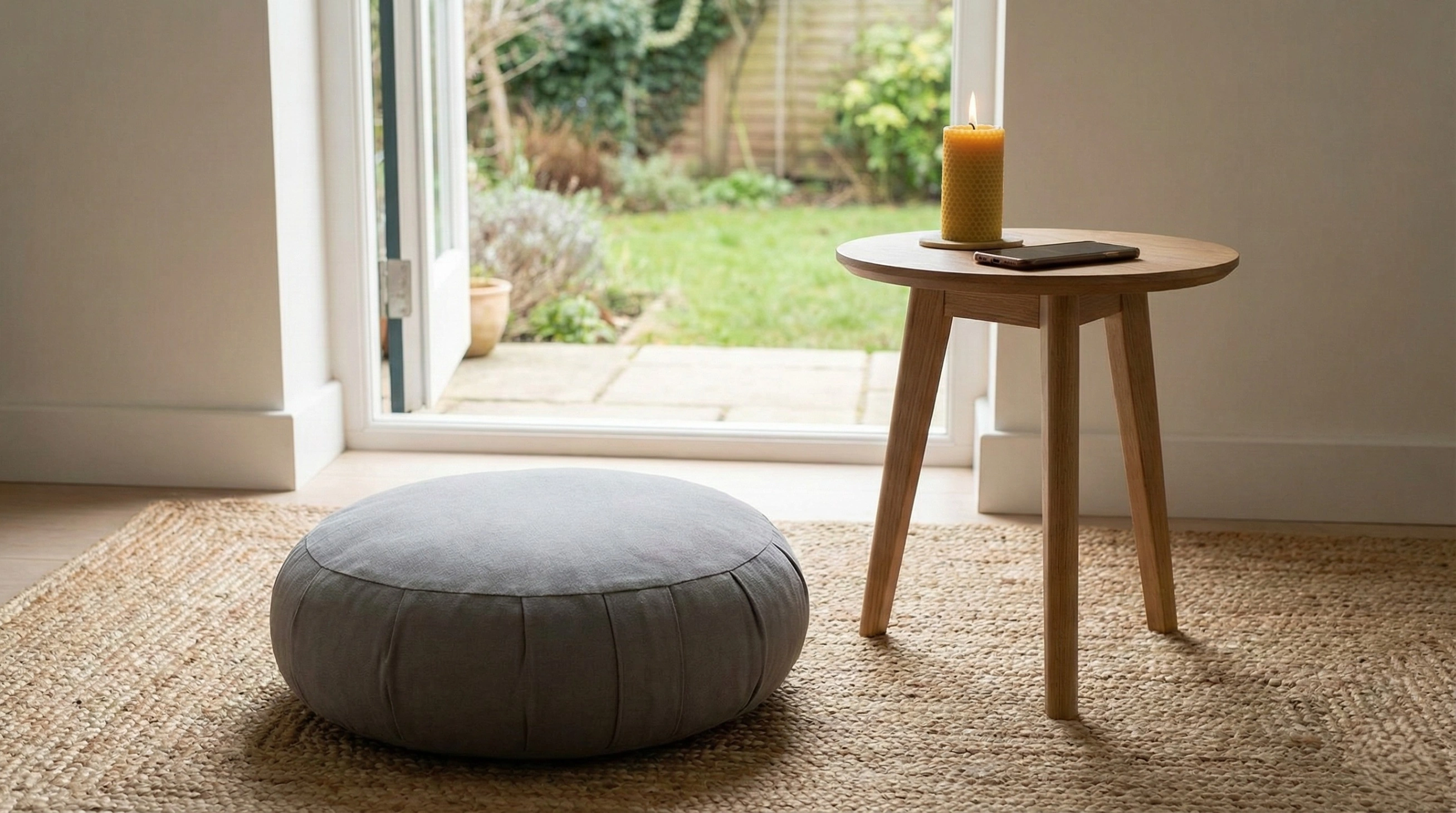
Before we dive into the script, let’s set the stage. You don’t need a cushion, candles, or incense (though they are nice). You just need to minimize distractions.
Digital Detox: Put your phone on "Do Not Disturb." This is your mini digital detox; a ten-minute vacation from notifications.
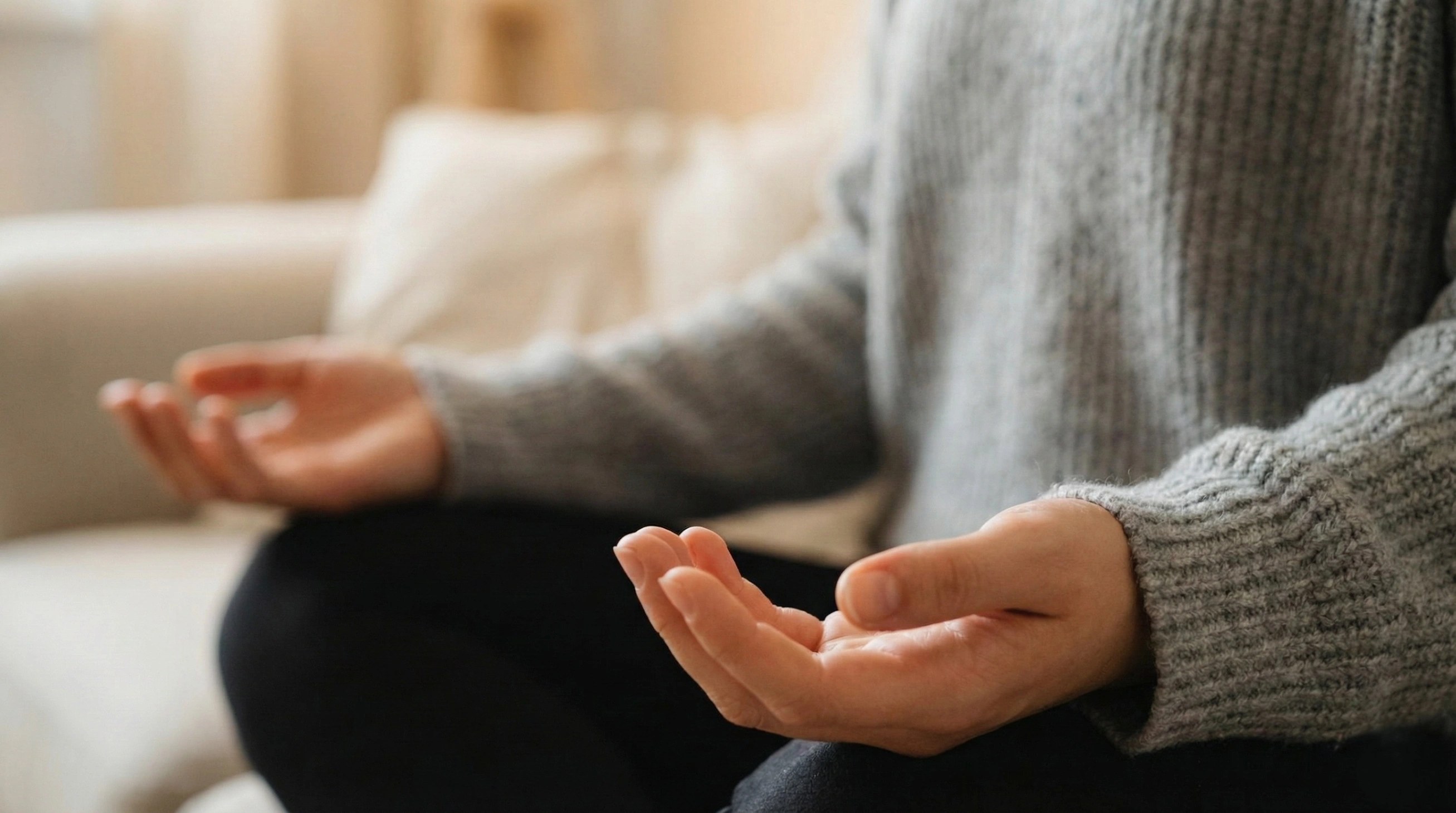
Comfort over Posture: You don't need to sit cross-legged. Sit on a chair with your feet flat, or even lie down if you won’t fall asleep.
Timing: The best time of day to meditate is whenever you will actually do it. However, morning is great for setting a tone, while evening helps with decompression.
The 10-Minute Guided Meditation Script
You can read this script and record it on your phone to play back to yourself, or simply read through it, memorize the flow, and guide yourself. This is also a perfect simple meditation script for groups if you are hosting a gathering for World Meditation Day.
Minute 0–2: Arriving and Grounding (Breathwork for Beginners)
Begin by finding a comfortable position. Close your eyes gently, or if you prefer, keep them open with a soft gaze on a spot on the floor in front of you.
Take a deep breath in through your nose... and a long, slow sigh out through your mouth. Let’s do that two more times. Inhale deeply, filling the lungs... and exhale completely, letting your shoulders drop.
For the next few moments, simply arrive here. There is nowhere else you need to be. There is nothing else you need to solve right now. Give yourself permission to pause.
Bring your attention to your breath. You don’t need to change it. Just notice it. Notice the cool air entering your nostrils, and the warm air leaving. This simple awareness is the foundation of breathwork for beginners.
Minute 3–5: Somatic Tracking (Body Scan)
Now, let’s move our attention from the breath to the body. We are going to practice somatic tracking; simply noticing sensations without judging them.
Bring your attention to your feet. Do they feel warm? Cold? Heavy? Can you feel the contact with the floor? Just notice.
Move your awareness up to your legs... your hips... your stomach. Is there tension holding on in your stomach? If so, imagine it softening with your next out-breath.
Notice your hands resting in your lap. Notice your shoulders. Are they hiked up toward your ears? Let them drop down, creating space.
Finally, soften your jaw. Unclench your teeth. Let the tongue rest on the floor of the mouth. Feel your entire physical body slowing down.
Minute 6–8: Managing Thoughts (Mindfulness for Stress)
As you sit here, your mind will wander. This is normal. It is what minds do. When you notice you are thinking about your to-do list, or dinner, or an email you need to write, don't be angry with yourself.
Simply say, "Thinking," and gently escort your attention back to your breath.
Imagine your thoughts are like clouds passing in the sky. You are not the clouds; you are the blue sky behind them. The clouds come, and they go, but the sky remains.
This act of returning over and over again is the "rep" in your mental gym. This is where the mindfulness exercises actually happen. Every time you return to the breath, you are building resilience.
Minute 9–10: The Return
Now, gently let go of the focus on your breath. Let your mind do whatever it wants to do for a moment. If it wants to think, let it think.
Begin to deepen your breath again. Wiggle your fingers and your toes. bringing some movement back into your body.
Take a moment to thank yourself for taking these ten minutes. You have prioritized your well-being today.
When you are ready, gently open your eyes.
How to Make This a Habit
The script above is a tool. But like any tool, it only works if you use it. To turn this into a sustainable beginners guide to meditation practice, consider these tips:
1. Stack Your Habits
Attach your meditation to something you already do. Meditate right after you brush your teeth, or right after you pour your morning coffee. This removes the decision-making process.
2. Embrace Imperfection
Some days, your meditation will feel peaceful. Other days, your mind will be a chaotic storm. Both are successful meditations. The goal isn’t to stop thinking; it’s to notice that you are thinking. That distinction is key to mindfulness for stress.
3. Join the Community
On World Meditation Day 2025, thousands of people will be sitting in silence together.
World Meditation Day 2025 is more than just a date on the calendar. It is an invitation. It is an invitation to step off the hamster wheel, put down the phone, and check in with the most important person in your life: yourself.
Whether you use this guided meditation script or simply sit in silence with your morning coffee, remember that the mental health benefits come from the intention, not the perfection.
Take a breath. You’re doing great.