
Lord Shiva, also known as Mahadev, Bholenath and Shankar, occupies a deeply revered place in Hindu tradition. Devotees worship him throughout the year, with Mondays, Maha Shivratri and the sacred month of Sawan or Shravan receiving particular importance.
One of the most common questions among devotees is: What to offer Lord Shiva?
Unlike elaborate forms of worship that may require numerous ingredients, Shiva worship is traditionally associated with simplicity and sincerity. Even a simple offering of clean water accompanied by genuine devotion is considered meaningful.
At the same time, Hindu worship traditions associate certain natural items with Lord Shiva and the Shivling. Water, milk and Bel Patra are among the most familiar examples, and they continue to form an important part of Shivling Abhishek and Sawan worship.
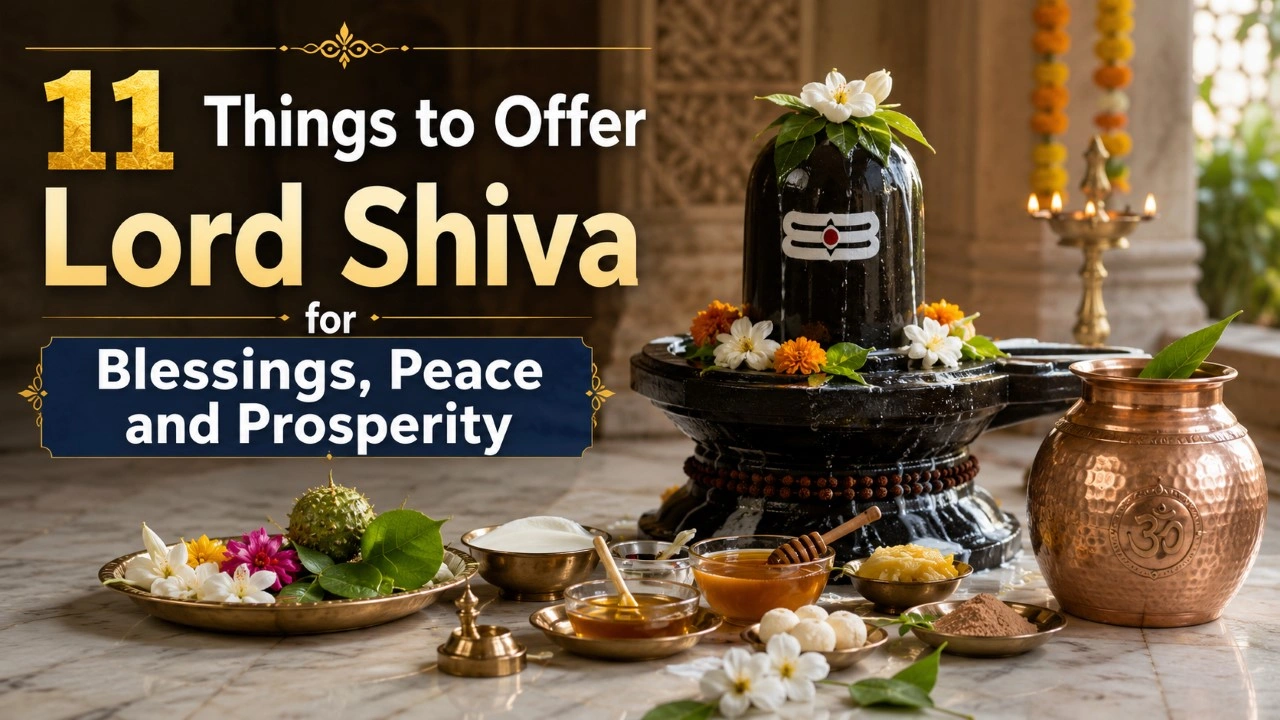
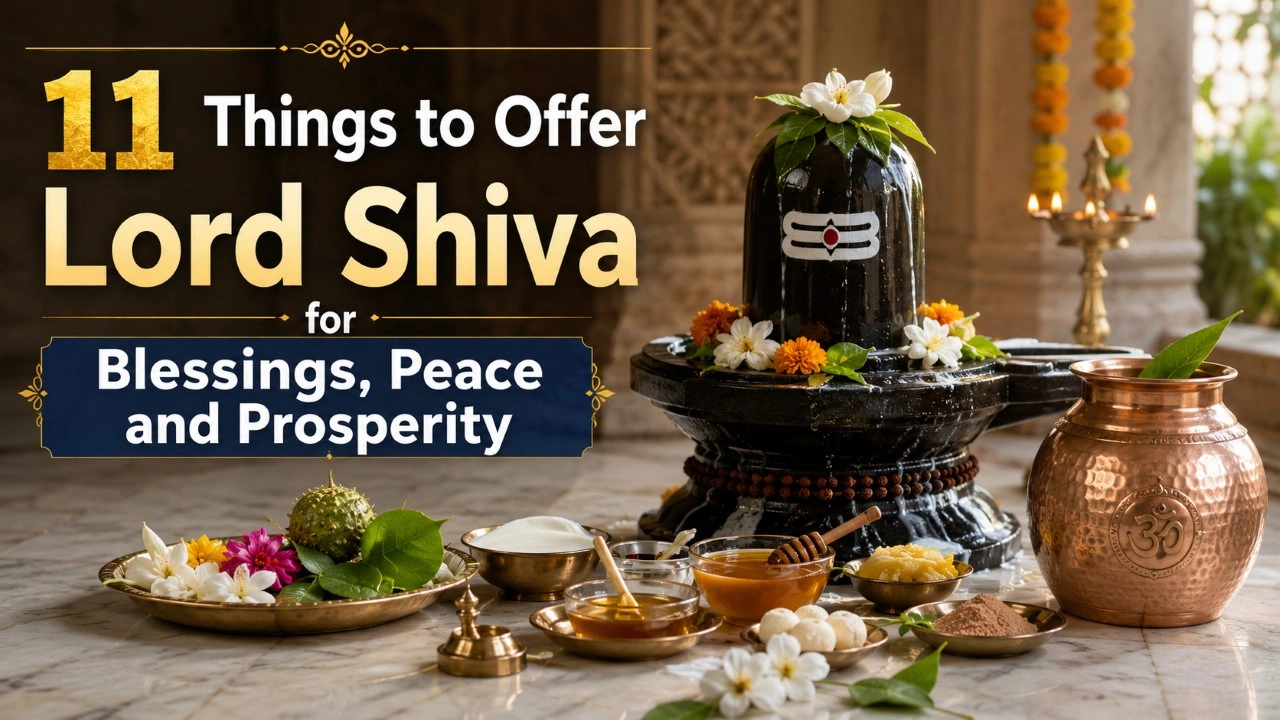
If you are looking for the best things to offer Lord Shiva for blessings, here are 11 traditional Shiva puja offerings and the spiritual significance commonly associated with them.
1. Water – The Simplest Offering to Lord Shiva
If you are wondering what to offer on Shivling when you do not have elaborate puja ingredients, clean water is one of the simplest choices.
Pouring water over the Shivling is known as Jal Abhishek or Jalabhishek. It is one of the most widely followed forms of Shiva worship.
Water represents purity, surrender and simplicity. Devotees traditionally pour water slowly over the Shivling while chanting:
“Om Namah Shivaya.”
The ritual is often viewed as a symbolic act of offering one's worries, ego and emotional disturbances at the feet of Shiva.
For this reason, water remains one of the most accessible and popular offerings for Lord Shiva.
Design Your Destiny
Spirituality becomes truly powerful when its wisdom begins transforming the way you think, respond and live. Design Your Destiny can help you move beyond limiting patterns, understand yourself at a deeper level and consciously create a life rooted in awareness, clarity and inner freedom. Begin your journey with Design Your Destiny and discover the power to transform your life from within.
Start Your Journey Today!2. Gangajal – Sacred Water for Shivling Abhishek
Gangajal, or water from the sacred River Ganga, holds special significance in Hindu worship.
Lord Shiva is traditionally depicted with the River Ganga flowing from his matted locks. Because of this association, offering Gangajal during Shivling Abhishek carries deep devotional symbolism.
Devotees may offer Gangajal alone or add a small quantity to clean water before performing Abhishek.
Among the many Lord Shiva offerings, Gangajal represents purification, faith and spiritual cleansing.
If Gangajal is unavailable, however, regular clean water offered sincerely remains a simple form of worship.
3. Milk – A Popular Shiva Puja Offering
Milk is another widely recognized answer to the question what to offer Lord Shiva.
During special Shiva pujas, Mondays and Sawan worship, devotees frequently perform Dugdha Abhishek, in which milk is poured over the Shivling.
Milk traditionally symbolizes purity and nourishment. In devotional belief, offering it to Mahadev is associated with peace, purity and spiritual well-being.
Water, milk and Bel Patra remain particularly common elements of Shivling Abhishek during Sawan.
When performing puja at home or in a temple, it is best to follow the customs and guidelines of that particular place.
4. Bel Patra – One of the Most Sacred Offerings for Lord Shiva
Bel Patra or Bilva leaves are perhaps among the most recognizable Lord Shiva offerings.
The three-leaf formation of a typical Bilva leaf is traditionally interpreted in several ways within Hindu philosophy. It is sometimes associated with Shiva's Trishul or with different divine triads.
Devotees generally select clean Bel leaves and offer them reverently on the Shivling.
Bel Patra holds particular importance during Sawan. Traditional guidance also gives Bilva leaves an unusual status: where fresh leaves are genuinely unavailable, some traditions permit previously offered leaves to be cleaned with pure water and respectfully offered again.
For devotees searching for the best offerings for Lord Shiva, Bel Patra is therefore one of the most important.
5. Honey – Symbol of Sweetness and Devotion
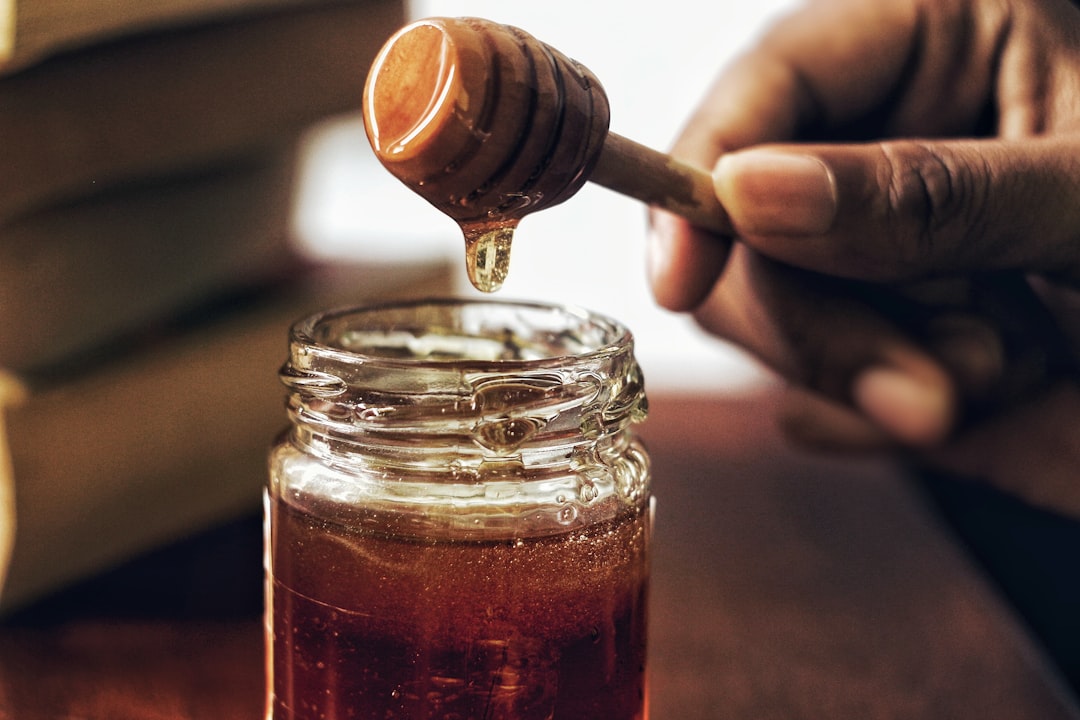
Honey is frequently included in Shiva Abhishek and Panchamrit.
Its natural sweetness gives it symbolic significance. In traditional interpretations, offering honey during worship is associated with bringing sweetness, harmony and gentleness into one's thoughts and speech.
A devotee may offer a small quantity of honey during Abhishek before cleansing the Shivling with water.
Rather than treating the offering as a transaction for material rewards, its deeper purpose can be understood as a reminder to cultivate sweetness in one's own conduct.
This makes honey one of the meaningful Shiva puja offerings used during special worship.
6. Curd – A Traditional Abhishek Offering
Curd or yogurt is another ingredient commonly used during traditional Abhishek rituals.
Like milk, it is associated with nourishment and purity. In devotional traditions, curd is sometimes connected with stability, well-being and abundance.
It may be offered individually or included as part of Panchamrit.
When asking what to offer to Lord Shiva, devotees should remember that the quantity of an offering is less important than the reverence with which it is made.
A modest symbolic offering is sufficient for personal worship.
7. Ghee – Symbol of Purity and Divine Light
Clarified butter or ghee has an important place in Hindu ritual traditions.
A small amount may be included in Panchamrit or used according to the family's or temple's Shiva puja tradition.
Ghee is traditionally associated with purity, illumination and sacred energy. It also plays an important role in lamps and yajnas across Hindu worship.
As one of the traditional offerings for Lord Shiva, its significance is therefore both ritual and symbolic.
Om Namah Shivaya Chanting Benefits for Peace and Positivity
8. Sugar or Mishri – Offering of Sweetness
Sugar or Mishri may also be included among traditional ingredients used in Shiva puja and Panchamrit.
Its sweetness represents pleasantness, harmony and positive speech.
Devotees may use a small quantity during worship or as prescribed by the tradition they follow.
When considering things to offer Lord Shiva for peace, it is useful to understand the symbolism behind such offerings. The ritual does not simply involve placing an ingredient before the deity; it also reminds the devotee to cultivate the quality represented by that ingredient.

9. Sandalwood – For Calmness and Purity
Sandalwood paste, or Chandan, has long been associated with cooling, purity and sacred worship.
Because Shiva is strongly associated with meditation, detachment and inner stillness, sandalwood carries fitting symbolism within Shiva worship.
Depending on the local or family tradition, sandalwood may be respectfully applied or offered during puja.
For devotees asking what to offer Lord Shiva for peace, Chandan can serve as a symbolic reminder that true peace arises through a calm and disciplined mind.
10. Dhatura – A Distinctive Offering Associated With Shiva
Dhatura has a distinctive association with Lord Shiva in popular Hindu worship traditions.
Its connection with Shiva is often understood alongside stories and symbolism emphasizing Mahadev's acceptance of substances and aspects of existence that others reject.
For this reason, Dhatura is often listed among traditional Lord Shiva offerings, particularly during certain Shiva festivals and regional worship practices.
However, Dhatura is a toxic plant and should never be eaten or used as medicine without qualified medical guidance. If it forms part of your religious practice, it should be treated only as a ritual item and handled safely.
Its presence in Shiva worship also carries a deeper message: transformation involves becoming free from inner negativity rather than merely performing an external ritual.
11. White Flowers – A Beautiful Expression of Devotion
Flowers are one of the most universal expressions of reverence in worship.
In Shiva puja, devotees commonly prefer flowers associated with purity and simplicity, including certain white flowers according to regional traditions.
A fresh flower offered sincerely can represent surrender, purity of intention and gratitude.
However, not every flower is traditionally considered suitable for Shivling worship. For example, several traditions specifically avoid Ketaki flowers. Lists of restricted offerings can differ by sampradaya and regional practice, so devotees may follow their family tradition or seek guidance from their temple priest.
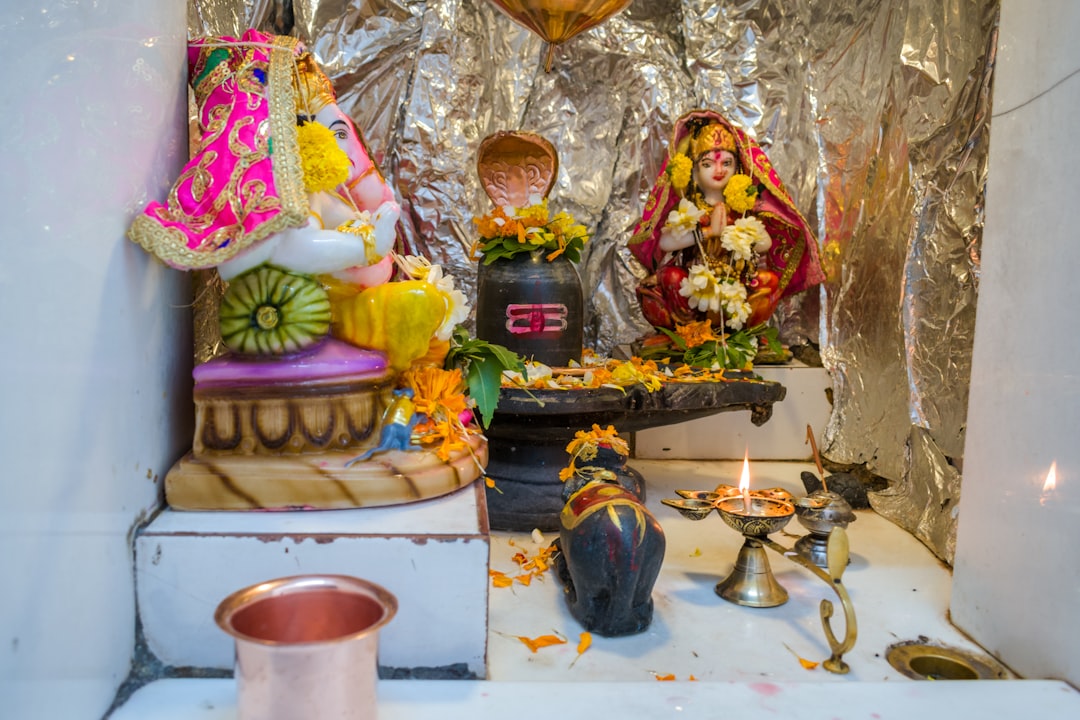
How to Offer These Items to Lord Shiva
Now that you know what to offer Shivling, the next question is how to make the offerings respectfully.
A simple Shiva puja at home can include the following:
Bathe and wear clean clothes.
Clean the puja space.
Light a diya if appropriate.
Begin by remembering Lord Shiva with devotion.
Offer clean water or perform a simple Jalabhishek.
Use milk or other Abhishek ingredients according to your tradition.
Rinse appropriately with clean water.
Offer Bel Patra and suitable flowers.
Offer Chandan if this is part of your puja tradition.
Chant “Om Namah Shivaya” with concentration.
Sit quietly for a few moments in prayer or meditation.
The purpose of Shiva puja is not merely the mechanical completion of ritual steps. It is an opportunity to cultivate stillness, surrender and awareness.
What to Offer Lord Shiva for Blessings?
Devotees commonly offer:
Water
Gangajal
Milk
Bel Patra
Honey
Curd
Ghee
Mishri
Sandalwood
Dhatura
Suitable flowers
These offerings are traditionally associated with devotion and the seeking of divine blessings. No particular ingredient should be viewed as guaranteeing a specific result.
What to Eat During Sawan Somwar Fast: Complete Food Guide
What to Offer Lord Shiva for Peace?
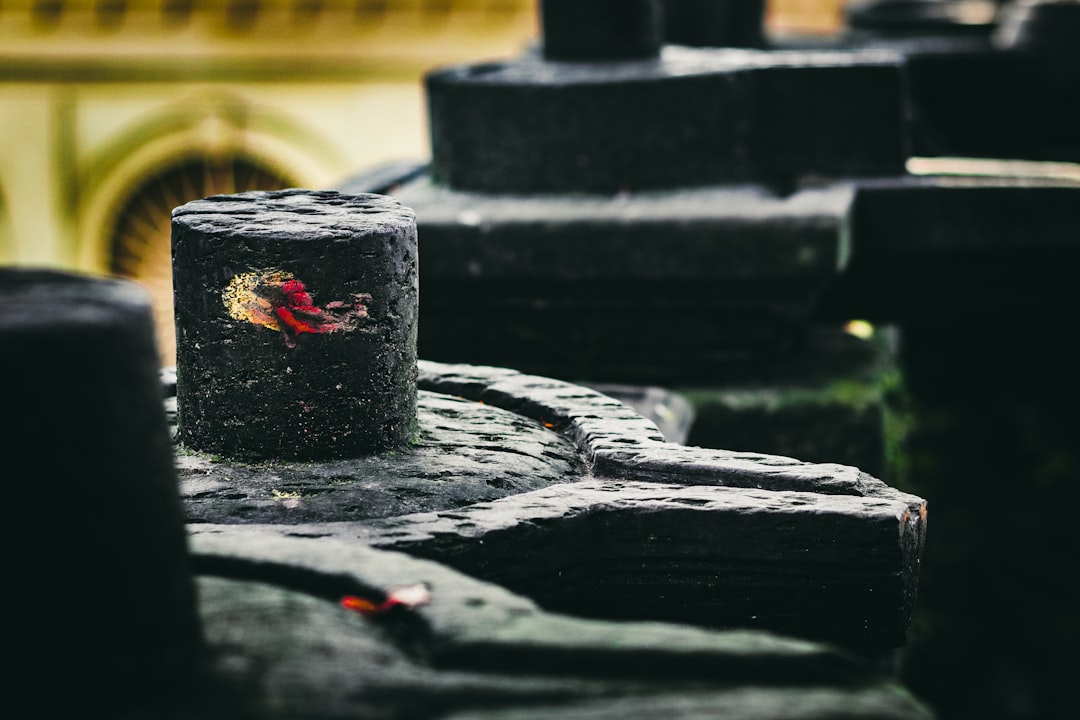
For someone seeking peace, the simplest worship can often be the most meaningful.
Offer clean water and Bel Patra while chanting Om Namah Shivaya, then spend a few minutes sitting silently.
The symbolism of Shiva as the meditative Adiyogi can itself become an invitation to move beyond constant thought and reconnect with inner stillness.
What to Offer Lord Shiva for Prosperity?
Many traditional practices associate milk, Panchamrit, Bel Patra and other Shiva puja offerings with prayers for prosperity and well-being.
However, prosperity in spiritual traditions need not mean wealth alone. It can also include wisdom, harmonious relationships, contentment and the ability to live consciously.
What to Offer Lord Shiva for Wish Fulfillment?
People frequently search for what to offer Lord Shiva for wish fulfillment.
Traditional worship may include Jalabhishek, Bel Patra, milk and chanting Shiva mantras. Yet Hindu devotional philosophy repeatedly emphasizes bhava, your inner feeling and intention.
Rather than thinking, “What can I give so that I receive something?”, Shiva worship can become an act of surrender:
“May I receive the wisdom and strength to face whatever life brings.”
This changes worship from a transaction into transformation.
The Deeper Meaning Behind Lord Shiva Offerings
The best things to offer Lord Shiva are not necessarily the costliest ingredients.
Shiva is revered as the ascetic Mahadev, the one associated with meditation, simplicity and freedom from attachment.
The external offerings can therefore represent inner offerings:
Water – purity
Bel Patra – surrender
Honey – sweetness in speech
Sandalwood – calmness
Flowers – purity of intention
Abhishek – cleansing of the inner self
Ultimately, the deepest Shiva puja happens when the qualities symbolized by the ritual begin appearing in our daily lives.

A person may perform an elaborate Abhishek, but if anger, ego and resentment continue unchecked, the deeper purpose of spiritual practice can easily be missed.
True worship encourages transformation.
Knowing what to offer Lord Shiva can make Shiva puja more meaningful, but the spiritual value of worship extends far beyond the material items placed on the Shivling.
Water, Gangajal, milk, Bel Patra, honey, curd, ghee, Mishri, sandalwood, Dhatura and suitable flowers are among the most familiar traditional Lord Shiva offerings.
Yet the greatest offering is inner transformation.
Offer your anger and cultivate calmness.
Offer your ego and cultivate humility.
Offer your fears and cultivate courage.
Offer your attachment and discover inner freedom.
This is where an external ritual begins to become an inner spiritual journey.
Personal Session
Every person's inner journey is different. Sometimes, general teachings are not enough to understand the patterns, questions and challenges shaping your life. A personal session gives you the opportunity to receive focused spiritual guidance for your individual journey. Book your personal session and take the next conscious step toward greater clarity, peace and inner transformation.
Book Now