
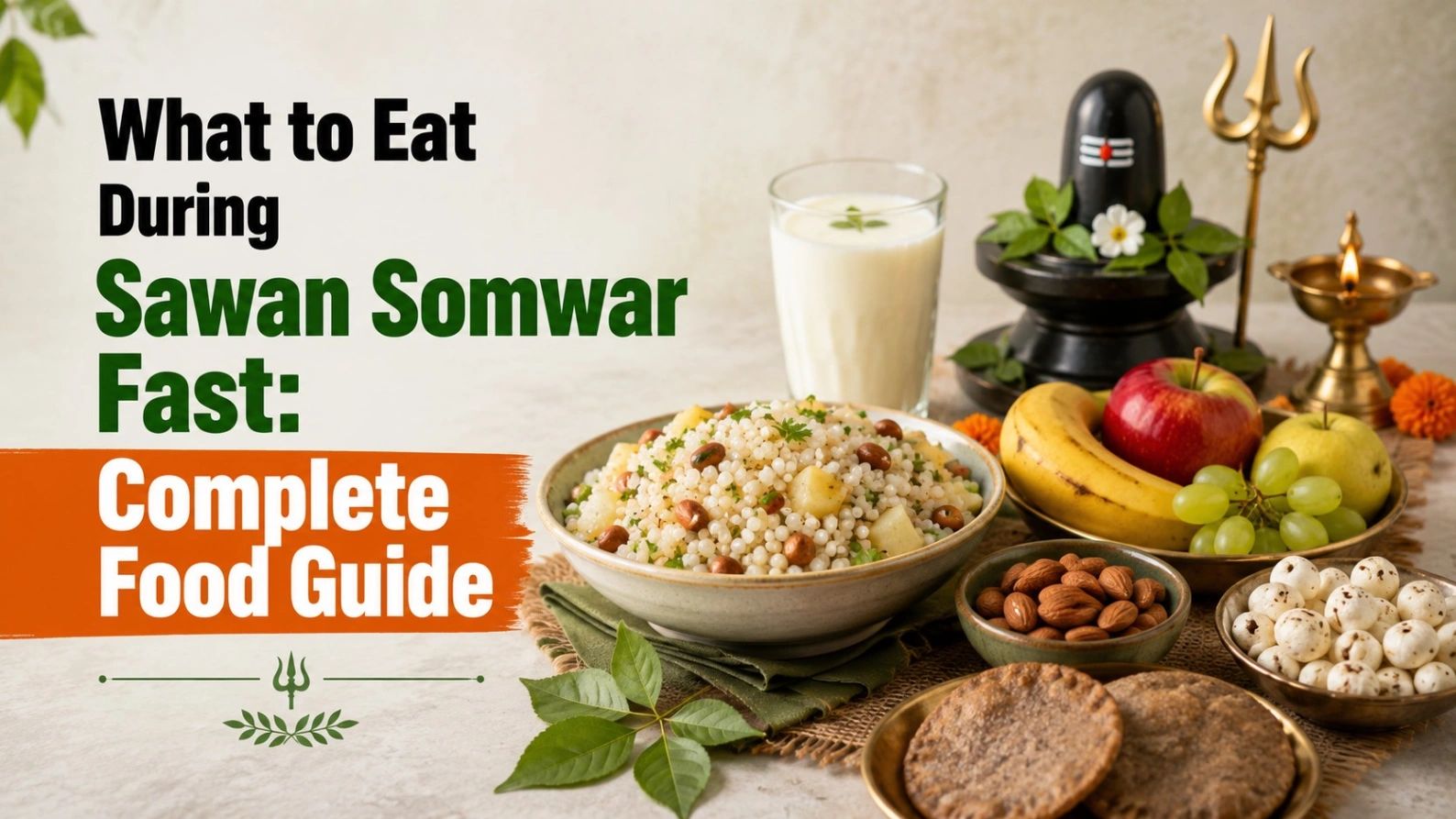
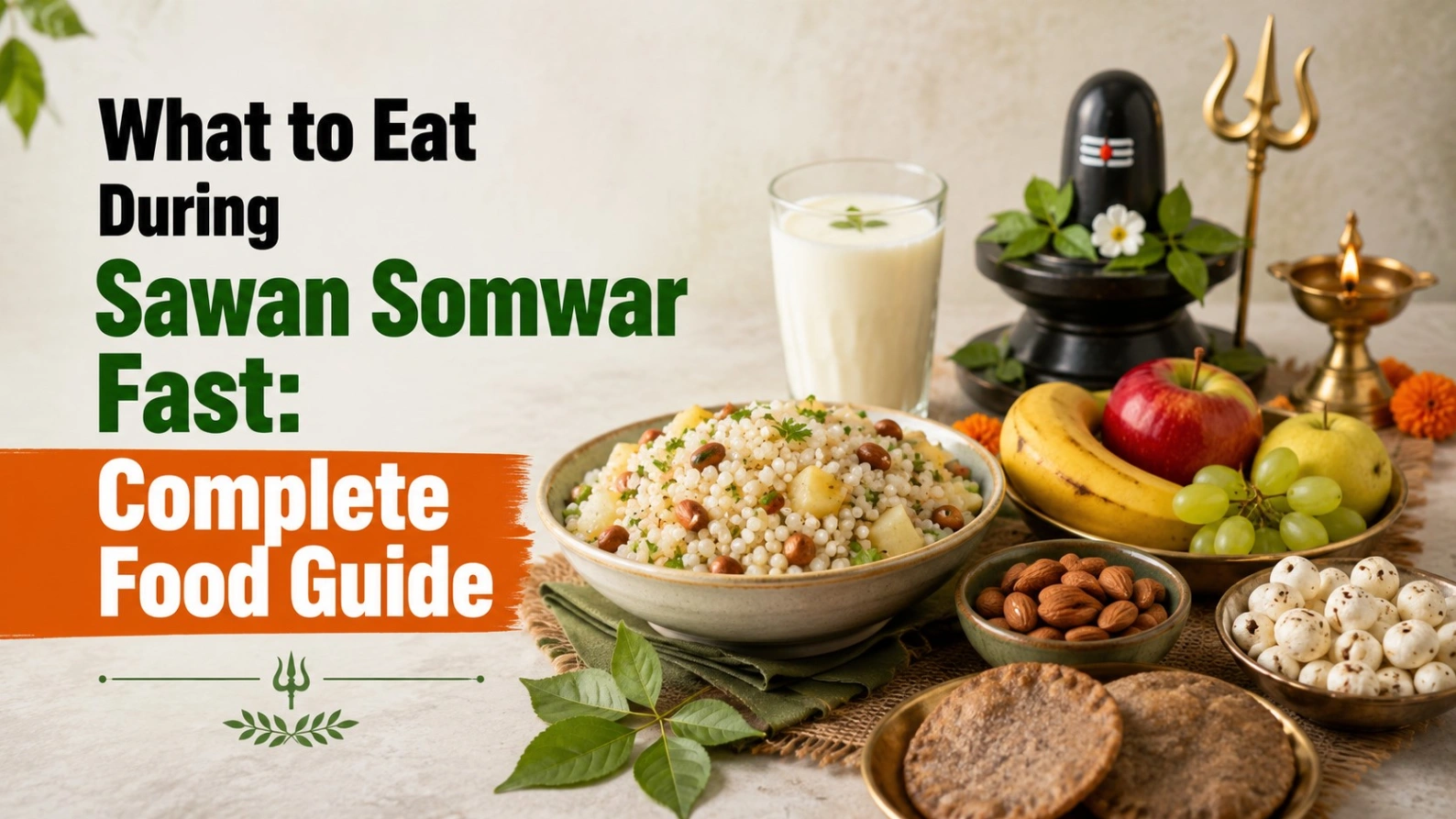
Sawan, also called Shravan, is one of the most sacred months for devotees of Lord Shiva. Many people observe a fast on Mondays during this month and look for clear guidance on what to eat during Sawan Somwar fast.
The answer can depend on family tradition, regional customs and the type of vrat being followed. Some devotees consume only water, milk and fruits. Others eat one phalahar meal during the day, while some conclude their fast with a simple vrat-friendly meal after evening worship or sunset.
All Mondays falling during Shravan are traditionally considered auspicious for Lord Shiva worship. The exact observance and even the Shravan calendar can differ between regions following Purnimanta, Amanta and solar calendar systems.
This complete guide covers commonly followed Sawan Somwar fasting food rules, permitted ingredients, restricted foods, easy recipes and a practical one-day meal plan. Since customs vary, devotees should also follow the tradition practised in their family or explained by their spiritual guide.
Understanding the Sawan Somwar Vrat
The Sawan Somwar vrat is observed with prayer, devotion and self-discipline. Its purpose is not merely to avoid particular ingredients but to develop purity in food, thoughts, speech and behaviour.
Traditional descriptions distinguish between different forms of Somwar vrat. Some devotees take one phalahar meal, while the Shravan Nakta Somwar practice involves eating after sunset. The timing and dietary restrictions can therefore differ according to the particular vrat being followed.
Before planning your Sawan Somwar vrat food, determine whether you are observing:
A nirjala fast without food or water
A fruit-and-milk or phalahar fast
A one-meal vrat
A fast concluded after evening puja
A simple satvik fast without ordinary grains, onion or garlic
People with medical conditions, pregnant or breastfeeding women, children, older adults and people taking regular medication should avoid extreme fasting without appropriate professional guidance.
Design Your Destiny
Your outer circumstances begin to transform when you understand and change your inner patterns. Join Design Your Destiny to learn practical spiritual principles that can help you develop greater clarity, emotional balance and conscious direction in everyday life.
Start Your Journey Today!Complete Sawan Somwar Vrat Food List
Here are the foods most commonly included in a traditional Sawan vrat food list.
1. Fresh Fruits
Fresh fruits are among the simplest foods allowed during Sawan fast. They are especially suitable for devotees following a light phalahar vrat.
Common choices include:
Bananas
Apples
Papaya
Pomegranate
Pears
Oranges
Watermelon
Muskmelon
Grapes
Other seasonal fruits
Fruits can be eaten individually or combined in a fresh fruit bowl. You can also prepare fruit chaat using lemon juice and permitted seasoning.
Choose fresh fruit instead of packaged fruit juice, canned fruit or syrup-heavy fruit desserts. Packaged beverages may contain added sugar, ordinary salt, preservatives or other ingredients that are not suitable for a simple vrat.
2. Milk and Dairy Products
Milk and dairy products are commonly included in Shravan Somwar fasting food, provided they are permitted by the devotee’s family tradition.
Possible options include:
Plain milk
Paneer
Homemade lassi
Buttermilk
Makhana kheer
Sabudana kheer
Vrat-friendly milkshakes
Milk can be combined with bananas, dates or a small quantity of dry fruits to make a filling drink.
Curd is permitted in many households but avoided in some families during Sawan. Therefore, devotees should follow their own regional and family customs rather than assuming that one rule applies to everyone.
3. Sabudana
Sabudana is one of the most popular ingredients used in Sawan Somwar fasting food.
It can be prepared as:
Sabudana khichdi
Sabudana vada
Sabudana kheer
Sabudana tikki
Sabudana and peanut bowl
Sabudana khichdi made with potatoes, peanuts, cumin and sendha namak is a popular fasting meal.
For a lighter preparation, use limited ghee or oil. Sabudana vada may be suitable for vrat, but excessive deep-fried food can make the meal heavy.
Sabudana, fasting flours, potatoes, fruits and dairy products regularly appear in traditional Sawan fasting menus and recipes.
4. Kuttu, Singhara and Rajgira Flour
Ordinary wheat flour is generally avoided during a strict Sawan Somwar vrat. Devotees commonly use fasting-friendly alternatives.
Kuttu Atta
Kuttu atta, or buckwheat flour, can be used for:
Kuttu roti
Kuttu puri
Kuttu paratha
Kuttu cheela
Kuttu pakora
Kuttu roti served with a simple potato or pumpkin sabzi can make a filling vrat meal.
Singhara Atta
Singhara atta, or water chestnut flour, can be used for:
Singhara roti
Singhara puri
Singhara cheela
Singhara halwa
Rajgira Atta
Rajgira, or amaranth flour, can be used to prepare:
Rajgira roti
Rajgira puri
Rajgira cheela
Rajgira laddoo
These fasting flours help provide more variety when ordinary wheat, maida and semolina are excluded.
5. Samak Rice
Regular rice is usually avoided during a strict Sawan Somwar fast. However, samak rice is commonly used as a vrat-friendly substitute.
Samak rice is also known as:
Sama rice
Samvat rice
Vrat rice
Barnyard millet
It can be prepared as:
Samak rice pulao
Samak rice khichdi
Samak rice kheer
Samak rice with potato curry
This distinction is important for devotees asking, “Can we eat rice during Sawan fast?” Ordinary rice is generally restricted, whereas samak rice is widely used as a fasting ingredient.
6. Potatoes and Permitted Vegetables
Potatoes are widely used in Sawan Somwar food because they can be prepared in several simple ways.
Popular options include:
Boiled potatoes
Jeera aloo with sendha namak
Vrat-friendly potato curry
Aloo chaat
Potato and peanut sabzi
Potato with samak rice
Depending on family traditions, other permitted vegetables may include:
Sweet potato
Pumpkin
Bottle gourd
Cucumber
Raw banana
Arbi or colocasia
Onion and garlic are generally excluded from satvik and vrat preparations. Some families also avoid brinjal and leafy vegetables during Sawan.
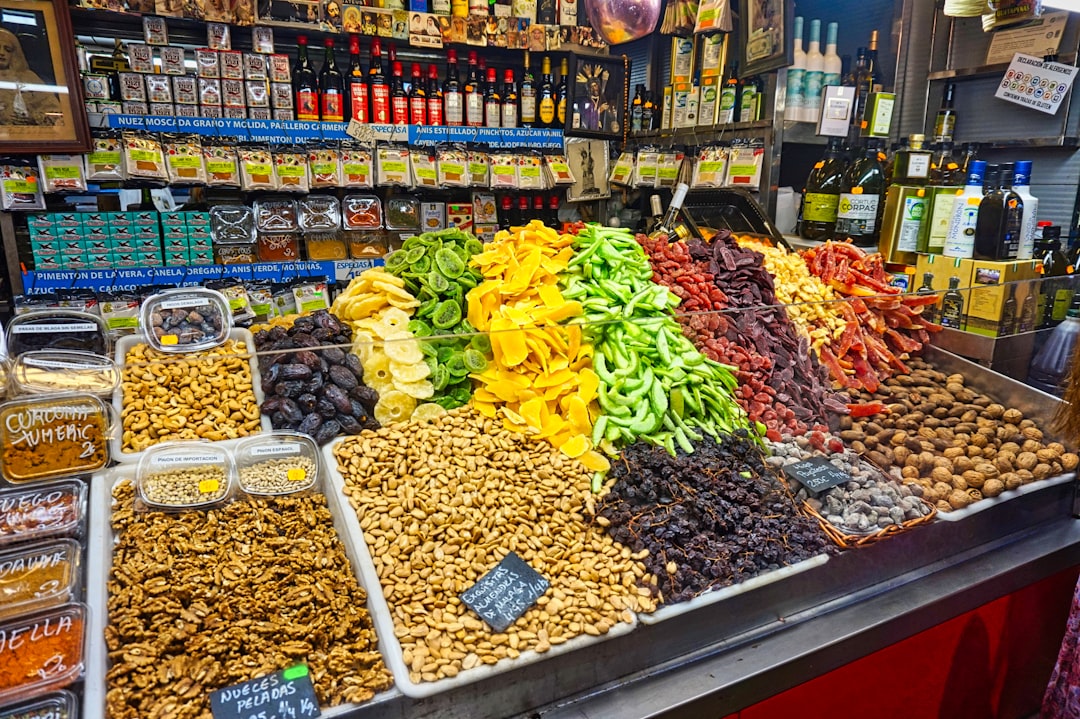
7. Makhana, Nuts and Dry Fruits
Makhana, also known as fox nuts, is a convenient option for people who want a light fasting snack.
It can be:
Dry-roasted
Roasted in a little ghee
Seasoned with sendha namak
Added to milk
Used in makhana kheer
Devotees may also consume moderate quantities of:
Almonds
Walnuts
Cashews
Raisins
Dates
Peanuts
Coconut
Dry fruits can be added to milk, fruit bowls, kheer or homemade vrat snacks. Since nuts are filling, a small portion is usually sufficient.
8. Sendha Namak and Permitted Spices
Sendha namak, or rock salt, is generally used instead of ordinary table salt during Sawan Somwar vrat.
Depending on household customs, permitted seasonings may include:
Cumin
Black pepper
Green chilli
Ginger
Cardamom
Cinnamon
Cloves
Lemon juice
Regular salt, packaged spice mixes and asafoetida containing wheat flour are generally avoided.
Always read packaged-food labels carefully. A spice mix may contain ordinary salt, cereal flour, artificial flavours or other ingredients that are not permitted during vrat.
9. Drinks During Sawan Somwar Fast
Common vrat-friendly drinks include:
Water
Coconut water
Plain milk
Lemon water
Homemade lassi
Buttermilk, where permitted
Fresh homemade fruit drinks
Tea and coffee are consumed by some devotees but avoided by others. This depends on personal and family practice.
When tea or coffee is permitted, consume it in moderation and do not use it as a replacement for water.
Foods to Avoid During Sawan Somwar Fast
A complete food guide should explain both permitted and restricted ingredients.
Foods commonly avoided during Sawan Somwar vrat include:
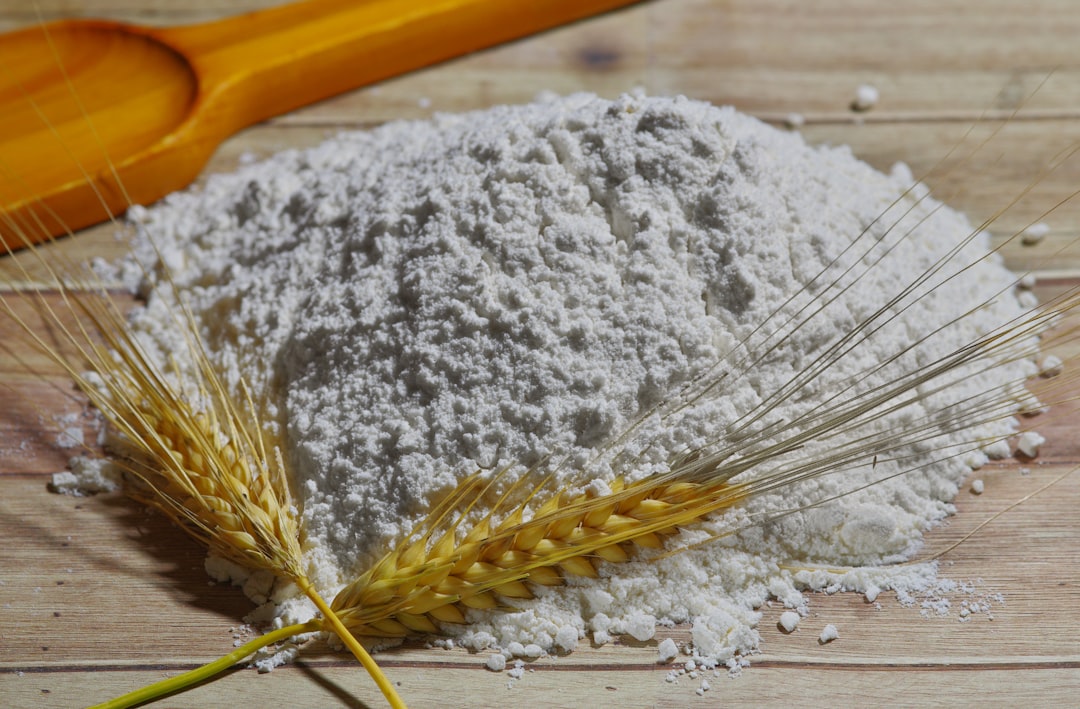
Wheat and wheat flour
Maida
Semolina or suji
Ordinary bread
Regular rice
Lentils and pulses
Beans
Regular table salt
Onion and garlic
Meat and fish
Eggs
Alcohol
Tobacco
Highly processed packaged foods
Extremely spicy or oily meals
Many devotees also avoid restaurant food because its ingredients, salt, oil and preparation methods may not follow vrat requirements.
Some families avoid curd, kadhi, brinjal and leafy vegetables during Sawan. These restrictions are not universal, and traditions may differ by region and household.
One-Day Sawan Somwar Vrat Meal Plan
The following meal plan can be used by devotees following a phalahar or one-meal fast. Adjust the timing according to your personal vrat rules.
Early Morning
Begin the day with a bath, sankalp and Shiva worship.
If your vrat permits water and food, you may start with:
Water
Coconut water
Warm milk
A few soaked almonds
One banana
Morning Phalahar
Choose one light option:
Seasonal fruit bowl
Banana with milk
Roasted makhana
Apple with a few dry fruits
Homemade lassi, where permitted
Midday Meal
Choose one balanced vrat meal:
Sabudana khichdi with curd, if permitted
Samak rice with potato curry
Kuttu roti with pumpkin sabzi
Rajgira roti with paneer
Sweet-potato chaat with peanuts
Singhara roti with simple aloo sabzi
Evening Snack
Choose one:
Coconut water
Fresh fruit
Roasted makhana
A small handful of nuts
Milk
Fruit chaat
After Evening Puja or Sunset
Devotees following nakta vrat may eat after sunset or evening worship.
Choose a freshly prepared and simple meal. Avoid compensating for the fast by eating large quantities of fried puris, pakoras, sweets or heavy desserts.
Easy Sawan Somwar Fasting Food Ideas
Here are ten easy dishes that can be included in your Sawan vrat menu:
Sabudana khichdi with peanuts and sendha namak
Kuttu roti with vrat-friendly aloo sabzi
Samak rice pulao with potatoes
Roasted makhana with ghee and rock salt
Sweet-potato chaat with lemon and pomegranate
Makhana kheer with milk and cardamom
Singhara atta halwa
Paneer and cucumber bowl
Fruit-and-nut yoghurt bowl, where curd is allowed
Rajgira cheela with potato filling
Traditional Sawan recipe collections frequently include preparations such as kuttu puri, makhana kheer, sabudana kheer, vrat-friendly aloo chaat and singhara atta halwa.
Common Fasting Mistakes to Avoid
Assuming Every Family Follows the Same Rules
Sawan fasting customs vary between regions and families. Follow the tradition practised in your home.
Eating Too Much Fried Vrat Food
A dish may contain permitted ingredients and still be unnecessarily heavy. Balance puris, pakoras and fried snacks with fruit, milk, vegetables and simpler dishes.
Trusting Packaged Vrat Food Without Checking
A packet labelled “fasting food” may still contain regular salt, flour, additives or ingredients not permitted in your vrat.
Forgetting Hydration
When your vrat permits water, drink it regularly instead of relying only on tea, coffee or sweet beverages.
Focusing Only on the Menu
The purpose of the vrat is devotion and self-discipline. The meal should support prayer and worship rather than become the central focus of the observance.

Spiritual Significance of Simple Vrat Food
Sawan Somwar fasting is more than changing ingredients. It provides an opportunity to practise restraint in eating, speech, habits and emotional reactions.
A simple diet can help a devotee focus on:
Lord Shiva worship
Mantra chanting
Prayer
Reading spiritual teachings
Charity and service
Self-reflection
Maintaining peaceful behaviour
The value of the vrat is not determined by how elaborate the menu looks. Fruit, milk or a modest home-cooked meal taken with devotion may be more aligned with the spirit of fasting than a table filled with rich vrat dishes.
When deciding what to eat during Sawan Somwar fast, remember three principles: follow your tradition, select permitted ingredients and keep the meal simple.
Fruits, dairy products, sabudana, makhana, potatoes, samak rice, kuttu, singhara, rajgira, nuts and sendha namak form the foundation of many Sawan Somwar vrat food lists.
Ordinary grains, pulses, onion, garlic, regular salt, meat and alcohol are commonly avoided. Additional restrictions may vary between regions and families.
The precise food rules may differ, but the purpose remains devotion, discipline and remembrance of Lord Shiva. Allow your food to support the vrat rather than become its main focus.
Personal Session
Are you seeking personal guidance for an important challenge, difficult decision or recurring inner pattern? Book a personal session and receive focused spiritual guidance suited to your present situation and individual journey.
Book Now