

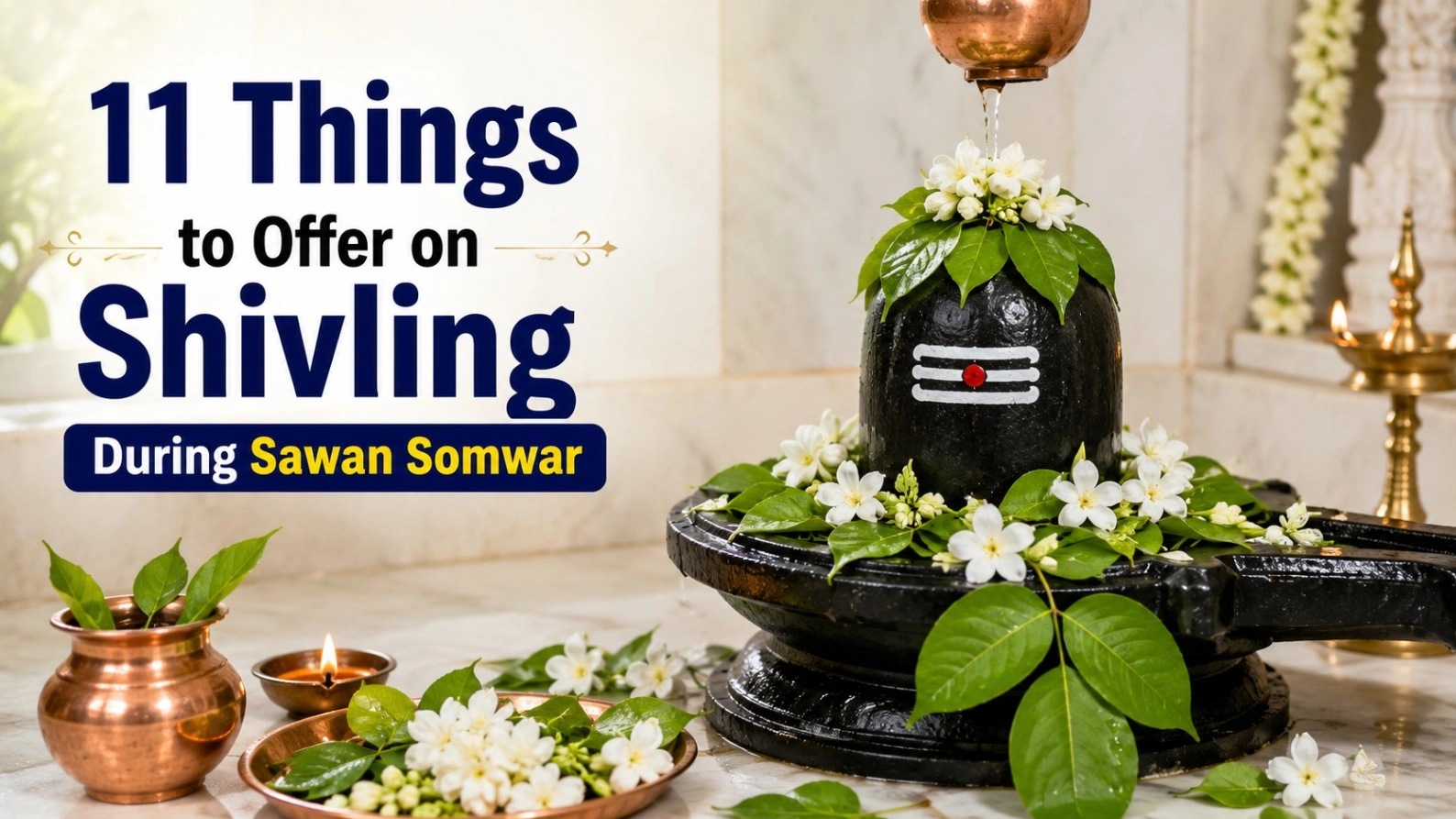
The sacred month of Sawan, also known as Shravan, is devoted to the worship of Lord Shiva. During this spiritually significant period, devotees visit Shiva temples, observe Sawan Somwar vrat, chant “Om Namah Shivaya” and perform Jalabhishek on the Shivling.
Mondays falling during Sawan are known as Sawan Somwar. They are considered especially meaningful for prayer, fasting, meditation and devotion to Lord Shiva. One of the most common questions devotees ask is: What are the best things to offer on Shivling during Sawan Somwar?
Traditional Sawan Somwar worship commonly includes clean water, milk, Bilva or Bel leaves, honey, white flowers, Panchamrit and seasonal fruits. The purpose of these offerings is not to impress the divine through expensive materials, but to express surrender, purity and devotion.
Every offering has a symbolic meaning. Water represents purity, honey represents sweetness, milk represents serenity, and Bel Patra is closely associated with Lord Shiva. However, customs can differ between families, temples and regions. Devotees should therefore follow their family tradition or the instructions of the temple priest where applicable.
Here are 11 auspicious things traditionally offered on Shivling during Sawan Somwar.
1. Clean Water
Clean water is the simplest and most important offering for Shivling worship. The act of pouring water over the Shivling is called Jalabhishek.
Water represents purity, peace and the cleansing of negative thoughts. Devotees traditionally offer it slowly while chanting:
Om Namah Shivaya
You do not need a large quantity of water. A small, respectful offering made with concentration is more meaningful than using excessive amounts without awareness.
When performing Jalabhishek at home, use clean drinking water and a clean vessel. Pour the water gently over the Shivling and allow it to flow through the proper outlet of the base.
Jalabhishek is one of the central rituals of Sawan Somwar worship and is commonly performed after bathing and taking a devotional Sankalp.
Design Your Destiny
Spiritual rituals become truly powerful when they create transformation within us. Design Your Destiny helps you understand your thoughts, emotions and life patterns so that you can move beyond limitations and create a more conscious, peaceful and purposeful life. Begin your journey from ritual to real inner transformation with Design Your Destiny.
Start Your Journey Today!2. Gangajal
Gangajal, or sacred water from the River Ganga, is another important offering associated with Lord Shiva.
According to Hindu tradition, the River Ganga descended through the matted locks of Lord Shiva. Offering Gangajal therefore symbolises spiritual purification, surrender and liberation from inner negativity.
Devotees who have Gangajal may add a few drops to ordinary clean water before performing Jalabhishek. It is not necessary to use a large amount.
While offering Gangajal, maintain a peaceful state of mind and chant “Om Namah Shivaya” or the Maha Mrityunjaya Mantra. The intention behind the offering should be purification of one’s thoughts, words and actions.
3. Milk
Milk is among the most recognised Shivling offerings in Sawan. It symbolises calmness, nourishment, purity and a peaceful mind.
During Dugdh Abhishek, a small quantity of milk is poured gently over the Shivling. Devotees may chant Shiva mantras while performing the offering.
After offering milk, rinse the Shivling with clean water. This helps complete the Abhishek respectfully and prevents residue from remaining on the surface, particularly when performing the puja at home.
Traditional guides frequently include milk among the principal offerings used during Sawan worship and Panchamrit Abhishek.
Use milk symbolically rather than wastefully. Devotion is expressed through sincerity, not through the quantity of the offering.
4. Curd
Curd or yoghurt is traditionally used during Shiv Abhishek and forms one of the five ingredients of Panchamrit.
Spiritually, curd is associated with nourishment, stability and purity. A small spoonful may be offered gently before rinsing the Shivling with water.
Because curd is thick, devotees performing the puja at home should use only a limited amount and clean the Shivling properly afterwards.
The five common components of Panchamrit are:
Milk
Curd
Honey
Ghee
Sugar
These may be offered separately in small amounts or combined to prepare Panchamrit, depending on family and temple traditions.
5. Honey
Honey is considered one of the sacred offerings for Lord Shiva during Sawan. It represents sweetness, harmony and pleasantness in speech and relationships.
While offering honey, devotees may pray for the ability to speak truthfully, kindly and consciously. Only a small quantity is required.
After offering honey, wash the Shivling with clean water because honey can leave a sticky residue.
The spiritual value of the offering lies in the inner Sankalp. As honey is offered externally, the devotee may resolve to remove bitterness, harshness and resentment from within.
Honey is also traditionally included in Panchamrit used during Shivling Abhishek.

6. Ghee
Ghee is another traditional component of Panchamrit. It is associated with light, nourishment, purity and spiritual energy.
A few drops of pure ghee may be offered during Abhishek, depending on the customs followed by the devotee or temple. The Shivling should then be rinsed thoroughly with clean water.
Ghee can also be used to light a diya before Lord Shiva. The flame represents awareness and the removal of inner darkness.
Avoid pouring excessive quantities of ghee on a Shivling, especially in a public temple. Always respect the temple’s rules, environmental practices and instructions regarding permitted offerings.
7. Sugar or Mishri
Sugar or mishri symbolises sweetness, contentment and gentle communication. It is the fifth traditional ingredient used in Panchamrit.
Devotees may add a small quantity of sugar or crushed mishri to the Panchamrit mixture. Some traditions offer it separately, while others use it only as part of Panchamrit.
The deeper meaning of this offering is to cultivate sweetness in one’s behaviour. Worship becomes more meaningful when the external ritual is accompanied by an inner transformation.
While offering sugar or mishri, devotees can pray for harmony within the family, clarity in communication and freedom from anger or bitterness.
8. Bel Patra or Bilva Leaves
Bel Patra is one of the most important and auspicious things to offer on Shivling. The three leaflets of a traditional Bel leaf are often associated with Lord Shiva’s Trishul and three eyes.
Before offering Bel Patra:
Select fresh and clean leaves.
Wash them gently with water.
Avoid leaves that are badly damaged or insect-eaten.
Offer them with the smooth side placed appropriately according to your tradition.
Write or chant “Om Namah Shivaya” mentally while making the offering.
Bilva leaves are widely recognised as a principal offering in Shiva worship during Sawan.
When fresh Bel Patra is unavailable, do not become anxious. A simple water offering made with sincere devotion is sufficient.
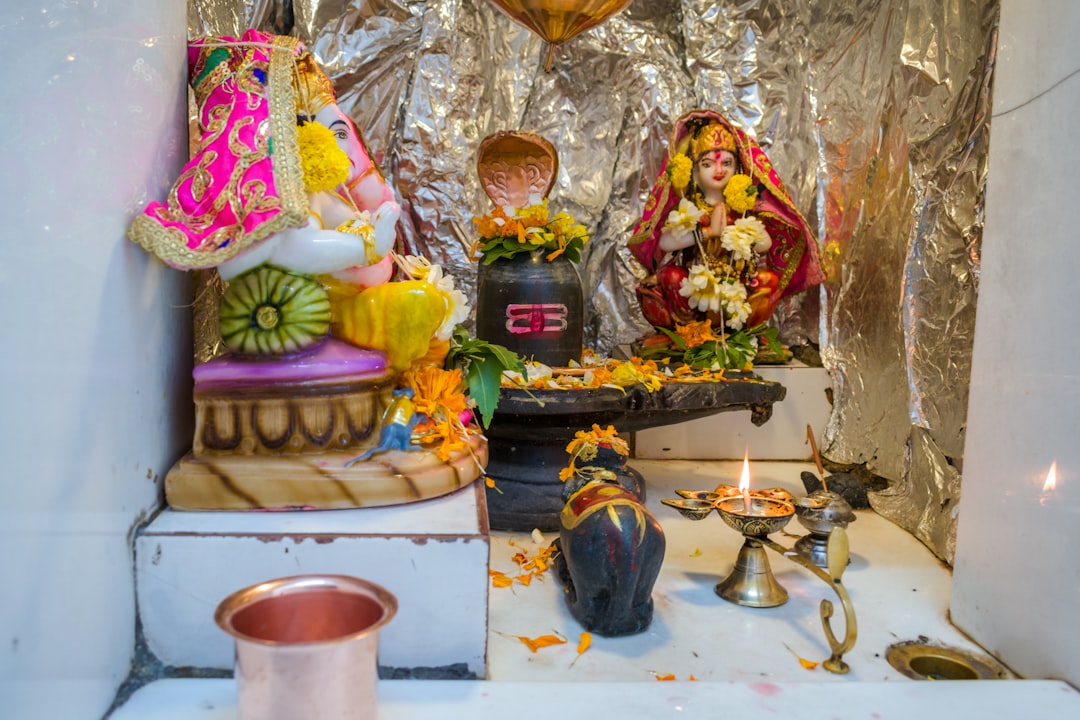
9. White Flowers
White flowers represent purity, simplicity, peace and detachment. They are commonly included in Sawan Somwar Shivling offerings.
Devotees may offer fresh white flowers such as jasmine or other locally available flowers traditionally accepted in Shiva worship.
Flowers should be clean, fresh and offered respectfully. Avoid using artificial flowers as a substitute during the actual puja unless they are only being used for decoration.
Different temples may follow different traditions regarding permitted flowers. It is therefore advisable to check temple rules before carrying flowers for public worship.
Traditional Sawan offering guides frequently recommend white flowers because of their association with purity and peaceful devotion.
10. Sandalwood Paste
Sandalwood paste or Chandan is traditionally associated with coolness, calmness and spiritual purity.
After completing the Abhishek and gently cleaning the Shivling, a small amount of sandalwood paste may be applied according to the puja tradition being followed.
The cooling nature of Chandan symbolically reminds devotees to reduce anger, impatience and agitation. Worship of Lord Shiva should lead toward a calmer and more balanced state of mind.
Use natural sandalwood paste where possible and avoid applying large amounts. Some temples do not allow visitors to apply materials directly to the Shivling, so always respect the local rules.
11. Seasonal Fruits
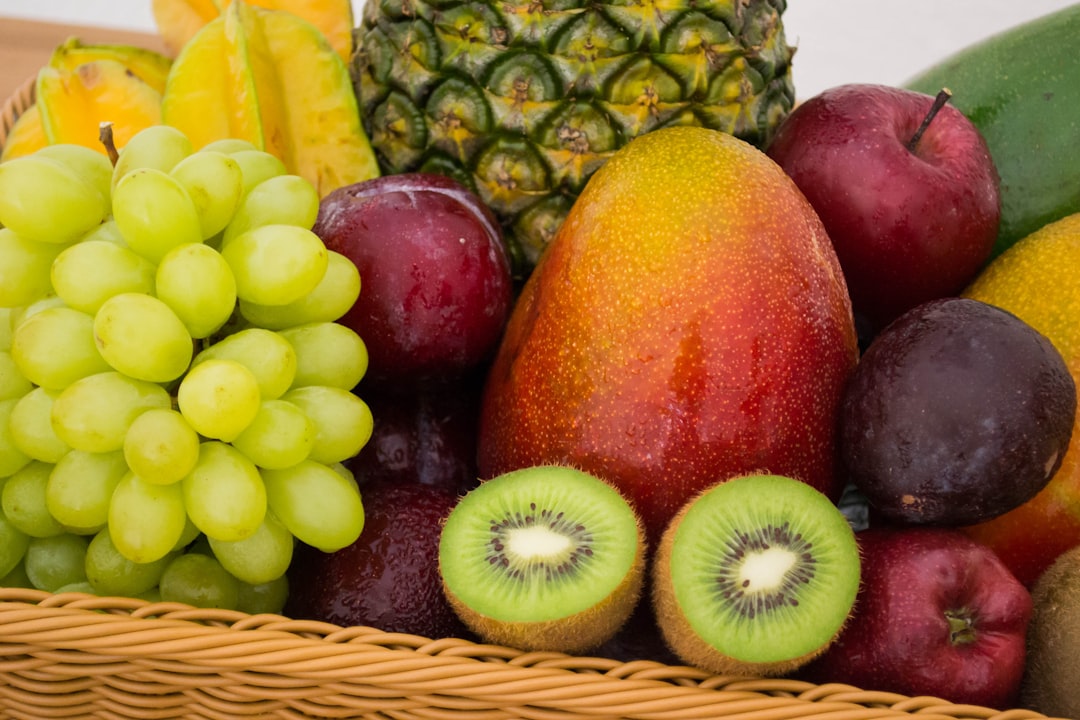
Fresh seasonal fruits may be offered as Naivedya or Bhog after completing the Shivling Abhishek.
Fruits symbolise gratitude, abundance and the offering of the results of one’s actions to the divine. Common choices include bananas, apples, pomegranates or other fresh fruits available locally.
Wash the fruits before placing them near the Shivling or Shiva idol. Do not place cut, spoiled or stale fruit in the puja area.
After the worship, the fruit may be distributed respectfully as Prasad. Current Sawan worship guides also list fruits among traditional offerings associated with prayers for prosperity and well-being.
How to Perform Sawan Somwar Shivling Puja
A simple Sawan Somwar puja can be performed at home without complicated rituals.
Wake up early and take a bath.
Clean the puja area and wear clean clothes.
Sit calmly and take a Sankalp for the worship.
Light a diya and incense, where safe.
Begin with clean water or Gangajal.
Perform Abhishek using small quantities of milk or Panchamrit.
Rinse the Shivling with clean water.
Offer Bel Patra, white flowers and sandalwood paste.
Offer seasonal fruit as Prasad.
Chant “Om Namah Shivaya” 11, 21 or 108 times.
Sit silently for a few moments and offer your prayers.
Traditional Sawan Somwar guides place Jalabhishek, Panchamrit, Bel leaves, mantra chanting and disciplined conduct at the centre of the observance.
Important Rules for Offering Things on Shivling
Keep the following points in mind while performing Sawan Shivling puja:
Use clean and fresh puja materials.
Offer everything with clean hands.
Do not rush through the worship.
Use small, symbolic quantities and avoid waste.
Rinse the Shivling after offering milk, honey, curd or ghee.
Do not force temple priests to accept restricted materials.
Maintain silence, patience and respectful conduct.
Avoid treating an offering as a guaranteed remedy for material desires.
Focus on prayer, self-discipline and inner transformation.
Some traditions advise against offering Tulsi leaves, turmeric, kumkum, Ketaki flowers or coconut water directly on the Shivling. However, practices can differ, so follow the instructions of your family tradition or temple priest rather than treating every online list as universal.
The Real Meaning of Shivling Offerings
The purpose of offering water, milk, flowers or Bel Patra is not limited to asking Lord Shiva for wealth, marriage, success or relief from difficulties.
Every external offering should represent an inner offering:
Offer water and release mental impurity.
Offer milk and cultivate peacefulness.
Offer honey and remove bitterness.
Offer Bel Patra and surrender the ego.
Offer flowers and develop purity.
Offer fruit and surrender the results of your actions.
The most valuable offering to Lord Shiva is a sincere heart, an aware mind and a willingness to transform one’s life.
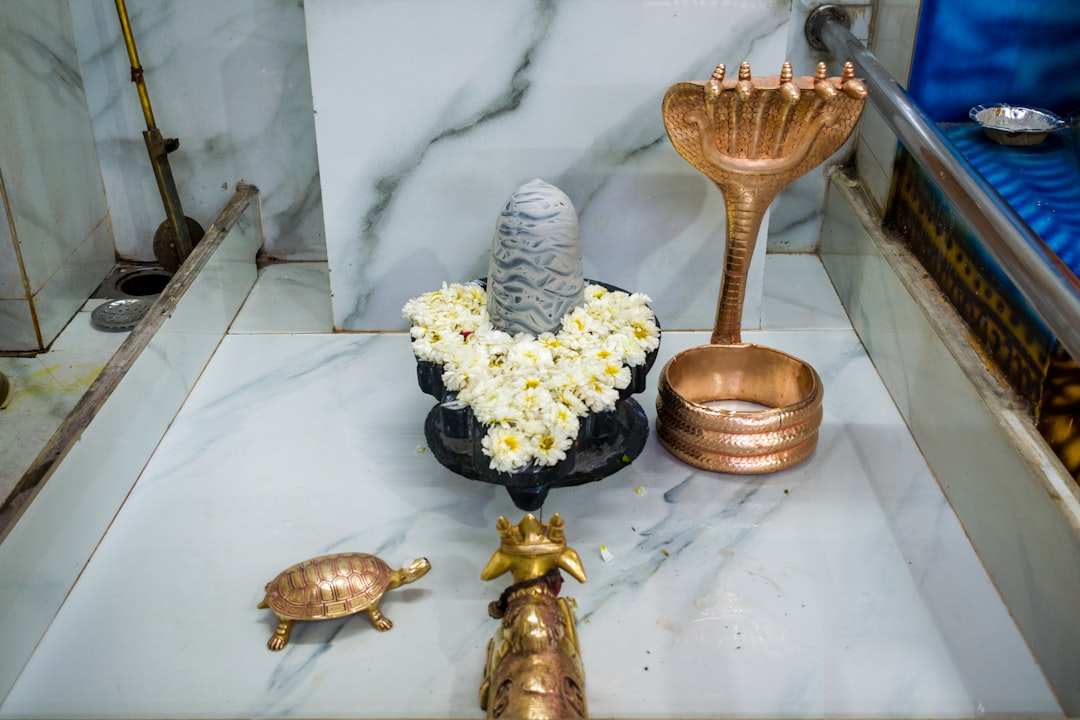
These 11 things to offer on Shivling during Sawan Somwar can help devotees perform their worship with understanding and devotion. Clean water, Gangajal, milk, curd, honey, ghee, sugar, Bel Patra, white flowers, sandalwood paste and fruits are traditionally associated with Shivling puja.
However, the spiritual power of the ritual does not depend on the number or cost of the offerings. Even a small amount of water offered with genuine devotion can become a meaningful act of surrender.
This Sawan, let every Shivling offering become a reminder to cultivate peace, purity, compassion and awareness in daily life.
Om Namah Shivaya.
Personal Session
Are you facing emotional confusion, recurring life challenges or difficulty finding clarity? A personal session can help you understand your situation from a deeper spiritual perspective and identify the inner patterns influencing your life. Book a personal session for personalised guidance, clarity and conscious direction.
Book Now