
Rivers have held a special place in Indian civilisation for thousands of years. They provide water for life, nourish agricultural lands, support communities, and connect generations through shared traditions. In Hinduism, rivers are also regarded as sacred, representing purity, nourishment, divine grace, and the continuous flow of life.
The spiritual significance of rivers in Hinduism extends beyond religious rituals. Rivers appear in sacred texts, mythology, pilgrimage traditions, prayers, festivals, and everyday practices. Many devotees consider particular rivers manifestations of divine feminine energy and believe that bathing in their sacred waters can symbolise spiritual purification and renewal.
Among India's sacred rivers, the Ganga holds an especially important position. Other rivers, including the Yamuna, Saraswati, Godavari, Narmada, Sindhu, and Kaveri, also carry deep religious and cultural significance.
Understanding these traditions offers insight into how Hindu philosophy connects spirituality with nature, human responsibility, and the interconnectedness of life.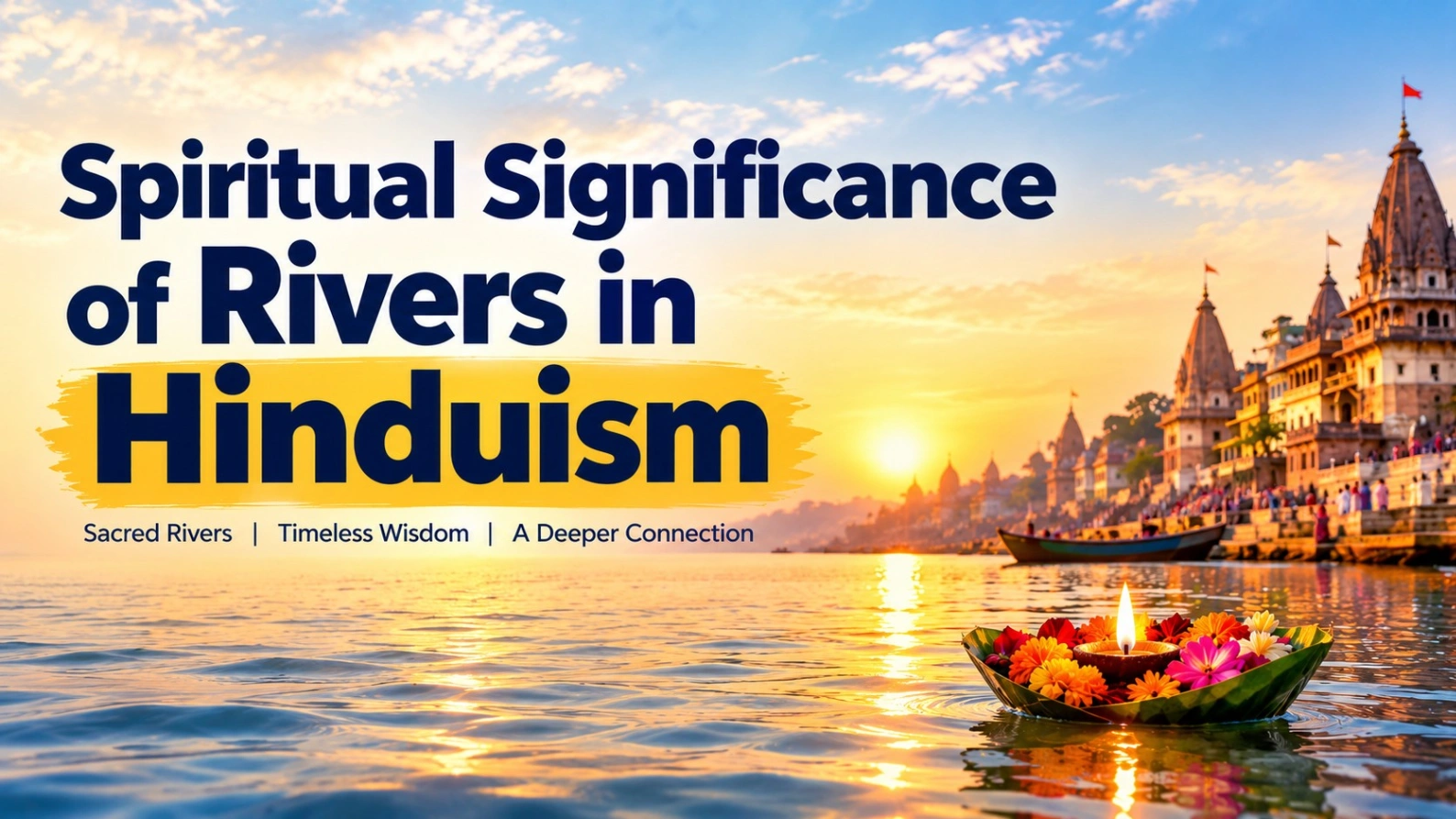
1. Why Are Rivers Considered Sacred in Hinduism?
In Hindu traditions, rivers are not viewed merely as geographical features. They are often honoured as living symbols of divine power, generosity, and the natural forces that sustain existence.
Water is essential for drinking, agriculture, sanitation, and ecosystems. Historically, settlements flourished near rivers because they provided the resources needed for human survival. Over time, these relationships developed cultural, philosophical, and religious meanings.
Several ideas help explain why rivers became sacred.
Rivers as symbols of life
A river carries water across landscapes, nourishing plants, animals, and human communities. Its movement represents continuity, growth, and the ongoing processes of life.
From a spiritual perspective, this can inspire reflection on how life depends on relationships between humans and the natural world.
Rivers as symbols of purification
Water plays an important role in Hindu rituals, including bathing before worship, ritual cleansing, and offerings. Sacred river bathing is traditionally associated with purification, devotion, and the opportunity for spiritual renewal.
These practices express religious and cultural beliefs. Their spiritual significance should be distinguished from scientific claims about water quality or medical benefits.
Rivers as manifestations of divine energy
Several Hindu traditions personify rivers as goddesses. This approach expresses reverence for the natural forces that sustain life.
The river goddess is not simply an abstract symbol; for devotees, she can represent divine presence, compassion, nourishment, and the possibility of spiritual transformation.
2. The Spiritual Significance of the River Ganga
The Ganga, commonly known in English as the Ganges, is among the most revered rivers in Hinduism. It is associated with purity, liberation, devotion, and the relationship between the earthly and divine realms.
The legend of the descent of Ganga
According to a well-known Hindu narrative, King Bhagiratha performed intense spiritual practices to bring Ganga from the heavens to Earth. Lord Shiva received the powerful descent of the river through his matted locks, allowing its waters to reach the world.
This story is traditionally understood as an expression of devotion, perseverance, divine grace, and the transformative power of spiritual effort.
It also demonstrates how Hindu mythology uses natural features to communicate philosophical and ethical ideas.
How to Detach Emotionally Without Becoming Cold
Why is the Ganga worshipped?
For many Hindus, the Ganga is revered as a mother who sustains life and offers spiritual blessings. Pilgrims visit places along the river to pray, participate in rituals, and mark important life events.
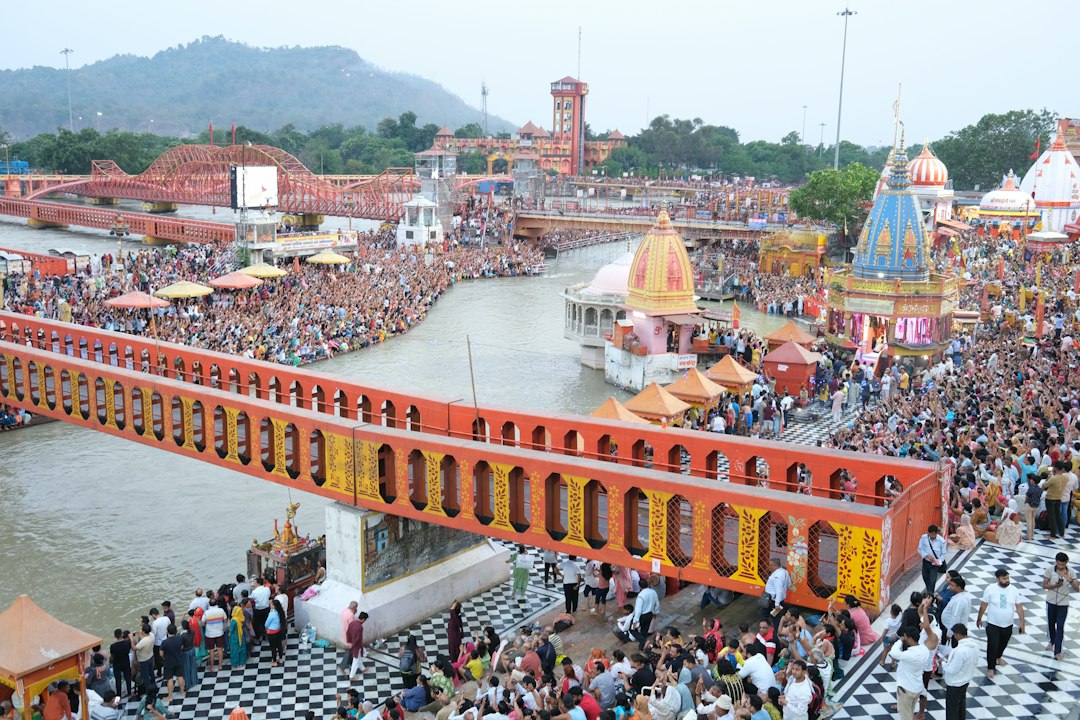
Haridwar, Rishikesh, Varanasi, and Prayagraj are among the important destinations associated with Ganga worship and pilgrimage.
The river's significance is not limited to its physical waters. It also represents faith, cultural identity, ancestral traditions, and continuity across generations.
The Ganga and spiritual liberation
Certain Hindu traditions associate the Ganga with moksha, or liberation from the cycle of birth and death. Rituals performed along the river can express a devotee's hopes for spiritual progress and remembrance of ancestors.
These are religious beliefs rooted in Hindu traditions, rather than claims that can be established through scientific measurement.
3. Seven Sacred Rivers of India and Their Significance
A well-known Hindu invocation honours seven rivers: Ganga, Yamuna, Godavari, Saraswati, Narmada, Sindhu, and Kaveri. Their inclusion reflects the religious importance of rivers across different regions of India.
1. Ganga
The Ganga symbolises purity, divine grace, spiritual devotion, and liberation. It has a central role in pilgrimage, sacred bathing, and numerous religious ceremonies.
2. Yamuna
The Yamuna is strongly associated with Lord Krishna and the traditions of Braj, including Mathura and Vrindavan. It represents devotion, divine love, and the sacred landscapes connected with Krishna's life.
3. Godavari
The Godavari flows through central and southern India and is an important pilgrimage river. Nashik and Trimbakeshwar are among the sacred places associated with its traditions. The river is also connected with the Kumbh Mela observances held at Nashik-Trimbakeshwar.
4. Saraswati
Saraswati occupies an important place in Vedic literature and Hindu tradition. She is associated with sacred knowledge and is also worshipped as the goddess of learning, wisdom, and the arts.
The historical geography of the ancient Saraswati river is the subject of scholarly research and debate.
5. Narmada
The Narmada is especially revered in central India. The Narmada Parikrama, a traditional pilgrimage undertaken along the river, expresses devotion, discipline, and reverence for its sacred landscape.
6. Sindhu
The Sindhu, known internationally as the Indus, is one of the great rivers of South Asia. It has immense historical and cultural significance and is named in ancient Indian traditions.
7. Kaveri
The Kaveri is deeply revered in southern India, especially in Karnataka and Tamil Nadu. Its waters sustain agricultural communities, while its riverbanks contain important temples and pilgrimage centres.
Together, these rivers demonstrate that sacred river traditions are not restricted to a single location. They form part of India's diverse religious and cultural heritage.
4. What Does Water Symbolise in Hindu Spirituality?
Water carries several interconnected meanings in Hindu religious practice and philosophy.
Purification: Water is used in rituals to symbolise cleansing and preparation for worship. Sacred bathing can represent the intention to leave behind spiritual impurities and begin again with renewed commitment.
Renewal: A flowing river suggests movement and change. It can remind people that circumstances, emotions, and experiences are not necessarily permanent.
Nourishment: Water sustains crops, forests, animals, and people. Reverence for water can encourage gratitude for the resources that support everyday life.
Continuity: Rivers connect mountains, villages, cities, and communities. Spiritually, this can represent the interconnectedness of life and the transmission of cultural traditions across generations.
Humility: Standing beside a vast river can remind a person of the scale of the natural world and the limits of individual control.
These interpretations offer a way to explore Hindu spirituality while recognising that individual traditions and beliefs may differ.
5. Why Is Bathing in Sacred Rivers Important?
Ritual bathing is an established practice in many Hindu traditions. Pilgrims visit sacred rivers during festivals, auspicious occasions, and religious journeys.
The practice may express several intentions.
First, it can symbolise purification and the desire to begin again with a clearer mind and renewed spiritual commitment.
Second, it provides an opportunity for prayer, reflection, and participation in a shared religious tradition.
Third, it connects individuals with places associated with sacred narratives, teachers, ancestors, and important events in Hindu history.
Kumbh Mela is a prominent example of pilgrimage and ritual bathing. Large gatherings at designated sacred sites bring together religious communities from different regions.
However, spiritual reverence does not guarantee that river water is safe for bathing or drinking. Water quality varies by location and conditions. People should follow local public-health guidance, avoid polluted areas, and never assume that sacred status makes contaminated water physically safe.
Respect for a river includes protecting both its spiritual meaning and the health of people who depend on it.
6. Sacred Rivers and the Connection Between Humans and Nature
One of the most meaningful aspects of Hindu river traditions is the relationship between spirituality and the natural environment.
Rivers are part of larger ecosystems that include forests, wetlands, soil, fish, birds, and surrounding communities. Their health depends on the condition of these interconnected systems.
The religious practice of honouring rivers can encourage reflection on environmental responsibility.
Design Your Destiny
Spiritual traditions invite us to look beyond everyday routines and reflect on our relationship with nature, ourselves, and the world around us.
Start Your Journey Today!Reverence should inspire protection
A river may be considered sacred while still facing pollution from untreated sewage, industrial waste, plastic, and other sources.
This creates an important question: what does it mean to respect a river if its waters and surrounding ecosystems are being damaged?
A meaningful response includes reducing waste, supporting responsible waste management, protecting wetlands, and promoting the treatment of sewage before it enters waterways.
Small actions can support larger change
Individuals can help by avoiding littering near rivers, using designated waste-disposal facilities during pilgrimages, reducing single-use plastics, and supporting credible river-conservation initiatives.
Communities, industries, and governments also have important responsibilities in wastewater treatment, pollution monitoring, and ecosystem restoration.
Spiritual values cannot replace effective environmental management, but they can provide a powerful cultural motivation for protecting nature.
Bhagavad Gita for Exam Stress: 5 Lessons to Learn
7. What Modern Society Can Learn from Sacred River Traditions
The spiritual significance of rivers in Hinduism offers several lessons that remain relevant today.
Gratitude for natural resources: Rivers remind us that the essentials of life should not be taken for granted. Clean water is a shared necessity, not an unlimited resource.
Respect for interconnectedness: Human well-being depends on ecosystems and communities. Actions that harm rivers can affect agriculture, public health, livelihoods, and biodiversity.
Reflection and renewal: River traditions provide opportunities for people to pause, reflect on their actions, and renew their commitments.
Responsibility alongside reverence: Genuine respect for nature involves practical choices as well as beliefs. Protecting water sources is one way to express gratitude for what sustains life.
Cultural continuity: Sacred rivers connect generations through stories, pilgrimages, rituals, music, and local traditions. Preserving their heritage requires respecting the communities whose lives are connected to them.
These lessons can be appreciated by people from different backgrounds, whether they approach rivers through faith, philosophy, environmental awareness, or cultural history.
The spiritual significance of rivers in Hinduism reveals a deep relationship between religious belief, natural resources, cultural identity, and the search for meaning.
The Ganga represents purity and divine grace for many devotees. The Yamuna is closely associated with Krishna's traditions, while the Godavari, Saraswati, Narmada, Sindhu, and Kaveri each carry their own religious and historical significance.
Beyond individual rivers, water symbolises nourishment, renewal, purification, and the continuity of life. Ritual bathing and pilgrimage allow devotees to express faith, participate in shared traditions, and reflect on their spiritual journeys.
These traditions also invite a contemporary responsibility: to protect the rivers that sustain human communities and natural ecosystems.
At Science Divine Foundation, exploring the relationship between spirituality, awareness, and nature can encourage a deeper appreciation of both ancient wisdom and present-day responsibilities.
A river's significance is found not only in the stories told about it, but also in the life it sustains and the care it inspires.
Personal Session
Every person's journey of understanding is different. A personal session can offer an opportunity to explore questions about awareness, spiritual growth, and conscious living in a more individual setting. Connect with the Science Divine Foundation team to learn about available personal sessions and discover which options may suit your interests.
Book Now
Read Latest Articles
What Is My Purpose in Life?How to Discover Your True Calling
Bhai Dooj Date: Tilak Muhurat, Puja Time & Complete Vidhi
Frequently Asked Questions
Why are rivers considered sacred in Hinduism?
Rivers are considered sacred because they sustain life and are associated with divine beings, purification, and religious traditions. Many Hindus honour rivers as goddesses and visit their banks for prayer, pilgrimage, and ritual bathing.Why is the River Ganga important in Hinduism?
The Ganga is revered as a sacred river associated with purity, divine grace, and spiritual liberation. Its mythology, pilgrimage sites, and role in religious ceremonies make it one of the most significant rivers in Hindu traditions.What are the seven sacred rivers of India?
The seven rivers commonly named in a Hindu invocation are the Ganga, Yamuna, Godavari, Saraswati, Narmada, Sindhu, and Kaveri. They represent the religious and cultural importance of rivers across different regions of India.What does water symbolise in Hinduism?
Water can symbolise purification, renewal, nourishment, and the continuity of life. It is used in many Hindu rituals and is associated with sacred bathing, worship, and respect for the natural world.What is the connection between sacred rivers and environmental protection?
Sacred river traditions can inspire respect for natural resources and responsibility towards the environment. Protecting rivers through waste reduction, pollution control, and ecosystem conservation helps preserve both their ecological value and their cultural significance.