
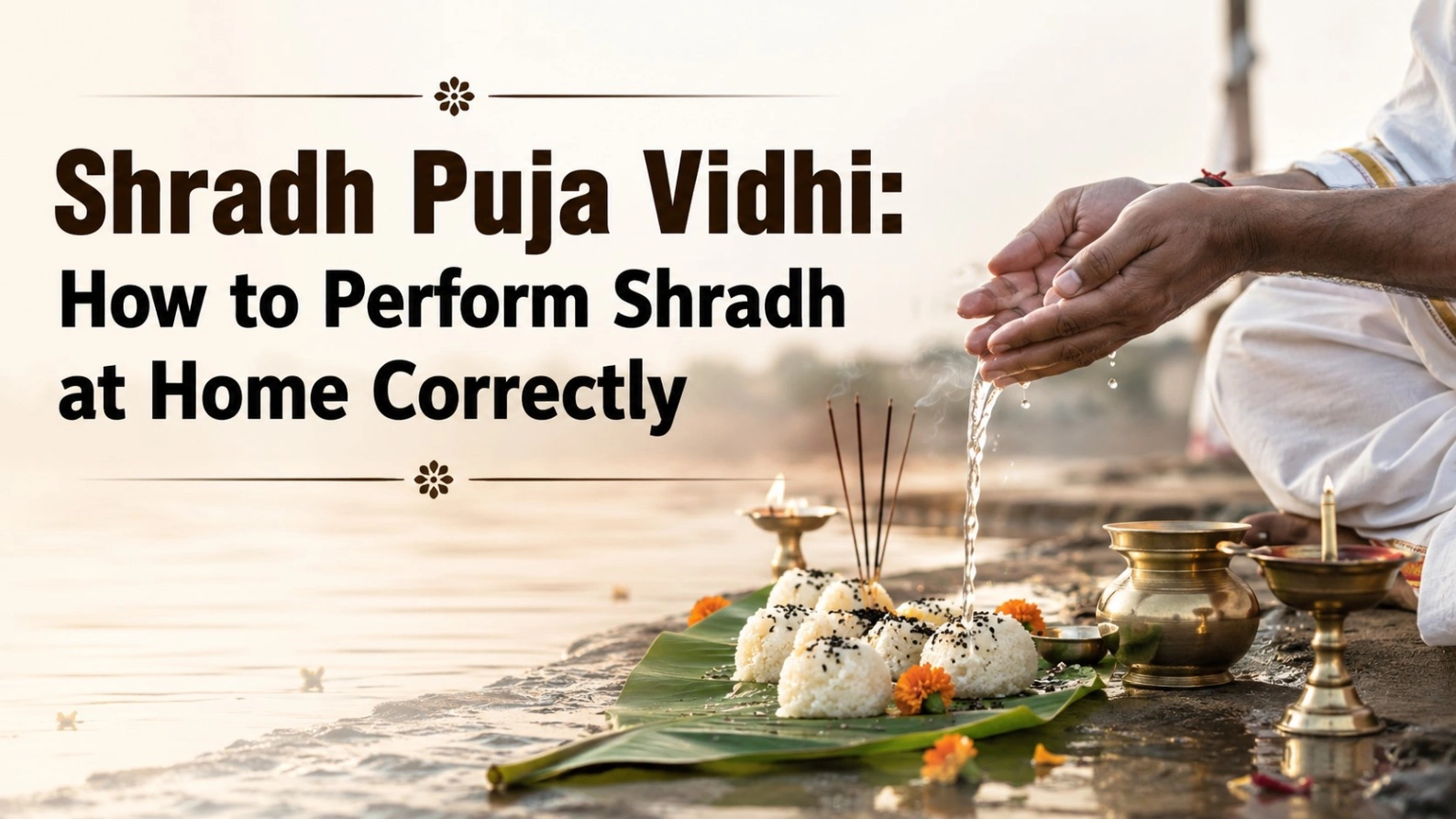
Shradh is an important Hindu tradition through which families remember departed ancestors with gratitude, prayer and sacred offerings. The word is closely associated with shraddha like faith and reverence and the ritual reminds us that our lives are connected to generations that came before us.
During Pitru Paksha, many families perform Shradh, Tarpan, food offerings and acts of charity in remembrance of their ancestors. While elaborate ceremonies may be conducted under the guidance of a knowledgeable priest, families also commonly search for a simple Shradh puja vidhi at home when a full traditional ceremony is not possible.
The exact Shradh vidhi can differ significantly by region, family lineage and tradition. For example, Pinda Daan receives particular importance in several North Indian traditions, while Tarpan has special prominence in parts of Bengal, Odisha and Assam.
Therefore, the steps below should be understood as a simple devotional Shradh ritual at home rather than a replacement for the specific customs followed by your family or sampradaya.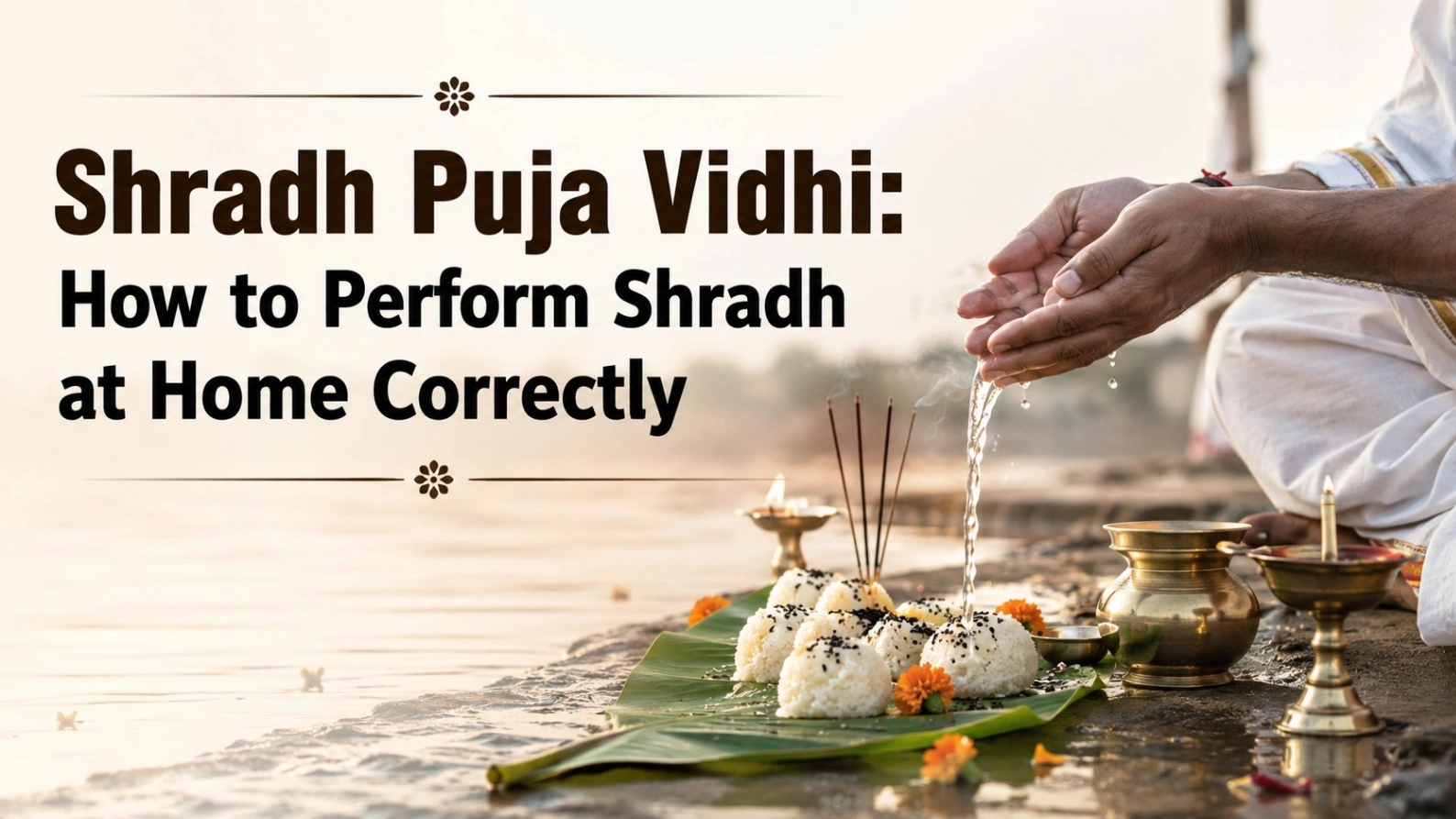
What Is Shradh Puja?
Shradh Puja is performed in remembrance of departed family members and ancestors, traditionally called Pitrs. Through prayer, Tarpan, food offerings, charity and remembrance, the family expresses gratitude toward those from whom they have received life, values, traditions and family heritage.
Shradh is therefore more than performing an external ritual. At its heart, it is an act of remembrance.
When performed consciously, it gives a person an opportunity to pause and acknowledge:
the sacrifices of previous generations,
the values inherited from parents and grandparents,
unresolved emotions associated with departed loved ones,
gratitude for one's lineage,
and the impermanent nature of human life.
This inner feeling of reverence is as meaningful as the external ritual.
Design Your Destiny
We inherit more than traditions from previous generations—we also inherit beliefs, patterns and ways of responding to life. Design Your Destiny is an invitation to move from unconscious living to conscious living. Discover how greater self-awareness can help you understand your inner patterns, make clearer choices and create a life aligned with your deeper purpose.
Start Your Journey Today!When Should Shradh Be Performed?
Traditionally, during Pitru Paksha, Shradh is associated with the lunar tithi corresponding to the ancestor's death rather than simply the English calendar date. Drik Panchang likewise describes Pitru Paksha Shraddha as tithi-based and notes that Tarpan forms part of the observance.
Because Panchang timings vary by location, families should check the applicable local Panchang or seek guidance from a knowledgeable priest before choosing the exact day and muhurta.
If your family already follows an established annual Shradh tradition, it is usually preferable to continue that tradition rather than replacing it with a generic online procedure.
Shradh Puja Samagri: What You May Need
Before beginning the Shradh puja at home, gather the required items so that the ritual can be performed peacefully without interruption.
A simple household arrangement may include:
Clean water
Black sesame seeds or kala til
Kusha or Darbha grass, where traditionally used
A clean vessel for Tarpan
Rice
Ghee
Flowers
Incense or dhoop
Diya
Seasonal fruits
Simple sattvic food
A clean plate or leaf for offerings
Donation or food for charity
The exact ingredients used for Pinda, food offerings and other rituals differ across traditions. Drik Panchang, for instance, notes regional Shradh practices involving rice, sesame, barley, milk, honey and ghee in certain North Indian traditions.
Use the method traditionally followed in your family whenever known.
Shradh Puja Vidhi at Home: Step-by-Step Guide
Here is a simplified answer for people wondering how to perform Shradh at home respectfully.
Step 1: Bathe and Prepare a Clean Space
Begin the day with personal cleanliness and prepare a quiet, clean place for the ritual.
Wear clean and simple clothing. Keep the atmosphere peaceful and avoid unnecessary distractions while performing Shradh.
The purpose of preparing the space is not merely physical cleanliness. It also helps prepare the mind for remembrance, gratitude and prayer.
Parsva Ekadashi: Date, Time, Parana, Vrat Katha & Puja Vidhi
Step 2: Light a Diya and Remember the Divine
Light a diya and, according to your family tradition, begin by remembering the Divine, your Guru or your Ishta Devata.
Spend a few moments becoming inwardly calm before beginning the ancestor-related offerings.
Shradh should ideally not become a hurried mechanical activity. Remember why you are performing it.
Step 3: Take a Sankalpa
A Sankalpa means establishing your intention.
Remember the ancestor or ancestors for whom you are performing Shradh. If you know their names, mentally remember them with love and respect.
You may inwardly pray that your offering is accepted with the sincere intention with which it is being made.
For formal Sanskrit Sankalpa wording, consult your family priest rather than using an unfamiliar mantra incorrectly.
Step 4: Perform Pitru Tarpan According to Tradition
Tarpan is one of the most frequently associated rituals with Shradh and Pitru Paksha.
In a simplified household practice, water is offered respectfully in remembrance of the ancestors. Black sesame and Kusha may also be used according to family tradition.
Because the exact position of the hands, direction, number of offerings and mantras can differ according to lineage and ritual tradition, anyone wishing to perform the complete Vedic Pitru Tarpan vidhi should receive guidance from a knowledgeable priest.
For a simple devotional observance, the emphasis should remain on reverence rather than attempting complex rituals without understanding them.
Pitru Paksha Rule: What to Do & What Not to Do During Shradh
Step 5: Prepare the Food Offering
Traditionally, food forms an important part of Shradh.
Prepare fresh, simple food according to the practices followed by your family. Different parts of India follow distinctly different menus and offering customs during Shradh, so there is no single universal menu that applies to every household.
Before family members eat, a portion may be respectfully set aside as an offering according to family custom.
The food should be prepared with cleanliness, simplicity and remembrance.
Step 6: Pinda Daan, If Followed in Your Tradition
Pinda Daan is especially important in several Shradh traditions.
A Pinda generally refers to a ritual offering prepared from ingredients such as rice and other prescribed items according to custom.
However, Pinda Daan is a ritual where procedures can become considerably more specific. If your family traditionally performs formal Pinda Daan, it is best done under proper guidance.
Do not feel compelled to reproduce an elaborate procedure simply because you found it online.
Step 7: Offer Food With Gratitude
Offer the prepared food prayerfully while remembering departed family members.
In many traditional practices, food is subsequently offered to eligible recipients or animals such as cows and crows, while feeding people in need and giving charity are also associated with Shradh observance. Regional customs vary considerably.
The underlying spiritual principle is generosity: remembrance should inspire giving rather than remain confined to a ritual space.
Step 8: Give Food or Charity
If possible, feed someone who genuinely needs food or make a meaningful donation.
Charity performed without ego can turn remembrance into compassionate action.
Instead of thinking only, “What ritual should I complete?”, ask:
“What goodness can I do today in memory of those who came before me?”
This can make Shradh personally meaningful even for younger generations who may not understand every traditional ritual.
Step 9: Pray for Peace and Express Gratitude
Conclude the Shradh vidhi at home with a quiet prayer.
Remember your ancestors with gratitude rather than fear.
You may reflect on the qualities you received from your parents, grandparents and family lineage and make a conscious commitment to carry forward what was noble while becoming free from patterns that no longer serve your spiritual growth.
That inner transformation can become one of the deepest meanings of ancestral remembrance.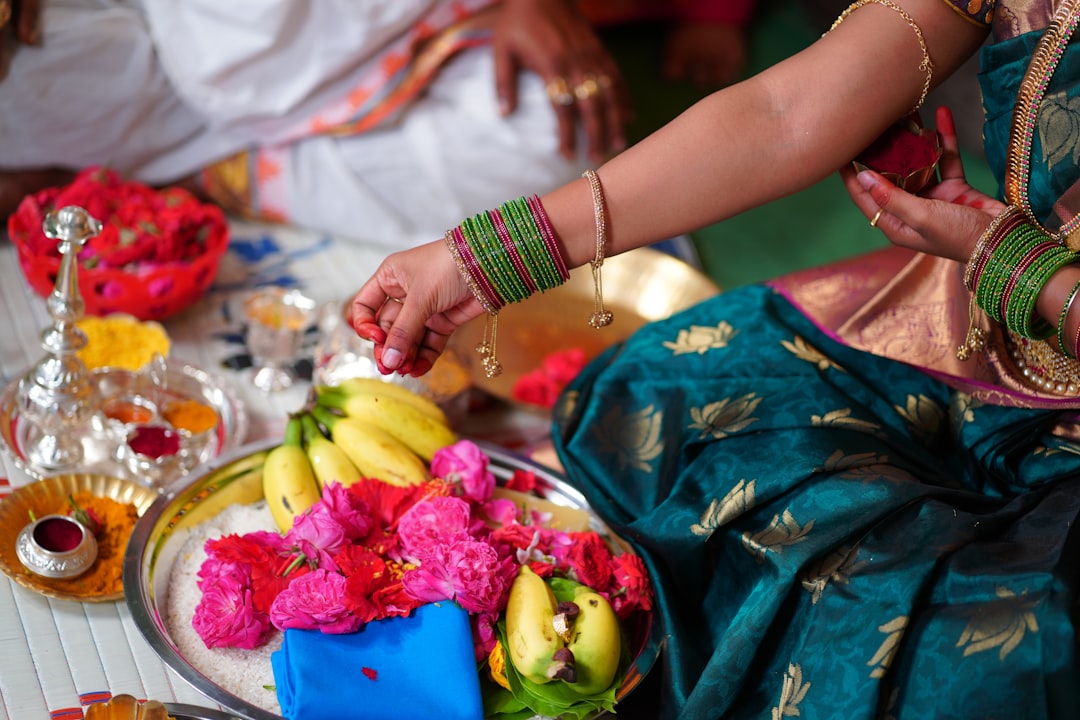
How to Do Shradh Puja at Home If You Do Not Know the Complete Vidhi
Many people want to honour their ancestors but do not know traditional Sanskrit mantras or the complete Pitru Paksha Shradh vidhi.
Do not randomly combine rituals from several internet sources.
Instead, keep the observance simple:
Clean yourself and the prayer space.
Light a diya.
Remember the Divine.
Remember your ancestors by name.
Make a simple water offering according to your family custom.
Offer freshly prepared food.
Give food or charity.
Pray for peace.
Express gratitude for your lineage.
Current guides on home observance similarly emphasize cleanliness, Sankalpa, water/Tarpan offerings, food offerings and charity as core elements of a simplified household practice.
For formal mantras, Pinda Daan or a full Vedic ceremony, seek appropriate guidance.
Living the Gita Movement
The Bhagavad Gita is not merely something to be read or listened to. It is the art of awakening within oneself and experiencing the truth of life. The vision of the Living the Gita Movement is to bring the wisdom of the Gita out of books and transform it into a lived experience.
Join NowImportant Rules While Performing Shradh at Home
While customs differ, a few principles can make your Shradh observance more meaningful.
Maintain Cleanliness
Keep your body, clothes, food and puja space clean.
Perform the Ritual Peacefully
Avoid unnecessary arguments, anger and distractions around the time of the ritual.
Follow Your Family Tradition
If your parents or elders already follow a particular Shradh vidhi, give preference to that lineage rather than replacing it with a generic method.
Avoid Fear-Based Thinking
Shradh should arise from respect and gratitude toward ancestors, not anxiety or superstition.
Give With Humility
Whether offering food, clothes or money, charity becomes spiritually meaningful when performed sincerely and without seeking recognition.
Do Not Perform Complex Rituals Without Guidance
If you are unsure about a mantra, Pinda Daan procedure or Vedic Tarpan, consult someone properly trained in that tradition.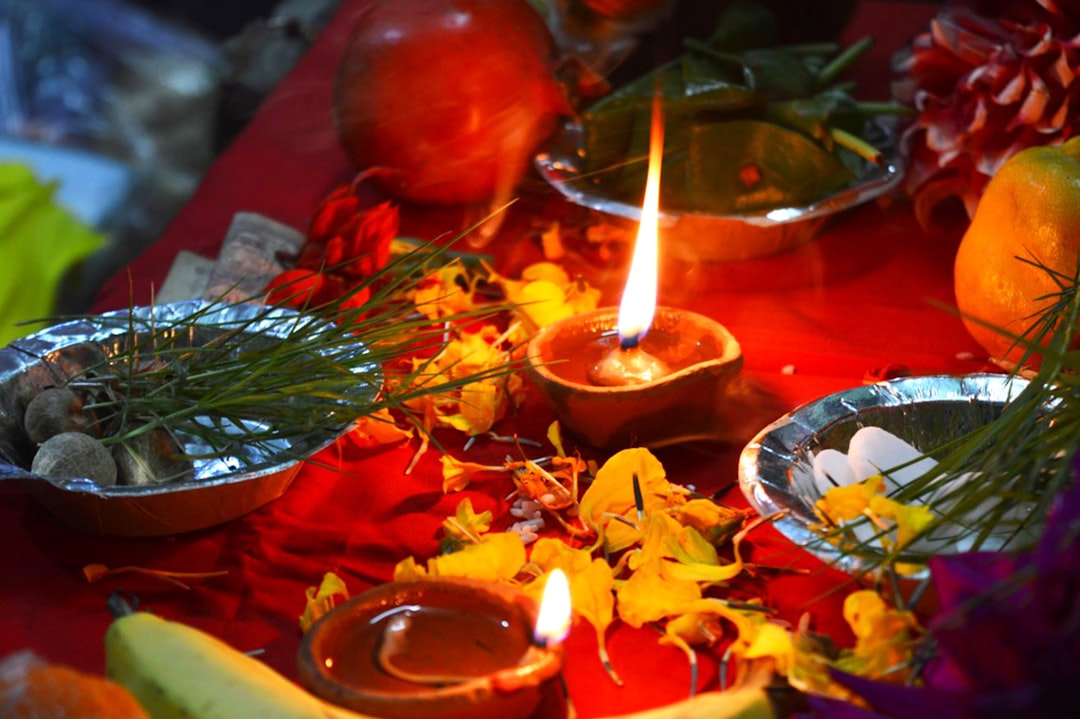
Spiritual Meaning of Shradh Beyond Ritual
Shradh also contains an important spiritual lesson: the person we call “I” did not arise independently.
Our physical life, language, habits, culture and opportunities have been shaped by countless people before us.
Remembering ancestors can therefore dissolve some of the ego's belief that “Everything I have achieved is mine alone.”
It teaches gratitude.
It also reminds us that one day we too will become part of someone else's memory. The real question then becomes:
What kind of consciousness, values and love are we leaving behind?
When understood this way, the Shradh ritual at home becomes not merely a ceremony for the departed but also an opportunity for the living to awaken.
The true meaning of Shradh puja vidhi at home lies not simply in completing a set of ritual steps but in remembering where we have come from.
Through Sankalpa, Tarpan, food offerings, prayer and charity, Shradh offers a sacred opportunity to express gratitude toward one's ancestors.
Whether you perform an elaborate Pitru Paksha Shradh puja vidhi under traditional guidance or observe a simple Shradh at home, let the foundation of the practice remain the same: Shraddha like sincere faith, gratitude and remembrance.
When remembrance transforms into gratitude and gratitude transforms into conscious living, an ancient ritual becomes relevant to our life today.
Personal Session
Every person's inner journey is different. If you are seeking greater clarity, struggling with repeated patterns or looking for deeper spiritual understanding, a personal session can give you dedicated space to explore your questions and discover the next step on your journey. Book a Personal Session and take a conscious step toward clarity, inner peace and transformation.
Book NowRead Latest Articles