
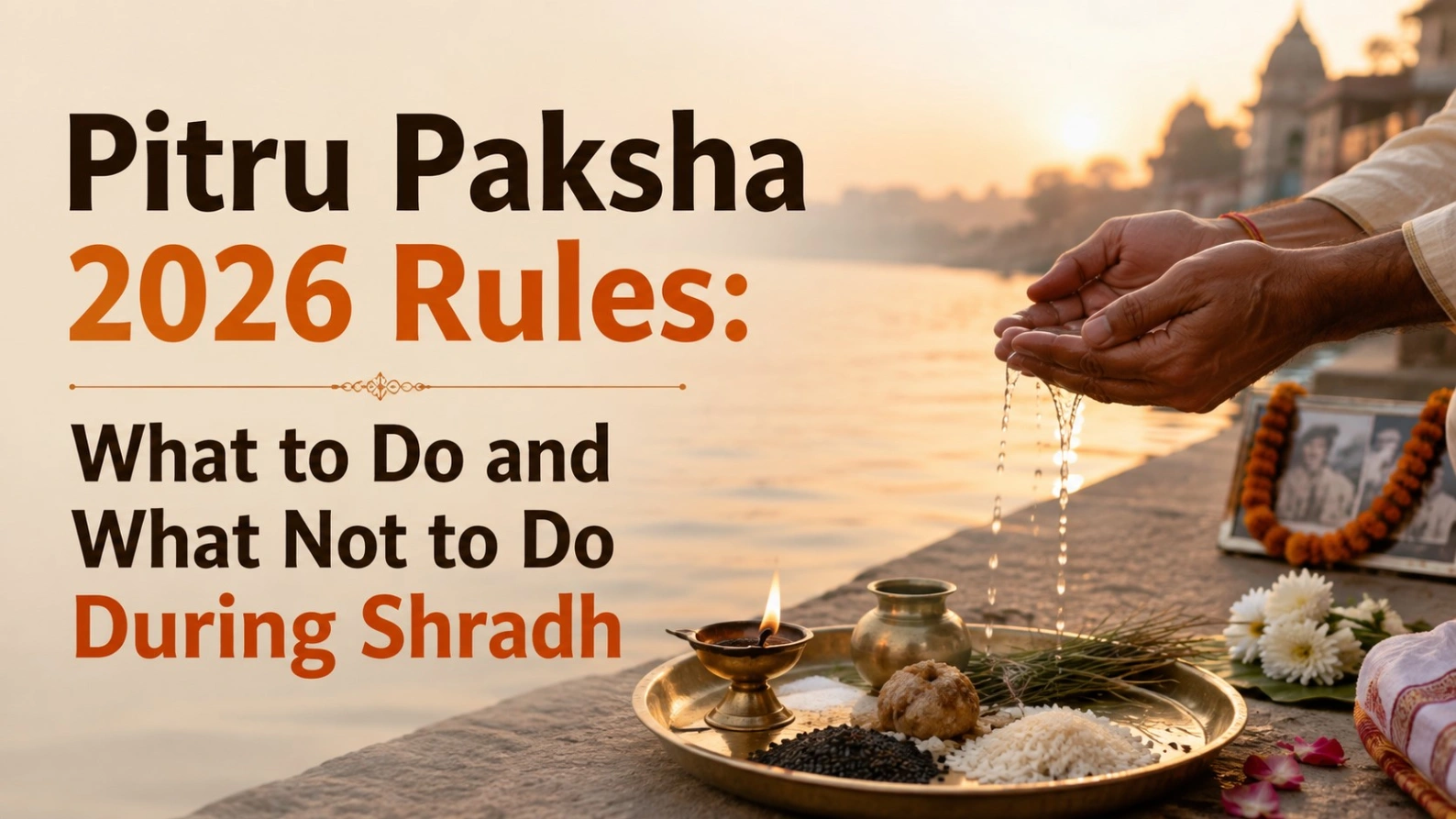
Pitru Paksha is a sacred period in Hindu tradition dedicated to remembering, honouring and expressing gratitude to departed ancestors. Families observe Shradh, Tarpan, Pind Daan, prayer and acts of charity with the intention of paying respect to those who came before them.
Because this period has its own customs and spiritual significance, searches for Pitru Paksha 2026 rules, Pitru Paksha dos and don'ts, what to do during Pitru Paksha, and what not to do during Pitru Paksha increase as Shradh approaches.
In 2026, the main Pitru Paksha period in India begins with Pratipada Shraddha on September 27, 2026, and concludes with Sarva Pitru Amavasya on October 10, 2026. Purnima Shraddha falls on September 26. Dates and ritual timings may vary by location and Panchang, so families following a specific tradition should check their local calendar.
However, Pitru Paksha is not simply a list of restrictions. At its heart, it encourages remembrance, gratitude, simplicity, charity and respect for one's family lineage.
Here is a detailed guide to the most commonly followed Pitru Paksha 2026 dos and don'ts.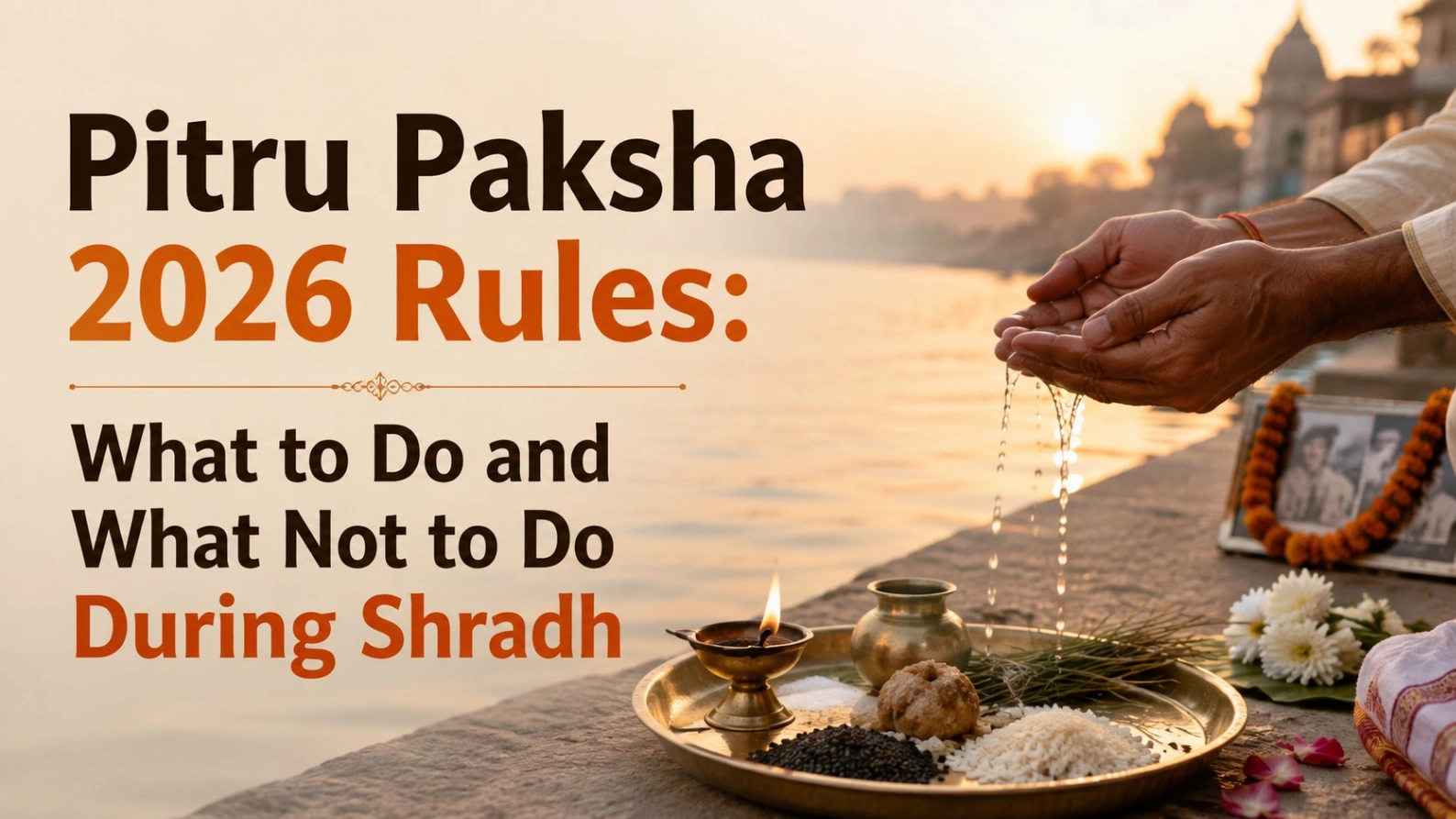
What Is Pitru Paksha?
Pitru Paksha, also called Shradh Paksha or Mahalaya Paksha in different traditions, is a period dedicated to one's Pitru, departed ancestors.
During this time, many Hindu families perform Shradh according to the lunar tithi associated with an ancestor's passing. Traditional observances may include Tarpan, offerings of water, Pind Daan, food offerings, prayers and charity.
The Sanskrit concept of Shraddha itself emphasises sincerity, faith and reverence. Therefore, the deeper purpose of Shradh is not fear or superstition but remembrance and gratitude.
Traditionally, families use these days to pause from major celebrations and focus instead on ancestors, elders, family values and acts of selfless giving.
Customs differ significantly across regions, communities and family traditions. Therefore, not every rule listed below is followed identically by every Hindu family.
Design Your Destiny
Ancient wisdom becomes truly powerful when it is applied to everyday life. Design Your Destiny helps you understand your thoughts, actions and inner patterns so you can move toward greater clarity, awareness and purpose. Explore Design Your Destiny and begin your journey toward conscious living.
Start Your Journey Today!Pitru Paksha 2026 Rules: What to Do During Pitru Paksha
1. Remember Your Ancestors With Gratitude
The simplest and most meaningful practice during Pitru Paksha is remembering departed family members respectfully.
Families may recall their qualities, stories, values and contributions. This transforms Pitru Paksha from a ritual obligation into an opportunity to appreciate one's roots.
Even when elaborate ceremonies are not possible, sincere remembrance and prayer can preserve the spirit of the observance.
2. Perform Shradh on the Appropriate Tithi
Traditionally, Shradh is performed according to the lunar tithi on which the ancestor passed away rather than simply according to the Gregorian calendar date.
For example, if an ancestor passed away on a Navami tithi, the corresponding Navami Shraddha during Pitru Paksha may be observed.
If the death tithi is unknown or a family cannot perform the rites on the appropriate day, Sarva Pitru Amavasya is traditionally used for remembering departed ancestors collectively. In 2026, Sarva Pitru Amavasya falls on October 10.
3. Perform Tarpan According to Your Tradition
Tarpan is one of the best-known rituals associated with Pitru Paksha.
It generally involves offering water with remembrance and prayer for departed ancestors. Black sesame seeds and other ritual materials may also be used depending on the family's tradition.
Because procedures and mantras can vary, people wishing to perform a formal Tarpan should follow their family tradition or seek guidance from a knowledgeable priest.
4. Perform Pind Daan Where Traditionally Followed
Pind Daan is another ancestral rite observed by many families.
The ritual generally involves offering symbolic food preparations to departed ancestors as part of Shradh ceremonies.
Places such as Gaya are especially associated with Pind Daan traditions, although families also perform ancestral rites in their homes or at other sacred locations.
The spiritual emphasis remains on devotion and remembrance rather than the scale of the ceremony.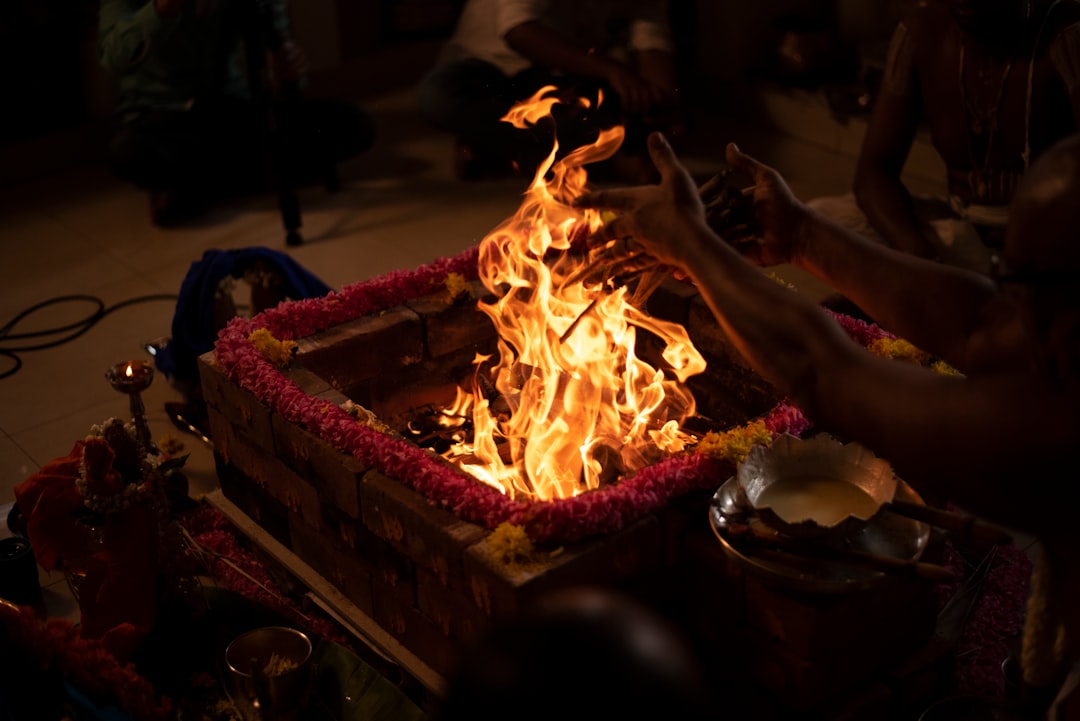
5. Offer Food With Respect
Food has an important place in traditional Shradh observances.
Families may prepare simple or sattvic meals and make offerings according to their household customs. Some traditions also include feeding Brahmins, guests or people in need.
The important principle is that the food should be prepared respectfully and offered sincerely rather than being treated as merely another household meal.
6. Practice Daan and Charity
Charity is one of the most meaningful things to do during Pitru Paksha.
Depending on one's circumstances, a person may donate:
Food
Grains
Clothes
Daily-use essentials
Money to a genuine charitable cause
Meals to people in need
Acts of charity performed in memory of departed family members allow remembrance to take a compassionate and practical form.
Charity, feeding people in need and feeding animals are commonly associated with ancestral observances.
What Is Witness Consciousness? Learn Detachment & Inner Peace
7. Feed Animals Where Your Tradition Encourages It
Some Hindu traditions include offering food to crows, cows and dogs during Shradh.
These customs carry symbolic meanings connected to ancestral remembrance and compassion toward living beings.
The practice should always be done responsibly, using food that is safe for the animal rather than offering something merely because it forms part of a ritual.
8. Follow a Simple and Sattvic Lifestyle
Pitru Paksha traditionally encourages simplicity.
Many families prefer vegetarian or sattvic meals during this period and reduce unnecessary indulgence.
A calm lifestyle also reflects the contemplative purpose of Shradh. This can include reducing arguments, excessive entertainment, intoxicants and activities that distract from remembrance.
9. Respect Elders and Maintain Family Harmony
Pitru Paksha is ultimately connected with lineage.
Honouring one's ancestors while disrespecting living parents, grandparents or elders would contradict the underlying spirit of the observance.
Use this period to reconnect with family members, listen to stories about previous generations and resolve unnecessary conflicts wherever possible.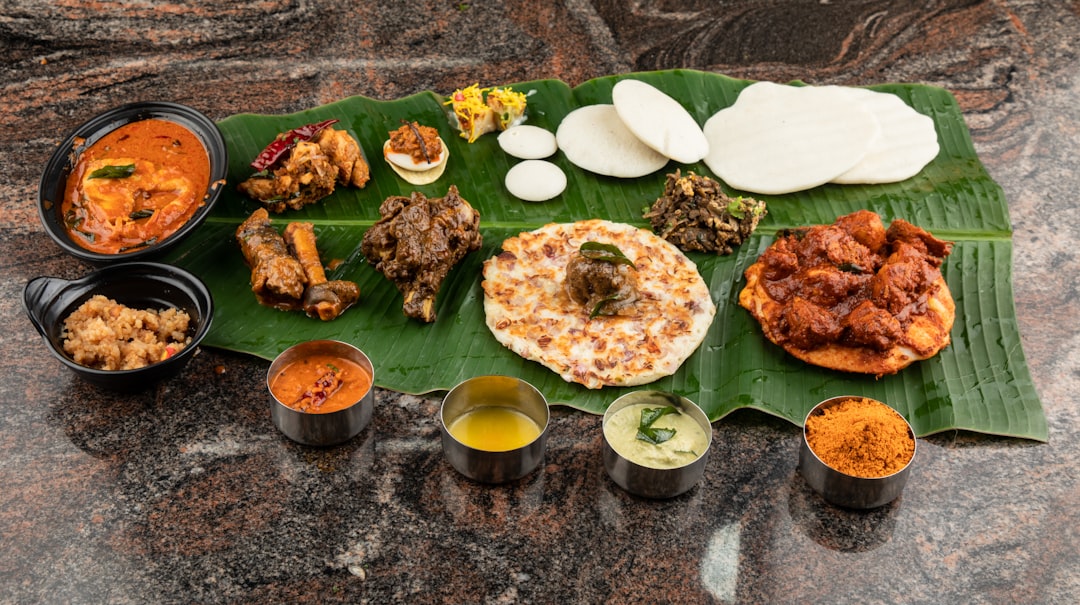
What Not to Do During Pitru Paksha
The following are commonly mentioned Shradh rules, but the level to which they are followed varies between communities and households.
1. Avoid Major Auspicious Ceremonies
Many families traditionally avoid organising major celebratory ceremonies during Pitru Paksha, including:
Weddings
Engagements
Griha Pravesh
Major religious celebrations connected with a new beginning
Pitru Paksha is treated as a period of remembrance rather than celebration. The Hindu American Foundation similarly describes it as a period in which families honour ancestors and commonly postpone ceremonies such as housewarmings, engagements and marriages.
2. Avoid Unnecessary New Purchases Where Traditionally Followed
One frequently searched question is:
Can we buy new things during Pitru Paksha?
Traditionally, many families postpone celebratory or luxury purchases such as new clothes, jewellery, vehicles or property because Pitru Paksha emphasises simplicity and remembrance.
However, this should not be interpreted as a universal prohibition on essential purchases.
If something is genuinely needed for work, health, education or everyday life, family practices may differ. The traditional restriction is generally associated more strongly with celebratory purchases and auspicious inaugurations.
3. Avoid New Clothes and Luxury Shopping
Another common question is:
Can we buy clothes during Pitru Paksha?
Many traditional households avoid purchasing or ceremonially wearing new clothes during Shradh Paksha. Similar customs may extend to jewellery, luxury products and other non-essential purchases. These restrictions are repeatedly listed in traditional Pitru Paksha guidance.
Again, customs vary, so family tradition should take precedence over generalized internet rules.
4. Avoid Non-Vegetarian Food and Alcohol Where Observed
Many families follow a sattvic diet during Pitru Paksha.
Traditional guidance commonly advises avoiding:
Meat and non-vegetarian food
Alcohol
Intoxicants
Excessively indulgent food
Some households also avoid onion and garlic, although this is a more specific dietary custom and is not followed universally.
The broader principle is moderation, purity and simplicity.
5. Avoid Haircuts, Shaving and Nail Cutting if Your Family Observes This Rule
Traditional Pitru Paksha dos and don'ts often mention avoiding haircuts, shaving and nail cutting, especially for people directly performing Shradh rites.
However, practices differ between regions and families.
Rather than presenting this as an absolute rule for everyone, it is more accurate to follow your household's customary Shradh practices.
6. Avoid Anger, Arguments and Disrespect
Pitru Paksha is intended to cultivate gratitude and reflection.
Constant arguments, harsh speech, hostility or disrespect toward family members go against that purpose.
Maintaining peace within the household is therefore as meaningful as following external ritual restrictions.
Living the Gita Movement
The Bhagavad Gita is not merely something to be read or listened to. It is the art of awakening within oneself and experiencing the truth of life. The vision of the Living the Gita Movement is to bring the wisdom of the Gita out of books and transform it into a lived experience.
Join Now7. Do Not Perform Rituals Mechanically
Shradh comes from the spirit of shraddha, sincerity and reverence.
Performing an elaborate ceremony without remembrance, gratitude or compassion can miss its deeper purpose.
If someone cannot conduct a large ritual, a simple prayer, remembrance of ancestors and genuine charity may carry greater personal meaning than a ceremony performed only out of social pressure.
Can We Start New Work During Pitru Paksha?
Traditionally, families may postpone the ceremonial launch of a major venture, business, house or other auspicious beginning until after Pitru Paksha.
However, practical responsibilities cannot always be delayed.
Joining a job, attending an interview, completing professional responsibilities, studying or handling essential financial matters should not automatically be treated in the same way as deliberately choosing an auspicious date for a celebratory inauguration.
Family traditions and circumstances should guide the decision.
Why Bhagavad Gita Still Relevant: Lessons for Modern Life
What Is the Deeper Meaning Behind Pitru Paksha Rules?
The Pitru Paksha rules become easier to understand when we look beyond individual restrictions.
The period encourages five broader values:
Gratitude: Remember the people whose lives made yours possible.
Simplicity: Temporarily reduce excessive consumption and celebration.
Charity: Convert remembrance into generosity toward others.
Family connection: Understand your lineage and respect living elders.
Reflection: Recognise the temporary nature of life and focus on values that endure.
Seen this way, Pitru Paksha 2026 dos and don'ts are not simply about what you can buy, eat or wear. They encourage a shift from outward celebration toward inward remembrance.
What If You Cannot Perform Traditional Shradh?
Not every person has access to a priest, sacred place, complete family records or detailed knowledge of rituals.
If you wish to honour your ancestors but cannot perform elaborate rites, you can consider simple acts such as:
Remembering them in prayer
Preparing a simple sattvic meal
Donating food in their memory
Helping someone in need
Spending time with elderly family members
Learning about your family history
Performing Tarpan if you know your traditional method
Observing Sarva Pitru Amavasya according to your family practice
For formal Shradh, Tarpan or Pind Daan procedures, consult a knowledgeable priest or follow the tradition handed down within your family.
Pitru Paksha is fundamentally a period of gratitude, remembrance and connection with one's ancestors.
The most important Pitru Paksha 2026 rules are therefore not merely restrictions. Performing Shradh sincerely, remembering ancestors, practising charity, maintaining simplicity and respecting elders reflect the deeper purpose of the observance.
Similarly, traditional advice about what not to do during Pitru Paksha, such as postponing major celebrations, luxury purchases or indulgent activities, is meant to preserve the reflective nature of these days.
Whether your family follows elaborate Shradh rituals or a simpler form of remembrance, sincerity remains at the heart of Pitru Paksha.
Because customs vary across India, always give priority to your family's established tradition and consult a knowledgeable priest when you require exact ritual procedures or local Panchang timings.
Personal Session
Every person's inner journey is different. If you are seeking greater clarity, direction or a deeper understanding of your spiritual path, a personal session can help you explore your questions with focused guidance. Book a Personal Session and take the next step in your journey of self-discovery and inner transformation.
Book NowRead Latest Articles