
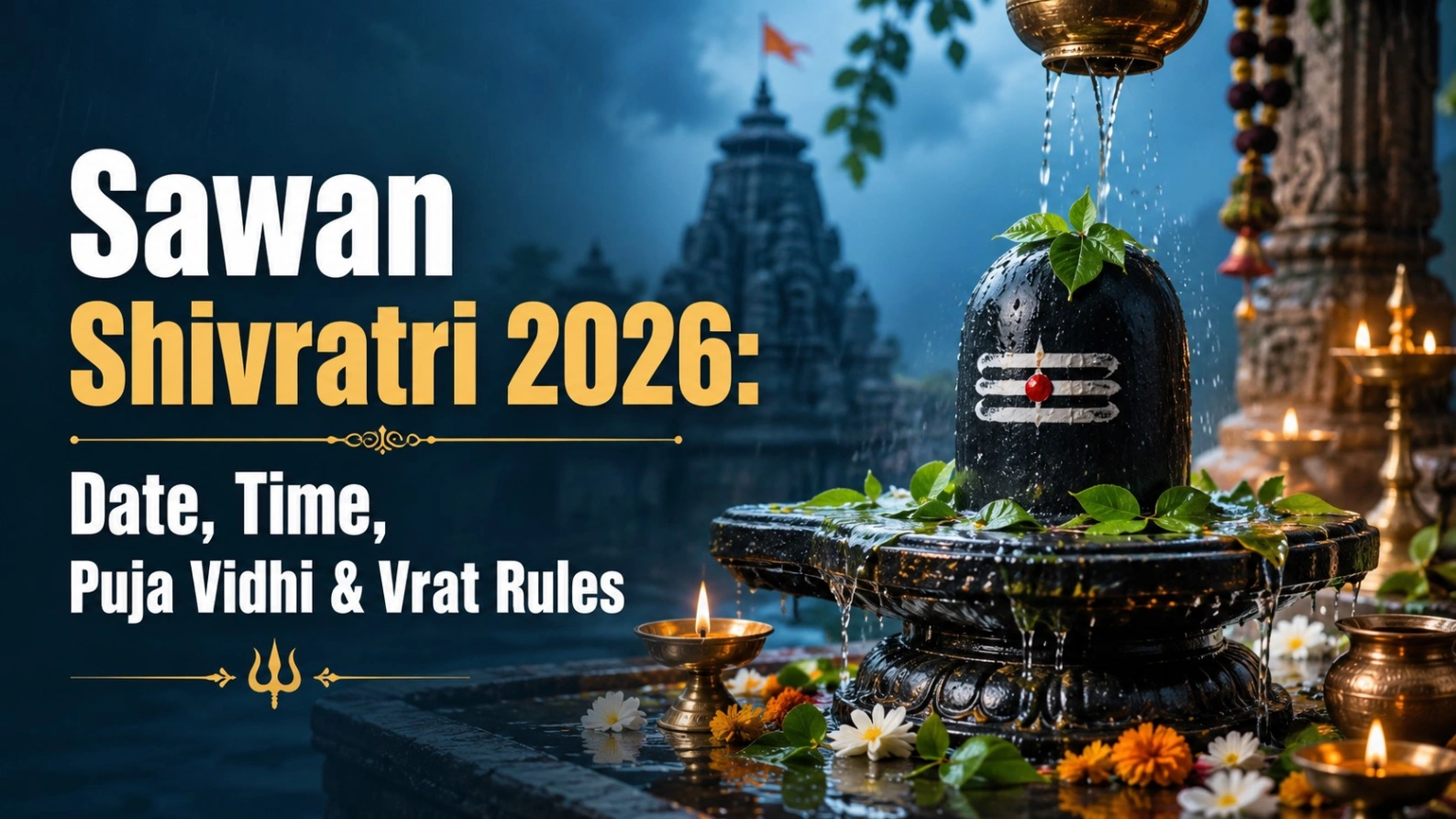
Sawan Shivratri 2026 will be observed on Tuesday, August 11, 2026. Also known as Shravan Shivratri 2026, this sacred occasion falls on the Krishna Paksha Chaturdashi Tithi of the month of Sawan. Devotees worship Lord Shiva, perform Jalabhishek on the Shivling, observe a fast and offer prayers during the night.
For people searching Sawan Shivratri kab hai 2026, the main festival date in North India is August 11, while the most important Nishita Kaal worship takes place shortly after midnight on August 12. The Chaturdashi Tithi begins at 4:54 AM on August 11 and ends at 1:52 AM on August 12.
This detailed guide covers the Sawan Shivratri 2026 date and time, puja muhurat, four Prahar timings, puja vidhi, fasting rules, offerings and the spiritual meaning of the festival.
Sawan Shivratri 2026 Date and Time
The following timings are generally listed for India and may vary slightly according to location, sunrise and the Panchang being followed.
Sawan Shivratri 2026 date: Tuesday, August 11, 2026
Chaturdashi Tithi begins: 4:54 AM on August 11, 2026
Chaturdashi Tithi ends: 1:52 AM on August 12, 2026
Nishita Kaal puja time: 12:05 AM to 12:48 AM on August 12
Suggested parana time: After approximately 5:48 AM on August 12
These timings follow the North Indian Purnimanta calendar. Since festival timings can differ by city and regional tradition, devotees should verify the final muhurat with a trusted local Panchang or temple.
Design Your Destiny
Festivals can inspire us for a day, but true transformation begins when awareness becomes part of everyday life. Join Design Your Destiny and discover practical spiritual tools to understand your mind, reshape your habits and live with greater clarity, purpose and inner balance. Begin your journey towards a more conscious life today.
Start Your Journey Today!Sawan Shivratri 2026 Kab Hai?
In 2026, Sawan Shivratri falls on August 11, Tuesday.
Many devotees may confuse it with the Masik Shivratri occurring in July. However, the July observance falls during the preceding lunar month, while Sawan Shivratri 2026 in India, according to the North Indian calendar, is observed on August 11.
Therefore, people searching “Sawan Shivratri kaun si date ko hai,” “Sawan Shivratri kitni tarikh ko hai” or “2026 mein Sawan Shivratri kab hai” should mark August 11, 2026.
Why Is Shravan Shivratri Celebrated?
Every Krishna Paksha Chaturdashi is traditionally observed as Masik Shivratri. The Shivratri that occurs during the month of Shravan or Sawan is called Sawan Shivratri.
The entire month of Sawan is closely associated with the worship of Lord Shiva. For this reason, the monthly Shivratri occurring during this sacred period holds special importance for Shiva devotees.
Sawan Shivratri is particularly prominent in North Indian states where the Purnimanta lunar calendar is followed. In some western and southern regions that follow the Amanta calendar, the same lunar observance may be identified differently because the naming and beginning of lunar months vary.
Devotees observe the day through fasting, mantra chanting, temple visits, Shivling Abhishek and night-long worship. Kanwariyas also offer sacred Ganga water to Lord Shiva after completing the Kanwar Yatra.
Sawan Shivratri Puja Muhurat 2026
The most important Sawan Shivratri puja muhurat is Nishita Kaal, the midnight period traditionally considered ideal for Shivratri worship.
Nishita Kaal Puja Time
12:05 AM to 12:48 AM on August 12, 2026
Devotees who cannot worship during all four Prahars may perform their principal Shiva puja during this period.
Because the Nishita Kaal begins after midnight, the calendar date will have technically changed to August 12, even though the religious observance belongs to the Shivratri night that begins on August 11.
Sawan Shivratri Four Prahar Puja Timings
The night of Sawan Shivratri is traditionally divided into four Prahars. Devotees may worship Lord Shiva during each Prahar by performing Abhishek, offering Belpatra and chanting Shiva mantras.
First Prahar Puja Time
7:04 PM to 9:45 PM on August 11
The first Prahar begins after sunset. Devotees can light a diya, perform Jalabhishek and begin their night worship.
Second Prahar Puja Time
9:45 PM on August 11 to 12:26 AM on August 12
During the second Prahar, devotees may offer milk, Panchamrit or clean water to the Shivling while chanting “Om Namah Shivaya.”
Third Prahar Puja Time
12:26 AM to 3:07 AM on August 12
The third Prahar includes the important midnight period. This is an ideal time for quiet meditation, mantra japa and Nishita Kaal puja.
Fourth Prahar Puja Time
3:07 AM to approximately 5:48 AM on August 12
The final Prahar continues until around sunrise. Devotees conclude the night worship and prepare for the vrat parana after sunrise.
The four Prahar timings may change slightly according to the devotee’s city, so local Panchang timings should be treated as final.
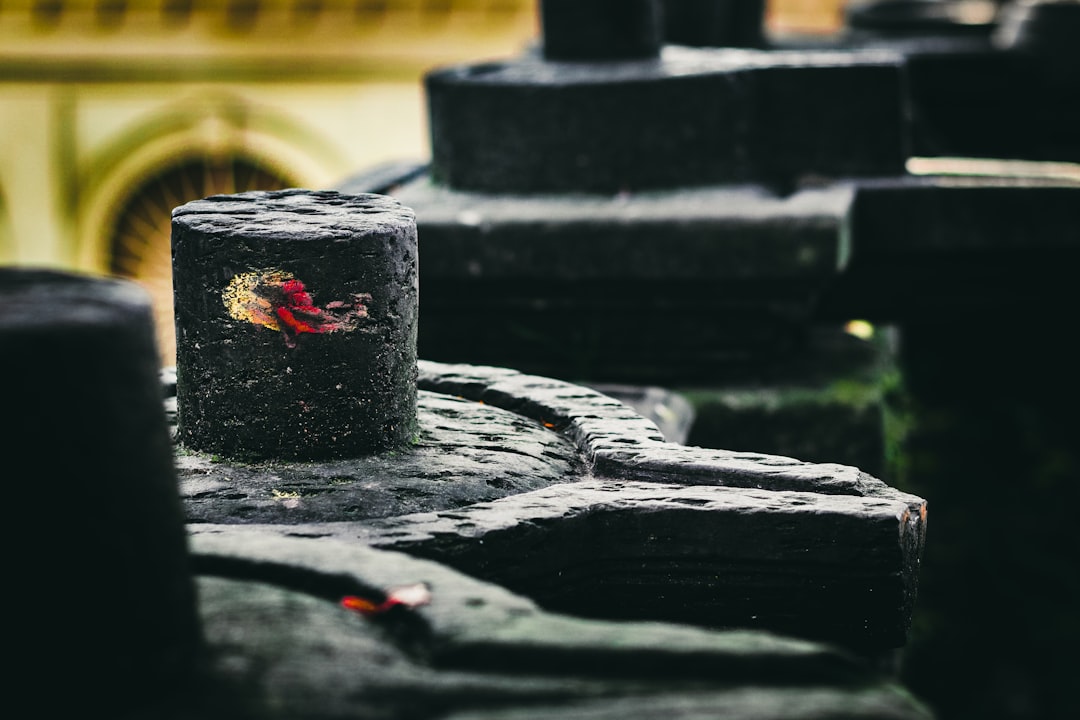
Sawan Shivratri Puja Vidhi at Home
You do not necessarily need to visit a temple to perform Sawan Shivratri puja. A simple and sincere worship can also be performed at home.
Step 1: Clean the Puja Area
Clean the place of worship and take a bath before beginning the rituals. Wear fresh and comfortable clothes.
Place a Shivling or an image of Lord Shiva on a clean platform. Keep all puja items ready beforehand so the worship can be performed peacefully.
Step 2: Take the Vrat Sankalp
Sit in front of Lord Shiva and take a mental or spoken Sankalp to observe the fast with discipline, devotion and peaceful thoughts.
Traditionally, devotees make a commitment to complete the vrat and break it only after the prescribed worship on the following morning.
Kanwar Yatra 2026: Complete Guide to Dates, Routes and Rules
Step 3: Perform Shivling Jalabhishek
Begin by offering clean water or Gangajal to the Shivling. The water should be poured gently while chanting:
Om Namah Shivaya
Devotees may also perform Abhishek with milk or Panchamrit according to family tradition. After using milk or Panchamrit, offer clean water again.
Step 4: Offer Puja Items
Offer Belpatra, flowers, fruits, Akshat, sandalwood paste, incense and a diya.
Traditionally used offerings include:
Clean water or Gangajal
Milk
Panchamrit
Belpatra
White flowers
Fruits
Akshat
Honey
Sandalwood paste
Dhoop and diya
Belpatra should be clean and undamaged. Offer it respectfully with the smooth side facing upward or according to your family’s tradition.
Step 5: Chant Shiva Mantras
Chant “Om Namah Shivaya” at least 108 times. Devotees may also recite the Mahamrityunjaya Mantra, Shiv Chalisa, Shiva Aarti or passages from devotional scriptures.
The focus should remain on awareness, surrender and devotion rather than merely completing a fixed number of chants.
Step 6: Perform Aarti
Conclude the main puja by performing Lord Shiva’s Aarti. Offer fruits or vrat-friendly food as bhog and distribute the prasad after the worship.
Those observing Jagran may continue chanting, meditating or listening to Shiva bhajans during the night.
Sawan Shivratri Vrat Rules
Different families and spiritual traditions follow different fasting methods. Some devotees observe a Nirjala fast without food or water, while others follow a Phalahar vrat consisting of fruits, milk and permitted fasting foods.
Choose a fasting method that is suitable for your age, health and physical capacity.
Important Vrat Rules
Take a bath and begin the day with a clear Sankalp.
Avoid grains, regular salt, onion, garlic, meat, alcohol and tamasic food.
Eat fruits, milk, nuts or vrat-friendly food if observing Phalahar.
Use Sendha Namak only if permitted in your tradition.
Maintain calm speech and avoid anger, arguments and negative behaviour.
Chant Shiva mantras throughout the day.
Avoid treating fasting only as a dietary restriction.
Perform the main puja during the evening, night or Nishita Kaal.
Break the fast after sunrise and the prescribed worship.
People with diabetes, pregnancy, chronic illness or medication requirements should avoid strict fasting without medical guidance. Spiritual discipline should not come at the cost of health.
What Can You Eat During Sawan Shivratri Vrat?
Those observing a Phalahar vrat may generally consume:
Fresh fruits
Milk
Curd, if followed in the family tradition
Coconut water
Dry fruits and nuts
Makhana
Sabudana
Singhara flour
Kuttu flour
Boiled potato
Sweet potato
Sama rice
Sendha Namak
Vrat-friendly homemade dishes
Packaged fasting food should be checked carefully because it may contain ordinary salt, grains or additives that do not match your vrat rules.
Why Do We Offer Water to Shivling in Sawan? Try 3 Remedies
What Should Be Avoided During the Fast?
Devotees generally avoid:
Wheat and rice
Pulses
Ordinary table salt
Onion and garlic
Non-vegetarian food
Alcohol and tobacco
Excessive fried food
Anger, dishonesty and harsh speech
The purpose of the fast is not only to avoid food. It is also an opportunity to reduce distractions, practise self-control and turn attention towards prayer and inner awareness.
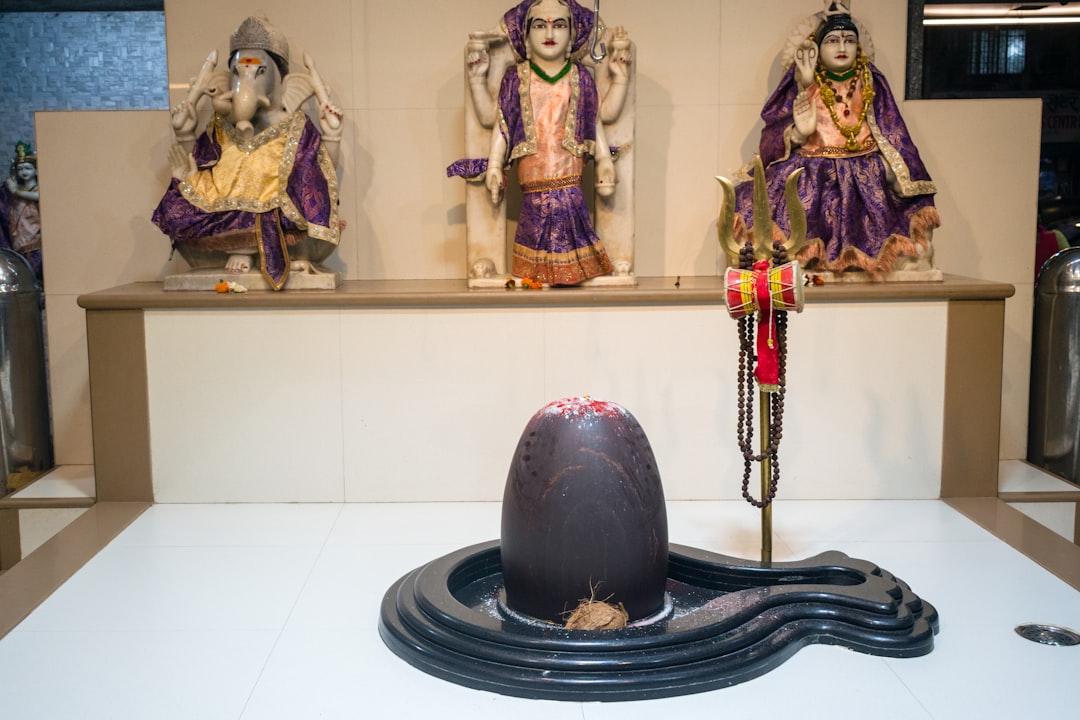
Sawan Shivratri Vrat Parana
The fast is generally broken on the following morning after sunrise and completion of the prescribed puja.
For Sawan Shivratri 2026, parana may be performed after approximately 5:48 AM on August 12, depending on the local sunrise and Panchang.
Before breaking the fast:
Take a bath or wash your hands and face.
Offer water and prayers to Lord Shiva.
Perform a brief Aarti.
Offer food or water as bhog.
Break the fast with water, fruit or light sattvic food.
Avoid eating a very heavy meal immediately after a day-long fast.
Spiritual Significance of Sawan Shivratri
Sawan Shivratri represents the possibility of moving from mental restlessness towards inner stillness.
Lord Shiva is often understood as the symbol of silence, awareness, transformation and detachment. Fasting reduces external indulgence, night worship builds discipline, and mantra chanting helps direct the mind towards a single spiritual focus.
The deeper purpose of the occasion is therefore not limited to asking for material blessings. It is also a time to observe one’s habits, release negativity and develop greater self-awareness.
A simple puja performed with sincerity can be more meaningful than an elaborate ritual performed mechanically.
Personal Session
Every spiritual journey is different. A personal session can help you understand your inner challenges, emotional patterns and spiritual questions with greater clarity. Book a personal session with Sakshi Shree for individual guidance and practical insights that can help you bring meditation, awareness and spiritual understanding into your daily life.
Book Now