


Kanwar Yatra 2026 is expected to bring together Shiva devotees from across North India for a sacred journey of faith, discipline and surrender. During the pilgrimage, devotees known as Kanwariyas travel to holy places such as Haridwar, Gaumukh and Gangotri to collect Ganga water and carry it for Jalabhishek at a Shiva temple.
For devotees planning the journey, knowing the correct Kanwar Yatra date 2026, routes, rules and safety guidelines is essential. This complete guide explains when the Yatra begins, when it ends, which routes are commonly followed, what devotees should carry and how the pilgrimage holds a deeper spiritual meaning.

What Is Kanwar Yatra?
Kanwar Yatra is an annual pilgrimage undertaken by devotees of Lord Shiva, commonly called Kanwariyas or Bhole. The official Haridwar district description identifies Haridwar, Gaumukh and Gangotri among the principal pilgrimage destinations associated with the journey. collect sacred Ganga water in containers suspended on either side of a decorated bamboo or wooden structure called a Kanwar. They then carry the water to a Shiva temple, often walking for many kilometres.
The journey is also known by different spellings, including Kawad Yatra, Kavad Yatra, Kanvar Yatra and Kawar Yatra. However, “Kanwar Yatra” is the most commonly used English spelling.
The pilgrimage is not simply about reaching a destination. For many participants, it is a personal vow involving simplicity, physical endurance, prayer, self-control and devotion to Lord Shiva.
Design Your Destiny
Kanwar Yatra teaches that every meaningful transformation begins with awareness, discipline and commitment. Take the next step with Design Your Destiny and discover practical spiritual tools to understand your mind, overcome limiting patterns and live with greater clarity.
Start Your Journey Today!When Is Kanwar Yatra 2026?
According to the North Indian Purnimanta calendar, Shravan begins on Thursday, 30 July 2026. The main Kanwar Yatra period is generally observed from the beginning of Shravan until Sawan Shivratri, which falls on Tuesday, 11 August 2026 for New Delhi and much of North India. ar Yatra 2026 Important Dates
Kanwar Yatra start date 2026: Thursday, 30 July 2026
Sawan Shivratri 2026: Tuesday, 11 August 2026
Main Jalabhishek period: Around Sawan Shivratri
North Indian Shravan month: 30 July to 27 August 2026
The broader Shravan month continues beyond Sawan Shivratri, but the major Kanwar movement generally culminates around the Shivratri Jalabhishek. dates can vary by location because different parts of India follow Purnimanta, Amanta or solar calendars. Devotees should therefore confirm the final Kanwar Yatra 2026 schedule and temple timings according to their city and local tradition.
Sawan Shivratri and Kanwar Jalabhishek Date 2026
Sawan Shivratri is one of the most important days of the Kanwar Yatra. In the North Indian calendar, it falls during Krishna Paksha Chaturdashi of the Shravan month.
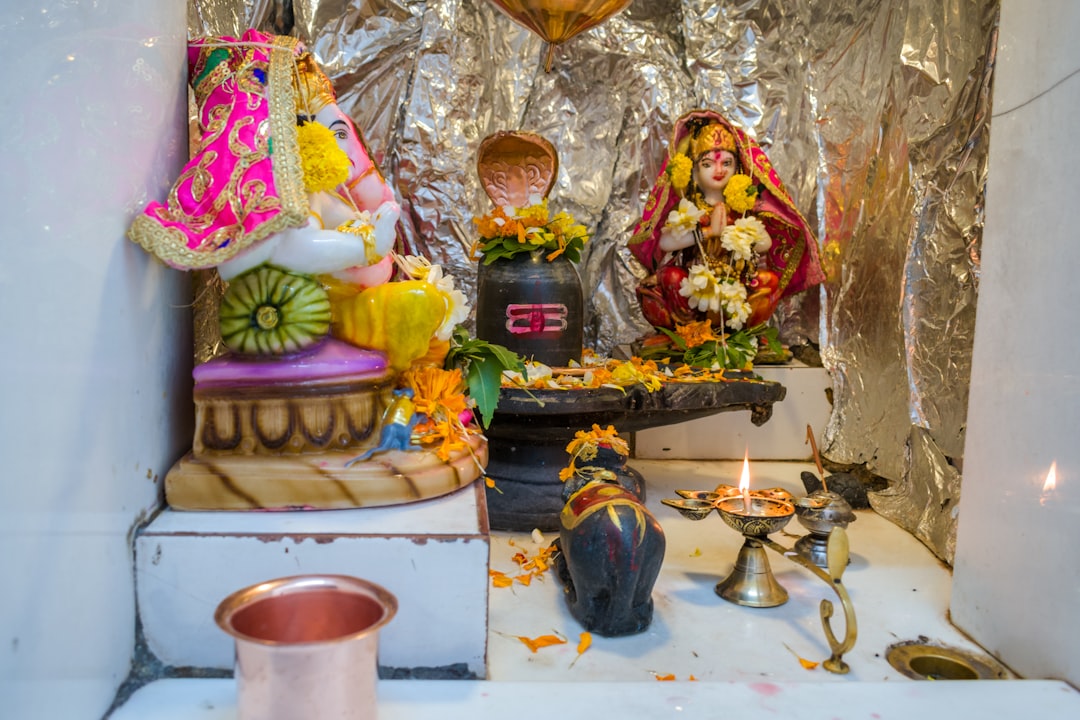
For New Delhi, the 2026 Sawan Shivratri observance falls on 11 August 2026. Panchang timings and the exact Chaturdashi period can vary by location, so devotees should check a city-specific Panchang before planning the final Jalabhishek. mpleting their journey, Kanwariyas offer the collected Ganga water to a Shivling. This offering is called Jalabhishek. Devotees may also offer bilva leaves, flowers and other traditional puja items according to the customs of the temple they are visiting.
Major Kanwar Yatra Routes in 2026
The exact Kanwar Yatra route depends on where the devotee collects Ganga water and where the final Jalabhishek will be performed.
1. Haridwar Kanwar Yatra Route
Haridwar is one of the best-known starting points for the Sawan Kanwar Yatra. Devotees reach the city, collect Ganga water and begin their return journey towards Uttar Pradesh, Delhi, Haryana, Rajasthan and other regions.
A commonly used Delhi-NCR corridor connects Haridwar with Roorkee, Muzaffarnagar, Meerut, Ghaziabad and Delhi. However, road access, traffic diversions and Kanwariya lanes may change during the Yatra.
Current preparations in Uttar Pradesh include traffic management, police deployment, CCTV monitoring, medical support and road-safety measures along important Kanwar routes. aumukh and Gangotri Route
Some Kanwariyas undertake a longer and more physically demanding journey to Gangotri or Gaumukh. These Himalayan routes require greater preparation because of changing weather, difficult terrain and longer travel distances.
Devotees planning this route should monitor official Uttarakhand weather, road and pilgrimage advisories. They should not rely only on old route maps or social-media posts.
3. Neelkanth Mahadev Route
Many devotees also travel towards Neelkanth Mahadev Temple near Rishikesh. This route can become highly crowded during Sawan, particularly near important fasting days and Shivratri.
4. Delhi–Ghaziabad–Meerut–Haridwar Route
For devotees travelling from Delhi-NCR, one of the most searched routes is the Delhi to Haridwar Kanwar route through Ghaziabad, Meerut, Muzaffarnagar and Roorkee.
Authorities may restrict heavy vehicles, redirect private traffic or reserve specific stretches for Kanwariyas. Therefore, travellers and devotees should check the latest advisory from Delhi Traffic Police, Ghaziabad Traffic Police, Uttar Pradesh Police and Uttarakhand Police before departure.
A Kanwar Yatra 2026 route map published before the final police advisory should be treated as provisional.
When Does Sawan Start and End in 2026? Complete Guide
Kanwar Yatra Rules Every Devotee Should Follow
Kanwar Yatra rules can differ according to local tradition, the type of Kanwar and instructions issued by the authorities. However, several widely followed disciplines remain common.
1. Keep the Kanwar in a Clean and Respectful Place
The Kanwar carries water intended for Lord Shiva. Devotees traditionally avoid placing it directly on the ground. Special stands or elevated resting points are commonly used during breaks.
2. Maintain Personal Cleanliness
Kanwariyas generally bathe before beginning the journey and try to maintain cleanliness throughout the pilgrimage. Clean clothes, safe drinking water and hygienic food are especially important during the monsoon season.
3. Follow a Sattvic Diet
Many devotees avoid meat, alcohol, tobacco and intoxicating substances during the journey. Simple vegetarian food is commonly preferred.
Food rules during Kanwar Yatra may depend on an individual’s vow, health and spiritual tradition. Devotees with medical conditions should not undertake an extreme fast without appropriate professional guidance.
4. Avoid Anger and Conflict
The purpose of the journey is devotion, not competition. Kanwariyas should avoid arguments, aggressive driving, loud confrontations or behaviour that creates inconvenience for local residents and other pilgrims.
5. Respect Traffic and Police Instructions
Devotees should walk only on designated routes, use marked lanes and follow instructions issued by police or volunteers.
Authorities are increasing surveillance, medical arrangements and traffic control along several 2026 Kanwar routes. Cooperation with official directions is therefore an important part of a safe pilgrimage. o Not Carry Unsafe or Oversized Structures
Very large Kanwars can create problems near electric wires, bridges, crowded roads and narrow passages. Devotees should follow the size and height limits announced by local authorities.
7. Protect the Ganga and the Route
Avoid throwing plastic, food waste, clothes or puja materials into the river or on the roadside. Use waste bins and reusable water bottles wherever possible.
A sacred journey should not leave behind pollution.
8. Do Not Block Emergency Access
Kanwar groups should leave sufficient space for ambulances, police vehicles and emergency services. Walking in an uncontrolled group across the entire road can put both pilgrims and motorists at risk.
Can Women Participate in Kanwar Yatra?
Yes, women participate in Kanwar Yatra in many parts of India. There is no single universal tradition that prevents women from undertaking the pilgrimage.
Women planning a long-distance Kanwar journey should choose a trusted group, plan secure accommodation, carry emergency contact details and stay informed about local weather and traffic conditions.
The same preparation applies to elderly devotees, teenagers and first-time Kanwariyas.
What to Carry During Kanwar Yatra
A practical Kanwar Yatra packing list may include:
Lightweight clothes and an extra set of dry clothing
Comfortable footwear for permitted sections
Rain protection
Reusable water bottle
Basic first-aid supplies
Personal medicines and prescriptions
Identity document
Mobile phone and power bank
Dry fruits or simple energy-rich food
Reflective strip or light for night walking
Cloth bags for waste
Contact details of group members
Avoid carrying unnecessary valuables. Keep important belongings protected from rain and water.
How to Prepare for Kanwar Yatra
Kanwar Yatra requires both physical and spiritual preparation.
Begin walking regularly several weeks before the journey. Gradually increase your distance instead of attempting a long walk without training. Stretching, proper hydration and adequate rest can reduce fatigue.
Choose a route according to your physical capacity. A first-time devotee should not feel pressured to complete an unusually long or fast journey.
Spiritually, devotees can prepare through prayer, meditation, mantra chanting and conscious self-discipline. The journey becomes more meaningful when it is approached with patience rather than urgency.
Kanwar Yatra Registration 2026
Kanwar Yatra registration requirements may vary by state, district, route and type of group. There is no single nationwide registration process that applies identically to every pilgrim.
Some authorities may request registration for individual devotees, organised groups, vehicles or Kanwar camps. Because these rules can change close to the event, devotees should check only official state police, district administration or tourism portals before entering personal information.
Do not trust unofficial websites that demand payment or sensitive documents without clear government verification.
History and Spiritual Significance of Kanwar Yatra
The Kanwar Yatra is an established annual pilgrimage centred on devotion to Lord Shiva and the offering of Ganga water. Haridwar, Gangotri and Gaumukh remain closely associated with the practice. t regions and spiritual traditions share different stories about the origin of the journey. Some connect it symbolically with Lord Shiva, the sacred Ganga and stories from the Puranic tradition. These accounts should be understood as religious narratives rather than a single, historically verified starting date.
The deeper meaning of Kanwar Yatra can be understood through three ideas: carrying responsibility, maintaining discipline and surrendering the result.
The Kanwar rests on the devotee’s shoulders, much like the responsibilities carried in everyday life. The journey teaches a person to continue with awareness, balance and faith.
Every step becomes a reminder that spiritual growth is not limited to temples. It can also happen while walking through heat, rain, tiredness and uncertainty.
Why Do Kanwariyas Carry Ganga Water?
In Hindu tradition, the Ganga is regarded as sacred and closely connected with purification and divine grace. Kanwariyas carry Ganga water with reverence and offer it to Lord Shiva through Jalabhishek.
The water is not treated as an ordinary object. It represents the devotee’s prayer, effort and surrender.
The long journey between collecting the water and offering it at a temple transforms a simple ritual into a disciplined spiritual practice.
Why Do We Offer Water to Shivling in Sawan? Try 3 Remedies
Why Do Devotees Wear Saffron?
Saffron is traditionally associated with sacrifice, renunciation, spiritual discipline and devotion. During Kanwar Yatra, saffron clothing also helps identify groups of pilgrims travelling along busy roads.
Wearing saffron, however, is not the essence of the pilgrimage. The inner attitude of patience, humility and self-control remains more important than outward appearance.

Kanwar Yatra Safety Tips
Check the weather forecast and official traffic advisory before starting. Avoid isolated routes, especially at night.
Travel with a group whenever possible. Keep emergency contact information easily accessible and inform family members about the planned route.
Drink safe water regularly and do not ignore symptoms such as dizziness, severe weakness, breathing difficulty, chest pain or confusion. Seek medical help immediately when necessary.
Temporary medical camps and ambulances are being arranged along important Ghaziabad Kanwar routes for the 2026 pilgrimage. ortantly, do not allow speed, competition or social-media pressure to compromise safety.
Kanwar Yatra 2026 is a sacred opportunity to combine devotion with discipline. For North Indian devotees, the main pilgrimage begins around 30 July 2026 and culminates around Sawan Shivratri on 11 August 2026. you begin from Haridwar, Gangotri, Gaumukh or another sacred location, prepare carefully, follow Kanwar Yatra rules and respect official route instructions.
The true significance of the journey lies not only in carrying Ganga water, but also in carrying patience, responsibility and awareness into every step of life.
Personal Session
Every person’s inner journey is different. A personal session can help you understand the emotional patterns, questions and challenges that may be holding you back. Book a personal session and receive guidance designed around your individual journey towards awareness, balance and inner freedom.
Book NowRead Latest Articles
What You Experience After Fasting Every Monday in Sawan
Frequently Asked Questions
When does Kanwar Yatra start and end in 2026?
Kanwar Yatra 2026 begins with the North Indian Shravan month on Thursday, 30 July 2026. The main pilgrimage culminates around Sawan Shivratri and Jalabhishek on Tuesday, 11 August 2026. Dates may differ under regional calendars, so devotees should confirm local Panchang timings and official district advisories before travelling. ntly Asked QuestionsWhat is Kanwar Yatra?
Kanwar Yatra is an annual pilgrimage in which devotees of Lord Shiva collect sacred Ganga water from places such as Haridwar, Gaumukh and Gangotri and carry it for Jalabhishek at a Shiva temple.What is the Kanwar Yatra 2026 start date?
The main North Indian Kanwar Yatra begins on 30 July 2026 with the start of Shravan under the Purnimanta calendar. is the Kanwar Yatra Jalabhishek date in 2026?What should first-time Kanwariyas carry?
First-time pilgrims should carry suitable clothing, rain protection, safe drinking water, medicines, identification, a power bank, basic first aid and emergency contact information.