


Sawan 2026 is one of the most spiritually significant periods of the Hindu calendar. Also known as the Shravan month 2026, this sacred month is primarily dedicated to the worship of Lord Shiva. Devotees visit Shiva temples, perform Jalabhishek, chant “Om Namah Shivaya” and observe the Sawan Somwar vrat to seek spiritual strength, inner peace and divine blessings.
In North India, the Sawan 2026 start and end date will be from July 30 to August 28, 2026. Four Mondays will fall during the month, making the Sawan Somwar dates 2026 particularly important for devotees. However, Shravan dates differ in several South and West Indian states because different lunar calendar systems are followed.
This complete guide covers the Sawan 2026 dates, Sawan Somwar vrat rules, puja vidhi, fasting foods, major festivals and the significance of worshipping Lord Shiva during Shravan.

When Does Sawan 2026 Begin and End?
According to the Purnimanta lunar calendar followed across much of North India, Sawan month 2026 begins on Thursday, July 30, 2026, and ends on Friday, August 28, 2026.
The Amanta or Amavasyant calendar is followed in states such as Maharashtra, Gujarat, Goa, Karnataka, Andhra Pradesh, Telangana and Tamil Nadu. In these regions, Shravan begins on August 13, 2026, and ends on September 11, 2026.
Design Your Destiny
Spirituality is not limited to rituals—it is a way of understanding and consciously shaping your life. Join the Design Your Destiny program to discover practical spiritual principles that can help you overcome inner limitations, develop clarity and move towards a more purposeful life. Begin your journey to design your destiny today.
Start Your Journey Today!Sawan 2026 Dates in Different Regions
Region and calendar | Start date | End date |
|---|---|---|
North India—Purnimanta calendar | July 30, 2026 | August 28, 2026 |
South and West India—Amanta calendar | August 13, 2026 | September 11, 2026 |
North Indian states generally begin the lunar month after the full moon, while many South and West Indian regions begin it after the new moon. This creates an approximate 15-day difference in the beginning of Shravan, although both traditions observe the same sacred month according to their regional calendars. Sawan Somwar Dates 2026
Mondays falling during Shravan are known as Sawan Somwar or Shravan Somwar. In North India, there will be four Sawan Somwar in 2026.
Sawan Somwar | Date |
First Sawan Somwar | August 3, 2026 |
Second Sawan Somwar | August 10, 2026 |
Third Sawan Somwar | August 17, 2026 |
Fourth Sawan Somwar | August 24, 2026 |
For Maharashtra, Gujarat, Goa, Karnataka, Andhra Pradesh, Telangana and Tamil Nadu, the four Shravan Mondays will fall on August 17, August 24, August 31 and September 7, 2026.
There is no single nationwide answer for Sawan Somwar 2026 dates and timings, as daily puja timings may depend on sunrise, Pradosh Kaal and the devotee’s location. Devotees should consult a local Panchang before publishing or following city-specific muhurat timings.
Why Is Sawan Month Important?
Shravan is traditionally associated with devotion, self-discipline and worship of Lord Shiva. The month arrives during the monsoon season, when nature appears refreshed and filled with greenery. Devotees use this period to slow down, control their habits and direct their attention towards prayer and spiritual reflection.
Mondays are especially important because Somwar is traditionally dedicated to Lord Shiva. Many devotees observe a fast, visit a temple, perform an abhishek of the Shivling and chant Shiva mantras.
Sawan is not only about completing external rituals. Its deeper purpose is to help a person reduce restlessness, develop discipline and become more conscious of thoughts, desires and actions.
How to Observe Sawan Somwar Vrat
A Sawan Somwar vrat may be observed as a complete fast, a fruit-based fast or a simple satvik fast, depending on health, family tradition and personal capacity.
The vrat generally begins after bathing in the morning and taking a sankalp. Devotees then worship Lord Shiva and continue the fast until the evening puja. Some people eat one permitted meal after worship, while others break the fast the following morning.
Sawan Somwar Vrat Rules
Wake up early and bathe before beginning the vrat.
Clean the home temple or puja space.
Take a sankalp to observe the fast with sincerity.
Worship Lord Ganesha before beginning Shiva puja.
Offer clean water or Gangajal to the Shivling.
Offer belpatra, flowers, fruits and other items accepted in your tradition.
Chant “Om Namah Shivaya” or recite the Maha Mrityunjaya Mantra.
Avoid anger, dishonesty, harsh speech and unnecessary conflict.
Eat only permitted vrat foods when observing a partial fast.
Complete the vrat according to your family or regional tradition.
Fasting should not become a cause of physical harm. Children, older adults, pregnant women and people managing a medical condition should choose a safe form of fasting and take professional medical advice where necessary.
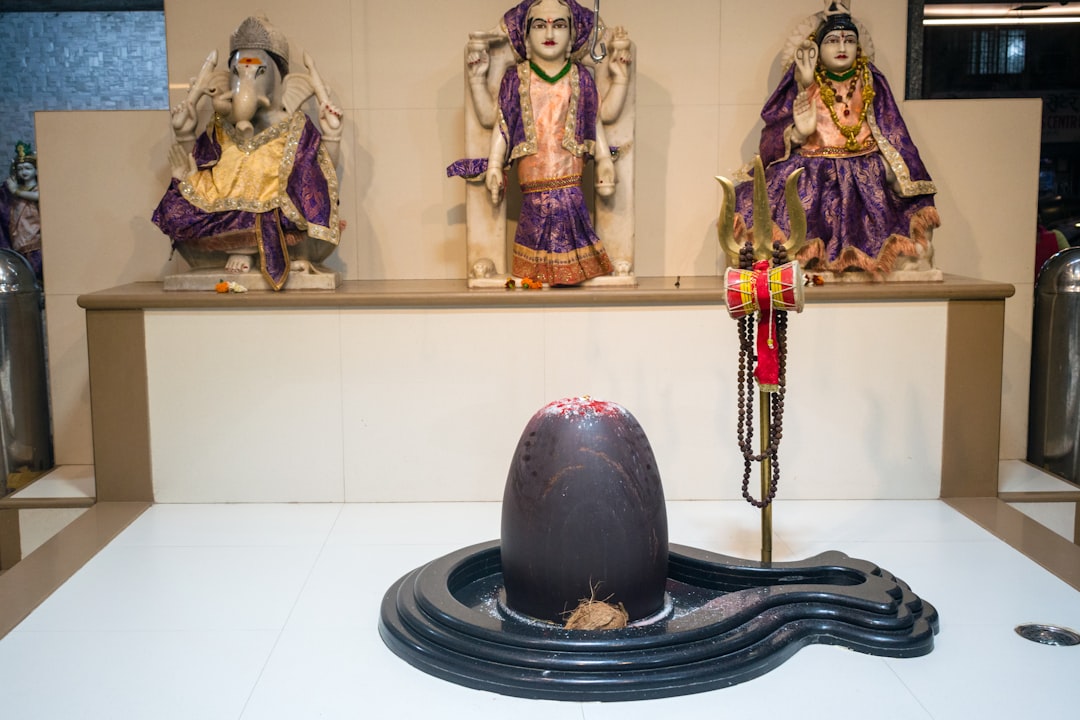
Sawan Puja Vidhi at Home
The Sawan puja vidhi at home can be kept simple. Devotion, cleanliness and awareness are considered more important than performing an overly complicated ritual without understanding it.
Sawan Shivratri 2026: Date, Time, Puja Vidhi & Vrat Rules
Items Required for Sawan Puja
Shivling or an image of Lord Shiva
Clean water or Gangajal
Belpatra
Fresh flowers
Fruits
Incense and diya
Sandalwood paste
White cloth, if used in your tradition
Prasad
Rudraksha mala for mantra chanting
Step-by-Step Sawan Puja Vidhi
1. Prepare the puja space
Clean the place where the puja will be performed. After bathing, wear clean and comfortable clothes. Sit calmly and take a few deep breaths before beginning.
2. Take a sankalp
Join your hands and mentally state your intention to perform the Sawan puja with devotion. The sankalp may be for spiritual growth, clarity, peace or the well-being of your family.
3. Invoke Lord Ganesha
Begin by remembering Lord Ganesha and seeking the removal of obstacles from the puja and your spiritual path.
4. Perform Jalabhishek
Slowly offer clean water or Gangajal over the Shivling. Some families also perform Panchamrit Abhishek, but the items and method may vary according to tradition.
5. Offer belpatra and flowers
Place clean belpatra and fresh flowers before Lord Shiva. Ensure that all offerings are fresh and respectfully presented.
6. Chant Shiva mantras
Chant “Om Namah Shivaya” 108 times, recite the Maha Mrityunjaya Mantra or read a Shiva prayer with concentration. Mantra chanting should not be rushed.
7. Light a diya and perform aarti
Light incense and a diya, and perform Shiva aarti. Sit silently for a few minutes after the aarti rather than immediately returning to daily distractions.
8. Offer prasad and practise charity
Distribute prasad among family members. Food, clothes or useful items may also be donated according to one’s capacity.
What to Eat During Sawan Fast
The exact rules for what to eat during Sawan fast differ among communities. Some devotees give up selected foods throughout the month, while others follow strict fasting rules only on Mondays.
Common fasting foods include:
Fresh fruits
Milk and permitted dairy products
Makhana
Sabudana
Samak or sama rice
Kuttu flour
Singhara flour
Potatoes and sweet potatoes
Nuts and dry fruits
Coconut water
Sendha namak
Simple homemade vrat preparations
The purpose of vrat food is to keep the diet simple and support prayer and self-control. Deep-fried vrat foods and excessive sweets may technically fit certain fasting customs, but overeating can defeat the spirit of discipline.

What Not to Eat During Sawan
Common Sawan fasting rules may require devotees to avoid:
Meat, fish and eggs
Alcohol and tobacco
Onion and garlic
Regular table salt during a strict vrat
Wheat, rice and ordinary grains on fasting days
Lentils and pulses during a strict vrat
Packaged foods containing non-permitted ingredients
Excessively spicy or heavy meals
Many devotees follow a satvik diet and avoid onion and garlic throughout Sawan. Customs are not identical everywhere, so people should follow their family tradition without judging devotees who observe the month differently.
Important Sawan Festivals 2026
The complete Sawan 2026 festival calendar includes several important vrats and celebrations.
Festival or observance | Date in 2026 |
Sawan begins in North India | July 30 |
First Sawan Somwar | August 3 |
Second Sawan Somwar | August 10 |
Sawan Shivratri | August 11 |
Hariyali Amavasya | August 12 |
Hariyali Teej | August 15 |
Third Sawan Somwar | August 17 |
Nag Panchami | August 17 |
Shravana Putrada Ekadashi | August 23 |
Fourth Sawan Somwar | August 24 |
Raksha Bandhan and Shravan Purnima | August 28 |
These festival dates are based on the New Delhi/North India calendar. Regional dates and observances should be checked against a local Panchang. Sawan Shivratri 2026
Sawan Shivratri 2026 will be observed on Tuesday, August 11. For New Delhi, the Nishita Kaal puja period is listed from 12:05 AM to 12:48 AM on August 12. Chaturdashi Tithi begins at 4:54 AM on August 11 and ends at 1:52 AM on August 12. Timings will differ by city. otees may observe a fast, worship the Shivling and perform puja during the night. Sawan Shivratri should not be confused with Maha Shivratri, which is observed during February or March.
These Shivling Puja Mistakes Could Reduce Your Devotion
Hariyali Teej
Hariyali Teej will be observed on August 15, 2026. The festival is associated with the worship of Lord Shiva and Goddess Parvati and is widely celebrated in several North Indian states. Nag Panchami
Nag Panchami falls on Monday, August 17, 2026. This is also the third Sawan Somwar in North India, making it a significant date in the 2026 Sawan calendar. Raksha Bandhan and Shravan Purnima
Raksha Bandhan will be observed on Friday, August 28, 2026, which also marks Shravan Purnima and the end of Sawan in the North Indian calendar. How to Worship Lord Shiva During Sawan
Worship during Sawan need not be limited to elaborate rituals. Devotees can make the month meaningful by adopting a consistent daily spiritual practice.
Begin the morning with a few moments of silence. Chant Om Namah Shivaya, read a passage from a spiritual text or meditate before starting work. Speak consciously, avoid unnecessary arguments and perform at least one helpful act without expecting recognition.
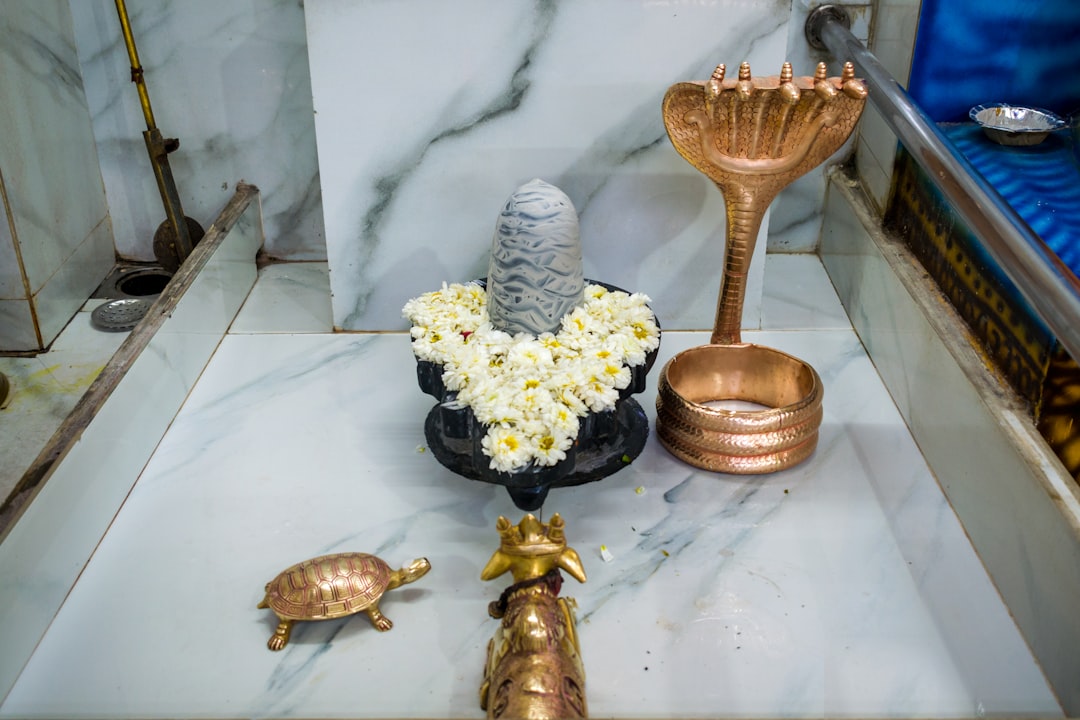
The essence of Shiva worship is inner transformation. Offering water to a Shivling has spiritual value, but becoming calmer, more compassionate and less controlled by ego gives the ritual deeper meaning.
Sawan 2026 offers devotees a dedicated period for prayer, fasting, self-discipline and worship of Lord Shiva. In North India, Sawan will begin on July 30 and conclude on August 28, 2026, with four Sawan Mondays falling on August 3, 10, 17 and 24.
Whether you observe every Sawan Somwar vrat or simply maintain a short daily prayer, the month can become an opportunity to turn inward. Perform the rituals with awareness, follow fasting rules safely and remember that devotion is ultimately reflected in how consciously and compassionately you live.
Personal Session
Every person’s inner journey is different. A personal session can help you understand the patterns, questions and challenges that may be holding you back. Receive individual spiritual guidance and practical direction for greater awareness, peace and transformation. Book your personal session and take the next step in your spiritual journey.
Book Now