


“Om Namah Shivaya” is among the most recognized Shiva mantras in Hindu spiritual traditions. For generations, seekers have repeated this sacred mantra during prayer, meditation, Shiva worship and periods of inner contemplation.
But one question appears frequently among people beginning mantra meditation:
What happens if you chant Om Namah Shivaya 108 times?
Traditionally, repeating a mantra 108 times is considered a complete cycle of japa, or meditative mantra repetition. The practice gives the mind a single point of attention and can create a structured period of stillness, devotion and self-observation.
Spiritual traditions associate Om Namah Shivaya chanting with quieting the mind and developing a meditative state. The Art of Living, for example, describes the mantra as connected with the five elements and says chanting it can help bring the mind toward silence and prepare it for meditation. Isha similarly describes Aum Namah Shivaya as a mantra associated with meditativeness.
Let us understand its meaning, the significance of chanting it 108 times, and the spiritual benefits traditionally associated with this powerful Shiva mantra.
What Does Om Namah Shivaya Mean?
The mantra is commonly written as:
Om Namah Shivaya
The central five syllables are:
Na – Ma – Shi – Va – Ya
For this reason, Namah Shivaya is known as the Panchakshari mantra, meaning a five-syllable mantra. The Shiva Panchakshara tradition specifically celebrates these five sacred syllables.
A simple devotional interpretation of Namah Shivaya is:
“I bow to Shiva.”
Yet its spiritual meaning can go deeper than worshipping Shiva merely as an external deity.
Shiva can also represent stillness, consciousness and the dimension within us that remains untouched by the constant movement of thoughts and emotions.
In that sense, chanting Om Namah Shivaya can become an inward practice a reminder to move from mental noise toward awareness.
Design Your Destiny
Spiritual growth is not only about knowing powerful mantras—it is about understanding your mind, breaking unconscious patterns and learning how to live with greater awareness. Design Your Destiny is designed to help you understand your inner world and consciously transform the way you think, respond and live. Begin your journey toward greater awareness, clarity and inner freedom with Design Your Destiny.
Start Your Journey Today!Why Is Om Namah Shivaya Called the Panchakshari Mantra?
The five syllables Na-Ma-Shi-Va-Ya are traditionally connected with the five elements:
Earth
Water
Fire
Air
Space
Several Shiva traditions interpret the mantra through this five-element symbolism. The Art of Living describes chanting Om Namah Shivaya as a practice associated with harmonizing the five elements, while Isha's explanations of the Panchakshara mantra also connect its five syllables with the elemental dimension.
This symbolism is one reason the mantra occupies such an important place in Shiva-centered spiritual practice.
What Happens If You Chant Om Namah Shivaya 108 Times?
When you chant Om Namah Shivaya 108 times, you repeatedly bring the mind back to one sound, rhythm and intention.
Instead of allowing attention to continuously jump between memories, worries, plans and external distractions, mantra repetition gives the mind a consistent point of focus.
You may gradually experience:
greater mental stillness
deeper concentration
a more meditative state
reduced involvement with repetitive thoughts
a sense of devotional connection
increased awareness of your inner state
The experience differs from person to person. Mantra chanting should therefore be understood primarily as a spiritual and meditative practice rather than as a guaranteed cure or instant solution to life's problems.
1. It Can Help Quiet Mental Chatter
One of the most commonly discussed Om Namah Shivaya chanting benefits is mental quietness.
Imagine your mind jumping between dozens of thoughts:
“What will happen tomorrow?”
“Why did that person say this?”
“What if I fail?”
“What should I do next?”
When you begin repeating:
Om Namah Shivaya… Om Namah Shivaya…
attention repeatedly returns to the mantra.
Thoughts may still arise, but instead of automatically following every thought, you keep coming back to the sound.
Over time, this can make chanting a useful preparation for meditation. The Art of Living specifically describes Om Namah Shivaya chanting as a way of quieting the mind and preparing for meditation.
10 Shiva Mantras to Chant Daily: Meaning, Benefits & Rules
2. Om Namah Shivaya Can Support Meditation
If sitting silently for meditation feels difficult, mantra repetition can provide an easier entry point.
Instead of trying to forcibly stop thoughts, you give the mind something simple and rhythmic to return to.
This is why Om Namah Shivaya meditation is often practiced before silent meditation.
You can chant the mantra 108 times and then remain silent for a few minutes.
Notice your breath.
Notice your body.
Notice your thoughts without trying to control them.
The transition from repetition to silence may help you experience meditation more naturally.
Isha's description of Aum Namah Shivaya likewise connects the mantra with bringing about a meditative quality.
3. It Creates a Structured Daily Spiritual Practice
One advantage of chanting exactly 108 times is that it creates a clear beginning and ending.
Rather than thinking:
“I should meditate for a long time today,”
you simply decide:
“I will complete one mala.”
A traditional mala often contains 108 counting beads, allowing practitioners to keep track of repetitions without constantly counting mentally. Rudraksha malas associated with Shiva commonly contain 108 beads.
This structure can make spiritual practice easier to maintain consistently.
4. It May Encourage Mental Peace
People often search for Om Namah Shivaya for mental peace because mantra meditation naturally involves slowing down and repeatedly redirecting attention.
Mental peace does not necessarily mean that every problem disappears.
Instead, the practice may change your relationship with mental activity.
You begin noticing:
“I have a worried thought.”
instead of immediately believing:
“Everything is going wrong.”
This small difference can become significant.
Spiritual practice gradually teaches us to observe the mind rather than being continuously pulled by it.
5. Chanting Can Deepen Devotion to Shiva
For a devotee, Om Namah Shivaya is much more than a meditation technique.
It is an expression of surrender.
Every repetition becomes an inner bow:
Namah Shivaya — I bow to Shiva.
During chanting, attention can move away from ego-centered concerns toward devotion, gratitude and surrender.
This is one of the most important Om Namah Shivaya spiritual benefits described within devotional traditions.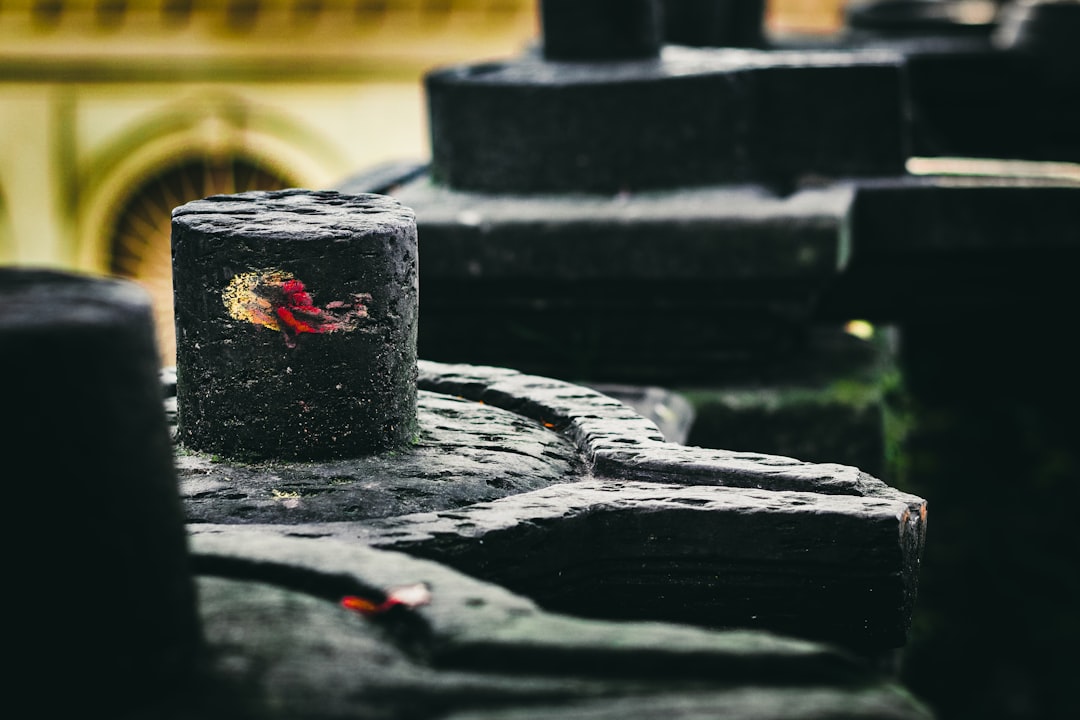
6. It Can Help You Return to the Present Moment
Our mind frequently moves in two directions:
the past and the future.
We replay yesterday and imagine tomorrow.
But chanting happens only now.
You hear the mantra now.
You breathe now.
You repeat the next syllable now.
Therefore, completing Om Namah Shivaya 108 times can function as a repeated invitation to return to the present moment.
7. Repetition Can Improve Concentration During Practice
Completing 108 repetitions requires sustained attention.
During the first few repetitions, the mind may wander constantly.
After twenty repetitions, attention may stabilize.
After fifty, the rhythm can become effortless.
By the end of one mala, some practitioners find themselves more settled than when they began.
Traditional japa practice relies precisely on this combination of repetition, attention and contemplation. Mala beads are commonly used to support the practice.
Why Is Om Namah Shivaya Chanted 108 Times?
The number 108 holds special symbolic importance across many Indian spiritual traditions.
It appears frequently in:
mantra repetition
prayer malas
yogic traditions
devotional practices
sacred lists and spiritual symbolism
A traditional mala generally contains 108 main beads, helping practitioners complete one full round of mantra japa.
Different spiritual traditions offer different explanations for why 108 is sacred. Some connect it with astronomical symbolism, others with spiritual cosmology or traditional systems of knowledge.
Therefore, it is better to understand 108 primarily as a traditional sacred number used to structure spiritual practice, rather than trying to reduce it to one universal explanation.
The Art of Living also discusses 108 as a spiritually significant number and specifically connects 108 repetitions with mantra practice.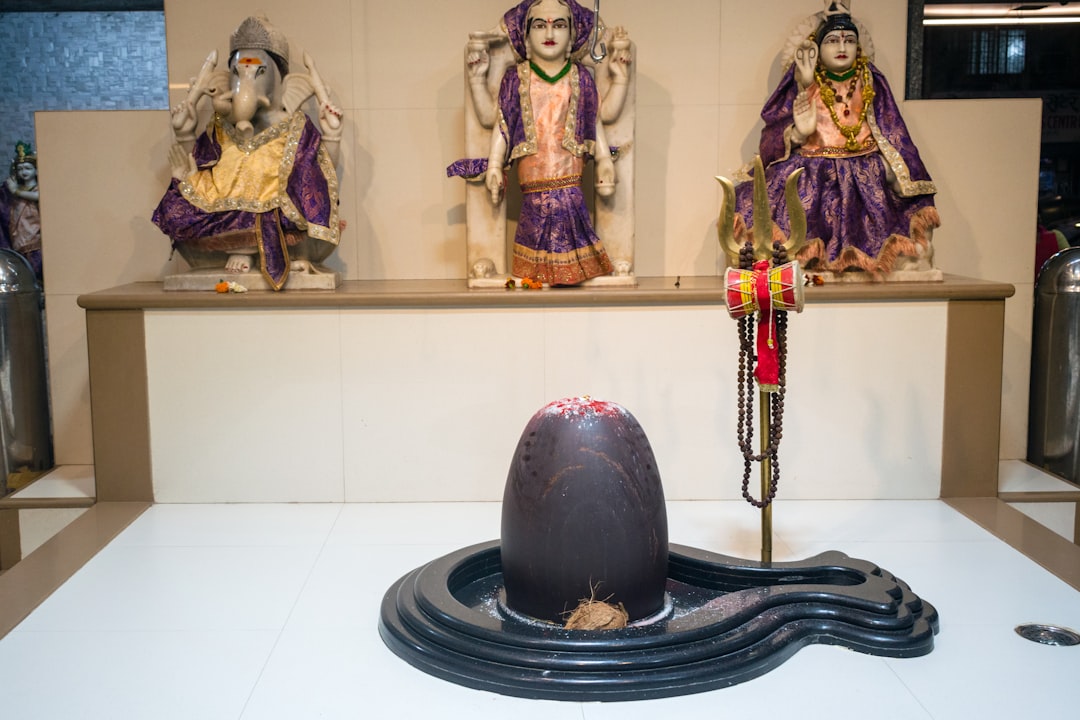
How to Chant Om Namah Shivaya 108 Times
You do not need an elaborate ritual to begin.
Choose a peaceful place where you are unlikely to be disturbed.
Sit comfortably with your spine naturally upright.
Take a few slow breaths.
Then begin chanting:
Om Namah Shivaya
You can chant:
aloud
softly
mentally
If you have a 108-bead mala, move one bead after each repetition.
Try not to rush.
Let the pronunciation remain natural and rhythmic.
After completing 108 repetitions, sit silently for two or three minutes.
Observe what remains when the chanting stops.
That silence can become an important part of the meditation.
What Is the Best Time to Chant Om Namah Shivaya?
Many devotees prefer early morning because the environment tends to be quieter and distractions are fewer.
Others chant:
during evening meditation
before Shiva puja
on Mondays
during Mahashivratri
whenever they need to reconnect with their spiritual practice
However, consistency matters more than endlessly searching for the “perfect” time.
A peaceful ten-minute daily practice can be more meaningful than an elaborate routine performed only occasionally.
Some Shiva traditions also emphasize that chanting and meditation can be practiced beyond a rigid timetable.
11 Things to Offer Lord Shiva for Blessings and Prosperity
Should You Chant Om Namah Shivaya Every Day?
You can make Om Namah Shivaya part of a regular spiritual routine if the practice resonates with you and fits within the tradition you follow.
For example:
Morning
108 repetitions of Om Namah Shivaya
↓
2–5 minutes of silence
↓
Begin your day mindfully
Or:
Evening
Sit quietly
↓
Chant Om Namah Shivaya 108 times
↓
Observe your thoughts
↓
Rest in silence
The deeper purpose is not simply completing a number.
The purpose is awareness.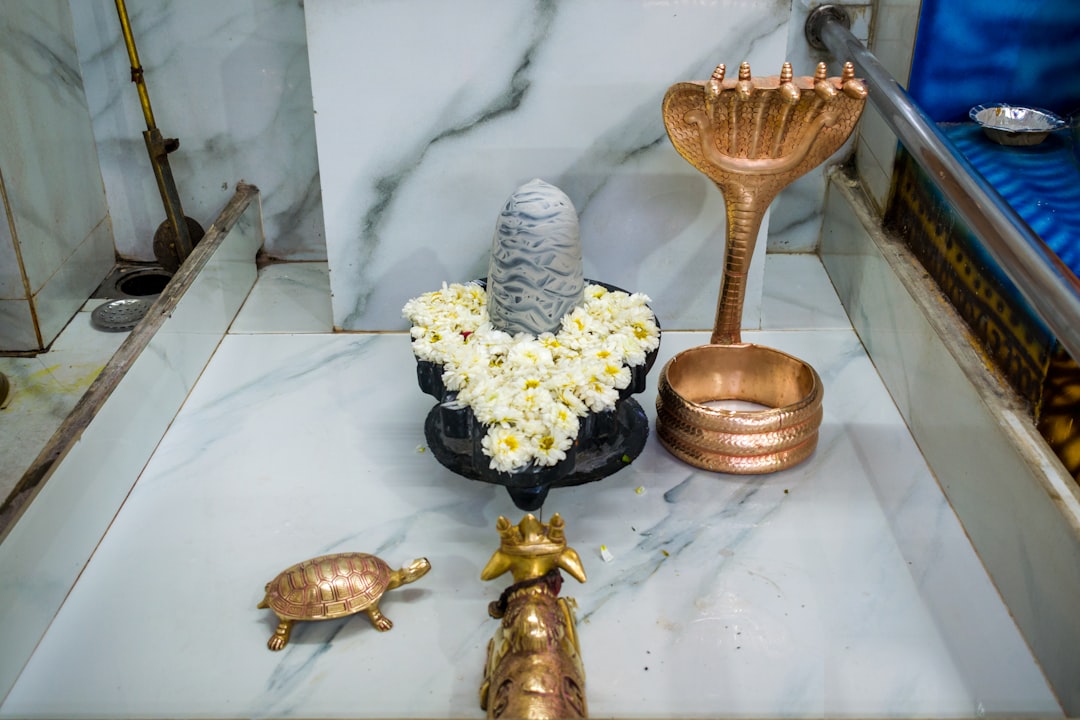
The Deeper Spiritual Meaning of 108 Repetitions
At the beginning of chanting, there may be:
you + the mantra.
You feel that you are repeating something.
As the rhythm deepens, attention becomes increasingly absorbed in the mantra.
For moments, the distinction between:
the person chanting,
the act of chanting,
and the sound being chanted
can feel less prominent.
That movement from mental activity toward stillness is one of the deeper possibilities of mantra meditation.
The goal is therefore not mechanical repetition.
It is transformation of attention.
So, what happens when you chant Om Namah Shivaya 108 times?
Perhaps the most meaningful answer is not that something magical suddenly happens outside you.
Something begins changing in the way you experience what is happening inside you.
Thoughts slow down.
Attention becomes steadier.
You become more aware of mental noise.
And beneath that noise, you may begin discovering a quieter dimension of yourself.
The real power of Om Namah Shivaya meditation therefore lies not merely in completing 108 repetitions.
It lies in what those repetitions lead you toward:
stillness, awareness, devotion and inner observation.
Chant the mantra.
Then become silent.
Sometimes, what follows the mantra can teach you as much as the mantra itself.
Personal Session
Every person's inner journey is different. If you are struggling with overthinking, emotional patterns, confusion, relationships, purpose or spiritual questions, personalized guidance can help you understand what is happening within you more clearly. Book a Personal Session and receive one-to-one guidance for your unique journey toward awareness, clarity and inner transformation.
Book Now