
If you have ever scrolled through health forums at 2 AM, you have probably seen the debate. On one side, you have the staunch advocates of modern pharmacology, and on the other, the proponents of natural depression treatment. It can feel like you have to pick a team: Team Science or Team Holistic.
But the reality of mental health is rarely that black and white.
When it comes to meditation for depression, the conversation is shifting. It is no longer just about "chanting om" to feel better; it is about clinical evidence. With rising concerns about depression medication side effects and the long-term sustainability of treatment, many people are asking the same question: Is meditation better than medication?
In this guide, we are going to look at the hard data. We will explore the pros and cons of antidepressants vs meditation, dive into the groundbreaking studies on Mindfulness-Based Stress Reduction vs Lexapro, and help you figure out what the right path might look like for you.
The Standard of Care: Understanding Antidepressants
Before we compare the two, we have to look at why medication is the current gold standard. Antidepressants, particularly SSRIs (Selective Serotonin Reuptake Inhibitors), are life-saving for millions. They work by altering brain chemistry specifically serotonin levels to stabilize mood.
For someone in the throes of severe, debilitating depression, medication is often the necessary ladder to climb out of the hole. It provides the floor you need to stand on so you can start doing the work of therapy or lifestyle changes.
However, medication isn't perfect.
Side Effects: Weight gain, sexual dysfunction, fatigue, and emotional blunting are common complaints.
Cost: The financial burden of monthly prescriptions adds up.
The "Band-Aid" Fear: Many worry that medication suppresses symptoms without fixing the root cause.
This is where the interest in meditation for mental health comes in. People are searching for a side effect free alternative that empowers them to manage their own minds.

The Challenger: Mindfulness and Meditation
Meditation specifically mindfulness is the practice of anchoring your attention to the present moment. It sounds simple, but for a depressed brain that is stuck ruminating on the past or worrying about the future, it is a radical act.
In a clinical setting, we aren't usually talking about casual meditation apps. We are talking about structured programs like MBCT (Mindfulness-Based Cognitive Therapy) and MBSR (Mindfulness-Based Stress Reduction).
These programs are rigorous. They train the brain to recognize the "downward spiral" of negative thoughts before they trigger a full depressive episode. But does that training hold up against a pill?
The Heavyweight Fight: What Research Actually Says
Let's get into the nitty-gritty. Mindfulness vs antidepressants is a hot topic in the scientific community, and the results are surprisingly robust.
1. The "Lexapro vs. Mindfulness" Study
One of the most talked-about recent studies (published in JAMA Psychiatry) compared a generic version of Lexapro (escitalopram) against Mindfulness-Based Stress Reduction (MBSR) for anxiety disorders. While this study focused on anxiety, the overlap between anxiety and depression is massive.
The result? Mindfulness was just as effective as the medication.
Patients in both groups saw a significant reduction in symptoms. The key difference was that the meditation group experienced fewer physical side effects compared to the medication group. This suggests that for certain mood disorders, a rigorous meditation practice is a legitimate medical alternative, not just a "nice to have."
2. Preventing Relapse: MBCT vs Antidepressants
This is where meditation really shines. Research from Oxford University and other major institutions has focused on relapse prevention depression.
For people who have had multiple episodes of depression, the standard advice is to stay on medication indefinitely. However, studies comparing maintenance medication against MBCT found that the therapy was equally effective at preventing depression from coming back.
The takeaway? If you are looking to taper off meds eventually, learning mindfulness skills might be the safety net that keeps you well.
3. The Neuroscience: Neuroplasticity
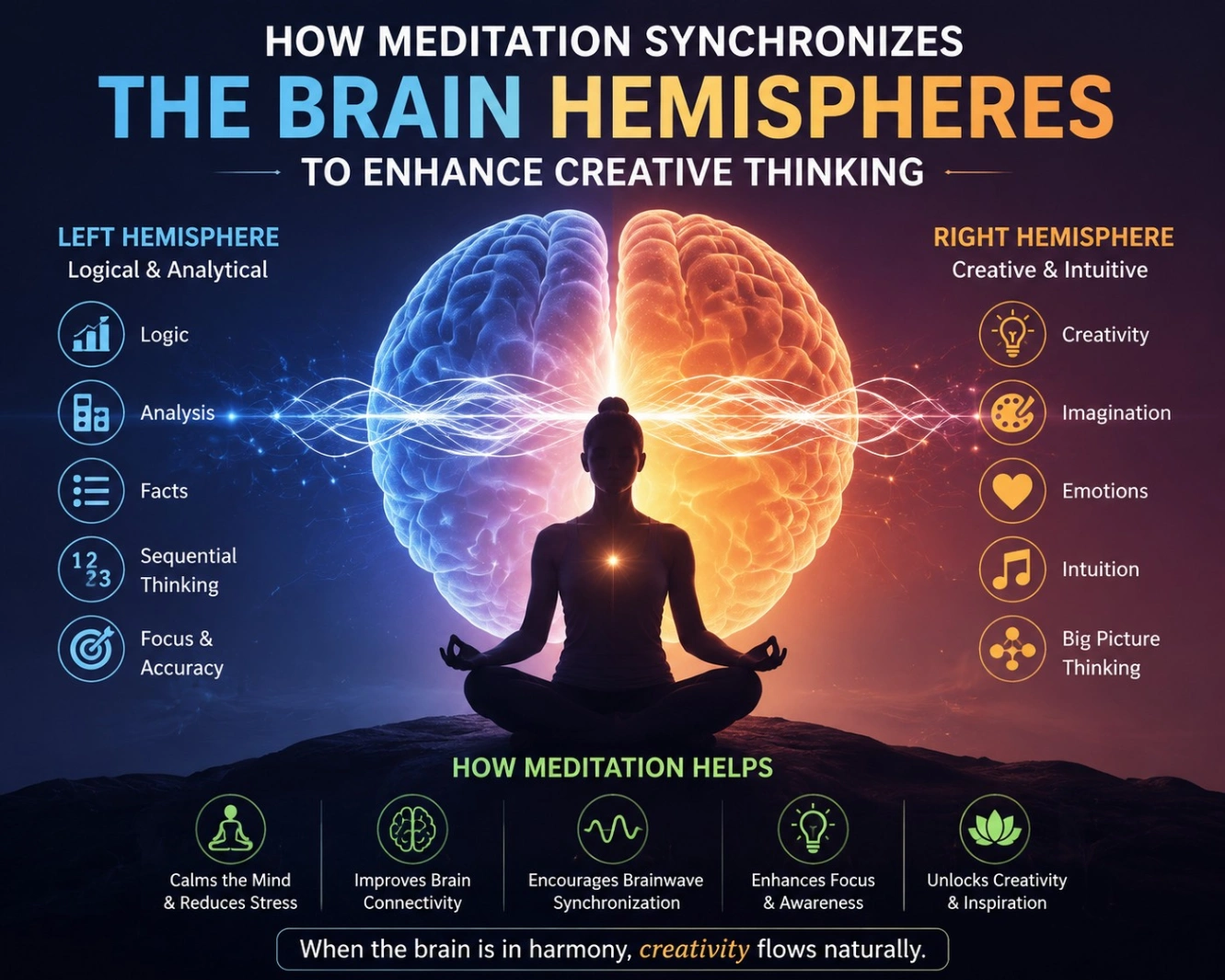
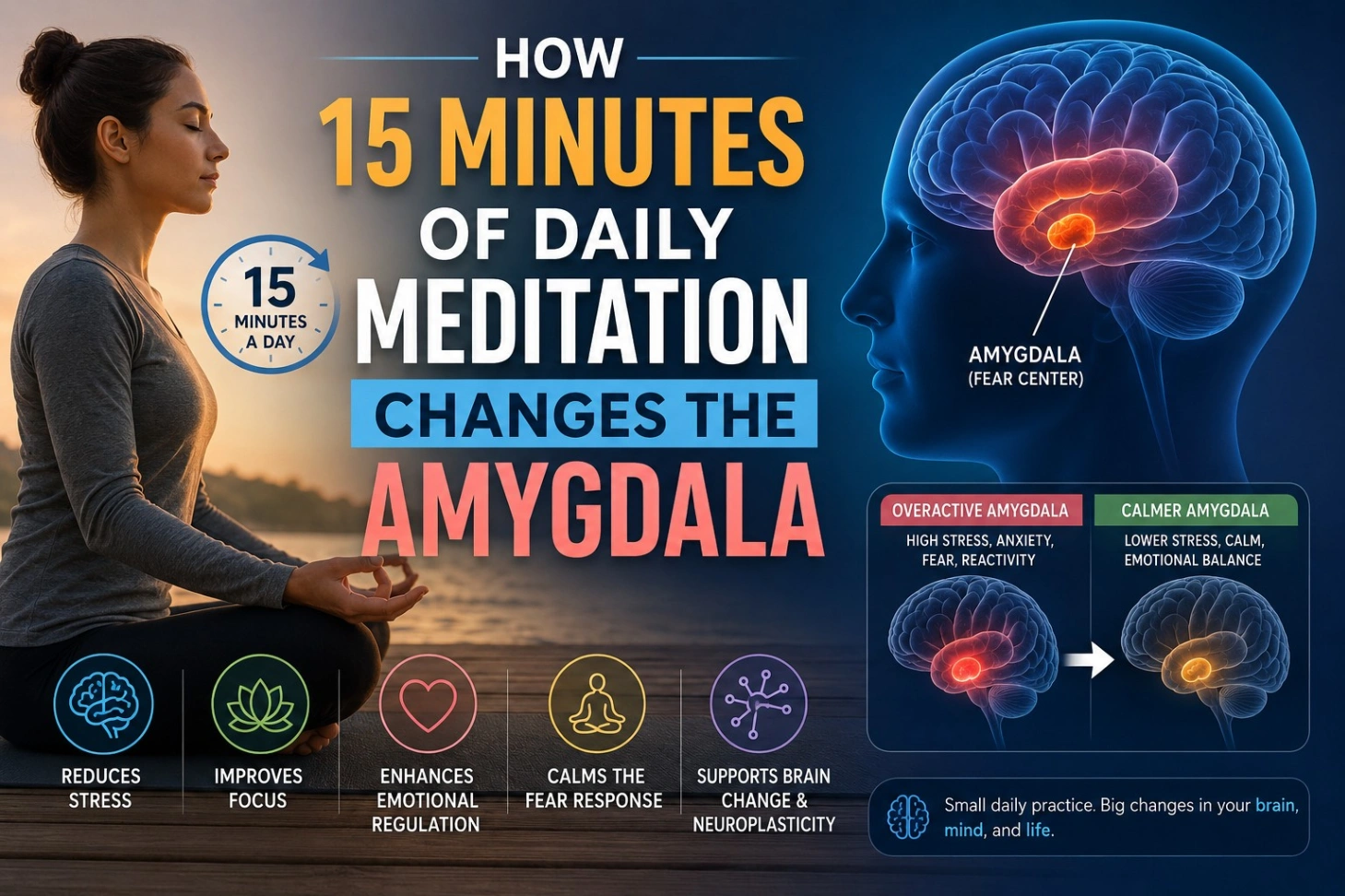
Why does sitting still and breathing work? It comes down to neuroplasticity. Depression physically changes the brain—it can shrink the hippocampus (the memory center) and overactivate the amygdala (the fear center).
Research shows that consistent meditation can reverse these patterns. It can lower cortisol reduction (the stress hormone) and increase the density of grey matter in areas of the brain associated with emotional regulation. You aren't just "thinking positive"; you are physically rebuilding your brain's architecture.
Can Meditation Replace Antidepressants?
This is the most common question: Can meditation replace antidepressants?
The answer is: It depends on the severity.
If you are dealing with mild to moderate depression, many guidelines now suggest lifestyle interventions (including mindfulness and exercise) as a first-line treatment. In these cases, yes, meditation might be enough to manage symptoms without drugs.
However, for severe clinical depression (Major Depressive Disorder) where the patient can barely get out of bed, medication is often required to lift the biological fog enough for meditation to even be possible. Trying to "meditate away" severe chemical imbalances without support can sometimes be dangerous.
Note: You should never stop medication cold turkey. Tapering off antidepressants with mindfulness should always be done under the supervision of a doctor. Withdrawal effects can mimic a relapse, making it hard to tell if the depression is returning or if your body is just adjusting.
The "Both/And" Approach: Combining Meditation and Medication
We tend to think in binaries: Meditation vs Medication. But for many people, the magic happens in the middle.
Combining meditation and medication is often the most effective route.
Medication stabilizes the neurochemistry, reducing the intensity of the darkness.
Meditation teaches you the skills to navigate the darkness when it does appear.
Think of medication as a life jacket that keeps you afloat, while meditation teaches you how to swim. Eventually, you might not need the life jacket, or maybe you keep wearing it for safety. Either way, knowing how to swim changes everything.
This combination also helps address the cost of meditation vs medication. While a class might be expensive, meditation itself is free. Using it alongside medication can eventually lead to lower dosages or less reliance on other therapies, saving money in the long run.

How to Treat Depression Without Medication (Or With Less of It)
If you are interested in a holistic depression treatment plan, here is how to start integrating these research-backed tools.
1. Start Small (Vagus Nerve Stimulation)
You don't need to sit for an hour. Start with breathwork that stimulates the vagus nerve. Long, slow exhalations (breathing out longer than you breathe in) signal your nervous system to switch from "fight or flight" to "rest and digest."
Try this: Inhale for 4 counts, exhale for 8 counts. Do this for 2 minutes.
2. Look for MBCT Programs
If you are serious about using this as a treatment, look for an MBCT course. These are designed specifically for depression. Unlike a generic yoga class, an MBCT instructor understands the depressive mind and how to work with negative thought loops.
3. Focus on "Decentering"
One of the core skills in evidence-based practice of mindfulness is "decentering." This means realizing that thoughts are mental events, not facts.
Depression says: "I am a failure."
Mindfulness says: "I am having the thought that I am a failure."
That tiny distance creates freedom.
4. Consult Your Doctor About Tapering
If your goal is tapering off antidepressants with mindfulness, bring the research to your doctor. Say, "I want to try a structured mindfulness program to help manage my mood so I can eventually lower my dose. Can we make a plan for that?"
The Verdict: Is Meditation as Effective as Medication?
So, is meditation as effective as medication? The research suggests that for anxiety and relapse prevention in depression, the answer is a resounding "yes" for many people.
However, treating depression is not a competition. It is a customized journey. For some, natural depression treatment via mindfulness, diet, and exercise is the perfect cure. For others, a daily pill provides the stability needed to live a full life.
The most exciting part of this research is that it gives you options. You are not helpless, and you are not limited to a single path. Whether you choose the cushion, the pill, or both, the goal is the same: reclaiming your life from the fog.