
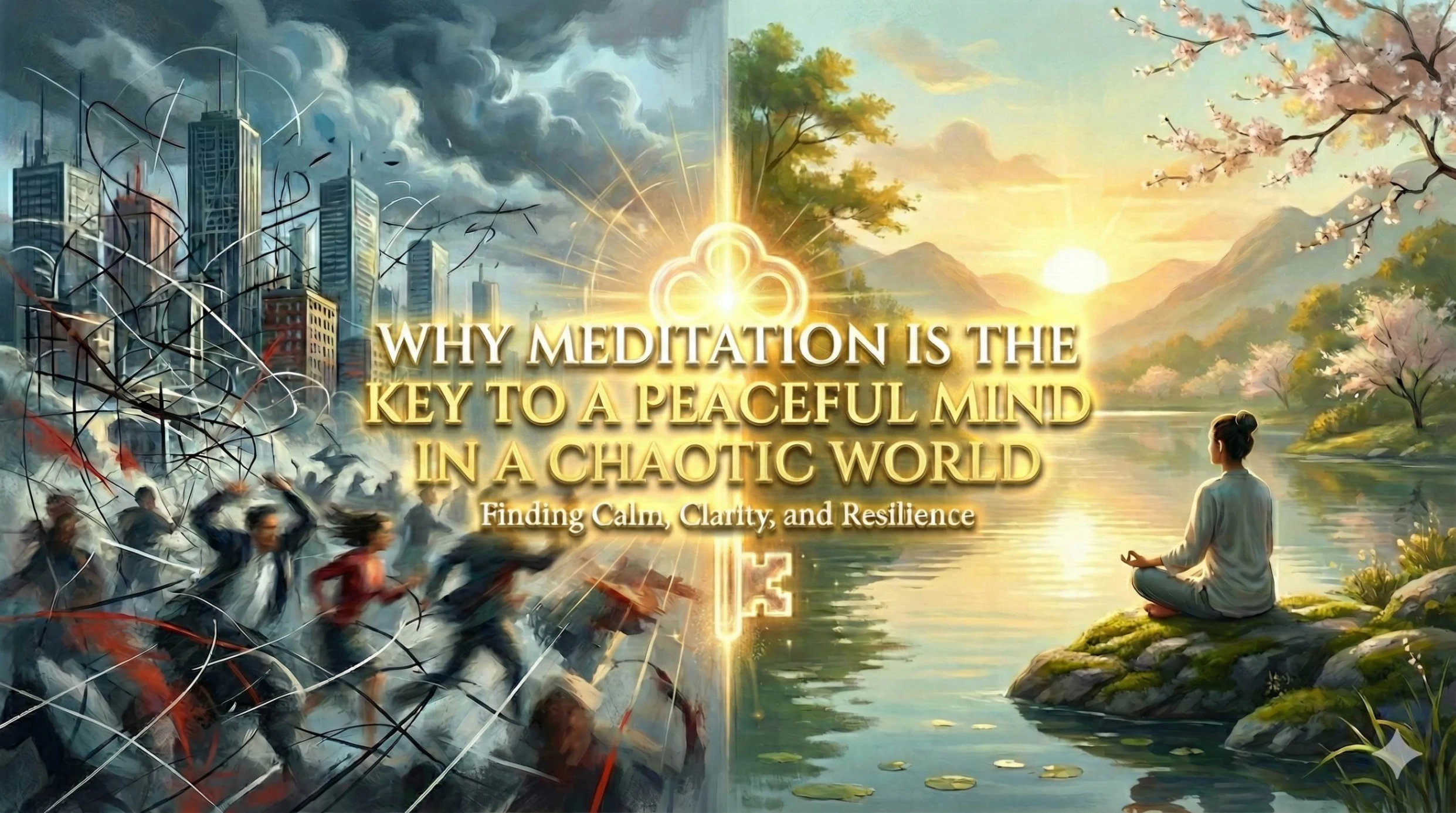
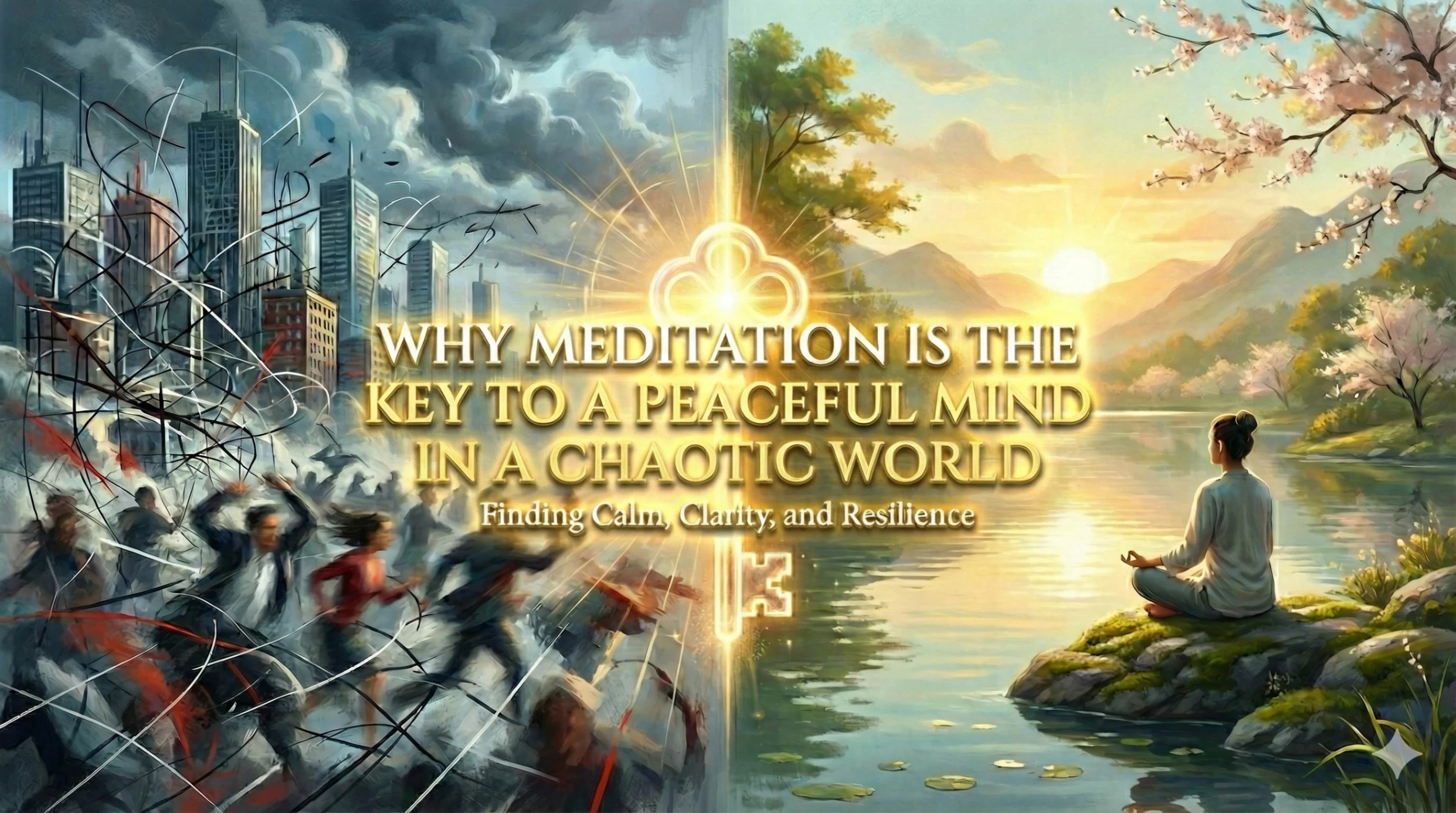
We live in an era of constant stimulation. From the moment we wake up, we are bombarded with notifications, deadlines, headlines, and the endless scroll of social media. In this modern landscape, finding calm in chaos feels less like a goal and more like a survival mechanism.
If you feel overwhelmed, you are not alone. Burnout is rising globally, and our collective mental well-being is taking a hit. But there is a solution that has been practiced for thousands of years, now backed by modern science: Meditation.
Meditation is no longer reserved for monks on mountaintops. It is a practical, accessible tool for anyone seeking stress relief and emotional regulation. Here is why meditation is the ultimate key to unlocking a peaceful mind, and how you can start your journey today.
The Science: How Does Meditation Reduce Stress?
To understand why meditation works, we have to look at the brain. When we are stressed, our bodies release a hormone called cortisol. High cortisol levels keep us in "fight or flight" mode, leading to anxiety, fatigue, and brain fog.
So, how does meditation reduce stress?
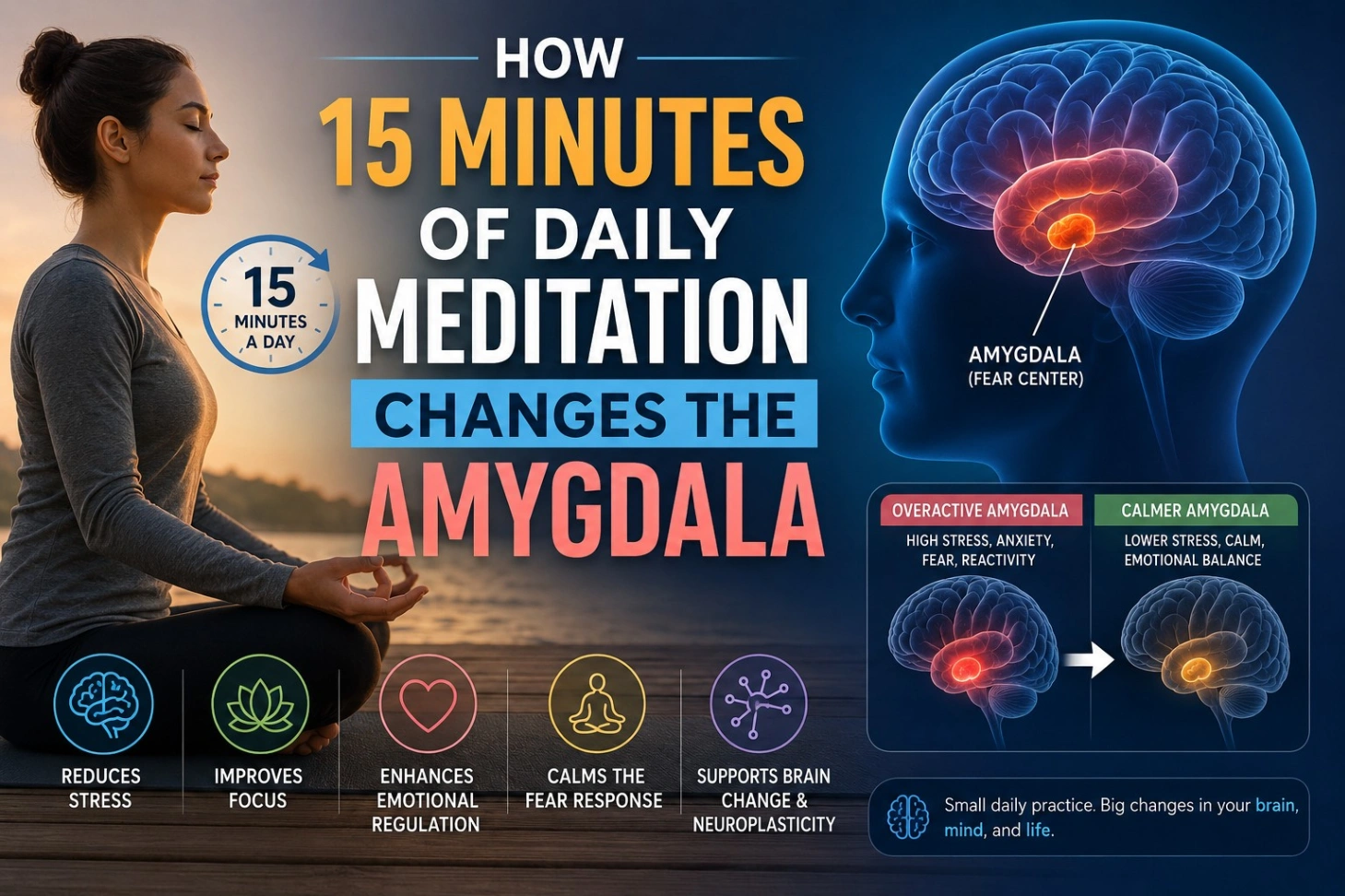
Research shows that consistent practice calms the amygdala— the part of the brain responsible for fear and stress responses. By focusing on the present moment, meditation signals to your nervous system that you are safe. This lowers cortisol levels and allows your body to enter a state of rest and repair. This biological shift is the foundation of holistic health.
7 Proven Benefits of Meditation for Stress and Anxiety
When you commit to daily meditation for stress relief, the ripples of peace touch every area of your life. Here are the core benefits:
1. Profound Anxiety Relief
Can meditation help with anxiety? Absolutely. Studies suggest that mindfulness meditation can be as effective as medication for some individuals in managing anxiety symptoms. It teaches you to observe anxious thoughts without becoming entangled in them.
2. Enhanced Mental Clarity
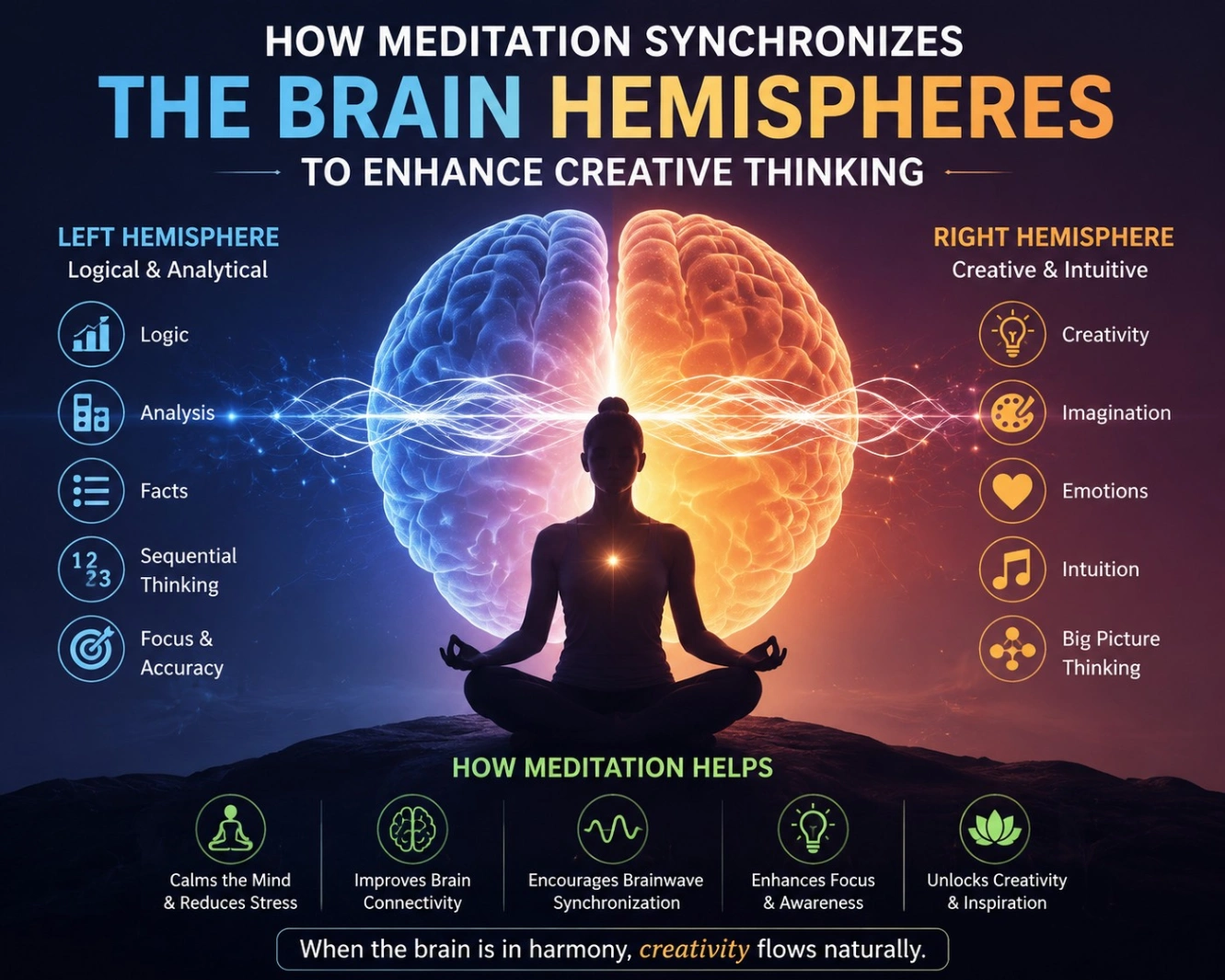
In a chaotic world, our minds are often cluttered. Meditation for mental clarity acts like a defragmentation tool for a computer. It clears out the noise, sharpening your focus and decision-making skills.
3. Better Emotional Regulation
Do you often react impulsively when angry or sad? Meditation creates a "gap" between a trigger and your reaction. This pause allows you to choose how to respond rather than just reacting, leading to better relationships and peace of mind.
4. Improved Physical Health
Because it lowers blood pressure and heart rate, meditation is a pillar of physical health. The connection between mental health and physical ailments is undeniable; healing the mind often helps heal the body.
5. Combats Depression
Meditation for anxiety and depression focuses on breaking the cycle of negative rumination. By anchoring yourself in the now, you stop dwelling on the past or worrying about the future.
6. Boosts Creativity
A relaxed mind is a creative mind. By clearing mental clutter, you make room for new ideas and innovative solutions to arise.
7. True Inner Peace
Beyond the scientific metrics, there is the subjective feeling of inner peace. This is the quiet confidence that no matter what storms rage outside, you have a sanctuary within yourself.
Mindfulness Meditation for Beginners: How to Start
If you are wondering how to find peace in a chaotic world, the answer lies in starting small. You do not need to sit for an hour to feel the benefits.
Here is a simple mindfulness meditation for beginners guide:
Find a Quiet Space: Sit comfortably where you won’t be disturbed.
Set a Timer: Start with just 5 or 10 minutes.
Focus on Your Breath: Close your eyes. Inhale deeply through your nose, and exhale slowly through your mouth.
Observe the Wandering Mind: Your mind will wander. That is normal. When you catch yourself thinking about groceries or emails, gently bring your attention back to the breath.
Be Kind to Yourself: Don't judge yourself for thinking. The act of returning to the breath is the meditation.
Advanced Meditation Techniques for Peace of Mind
Once you have mastered the basics, you can explore other techniques to deepen your practice.
Guided Visualization
This involves imagining a peaceful scene or outcome. Guided visualization is excellent for those who find silence difficult, as a narrator’s voice leads you through a mental journey to relaxation.
Breathwork
Breathwork involves controlling your breathing patterns to influence your mental state. Techniques like "Box Breathing" (inhale 4 counts, hold 4, exhale 4, hold 4) can instantly reset your nervous system.
Body Scan
This technique involves mentally scanning your body from head to toe to release tension. It is particularly effective for releasing physical stress stored in the muscles.

Why Meditation Is Important for Mental Health in the Long Run
We often treat our minds as an afterthought. We go to the gym for our bodies, but we rarely exercise our brains. Why is meditation important for mental health? Because it is the gym for your mind.
Just as you wouldn't expect to run a marathon after one day of jogging, you cannot expect total peace of mind after one session. What are the benefits of daily meditation? It builds resilience. Over time, the things that used to trigger you—traffic, rude emails, unexpected bills—lose their power. You remain the calm eye in the center of the storm.
Overcoming Common Challenges
"I can't stop thinking!" Many people ask how to quiet the mind during meditation. The goal isn't to stop thinking; it is to stop engaging with the thoughts. Imagine your thoughts are cars passing on a highway. You are sitting on the grass watching them go by. You don't need to run out into traffic and chase them.
"I don't have time." You don't need 30 minutes. Even three minutes of deep breathing can lower cortisol levels.
The world may never stop being chaotic. There will always be noise, demands, and distractions. However, you have the power to change how you relate to that chaos.
By integrating mindfulness and meditation into your routine, you are reclaiming your power. You are choosing mental well-being over burnout. You are choosing inner peace over anxiety.
Start today. Close your eyes, take a deep breath, and welcome the calm.
Frequently Asked Questions (FAQ)
1. Why is meditation important for mental health?
Meditation is crucial because it physically changes the brain structure, reducing the density of the amygdala (stress center) and increasing the thickness of the prefrontal cortex (decision making). It provides a healthy mechanism for processing emotions and reducing burnout.
2. Can meditation help with anxiety?
Yes. Numerous studies indicate that meditation for anxiety and depression is highly effective. It helps reduce the feedback loop of worry and negative thinking by grounding you in the present moment.
3. How to quiet the mind during meditation?
It is a myth that you must have a silent mind to meditate. When your mind wanders, simply acknowledge the thought and gently return your focus to your breath or a mantra. This process of returning is the exercise.
4. What are the benefits of daily meditation?
Daily meditation for stress relief builds long-term resilience. Benefits include lower blood pressure, improved sleep, better focus, reduced cortisol levels, and a greater sense of general happiness.
5. How does meditation reduce stress physically?
Meditation activates the parasympathetic nervous system (the "rest and digest" system). This lowers your heart rate, relaxes your muscles, and slows your breathing, directly countering the physical effects of stress.