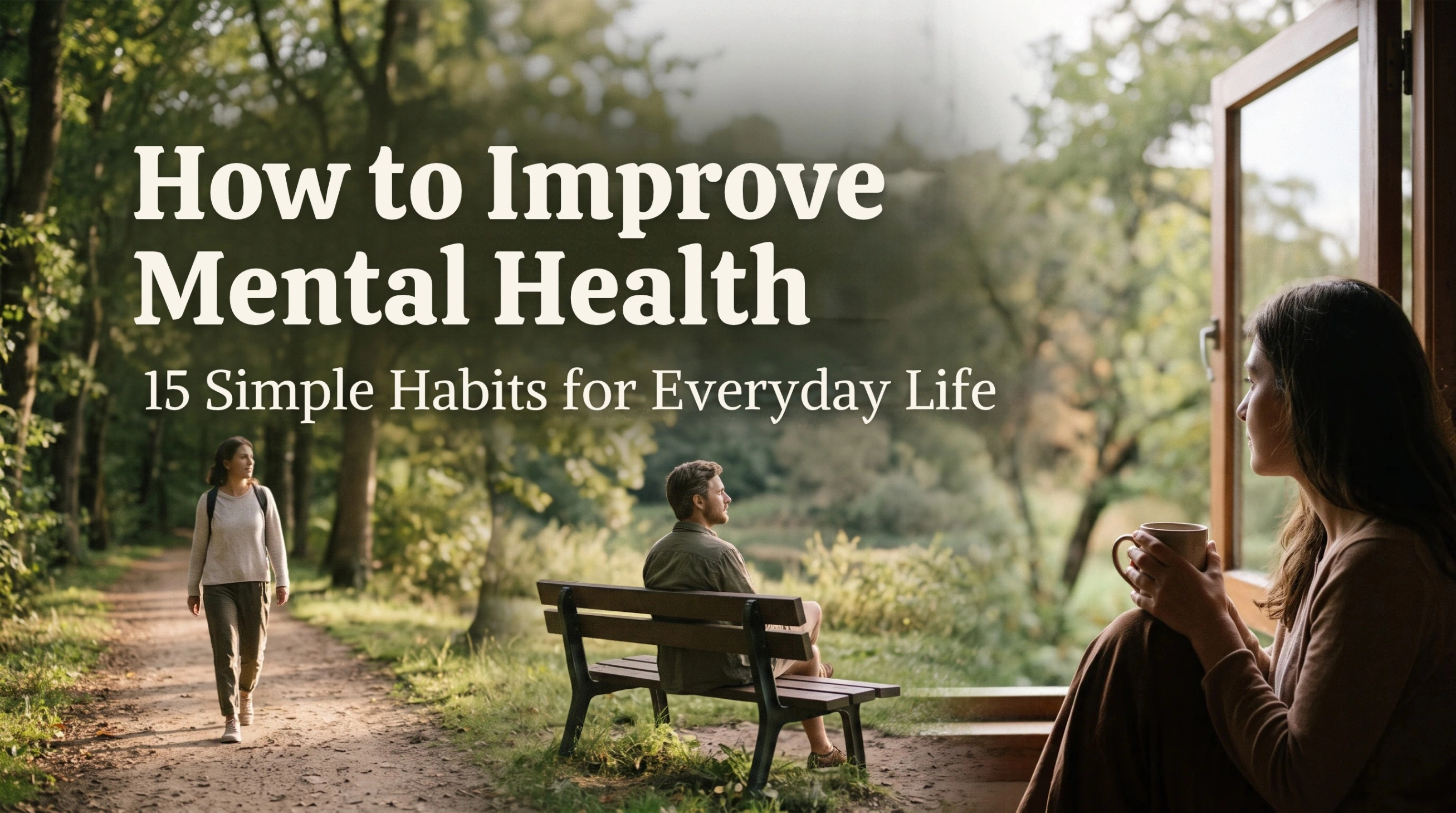
Mental health is an essential part of living a balanced and fulfilling life. It influences how you think, manage emotions, handle stress, build relationships, and respond to everyday challenges. Yet, in a busy world filled with professional responsibilities, personal expectations, and constant digital distractions, taking care of your mind can easily become a low priority.
If you have been wondering how to improve mental health, the good news is that you can begin with small, practical habits. You do not need to change your entire lifestyle overnight. Simple actions, such as maintaining a consistent sleep schedule, spending time outdoors, connecting with loved ones, and learning to manage stress, can support your overall well-being.
Mental health is not about feeling happy every moment or never experiencing anxiety, sadness, or frustration. It is about developing ways to navigate life's difficulties, recognise your needs, and seek support when necessary.
In this guide, we explore 15 simple habits to improve mental health and explain how to incorporate them into everyday life.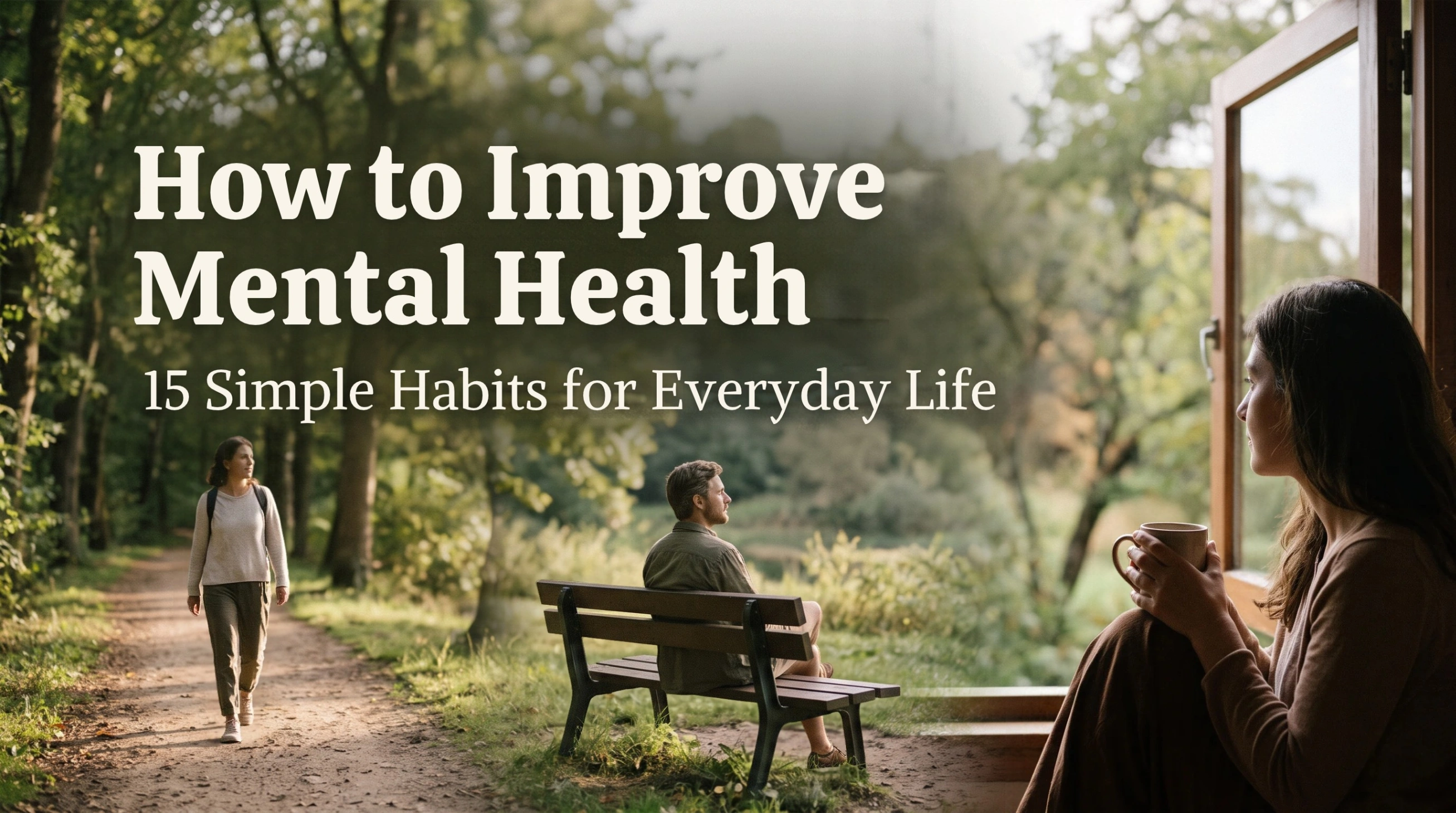
Why Is Mental Health Important?
Mental health includes your emotional, psychological, and social well-being. It affects how you process experiences, make decisions, respond to pressure, and interact with other people.
When you support your mental health, you may find it easier to manage everyday responsibilities, maintain meaningful relationships, and recover from stressful situations. Healthy routines can also complement professional treatment if you are experiencing a mental health condition.
However, mental health is influenced by many factors, including biology, life experiences, physical health, social circumstances, and access to support. It is not determined by willpower alone.
The goal is not to create a perfect routine. Instead, focus on habits that help you feel supported, function well, and respond to challenges with greater flexibility.
15 Simple Habits to Improve Mental Health
1. Maintain a Consistent Sleep Schedule
Sleep plays an important role in emotional regulation, concentration, and energy levels. Inadequate or irregular sleep can make stress feel more difficult to manage and affect your mood.
Try going to bed and waking up at approximately the same time each day. Create a relaxing bedtime routine, keep your bedroom comfortable, and reduce screen exposure before sleeping.
Most adults need around seven to nine hours of sleep, although individual needs vary.
Daily tip: Begin by choosing a realistic wake-up time and building a consistent routine around it.
Design Your Destiny
Build a more mindful and meaningful everyday life. Explore Design Your Destiny for ideas and practical guidance that encourage self-awareness, intentional choices, and personal growth. Start with one small step toward the life you want to create.
Start Your Journey Today!2. Include Physical Activity in Your Day
Physical activity can support mental and physical well-being. Walking, cycling, dancing, swimming, yoga, and other forms of movement can help reduce stress and improve mood.
You do not have to complete an intense workout to benefit. Even a short walk or a few minutes of stretching can be a manageable starting point.
Choose an activity that suits your abilities, preferences, and schedule.
Daily tip: Start with a 10-minute walk and gradually increase your activity if it feels comfortable.
3. Eat Regular, Balanced Meals
Your eating habits can influence your energy and ability to manage daily responsibilities. Skipping meals or relying heavily on highly caffeinated drinks may leave you feeling tired or unsettled.
Aim for regular, balanced meals that include a variety of vegetables, fruits, whole grains, protein sources, and healthy fats. Drink enough water throughout the day.
There is no single diet that guarantees good mental health, and food should not be viewed as a replacement for treatment.
Daily tip: Prepare one balanced meal in advance when you know your schedule will be busy.
4. Practise Mindfulness
Mindfulness involves paying attention to the present moment without immediately judging your thoughts or feelings. It can help you notice when your mind is caught up in worry, frustration, or repetitive thinking.
You can practise mindfulness while breathing, eating, walking, or completing an ordinary task.
Start with a few quiet minutes. Notice your breathing and gently bring your attention back whenever your thoughts wander.
Daily tip: Take two minutes between tasks to pause, breathe naturally, and notice how you feel.
5. Learn to Manage Stress
Stress is a normal response to challenges, but prolonged or overwhelming stress can affect sleep, mood, concentration, and physical health.
Begin by identifying your main stressors. Separate what requires immediate action from what can wait. Break large tasks into smaller steps and allow time for rest.
Breathing exercises, journaling, relaxation techniques, and talking to someone you trust may also help.
Daily tip: Write down your three main priorities each morning instead of trying to manage everything at once.
6. Stay Connected With People You Trust
Meaningful social connections can provide emotional support, reassurance, and a sense of belonging. You do not need a large social circle; even a few supportive relationships can matter.
Make time to speak with friends, family members, or people who understand your experiences. Share your concerns when you feel comfortable rather than assuming you must handle everything alone.
If you feel isolated, start with a small interaction, such as sending a message or arranging a short conversation.
Daily tip: Reach out to one person you care about, even if you only have a few minutes to talk.
Kali Chaudas vs Naraka Chaturdashi : Are They the Same ?
7. Set Healthy Boundaries
Constantly saying yes to requests can leave you overwhelmed, resentful, or exhausted. Healthy boundaries help you protect your time, energy, and emotional needs.
This may involve limiting work outside office hours, declining commitments you cannot manage, or communicating what you need in a relationship.
Setting boundaries does not mean being selfish. It means recognising your limits and communicating them respectfully.
Daily tip: Before agreeing to a new commitment, pause and consider whether you genuinely have the time and energy for it.
8. Reduce Unhelpful Social Media Use
Social media can help people connect, learn, and find communities. However, excessive scrolling or constant exposure to upsetting content may increase stress or encourage unhealthy comparisons.
Notice how you feel after using different platforms. If particular accounts make you feel inadequate, anxious, or emotionally drained, consider muting them or taking a break.
Replace some scrolling time with an activity that helps you feel engaged in your own life.
Daily tip: Set aside screen-free periods during meals, before bedtime, or when spending time with loved ones.
9. Practise Self-Compassion
The way you speak to yourself can influence how you respond to setbacks. Harsh self-criticism may make mistakes feel like evidence of personal failure rather than opportunities to learn.
Self-compassion means treating yourself with the same fairness and understanding you might offer someone you care about.
It does not require ignoring your mistakes. Instead, acknowledge what happened, consider what you can learn, and decide how to move forward.
Daily tip: When you make a mistake, replace “I always get everything wrong” with “This was difficult, but I can learn from it.”
10. Spend Time Outdoors
Spending time in natural surroundings may help some people feel calmer and take a break from everyday demands. A park, garden, balcony, or quiet outdoor space can offer an opportunity to pause and reconnect with your surroundings.
You do not need to plan a long trip or engage in strenuous activity. A brief walk or sitting outside may be enough to make the day feel less rushed.
Daily tip: Spend 10 minutes outdoors when possible, leaving your phone aside for part of that time.
11. Make Time for Activities You Enjoy
When life becomes busy, hobbies are often the first things people abandon. However, enjoyable and meaningful activities can provide opportunities for relaxation, creativity, and connection.
Consider reading, cooking, gardening, listening to music, painting, playing a sport, or learning something new.
You do not need to be productive or exceptionally good at a hobby for it to be worthwhile.
Daily tip: Schedule one small activity you genuinely enjoy each week, then build from there.
12. Practise Gratitude Without Ignoring Difficult Feelings
Gratitude can help you notice positive or meaningful aspects of your life that might otherwise go unrecognised. It could involve appreciating a supportive friend, a peaceful moment, or progress toward a personal goal.
However, gratitude should not become pressure to feel happy when you are struggling. You can appreciate good things and still acknowledge pain, disappointment, or stress.
Daily tip: At the end of the day, write down one thing you appreciated and one thing you would like support with.
13. Challenge Unhelpful Thought Patterns
Thoughts can influence how you interpret situations and respond to challenges. When you are stressed, you may assume the worst, overlook positive evidence, or treat a temporary setback as a permanent failure.
Try to notice these patterns without blaming yourself for having them.
Ask whether your interpretation is based on facts, whether another explanation is possible, and what you would tell a friend in the same situation.
Daily tip: When a worrying thought appears, write it down and distinguish what you know from what you fear might happen.
14. Create a Realistic Daily Routine
A manageable routine can provide structure when life feels unpredictable. It can also help you protect time for basic needs, responsibilities, and activities that support your well-being.
Your routine does not need to be rigid or start at an early hour. Focus on consistency rather than perfection.
Include time for sleep, meals, movement, work or study, social connection, and relaxation. Adjust the routine when circumstances change.
Daily tip: Choose three simple daily anchors, such as a regular wake-up time, a proper lunch break, and a calming bedtime routine.
Why Is Kheer Kept Under Moonlight on Sharad Purnima
15. Seek Support When You Need It
Self-care is valuable, but it cannot resolve every mental health difficulty on its own. Persistent sadness, anxiety, emotional numbness, or difficulty managing everyday responsibilities may require professional attention.
A qualified psychologist, psychiatrist, counsellor, or primary care doctor can help you understand your symptoms and discuss appropriate support or treatment.
You do not need to wait until you reach a crisis point before asking for help. Seeking assistance is a practical step toward looking after yourself.
Daily tip: If your mental health has been affecting your life, consider making an appointment or telling someone you trust what you are experiencing.
How to Build a Simple Mental Health Routine
Trying to adopt all 15 habits at once may feel overwhelming. Instead, start with two or three changes that fit your current lifestyle.
For example:
Morning: Wake up at a consistent time, drink water, and spend a few minutes stretching.
Afternoon: Take a short movement break, eat a balanced meal, and check your priorities.
Evening: Connect with someone you trust, reduce unnecessary screen time, and prepare for sleep.
Weekly: Make time for a hobby, reflect on what has been helpful, and adjust your routine.
Treat this as a flexible guide rather than a strict checklist. Some days will be easier than others, and missing a habit does not mean you have failed.
When Should You Seek Professional Mental Health Support?
Consider seeking professional support if symptoms such as persistent sadness, anxiety, irritability, sleep difficulties, changes in appetite, low energy, or loss of interest in activities continue for around two weeks or longer, worsen, or interfere with your everyday responsibilities.
You can seek help sooner if symptoms are severe or distressing. A professional can assess what you are experiencing and discuss suitable options, which may include therapy, medical assessment, medication, or other support.
If you are in immediate danger or thinking about harming yourself, seek urgent help from emergency services or a trusted person who can help you stay safe.
Remember that mental health challenges are not personal failures, and professional treatment is a valid form of care.
Final Thoughts
Learning how to improve mental health starts with understanding that well-being is built through a combination of daily habits, supportive relationships, self-awareness, and appropriate care.
You do not need to change everything overnight. Begin with a consistent sleep schedule, a short walk, a meaningful conversation, or a few minutes of quiet reflection. Notice what supports you, remain flexible, and give yourself time to build sustainable habits.
Most importantly, remember that caring for your mental health is not just about becoming more productive or staying positive. It is about creating a life in which you can recognise your needs, navigate difficult emotions, and seek support when you need it.
Personal Session
Make time to reflect on your goals, challenges, and next steps. If you would like personalised guidance around self-awareness, life direction, or personal growth, consider booking a personal session. Reflective guidance can complement your development journey, while persistent or severe mental health symptoms should be addressed with a qualified mental health professional.
Book Now
Read Latest Articles
What Is My Purpose in Life?How to Discover Your True Calling
Bhai Dooj Date: Tilak Muhurat, Puja Time & Complete Vidhi
Frequently Asked Questions
Q. How can I improve my mental health every day?
You can support your mental health by maintaining a regular sleep schedule, exercising, eating balanced meals, staying connected with supportive people, practising mindfulness, managing stress, and making time for enjoyable activities. Start with small, realistic habits and build consistency gradually. If emotional difficulties persist or interfere with daily life, seek guidance from a qualified healthcare professional.Q.What are the best ways to improve mental health naturally?
Regular physical activity, adequate sleep, balanced meals, social connection, relaxation, and enjoyable activities can support mental well-being. These habits complement professional treatment when needed but do not guarantee that a mental health condition will resolve without care.Q.How long does it take to improve mental health?
There is no fixed timeline. Some people notice benefits from small lifestyle changes relatively quickly, while other changes take longer. Progress depends on individual circumstances, stressors, physical health, and whether professional treatment is needed.Q.Can exercise improve mental health?
Regular physical activity can support mood, stress management, sleep, and overall well-being. Walking, stretching, cycling, dancing, and other activities may help. Choose movement appropriate for your health and abilities.Q.How does sleep affect mental health?
Sleep supports concentration, emotional regulation, and daily functioning. Poor or irregular sleep can make stress and mood difficulties harder to manage. Maintaining a consistent sleep schedule and a relaxing bedtime routine may help.Q.Does social media affect mental health?
It can affect people differently. Excessive use, upsetting content, cyberbullying, or constant comparison may contribute to stress or low mood for some users. Setting boundaries and choosing content intentionally can help you develop a healthier relationship with social media.Q.Can mindfulness help improve mental health?
Mindfulness may help you notice thoughts and feelings, manage stress, and focus on the present moment. It is a useful skill for some people, but it is not a substitute for professional assessment or treatment when symptoms are persistent or severe.