
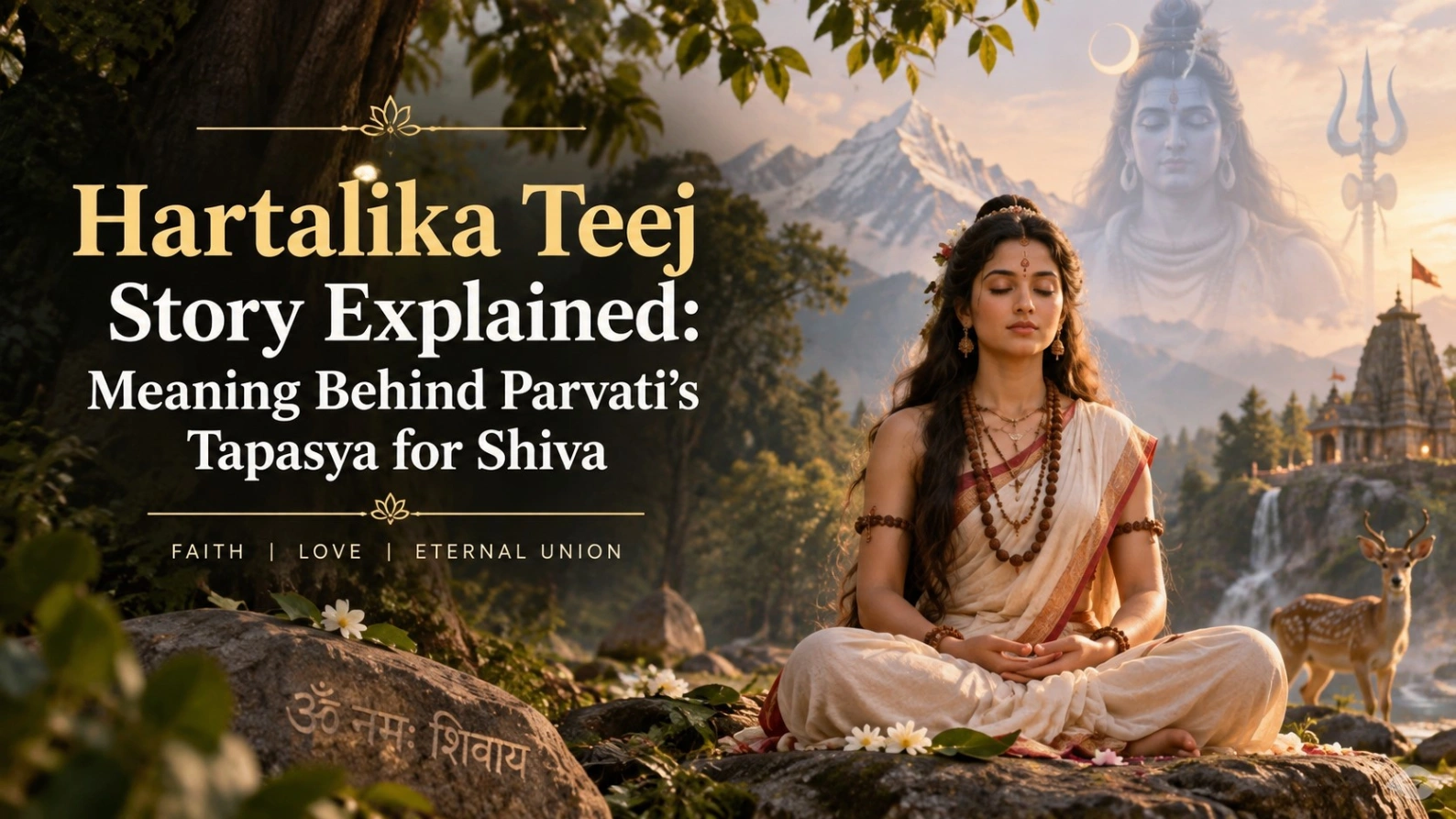
Hartalika Teej is much more than a traditional festival or a day of fasting. At the heart of the celebration lies a powerful story of Goddess Parvati’s determination to unite with Lord Shiva. The Hartalika Teej story is remembered as an expression of devotion, patience, inner strength and unwavering commitment to one’s deepest spiritual resolve.
For generations, devotees have listened to the Hartalika Teej vrat katha while worshipping Lord Shiva and Goddess Parvati. The story tells how Parvati refused to abandon her inner calling even when circumstances appeared to take her life in another direction. Instead, she withdrew into the forest and continued her tapasya for Shiva.
The story therefore carries a meaning deeper than marriage alone. Parvati’s tapasya can also be understood spiritually as the determination of an individual soul to move beyond distraction, fear and external pressure in search of union with the Divine.
Let us understand the complete Hartalika Teej Shiva Parvati story, why Parvati performed tapasya for Shiva, and what this ancient narrative can teach us today.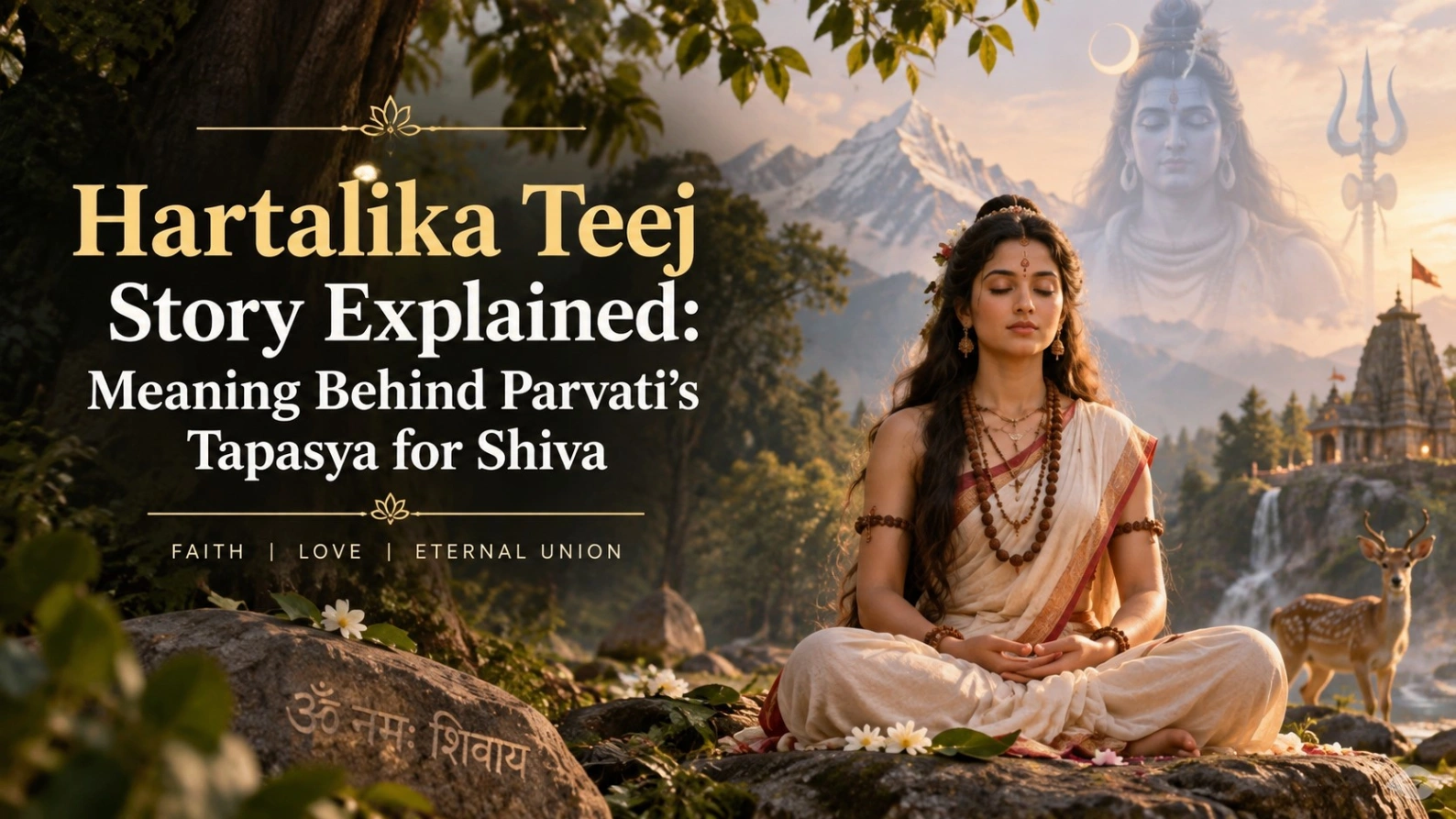
What Is Hartalika Teej?
Hartalika Teej is traditionally observed on Shukla Paksha Tritiya of the Hindu month of Bhadrapada. Worship on the occasion centres on Goddess Parvati and Lord Shiva, and devotees traditionally remember the vrat katha connected with their union.
The festival is especially associated with prayers for marital harmony and an ideal life partner. However, reducing Hartalika Teej only to a ritual for marriage misses an important part of its spiritual symbolism.
The Hartalika Teej katha is fundamentally about Parvati’s resolve. She knew what she wished to dedicate her life to and remained centred on that intention despite opposition and uncertainty.
Her tapasya represents discipline guided by clarity of purpose.
Design Your Destiny
Goddess Parvati’s tapasya reminds us that destiny is not shaped by wishes alone—it changes when intention is supported by awareness, discipline and conscious action. Design Your Destiny can help you understand your inner patterns, gain clarity about what you truly want and learn spiritual principles that help you move from unconscious reactions toward conscious living. Begin your journey to Design Your Destiny and create a life guided by awareness, clarity and purpose.
Start Your Journey Today!What Does the Word Hartalika Mean?
The name itself comes from an important episode in the Hartalika Teej ki kahani.
Traditional explanations connect “Hartalika” with the words Harat and Aalika, referring respectively to taking someone away and a female friend or companion. The name relates to the part of the legend in which Parvati’s friend takes her away into the forest so that she can avoid a marriage she does not desire and continue pursuing her devotion to Shiva.
This detail makes friendship an important but sometimes overlooked element of the Hartalika Teej story. Parvati’s companion does not simply comfort her. She supports Parvati in remaining true to her deepest conviction.
The Beginning of the Hartalika Teej Story
According to the traditional Shiva Parvati Hartalika Teej story, Goddess Parvati had set her heart upon Lord Shiva.
Shiva, however, was not an ordinary prince or worldly householder. He represented renunciation, meditation, detachment and spiritual consciousness. Parvati’s desire to unite with Shiva therefore required extraordinary patience and commitment.
In a widely narrated version of the vrat katha, Parvati’s father intended her to marry Lord Vishnu. Parvati did not wish to accept this arrangement because her devotion was directed toward Shiva. She shared her distress with a close friend, who helped her leave for a secluded forest.
Away from the expectations surrounding her, Parvati became absorbed in spiritual practice.
And this is where the deeper meaning of the Hartalika Teej story explained begins to emerge.
Why Did Parvati Perform Tapasya for Shiva?
One of the most searched questions connected with the festival is: Why Parvati did tapasya for Shiva?
Within the traditional narrative, Parvati’s tapasya expresses her unwavering determination to attain Shiva as her divine companion.
But tapasya in Indian spiritual traditions carries a broader meaning than simply undergoing hardship to receive a reward. It represents disciplined effort, purification, restraint, concentration and dedication toward a higher purpose.
Parvati’s penance therefore represents much more than waiting for Shiva to accept her.
She refuses to let circumstances determine the direction of her consciousness.
She moves away from distractions and places her entire attention on what she considers sacred.
This is why Parvati tapasya for Shiva has remained such a powerful spiritual image. Her strength comes not from forcing circumstances to change but from transforming herself through dedication.
Hartalika Teej 2026: Date, Time, Puja Muhurat & Puja Vidhi
Goddess Parvati’s Tapasya for Lord Shiva
According to the traditional Hartalika Teej vrat katha, Parvati continued her spiritual practice in the forest with great determination.
The imagery of the forest itself is meaningful. Away from palaces, social expectations and worldly comfort, Parvati stands only with her resolve.
Traditional accounts describe her performing intense penance and worship to please Shiva. Eventually, Shiva recognises the depth and sincerity of her devotion and accepts her wish to become his consort.
Whether approached devotionally or symbolically, the episode communicates an enduring idea: real transformation requires consistency.
Parvati does not change her direction every time circumstances become difficult. Her tapasya gives her inner conviction greater strength.
That is perhaps one of the most relevant messages of the Parvati penance for Shiva story even today.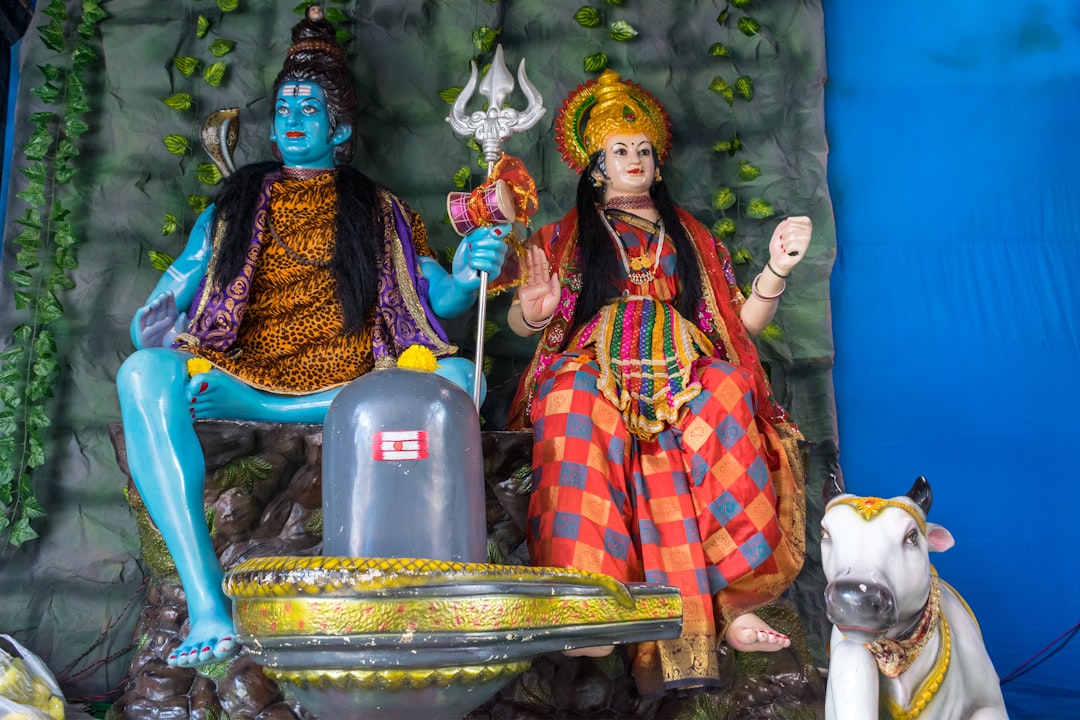
How Parvati Got Lord Shiva
The question “How Parvati got Lord Shiva?” is often answered simply by saying that Shiva was pleased by her tapasya.
But spiritually, the story carries a richer meaning.
Parvati did not attain Shiva through external beauty, wealth, status or persuasion. The defining quality of her journey was devotion combined with inner discipline.
Shiva is traditionally associated with pure consciousness, stillness and transcendence. Parvati represents Shakti, the dynamic divine energy.
Their union is therefore interpreted in many spiritual traditions as far more than the marriage of two divine personalities. Shiva and Shakti together represent complementary dimensions of existence: consciousness and energy, stillness and expression, awareness and creation.
Seen through this lens, Parvati’s journey toward Shiva becomes the journey of energy returning to conscious awareness.
How Did Parvati Marry Lord Shiva?
After Shiva recognised Parvati’s devotion and accepted her, the path toward their divine union was opened.
The Hartalika Teej story therefore culminates not merely in a wedding but in the fulfilment of a spiritual sankalpa—a deeply held resolve.
Parvati’s journey teaches that the fulfilment of a meaningful intention often requires patience before achievement.
The celebration of Hartalika Teej remembers this devotion and the sacred bond of Shiva and Parvati. This is one reason devotees pray to the divine couple for harmony, companionship and strength in relationships.
The Spiritual Meaning Behind Parvati’s Tapasya
Why is Parvati’s tapasya still remembered thousands of years after the Shiva-Parvati narrative became part of Hindu sacred tradition?
Because tapasya is a metaphor that applies to every sincere spiritual seeker.
Most people desire transformation, but desires constantly compete with one another. We want peace but continually feed distraction. We want clarity but rarely sit in silence. We want spiritual growth but struggle to remain consistent when practice becomes difficult.
Parvati represents the opposite tendency.
Her consciousness becomes one-pointed.
The deeper lesson of the Goddess Parvati tapasya for Lord Shiva is therefore that transformation begins when intention becomes stronger than distraction.
Tapasya does not necessarily mean abandoning ordinary life or undergoing extreme physical hardship. In contemporary spiritual practice, tapasya can mean maintaining discipline in meditation, controlling destructive habits, observing one’s reactions, practising truthfulness or remaining committed to inner growth.
The external expression may change, but the principle remains the same.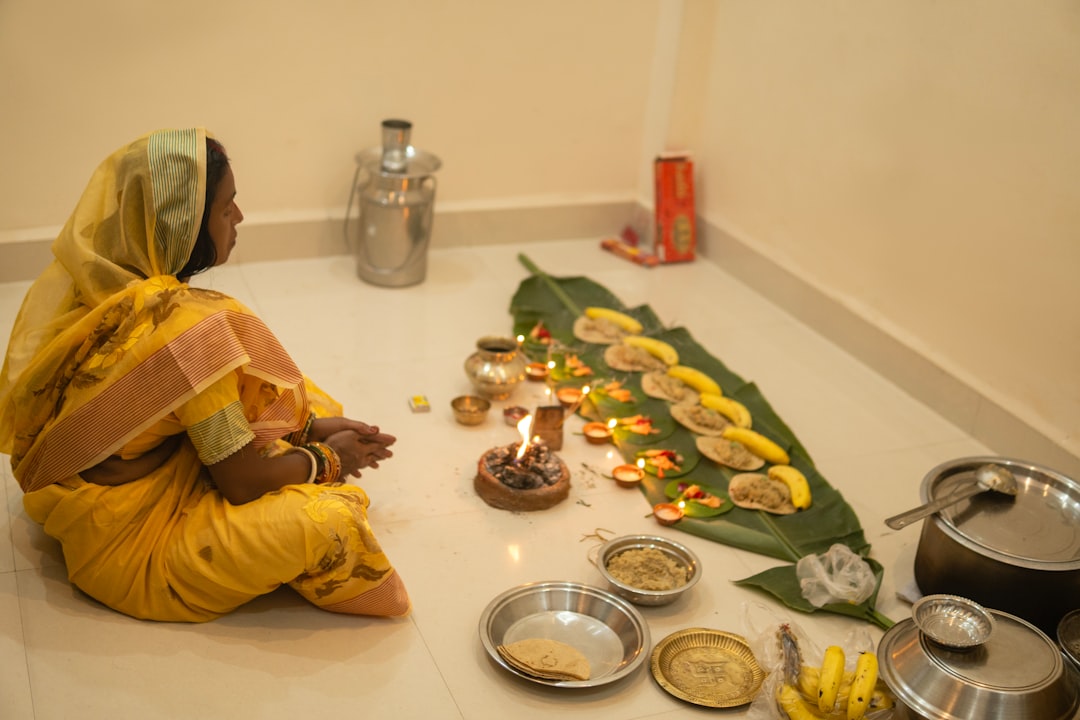
Hartalika Teej and the Power of Sankalpa
Another important lesson hidden within the Hartalika Teej katha is the power of sankalpa.
A sankalpa is not a casual wish. It is an intention supported by conscious commitment.
Parvati’s resolve to attain Shiva remains steady despite uncertainty. Her circumstances change, but her inner direction does not.
This distinction matters spiritually.
A wish says, “I hope this happens.”
A sankalpa says, “I will align my actions, consciousness and discipline with what I deeply value.”
Hartalika Teej therefore encourages devotees to examine their own intentions.
What are we truly committed to?
Which distractions repeatedly pull us away from our higher purpose?
And are our daily actions aligned with what we claim to value?
These questions turn an ancient vrat katha into a practical spiritual teaching.
Navratri: Dates, Puja Timings, Vrat Rule & Spiritual Meaning
Hartalika Teej as a Story of Conscious Love
The Hartalika Teej Shiva Parvati story is also often described as a story of divine love.
Yet Parvati’s love is not presented as passive attachment. It is active, disciplined and conscious.
She develops herself through tapasya.
That offers a valuable insight into relationships as well.
A meaningful relationship is not built only by finding the right person. It also requires becoming more conscious, mature, patient and internally stable ourselves.
Seen this way, Hartalika Teej invites devotees to move beyond the idea of merely asking the Divine for an ideal partner. It can become an opportunity to ask: What qualities should I cultivate within myself to build a conscious relationship?
Patience, responsibility, compassion, emotional stability and devotion all become part of that inner preparation.
Why Is the Hartalika Teej Vrat Observed?
Hartalika Teej is traditionally associated with fasting, prayer and worship of Shiva and Parvati. Married and unmarried women in different communities observe the occasion with prayers connected with marital wellbeing or a suitable life partner, although customs vary by region and family tradition.
The vrat also echoes Parvati’s discipline.
When approached consciously, fasting is not merely about temporarily avoiding food. The deeper spiritual purpose of a vrat is restraint.
A person temporarily says “no” to habitual impulses so that awareness can become stronger.
Thus the Hartalika Teej vrat katha and the vrat itself complement one another: Parvati demonstrates discipline in the story, while the devotee attempts to cultivate discipline through practice.
Living The Gita Movement
The Bhagavad Gita is not merely something to be read or listened to. It is the art of awakening within oneself and experiencing the truth of life. The vision of the Living the Gita Movement is to bring the wisdom of the Gita out of books and transform it into a lived experience.
Join NowWhat Hartalika Teej Teaches Us Today
The Hartalika Teej ki kahani may be ancient, but its central lessons remain surprisingly contemporary.
Parvati teaches us not to surrender our deepest convictions simply because the external world moves in another direction.
Her friend teaches us the value of companionship that supports our highest intentions rather than our weaknesses.
Her tapasya teaches us that meaningful transformation requires patience.
And the union of Shiva and Parvati reminds us that a truly conscious relationship is not merely an emotional bond. It can also become a partnership rooted in growth, balance, respect and spiritual understanding.
Hartalika Teej therefore becomes much more meaningful when we move beyond performing rituals mechanically and reflect on the consciousness behind them.
The Deeper Message of Hartalika Teej
Ultimately, the Hartalika Teej story explained through a spiritual lens is a journey from outer pressure toward inner clarity.
Parvati knows where her heart and consciousness are directed. She withdraws from circumstances that conflict with that direction, undertakes tapasya and remains steadfast until her sankalpa reaches fulfilment.
The story asks us to consider whether we possess the same clarity in our own lives.
Shiva need not be understood merely as an external destination. For a spiritual seeker, Shiva can also symbolise the highest state of awareness—the silent consciousness beyond constant mental movement.
Parvati’s journey toward Shiva can therefore inspire a universal question:
What are we willing to transform within ourselves in order to move closer to our highest consciousness?
That may be the most timeless message hidden within the Hartalika Teej vrat katha.
Personal Session
Every inner journey is different. If you are facing confusion, emotional patterns, relationship challenges or simply want greater clarity about your spiritual path, personalised guidance can help you see your situation from a deeper perspective. Book a personal session and receive focused guidance to understand yourself, overcome inner blocks and take meaningful steps toward a more conscious and fulfilled life.
Book NowRead Latest Articles
What You Experience After Fasting Every Monday in Sawan
Frequently Asked Questions
Why did Goddess Parvati perform tapasya for Lord Shiva?
According to the Hartalika Teej story, Goddess Parvati performed intense tapasya because she was deeply devoted to Lord Shiva and wished to unite with him. Her penance symbolises unwavering determination, spiritual discipline and devotion. Eventually, Shiva recognised her sincerity and accepted her, making their union central to the spiritual meaning of Hartalika Teej.What is the story of Hartalika Teej?
The Hartalika Teej story tells how Goddess Parvati wished to marry Lord Shiva. When circumstances appeared to lead toward another marriage, her friend helped her leave for the forest. Parvati continued her tapasya there, and according to the traditional legend, Shiva eventually recognised her devotion and accepted her.Why is it called Hartalika Teej?
The name Hartalika is traditionally connected with Harat and Aalika, referring to the episode in which Parvati’s female companion takes her away to the forest so she can continue her spiritual resolve rather than enter an unwanted marriage.What does Parvati’s tapasya for Shiva symbolise?
Parvati’s tapasya symbolises determination, devotion, self-discipline and the ability to remain centred on a higher purpose despite difficulties or distractions.How did Parvati get Lord Shiva?
According to Hindu tradition, Parvati undertook intense spiritual practice and remained unwavering in her devotion to Shiva. Shiva eventually recognised the sincerity of her tapasya and accepted her as his consort.