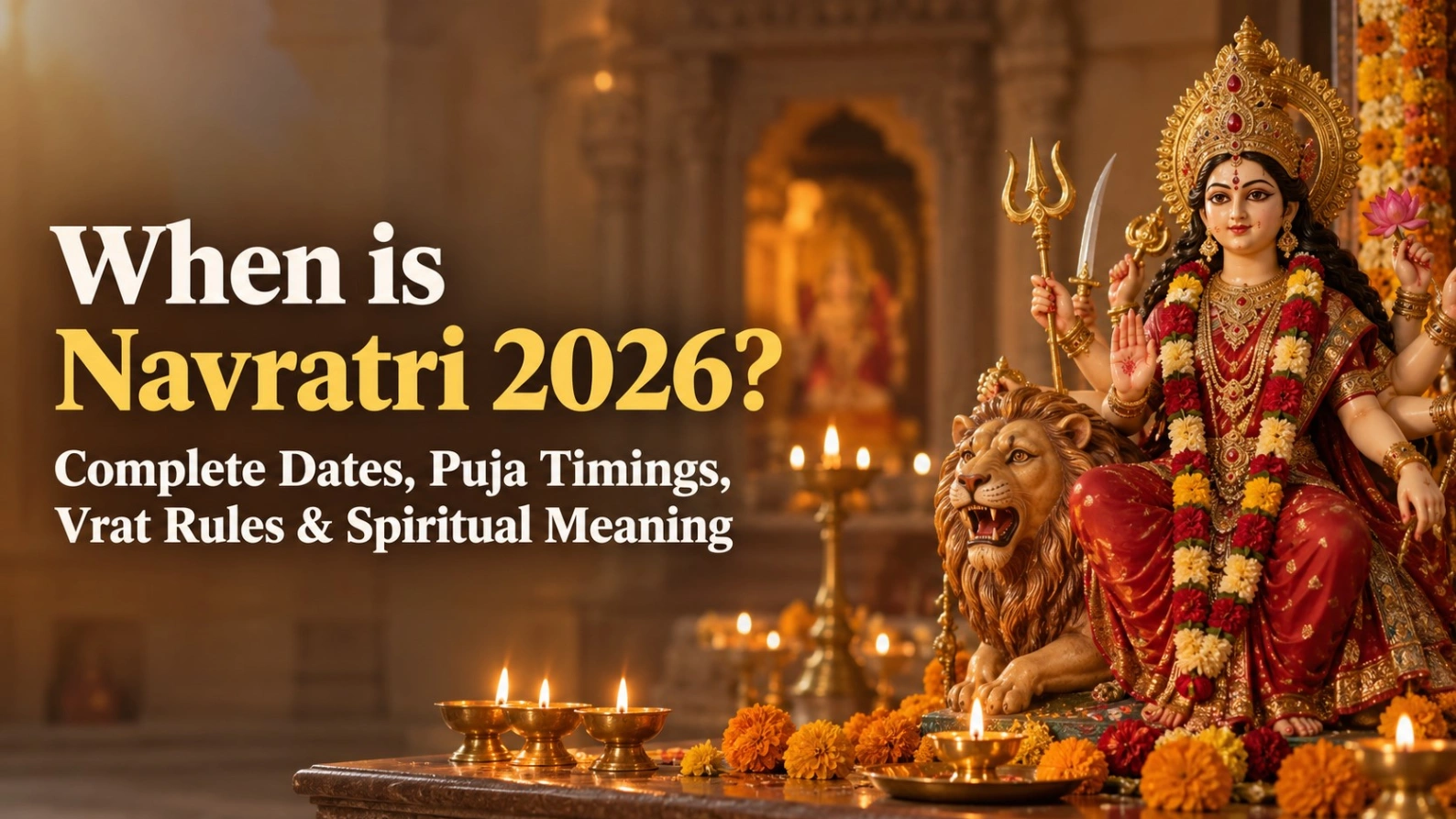
Navratri 2026 is one of the most spiritually significant Hindu festivals dedicated to the worship of Maa Durga and the divine feminine energy, known as Shakti. Celebrated for nine sacred nights, Shardiya Navratri represents the victory of divine consciousness over negativity, ignorance, and inner limitations.
Every year, millions of devotees search for Navratri 2026 date, when is Navratri 2026, Navratri 2026 start date, and Navratri 2026 end date to prepare for fasting, prayers, and Maa Durga worship.
Beyond rituals and celebrations, Navratri carries a deep spiritual message. The nine days symbolize an inner journey where a person moves from external distractions toward self-awareness, discipline, purity, and connection with the divine.
When is Navratri 2026?
Shardiya Navratri 2026 will begin in October 2026 and will be celebrated for nine days, concluding with Vijayadashami (Dussehra).
The festival begins with Ghatasthapana, which marks the invocation of Maa Durga's divine energy into our homes and hearts.
During these nine days, devotees worship the nine forms of Goddess Durga, known as Nav Durga, each representing a unique quality of consciousness and spiritual growth.
The important dates of Navratri 2026 include:
Navratri 2026 Start Date: October 2026
Navratri 2026 End Date: October 2026
Vijayadashami (Dussehra): Celebrated after the completion of nine days
(Exact regional timings may vary according to location and Panchang.)
Design Your Destiny
The journey of Navratri reminds us that true transformation begins from within. Through Design Your Destiny, learn powerful spiritual practices, self-awareness techniques, and timeless wisdom to create a life aligned with your highest potential. Begin your journey of inner transformation today.
Start Your Journey Today!Shardiya Navratri 2026 Calendar
The nine days of Navratri are dedicated to different forms of Maa Durga:
Day 1 – Maa Shailputri
The first day represents grounding and stability. Maa Shailputri symbolizes the beginning of spiritual transformation.
Day 2 – Maa Brahmacharini
This day represents devotion, discipline, and dedication toward spiritual growth.
Day 3 – Maa Chandraghanta
Maa Chandraghanta represents courage, inner strength, and protection from negativity.
Day 4 – Maa Kushmanda
She symbolizes creation, energy, and the divine power that sustains the universe.
Day 5 – Maa Skandamata
This form represents compassion, motherhood, and unconditional love.
Day 6 – Maa Katyayani
Maa Katyayani represents courage and destruction of inner weaknesses.
Day 7 – Maa Kalaratri
This powerful form removes fear, ignorance, and darkness from life.
Day 8 – Maa Mahagauri
She represents purity, peace, and spiritual awakening.
Day 9 – Maa Siddhidatri
The final form represents divine wisdom, blessings, and spiritual fulfillment.
Navratri 2026 Puja Timings and Ghatasthapana
The beginning of Navratri is marked by Ghatasthapana, one of the most important rituals.
During Ghatasthapana:
A sacred Kalash is installed
Maa Durga is invoked
Devotees begin nine days of prayer and fasting
The environment is purified through spiritual practices
The ideal time for Ghatasthapana is decided according to the Hindu Panchang and varies by location.
Devotees should check their local Panchang for the exact Navratri 2026 puja timings.
Navratri 2026 Puja Vidhi
A traditional Navratri puja includes:
Cleaning and purifying the worship space
Installing Maa Durga idol or picture
Performing Ghatasthapana
Lighting a diya throughout Navratri
Offering flowers, fruits, and bhog
Chanting Durga mantras
Reading Durga Saptashati or devotional texts
Performing Aarti every day
The purpose of these rituals is not only external worship but also creating inner discipline and awareness.
Navratri Vrat Rules 2026
Many devotees observe fasting during Navratri as a practice of purification and devotion.
Common Navratri fasting rules include:
Avoiding Certain Foods
During fasting, devotees generally avoid:
Non-vegetarian food
Alcohol
Onion and garlic (according to tradition)
Processed foods
Hartalika Teej 2026: Date, Time, Puja Muhurat & Puja Vidhi
Consuming Satvik Food
Common fasting foods include:
Fruits
Milk
Nuts
Sabudana
Kuttu flour
Singhara flour
Samak rice
Maintaining Spiritual Discipline
Fasting is considered more than food restriction. It encourages:
Control over desires
Mental clarity
Self-discipline
Devotion
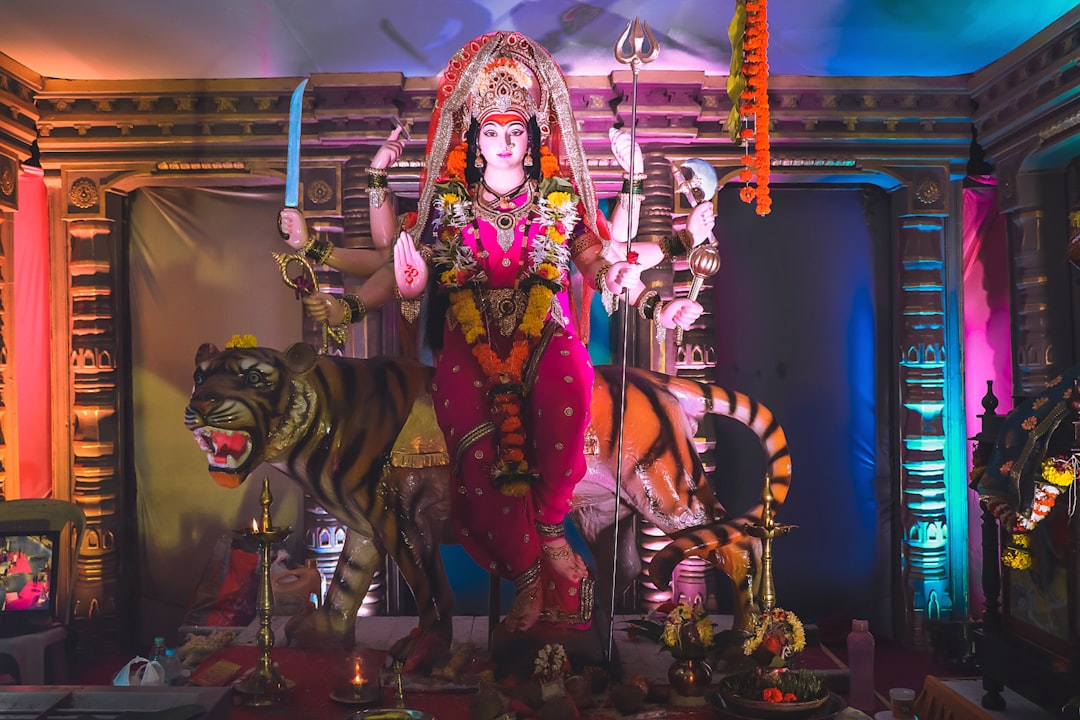
Spiritual Meaning of Navratri
The word Navratri means nine nights. Spiritually, these nine nights represent the journey of transformation.
The festival teaches that before experiencing higher consciousness, one must overcome inner challenges such as:
Fear
Anger
Ego
Attachment
Negative thoughts
Maa Durga represents the divine power within every individual that helps overcome these limitations.
Navratri reminds us that true victory is not only defeating external challenges but also conquering the negativity within ourselves.
Why is Navratri Celebrated?
Navratri celebrates the victory of Maa Durga over the demon Mahishasura, representing the triumph of good over evil.
On a deeper spiritual level:
Mahishasura represents uncontrolled desires and ego
Maa Durga represents divine wisdom and inner strength
The battle represents our own journey toward self-mastery
Thus, Navratri is not only a festival of worship but also a reminder to awaken our inner Shakti.
Janmashtami Wishes 2026 for Family, Friends & Loved Ones
Connection Between Navratri and Inner Transformation
The nine days of Navratri can be seen as a spiritual process:
Purification of thoughts
Discipline of the body
Control over senses
Awakening of awareness
Connection with higher consciousness
Just as devotees clean their homes before Navratri, the festival encourages cleaning the mind from unnecessary thoughts and emotional burdens.
Living The Gita Movement
The Bhagavad Gita is not merely something to be read or listened to. It is the art of awakening within oneself and experiencing the truth of life. The vision of the Living the Gita Movement is to bring the wisdom of the Gita out of books and transform it into a lived experience.
Join NowBenefits of Observing Navratri
Practicing Navratri rituals with awareness can provide:
Mental Benefits
Increased focus
Emotional stability
Reduced distractions
Physical Benefits
Improved discipline
Conscious eating habits
Detoxification through fasting
Spiritual Benefits
Deeper devotion
Inner peace
Greater self-awareness
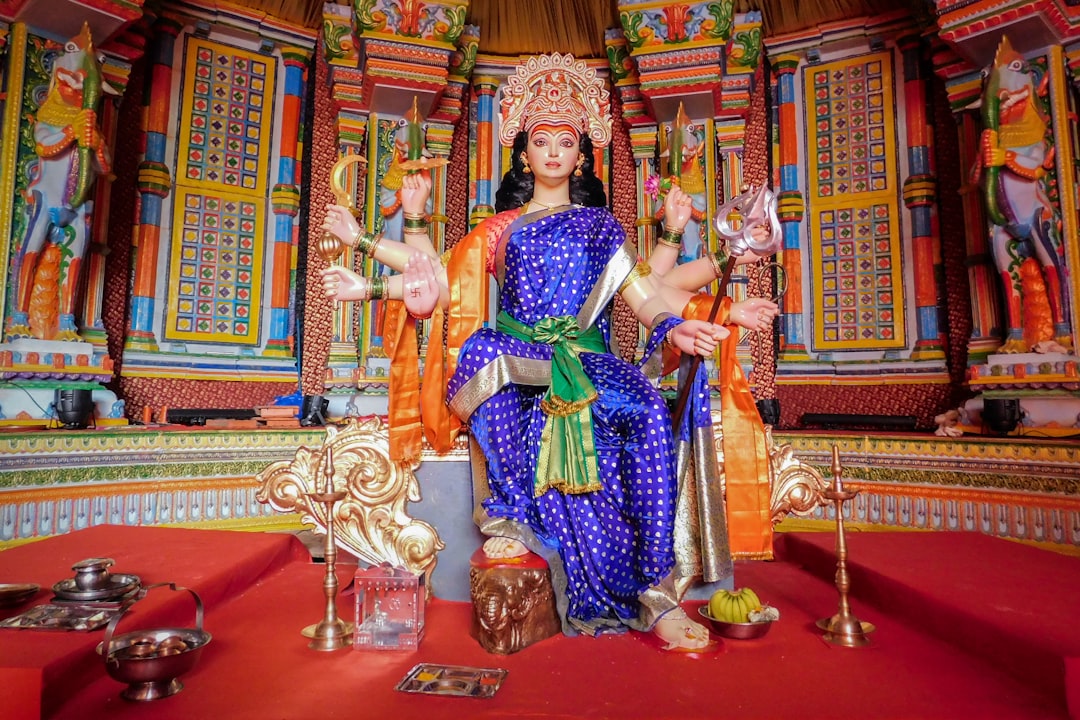
How to Celebrate Navratri 2026 at Home
You can observe Navratri through simple spiritual practices:
Create a peaceful prayer space
Meditate daily
Chant Maa Durga mantras
Practice gratitude
Read spiritual scriptures
Spend time in self-reflection
The true essence of Navratri is not only rituals but awakening the divine qualities within ourselves.
Personal Session
Book a personal session and explore your inner journey with personalised guidance. Understand your patterns, unlock your potential, and move towards a more conscious and fulfilling life. Connect today and take your first step toward self-discovery.
Book NowRead Latest Articles