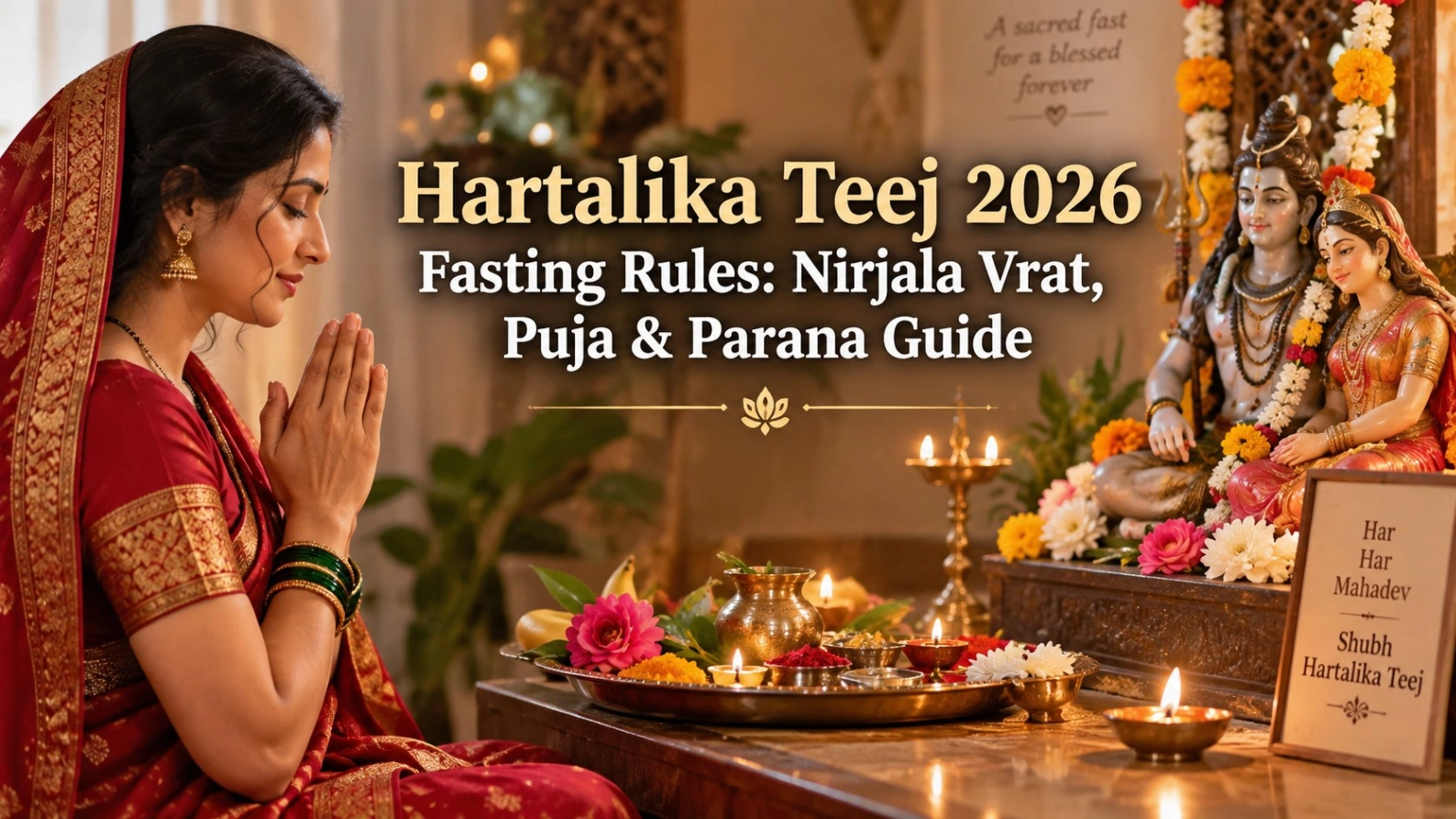
Hartalika Teej is one of the most significant Hindu vrats dedicated to Goddess Parvati and Lord Shiva. Observed on Bhadrapada Shukla Tritiya, the festival represents Goddess Parvati’s unwavering devotion, determination and tapasya to attain Lord Shiva as her husband.
In 2026, Hartalika Teej will be observed in India on Monday, September 14, 2026 according to commonly followed Indian Panchang calculations. For Delhi, Tritiya Tithi begins at approximately 7:08 AM on September 13 and ends at 7:06 AM on September 14. The Pratahkal Hartalika Puja Muhurat in Delhi is approximately 6:05 AM to 7:06 AM. Exact puja timings vary according to location, so devotees should check their local Panchang.
Understanding the Hartalika Teej fasting rules 2026 is especially important because the traditional form of this vrat is considered rigorous. Many devotees observe a Nirjala vrat, abstaining from both food and water, while worshipping Shiva and Parvati with devotion.
However, spiritual observance should always be balanced with health. Anyone who is pregnant, breastfeeding, unwell, taking regular medication or managing conditions such as diabetes or blood-pressure disorders should seek medical advice before attempting a waterless fast.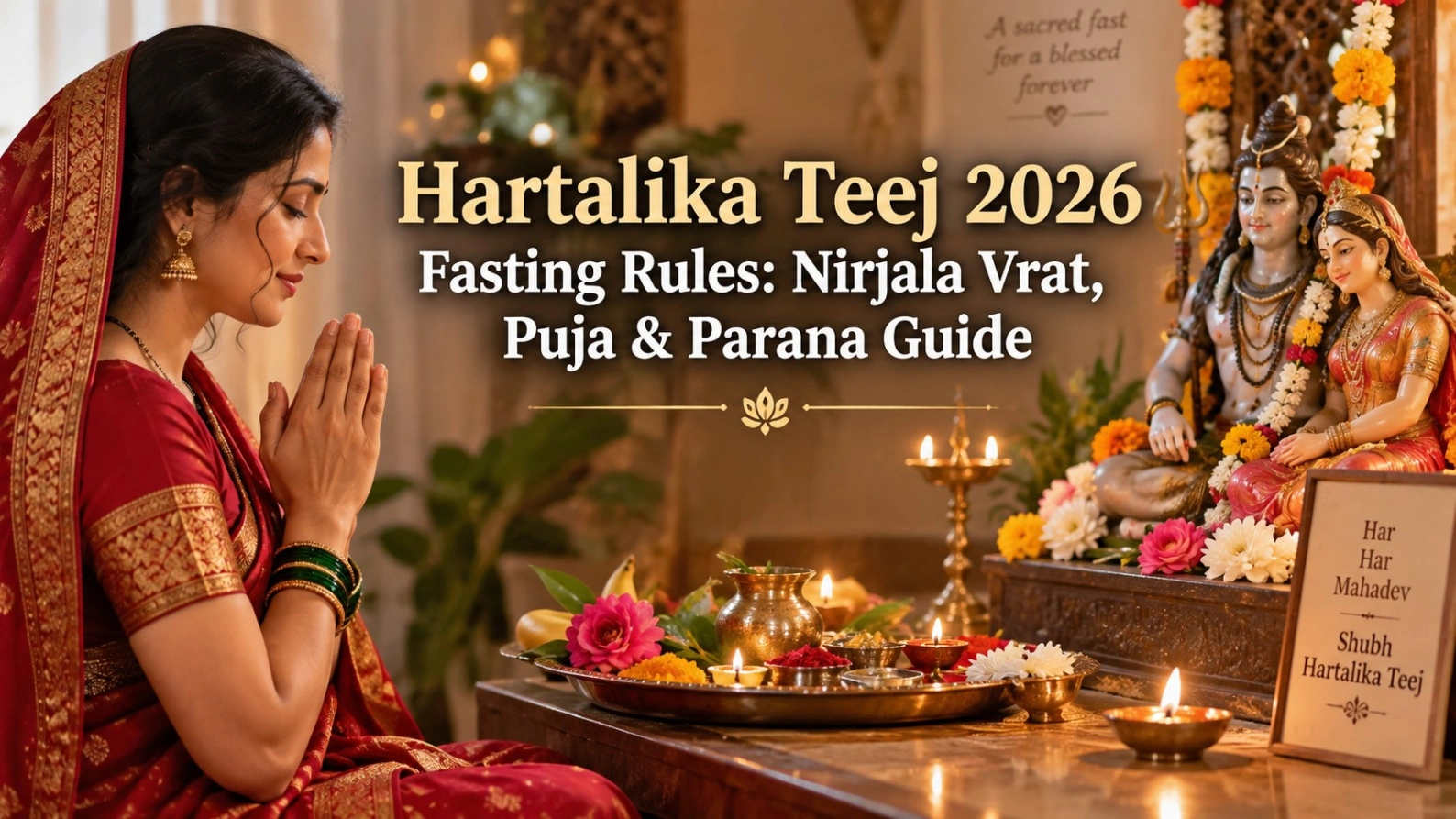
Hartalika Teej 2026 Date and Puja Timing
Hartalika Teej 2026 Date: Monday, September 14, 2026
Tritiya Tithi Begins: September 13, around 7:08 AM
Tritiya Tithi Ends: September 14, around 7:06 AM
Delhi Pratahkal Puja Muhurat: Approximately 6:05 AM–7:06 AM
Hartalika Teej falls during the Shukla Paksha Tritiya of the Hindu month of Bhadrapada. Morning is traditionally considered an auspicious period for Hartalika worship. When morning worship is not possible, Shiva-Parvati worship during Pradosh Kaal is also traditionally followed.
Because sunrise and other Panchang calculations vary geographically, readers outside Delhi should check timings for their own city before performing the puja.
Design Your Destiny
Spiritual wisdom is not meant only to be read—it is meant to transform the way you think, choose and live. Design Your Destiny helps you understand your inner patterns, move beyond limiting beliefs and bring greater awareness into everyday life. Begin your journey with Design Your Destiny and take conscious steps towards the life you truly wish to create.
Start Your Journey Today!What Is the Hartalika Teej Nirjala Vrat?
The word Nirjala means “without water.” Therefore, in its strict traditional form, Hartalika Teej Nirjala vrat involves abstaining from both food and water.
The vrat commemorates the intense tapasya of Goddess Parvati for Lord Shiva. According to the traditional Hartalika story, Parvati remained firm in her desire to marry Shiva despite her father considering another marriage proposal. Her companion took her away to a forest, where Parvati continued her devotion and worship of Shiva.
The word Hartalika is traditionally associated with Harat and Aalika, referring to the episode in which Parvati was taken away by her female companion.
Eventually, Lord Shiva accepted Goddess Parvati as his consort. The festival consequently became associated with devotion, determination, marital harmony and unwavering spiritual resolve.
Hartalika Teej Vrat Rules 2026
While customs differ between regions and families, there are several widely followed Hartalika Teej vrat ke niyam.
1. Take a Sankalp
After bathing and preparing for the day, devotees traditionally take a sankalp, or spiritual resolve, to observe Hartalika Teej with devotion to Uma-Maheshwar, Goddess Parvati and Lord Shiva.
The intention behind the fast is as important as the physical discipline involved.
2. Observe the Fast According to Your Tradition
The traditional strict vrat is Nirjala, meaning no food or water.
However, family traditions can vary. Health must take priority over ritual strictness. Devotees who cannot safely observe a Nirjala vrat may follow an adapted fast according to medical guidance and their family or spiritual tradition.
Fasting should never be continued through severe dizziness, fainting, confusion or other concerning physical symptoms.
3. Maintain a Sattvic State
Hartalika Teej vrat is not merely about avoiding food. Devotees traditionally try to maintain purity in thoughts, speech and behaviour.
The day can be spent in prayer, mantra chanting, reading the Hartalika Teej Vrat Katha and remembering Shiva and Parvati.
4. Worship Lord Ganesha First
Traditional Hartalika Puja Vidhi begins with the worship of Lord Ganesha, followed by worship of Goddess Parvati and Lord Shiva. The Vratraj-based puja instructions referenced by Drik Panchang also place Ganesh worship before Shiva-Parvati worship.
5. Worship Shiva and Parvati
A distinctive Hartalika tradition involves creating symbolic forms or idols of Lord Shiva and Goddess Parvati from sand or clay.
The deities are placed respectfully at the puja area and worshipped with devotion.
6. Listen to the Hartalika Teej Vrat Katha
Reading or listening to the Hartalika Teej Vrat Katha forms an important part of the observance.
The story reminds devotees that Parvati’s spiritual strength came through determination, patience and steadfast devotion.
7. Perform Aarti and Bhajan
After the puja and katha, devotees may perform Shiva-Parvati Aarti, chant mantras or sing devotional bhajans.
In several traditions, devotees also observe Jagran, remaining awake during the night in prayer and devotion.
Hartalika Teej Puja Vidhi 2026
Before beginning the puja, clean the worship area and arrange the necessary puja items.
Traditionally, devotees begin after bathing and wearing clean or festive clothes. Sand or clay forms representing Shiva and Parvati may be prepared and placed on a clean platform.
Begin by remembering Lord Ganesha and seeking his blessings.
Take the Hartalika Teej vrat sankalp and offer your prayers to Goddess Parvati and Lord Shiva. Flowers, fruits and other traditional offerings may then be presented according to family custom.
Bilva leaves are commonly associated with Lord Shiva worship, while items connected with saubhagya and shringar may be offered to Goddess Parvati.
Perform Shiva-Parvati worship with devotion, recite or listen to the Hartalika Teej Vrat Katha, chant appropriate mantras and conclude with Aarti.
Traditional instructions emphasize bathing, taking sankalp, worshipping Ganesha first and then performing Shiva-Parvati worship.
The spiritual intention behind the ceremony should remain central. Elaborate decoration is not a substitute for sincere devotion.
Hartalika Teej 2026: Date, Time, Puja Muhurat & Puja Vidhi
Hartalika Teej Puja Samagri
The exact puja samagri differs according to regional tradition, but commonly used items include:
Shiva-Parvati image or sand/clay forms
Lord Ganesha image or murti
Clean puja chowki
Flowers
Bilva leaves
Diya and ghee/oil
Incense
Roli or kumkum
Akshat
Fruits
Coconut
Sweets or other bhog
Kalash
Water
Shringar items for Goddess Parvati
Hartalika Teej Vrat Katha
Prepare these beforehand so the puja can be performed peacefully.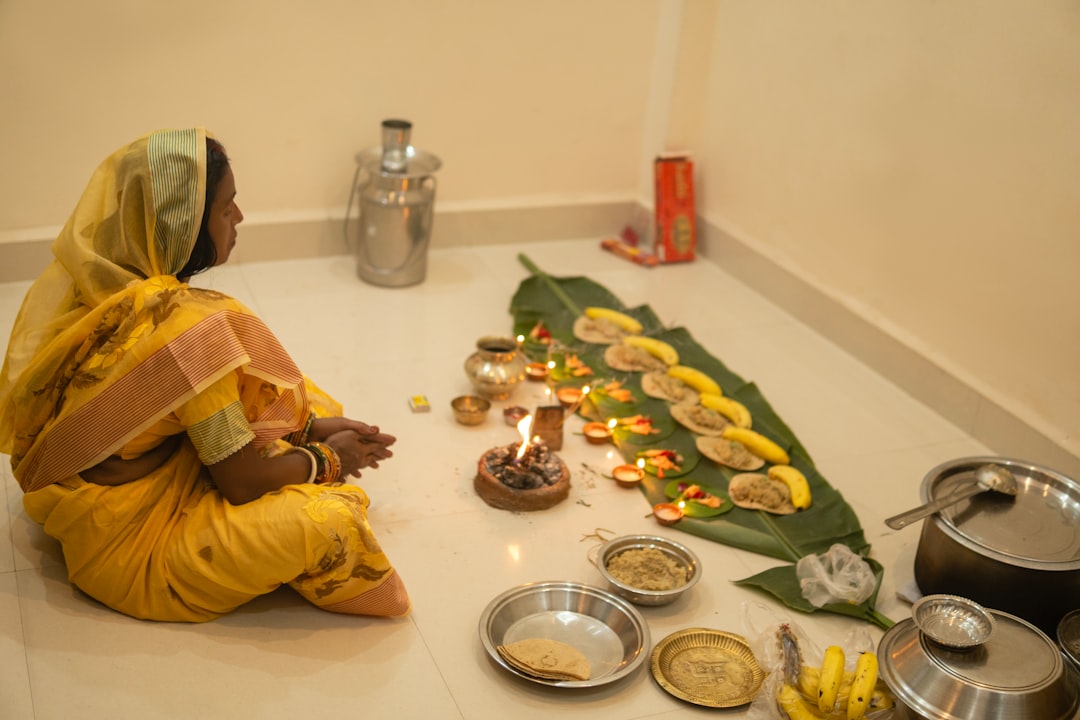
Hartalika Teej Vrat: Dos and Don’ts
For those searching for Hartalika Teej 2026 fasting rules, these simple principles can make the vrat easier to understand.
Do: maintain cleanliness, begin the vrat with sankalp, worship Shiva-Parvati with devotion, remember Lord Ganesha, listen to the vrat katha, follow your family tradition and keep your thoughts peaceful and sattvic.
Avoid: treating the fast as merely a physical challenge, arguments, unnecessary anger, disrespectful behaviour or forcing yourself through medically unsafe fasting.
Religious traditions differ between families and regions. Whenever a specific household custom differs from a general online guide, devotees may follow the tradition taught within their family or by their trusted spiritual guide.
Can You Drink Water During Hartalika Teej Vrat?
The strict traditional Hartalika Teej fast is widely described as a Nirjala vrat, meaning the devotee abstains from water as well as food.
However, not everyone should attempt a dry fast. Pregnant or breastfeeding women and people with diabetes, blood-pressure conditions, illness, dehydration risk or medicines requiring food or water should consult an appropriate healthcare professional.
Spiritual discipline should not require ignoring serious physical warning signs.
Hartalika Teej Story Meaning Behind Parvati Tapasya for Shiva
Who Can Observe Hartalika Teej Vrat?
Hartalika Teej is strongly associated with married women praying for marital well-being and unmarried women praying for a suitable life partner.
However, traditional textual descriptions are not necessarily limited exclusively to women. Drik Panchang's discussion of the Vratraj notes that although Hartalika Teej is generally viewed as a women-centered festival, the referenced puja instructions do not explicitly describe the worship as female-only.
Ultimately, devotion rather than social status is at the heart of spiritual worship.
Living The Gita Movement
The Bhagavad Gita is not merely something to be read or listened to. It is the art of awakening within oneself and experiencing the truth of life. The vision of the Living the Gita Movement is to bring the wisdom of the Gita out of books and transform it into a lived experience.
Join NowHartalika Teej Parana: When and How to Break the Fast?
Parana means formally concluding a vrat.
In traditions where Hartalika Teej is observed through the night, devotees generally complete the concluding worship the following morning before breaking the fast.
A devotee may bathe, pray to Shiva and Parvati, perform the final puja according to family tradition, offer prayers and then conclude the vrat.
Because the exact Hartalika Teej parana practice can vary between communities and traditions, readers should follow their family custom or guidance from a trusted priest regarding the precise sequence and timing.
After a strict fast, especially a Nirjala vrat, it is sensible to restart food and fluids gently rather than immediately consuming an excessively heavy meal.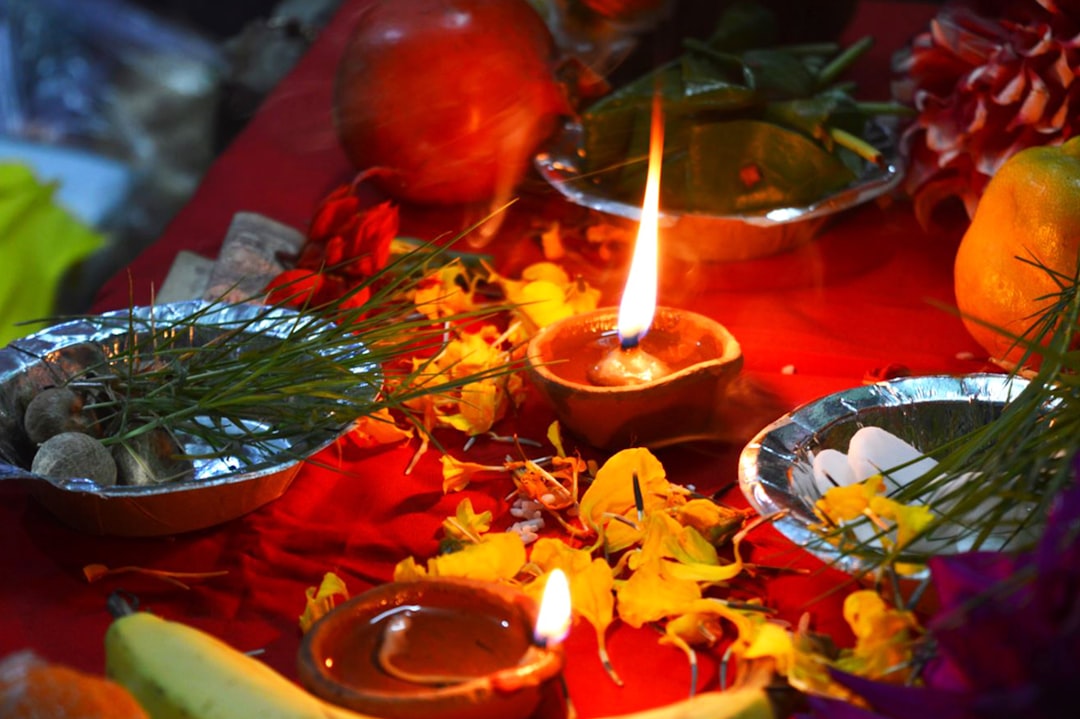
Spiritual Significance of Hartalika Teej
Hartalika Teej carries a message much deeper than fasting.
Goddess Parvati’s story represents clarity of intention, patience, determination and devotion. She did not simply desire an outcome; she remained dedicated to her spiritual path despite difficulty.
That lesson remains relevant today.
Hartalika Teej can therefore become an opportunity to ask:
Are my actions aligned with my deeper values?
Can I remain centered when circumstances do not immediately go my way?
Can devotion become something I practise rather than something I only speak about?
Seen from this perspective, the vrat becomes an inner discipline, a reminder to strengthen faith, awareness and commitment.
Personal Session
Every person’s questions, challenges and inner journey are different. A Personal Session can help you explore your concerns with greater clarity, understand the patterns affecting your life and receive guidance suited to your individual spiritual journey. Book your Personal Session today and take the next step towards clarity, awareness and inner transformation.
Book NowRead Latest Articles