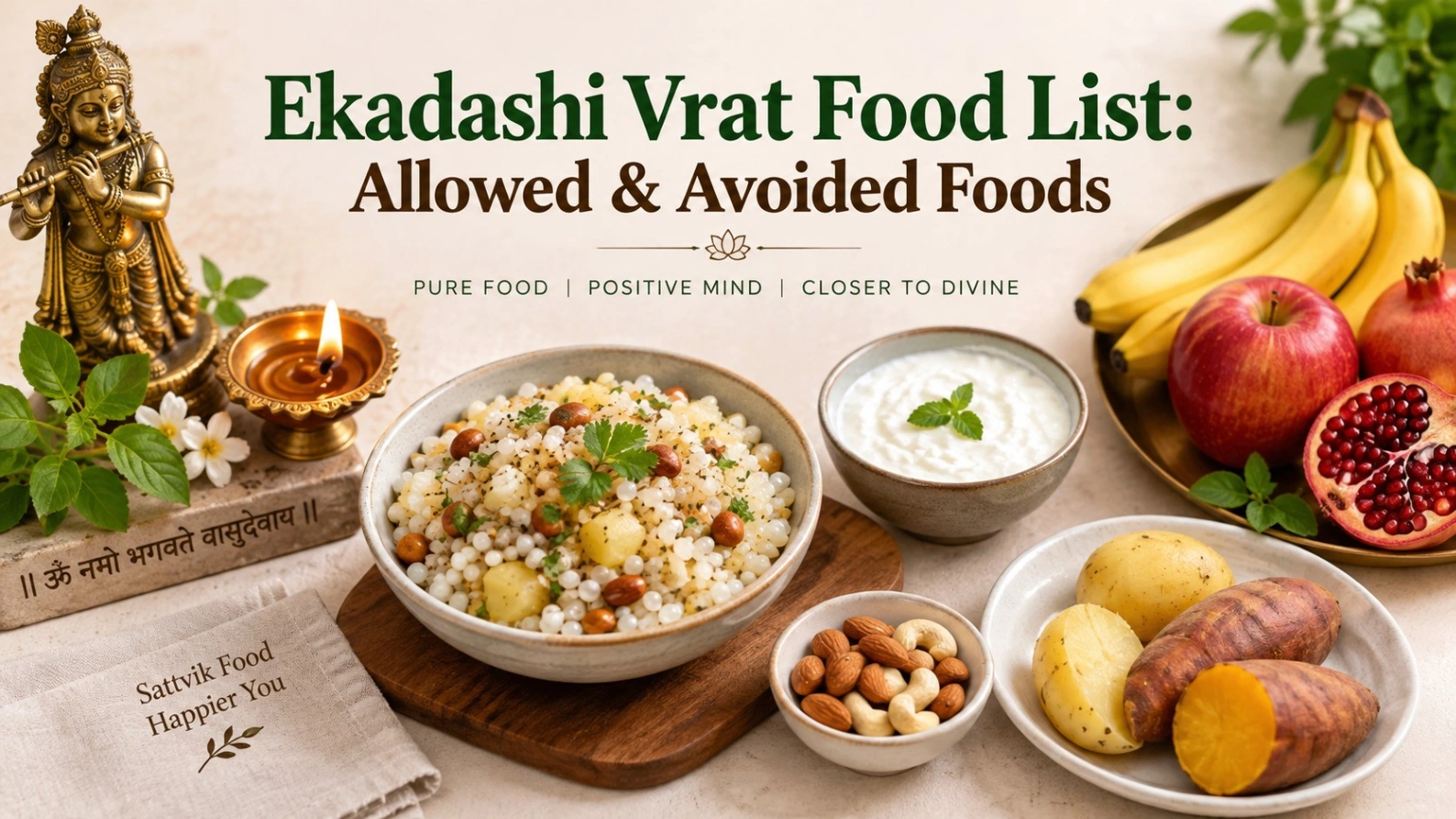
Ekadashi fasting is one of the most widely observed spiritual fasting traditions in Hinduism. Dedicated especially to Lord Vishnu, Ekadashi falls on the eleventh lunar day, or Ekadashi Tithi, of each fortnight.
For many devotees, fasting on Ekadashi is not simply about skipping meals. It is a day of simplicity, prayer, self-discipline and turning one's attention inward.
But one practical question comes up again and again:
What can we eat in Ekadashi fast?
Can you eat potatoes? What about sabudana, fruits, milk or nuts? Is rice allowed? Which flour can be used? And which foods should be completely avoided?
This detailed Ekadashi vrat food list explains commonly followed food choices, ingredients traditionally avoided and simple meal ideas to help you plan your vrat.
It is important to remember that Ekadashi fasting rules can differ between families, regions and spiritual traditions. Some devotees observe only a fruit-and-milk fast, some eat one vrat-friendly meal, while others undertake stricter fasting. Traditional references also describe different levels of fasting rather than one single food pattern.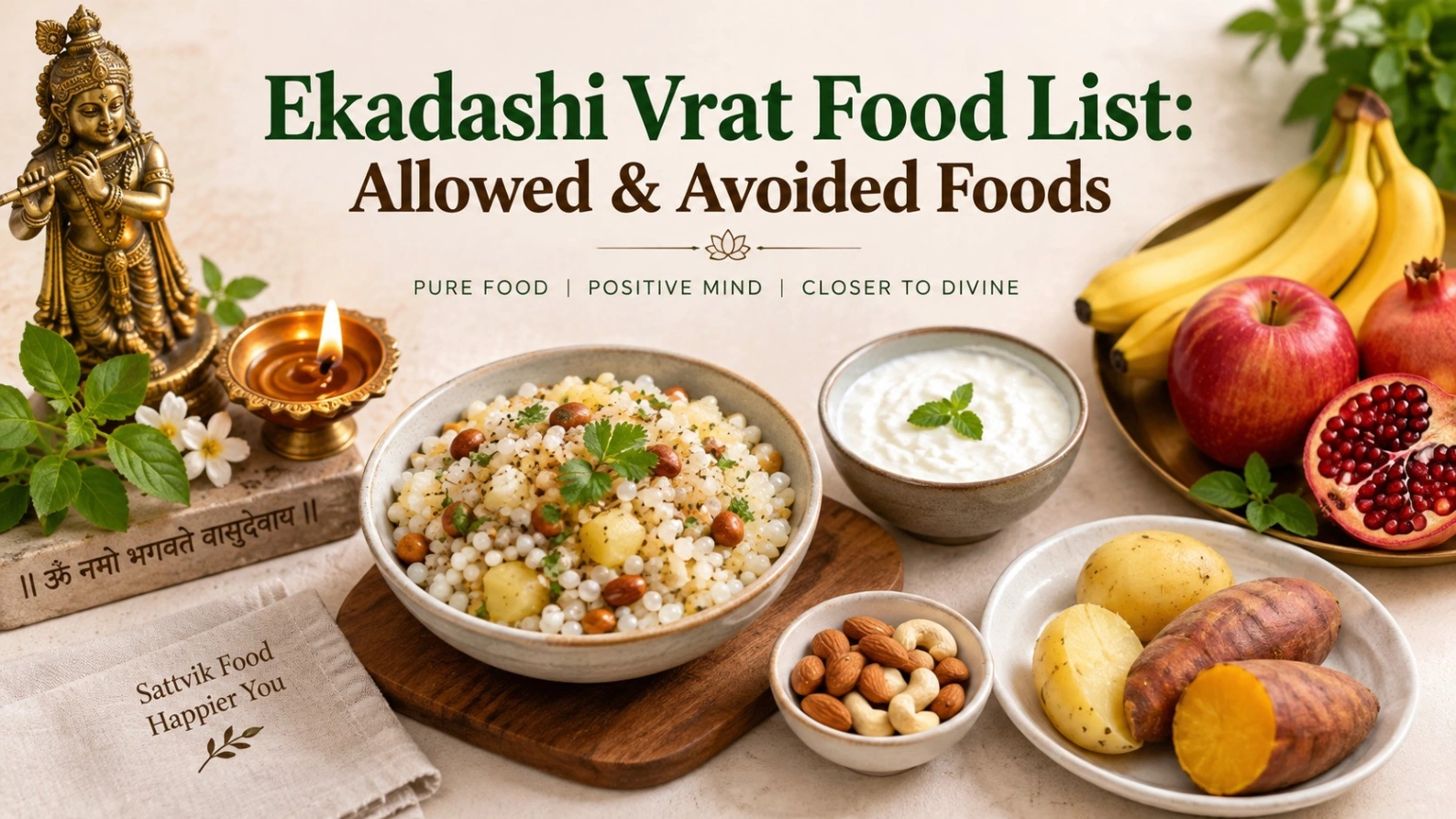
What Is Ekadashi Fasting?
Ekadashi is traditionally associated with worship of Lord Vishnu. Devotees may spend the day chanting, praying, reading spiritual texts, visiting temples and reducing worldly distractions.
Food discipline is an important part of the observance.
Depending upon individual tradition and capacity, the fast may range from consuming water or fruits to eating a single simple meal without regular grains and pulses.
Traditional classifications include water-based fasting, milk-based fasting, fruit-based fasting and a single permitted meal.
The purpose is therefore not to prepare an elaborate feast using substitute ingredients. Ideally, Ekadashi fasting food remains simple and sattvic, allowing more attention to be directed towards spiritual practice.
Design Your Destiny
Knowing spiritual principles is the first step. Living them is what creates transformation. Through Design Your Destiny, discover practical spiritual wisdom that can help you understand your mind, overcome limiting patterns, develop inner clarity and consciously shape the direction of your life. Begin your Design Your Destiny journey and turn spiritual understanding into everyday transformation.
Start Your Journey Today!What Can We Eat in Ekadashi Fast?
For those searching for what to eat in Ekadashi fast, the simplest answer is:
Many devotees consume fruits, milk and selected dairy products, nuts, potatoes, sweet potatoes, sabudana and certain fasting ingredients, depending on their family or sampradaya's rules.
Regular grains and pulses are generally avoided.
Here is a practical breakdown.
Ekadashi Vrat Food List: Foods Commonly Allowed
1. Fresh Fruits
Fruits are among the simplest and most popular Ekadashi fasting foods.
Common choices include:
Banana
Apple
Papaya
Pomegranate
Grapes
Orange
Pear
Mango
Guava
Watermelon
Muskmelon
A fruit bowl can be an easy breakfast or light meal for devotees observing a phalahari fast.
Fresh fruits are generally preferable to heavily processed packaged fruit products.
2. Milk and Dairy Products
Many Ekadashi traditions permit milk and dairy products.
Common options include:
Milk
Curd
Paneer
Buttermilk
Homemade lassi
Ghee
Milk can be combined with fruits or nuts to make a simple and filling fasting meal.
However, devotees following stricter fasting practices may consume only specific foods, so personal or family traditions should take priority.
3. Potatoes
Potatoes are one of the most commonly used ingredients in an Ekadashi food list.
They can be prepared as:
Boiled potatoes
Jeera potatoes
Vrat-friendly potato curry
Roasted potatoes
Potato and peanut preparation
When preparing potato dishes for Ekadashi, use only ingredients permitted in your fasting tradition.
4. Sweet Potatoes
Sweet potato, or shakarkandi, is another popular vrat food.
It can be:
Boiled
Roasted
Grilled
Made into chaat
Mixed with curd
Combined with nuts
Because it is naturally filling, shakarkandi can be particularly useful for people observing a longer fast.
5. Sabudana
Sabudana is widely associated with Indian vrat meals and is commonly included in an Ekadashi fast food list.
Popular preparations include:
Sabudana khichdi
Sabudana vada
Sabudana kheer
Sabudana with peanuts
If preparing sabudana khichdi, keep the dish simple rather than making the fast excessively food-focused.
6. Nuts and Dry Fruits
Nuts can provide a convenient source of energy during fasting.
Depending on your tradition, options may include:
Almonds
Cashews
Pistachios
Walnuts
Raisins
Dates
Groundnuts or peanuts
A small portion of nuts alongside fruit or milk can help make a fasting meal more satisfying.
7. Singhara
Singhara, or water chestnut, and singhara flour are commonly used during Indian fasting traditions.
Singhara atta may be used for preparations such as:
Rotis
Puris
Halwa
Pancake-style vrat preparations
Check the ingredients of packaged flour to ensure it has not been mixed with regular wheat flour.
8. Rajgira
Rajgira, also known as amaranth, is commonly used in many fasting households.
Typical preparations include:
Rajgira roti
Rajgira paratha
Rajgira laddoo
Rajgira chikki
Again, fasting traditions differ, so use it according to the customs you follow.
9. Kuttu and Samak: Check Your Tradition
Kuttu atta and samak rice are widely eaten during many Indian vrats. However, Ekadashi traditions are not completely uniform regarding them.
For example, Drik Panchang notes that while many people use kuttu and samak during a single Ekadashi meal, their acceptance can be debated in stricter traditions.
Therefore, if you follow a guru, temple, Vaishnava sampradaya or specific family tradition, follow its guidance rather than assuming every common "vrat food" automatically applies to Ekadashi.
10. Sendha Namak
Regular table salt may be avoided in many fasting traditions, while sendha namak, or rock salt, is commonly used in vrat meals.
It can be added to:
Potatoes
Curd
Fruit chaat
Sabudana
Vrat-friendly vegetable dishes
Some stricter fasts may avoid salt completely.
Why Are 14 Knots Tied in Anant Sutra on Anant Chaturdashi?
Ekadashi Food List at a Glance
Food Category | Common Examples | Ekadashi Use |
|---|---|---|
Fruits | Banana, apple, papaya, grapes | Commonly allowed |
Dairy | Milk, curd, paneer, ghee | Commonly allowed |
Nuts | Almonds, cashews, walnuts | Commonly allowed |
Tubers | Potato, sweet potato | Commonly allowed |
Sabudana | Khichdi, kheer | Commonly used |
Singhara | Flour, whole singhara | Commonly used |
Rajgira | Atta, laddoo | Used in many traditions |
Kuttu | Kuttu flour | Tradition-dependent |
Samak | Samak rice | Tradition-dependent |
Regular grains | Rice, wheat, maida | Generally avoided |
Pulses/beans | Dal, chickpeas, kidney beans | Generally avoided |
The exact foods allowed in Ekadashi fast should ultimately follow your family's or spiritual lineage's practice.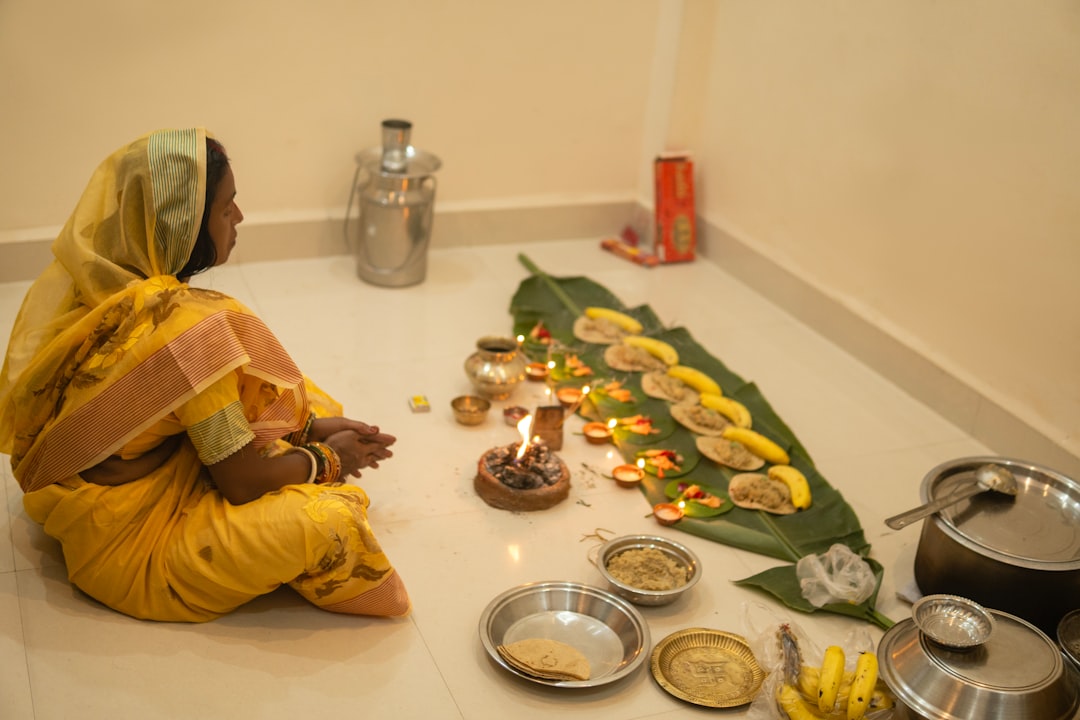
What Should You Avoid During Ekadashi Fast?
Understanding what not to eat on Ekadashi is just as important as knowing the allowed foods.
1. Rice
Regular rice is traditionally avoided during Ekadashi.
Rice-based dishes such as pulao, biryani, idli made with rice, dosa containing rice and rice flour preparations are therefore generally excluded.
2. Wheat and Regular Flour
Wheat is another regular grain generally avoided during Ekadashi fasting.
This means avoiding foods such as:
Chapati
Regular paratha
Bread
Biscuits containing wheat
Maida products
Semolina or sooji preparations
Traditional Ekadashi observance generally excludes grains and cereals.
3. Pulses and Beans
Most conventional Ekadashi fasting practices avoid pulses and beans.
These include:
Moong dal
Masoor dal
Toor dal
Chana dal
Urad dal
Chickpeas
Rajma
Soybeans
This restriction is one reason devotees often turn to fruits, dairy, nuts and vrat-specific ingredients.
4. Onion and Garlic
Many devotees follow a sattvic diet during Ekadashi and avoid onion and garlic.
The emphasis is on keeping the day's meals simple and conducive to prayer and spiritual awareness.
5. Regular Packaged and Processed Foods
Packaged foods can contain unexpected ingredients such as:
Wheat flour
Corn starch
Rice flour
Regular salt
Artificial flavourings
Grain-derived additives
Always check the label if consuming packaged vrat products.
When possible, freshly prepared simple food is the safer choice.
Simple Ekadashi Meal Plan
If you are wondering what to eat on Ekadashi throughout the day, here is a simple example.
Morning
Begin according to your normal fasting practice with water, prayer and meditation.
If you eat during the fast, breakfast could include:
Banana + milk + a few soaked almonds
Midday
Choose something light such as:
Fruit bowl + curd
or
Boiled sweet potato with sendha namak
Evening
Those taking a vrat meal may choose:
Sabudana khichdi with peanuts and curd
or
Potato preparation with singhara atta roti
Your meal should remain simple. The spiritual purpose of Ekadashi is more important than creating an elaborate menu.
Ekadashi Fasting for Beginners: How to Keep Vrat Correctly
Different Ways Ekadashi Fast Is Observed
Not every devotee follows the same level of fasting.
Nirjala or Very Strict Fast
Some devotees abstain from both food and water for a prescribed period, particularly in connection with Nirjala Ekadashi.
This is a demanding practice and should not be undertaken merely for comparison with others.
Water-Based Fast
Some consume only water.
Milk-Based Fast
Some devotees consume milk or permitted dairy products.
Phalahari Fast
This typically focuses on fruits and permitted fasting foods.
One-Meal Ekadashi Fast
Others consume one simple meal while completely avoiding regular grains, cereals, beans and pulses.
Traditional fasting guidance recognizes several levels based on a devotee's capacity and chosen sankalp.
The essence is bhakti, self-control and remembrance of the Divine, not competition over who can follow the strictest fast.
Living The Gita Movement
The Bhagavad Gita is not merely something to be read or listened to. It is the art of awakening within oneself and experiencing the truth of life. The vision of the Living the Gita Movement is to bring the wisdom of the Gita out of books and transform it into a lived experience.
Join NowTips for Preparing Ekadashi Fasting Food
To keep your vrat simple and mindful:
Decide your fasting method before beginning.
Prepare permitted ingredients in advance.
Read packaged-food labels carefully.
Keep meals light rather than turning vrat food into a feast.
Avoid regular grains and pulses if following the commonly observed Ekadashi food rules.
Follow your family, guru or sampradaya when rules differ.
Use the time saved from ordinary meals for prayer, mantra chanting, meditation or spiritual study.
People with health conditions, pregnant or breastfeeding women, older adults and anyone taking regular medication should avoid extreme fasting without appropriate medical guidance.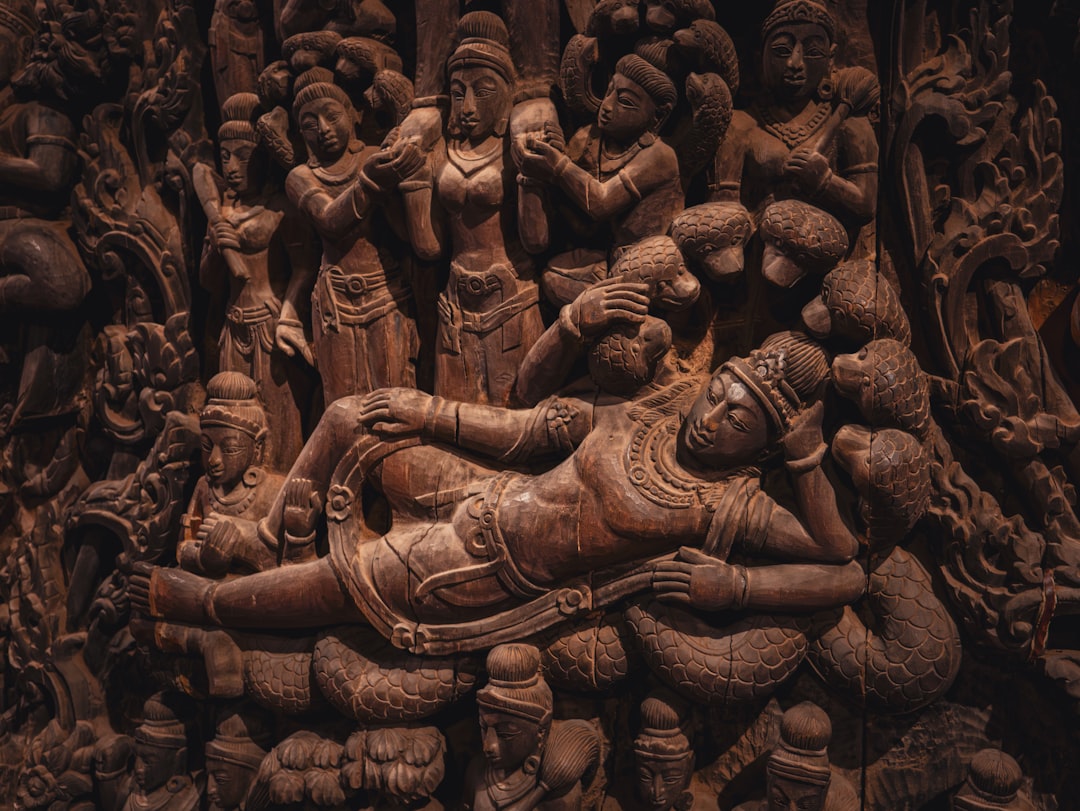
The Spiritual Meaning Behind Ekadashi Fasting
The real significance of fasting goes beyond deciding which ingredient belongs on an Ekadashi food list.
Food restriction is a means of developing awareness and discipline.
When the body demands a familiar meal and we consciously choose restraint, we get an opportunity to observe our desires instead of immediately obeying them.
That awareness can gradually extend beyond food.
Can we also fast from anger?
Can we fast from unnecessary criticism?
Can we reduce distractions?
Can we spend more time in remembrance, prayer and self-observation?
Seen this way, Ekadashi is not merely a change in diet. It becomes an opportunity to simplify the outer life so that greater attention can be given to the inner life.
A proper Ekadashi vrat food list does not need to be complicated. For many devotees, fruits, milk, nuts, potatoes, sweet potatoes, sabudana and selected vrat ingredients form the foundation of their meals, while regular grains, wheat, rice, pulses and beans are avoided.
At the same time, Ekadashi practices differ across regions, families and spiritual traditions. Instead of becoming anxious about every ingredient, understand the rules of the tradition you follow and remember the deeper purpose of the fast.
Ekadashi is not only about changing what is on your plate, it is an opportunity to change where your attention goes.
Personal Session
Every person's challenges, questions and inner journey are different. A Personal Session gives you an opportunity to seek focused guidance for the situations you are facing and gain greater clarity about your spiritual and personal journey. Book a Personal Session and take the next step toward clarity, awareness and conscious living.
Book NowRead Latest Articles