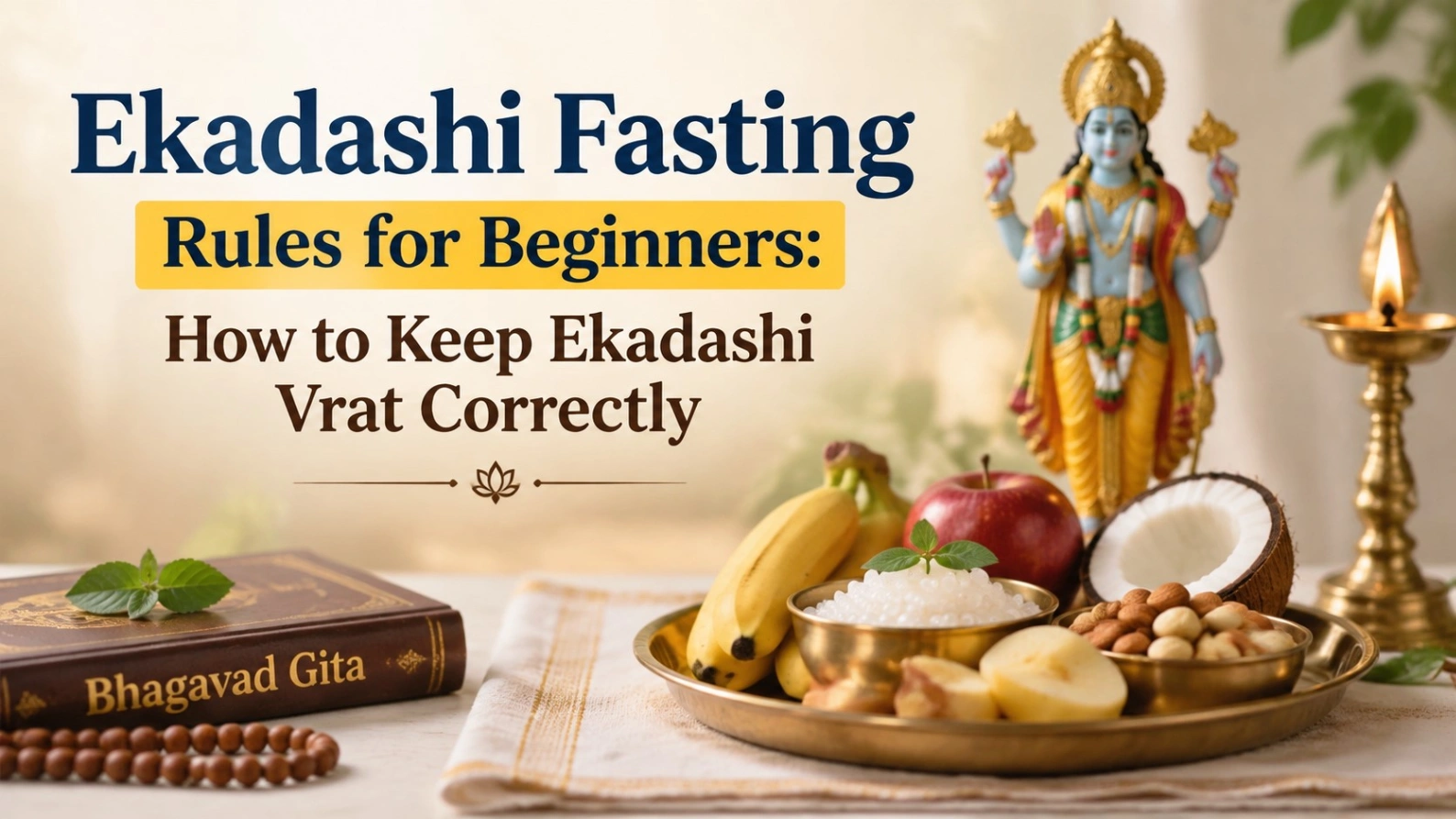
Ekadashi fasting is one of the most spiritually significant fasting traditions in Hinduism. Observed twice every month during the Shukla Paksha and Krishna Paksha, Ekadashi vrat is dedicated to Lord Vishnu and is considered a practice for purification of the body, mind, and soul.
For beginners, following an Ekadashi fast may seem confusing because there are many questions about the correct Ekadashi fasting rules, what foods are allowed, what should be avoided, how to perform the vrat, and how to properly complete the fast.
Understanding the right Ekadashi vrat rules helps devotees observe the fast with devotion, discipline, and awareness. The purpose of Ekadashi is not only food restriction but also controlling desires, calming the mind, and focusing on spiritual growth.
This complete Ekadashi fasting guide for beginners explains everything you need to know about how to keep Ekadashi vrat correctly, including preparation, fasting methods, food rules, puja vidhi, and important dos and don’ts.
What Is Ekadashi Vrat?
Ekadashi is the eleventh day (11th Tithi) of every lunar fortnight in the Hindu calendar. There are two Ekadashis every month:
Shukla Paksha Ekadashi (waxing moon phase)
Krishna Paksha Ekadashi (waning moon phase)
Devotees observe Ekadashi vrat to seek the blessings of Lord Vishnu, strengthen self-control, and develop spiritual discipline.
According to Hindu traditions, fasting on Ekadashi helps cleanse negative thoughts, reduce attachment to material desires, and create a deeper connection with the divine.
Design Your Destiny
Discover the power of conscious living and transform your inner journey with Design Your Destiny. Learn timeless spiritual wisdom, develop self-awareness, and create a life aligned with your true purpose. Start your journey towards clarity, balance, and meaningful transformation today.
Start Your Journey Today!Ekadashi Fasting Rules for Beginners
If you are observing Ekadashi vrat for the first time, following simple and disciplined practices can make your fasting experience meaningful.
1. Prepare Yourself Before Ekadashi
Preparation begins one day before the fast. On Dashami (the tenth lunar day), devotees usually consume a simple vegetarian meal and avoid heavy, spicy, or tamasic foods.
Before starting Ekadashi vrat:
Keep your mind peaceful and positive
Avoid anger, negative thoughts, and distractions
Wake up early on Ekadashi morning
Take a bath and wear clean clothes
Begin the fast with devotion towards Lord Vishnu
The intention behind the vrat is as important as the fasting itself.
How to Keep Ekadashi Vrat Correctly?
The method of observing Ekadashi varies depending on personal health, tradition, and spiritual practice.
Common types of Ekadashi fasting include:
Nirjala Ekadashi
In this strict form, devotees avoid both food and water throughout the fast. It is considered one of the most challenging forms of fasting.
Jalahar Ekadashi
Devotees consume only water during the fast.
Phalahar Ekadashi
This is commonly followed by beginners, where fruits, milk, and permitted fasting foods are consumed.
Partial Fast
People who cannot follow complete fasting due to health reasons may follow a lighter vrat with simple sattvic foods.
Beginners should choose a fasting method according to their physical ability and comfort.
Ekadashi Vrat Vidhi (Step-by-Step Procedure)
Following the proper Ekadashi vrat vidhi helps devotees maintain the spiritual essence of the fast.
Morning Rituals
Wake up early and take a bath
Clean the place of worship
Offer prayers to Lord Vishnu
Light a diya and incense
Offer flowers, fruits, and Tulsi leaves
Chant Vishnu mantras
During the Day
Devotees can spend time in:
Meditation
Reading Bhagavad Gita
Listening to Vishnu stories
Chanting Vishnu Sahasranama
Performing devotional activities
The focus should be on controlling the mind and increasing awareness.
Evening Prayer
Many devotees perform evening prayers and offer their gratitude to Lord Vishnu before continuing the fast.
Aja Ekadashi 2026: Date, Time, Parana, Katha & Puja Vidhi
What to Eat During Ekadashi Fast?
One of the most searched questions about Ekadashi is “what to eat during Ekadashi fast?”
During Ekadashi vrat, devotees generally consume sattvic foods that support spiritual discipline.
Foods commonly allowed during Ekadashi include:
Fruits
Banana
Apple
Mango
Papaya
Coconut
Seasonal fruits
Dairy Products
Milk
Curd
Buttermilk
Paneer
Fasting Foods
Sabudana
Singhara flour
Rajgira flour
Kuttu flour
Sweet potato
Potato
Nuts and Dry Fruits
Almonds
Cashews
Walnuts
Raisins
Food rules may differ according to family traditions and regional practices.
What Not to Eat on Ekadashi?
Understanding what to avoid is an important part of Ekadashi fasting rules.
Commonly avoided foods include:
Rice
Wheat and grains
Pulses
Onion and garlic
Non-vegetarian food
Alcohol and intoxicating substances
Processed and unhealthy foods
Many devotees avoid grains because Ekadashi is traditionally considered a day dedicated to spiritual purification and restraint.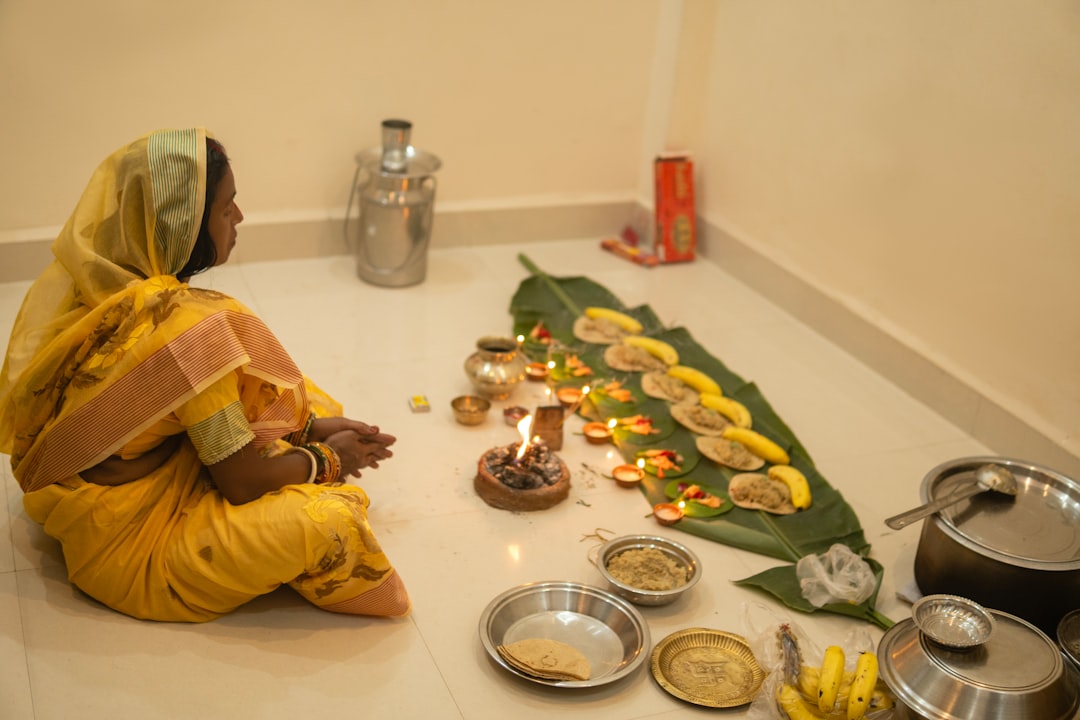
Ekadashi Fast Dos and Don’ts
Dos During Ekadashi Fast
Maintain a peaceful mindset
Chant Lord Vishnu’s name
Read spiritual texts
Practice meditation
Follow cleanliness and discipline
Donate food or perform charitable acts
Don’ts During Ekadashi Fast
Avoid anger and arguments
Avoid excessive entertainment
Avoid negative thoughts
Do not overeat permitted foods
Avoid harmful habits
The purpose of Ekadashi is inner purification along with physical fasting.
Parsva Ekadashi: Date, Vrat Katha, Puja Vidhi & Significance
How to Break Ekadashi Fast (Parana Rules)
Breaking the fast correctly is called Parana.
After completing Ekadashi vrat, devotees break the fast on Dwadashi Tithi according to the prescribed time.
General Parana practices include:
Wake up and perform prayers
Offer gratitude to Lord Vishnu
Consume light and sattvic food
Avoid immediately eating heavy meals
The correct Parana time differs for each Ekadashi and should be followed according to the local Panchang.
Living The Gita Movement
The Bhagavad Gita is not merely something to be read or listened to. It is the art of awakening within oneself and experiencing the truth of life. The vision of the Living the Gita Movement is to bring the wisdom of the Gita out of books and transform it into a lived experience.
Join NowBenefits of Ekadashi Fasting
Observing Ekadashi vrat with devotion is believed to provide several spiritual benefits:
Mental Peace
Fasting helps reduce distractions and improves concentration.
Self-Control
The practice teaches discipline over physical desires.
Spiritual Growth
Devotees use Ekadashi to strengthen their connection with Lord Vishnu.
Positive Energy
Prayer, meditation, and fasting create a sense of inner balance.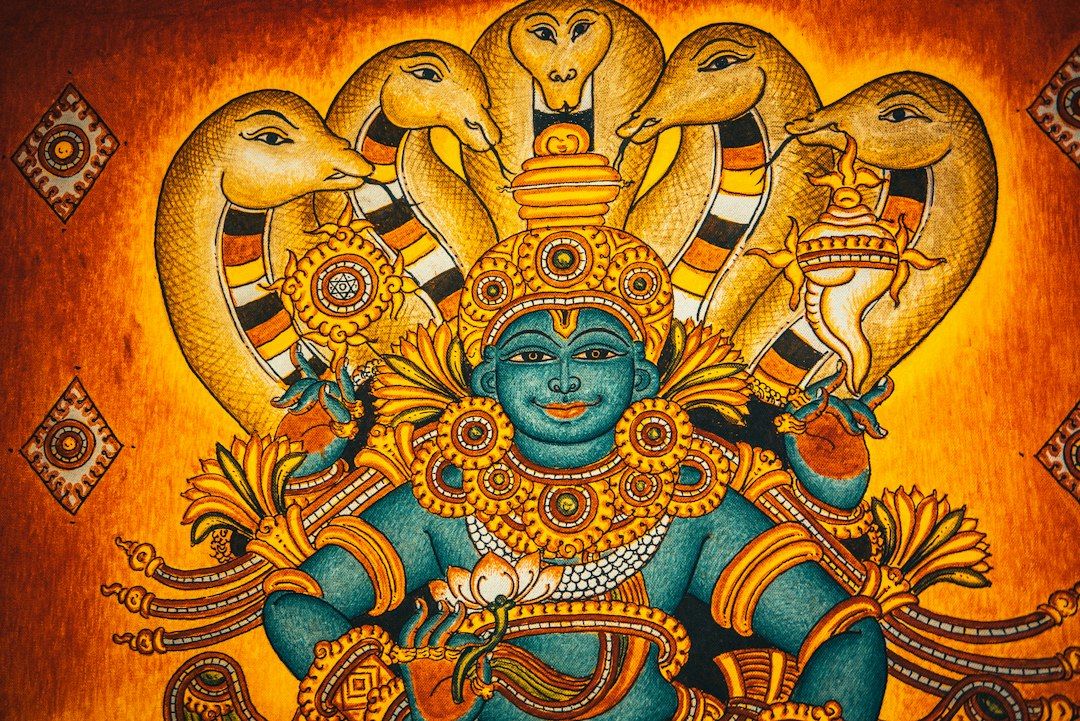
Common Mistakes Beginners Make During Ekadashi Fast
Beginners often focus only on food restrictions and forget the spiritual purpose of Ekadashi.
Some common mistakes include:
Treating fasting as only a diet practice
Eating excessive fasting foods
Ignoring mental discipline
Not preparing before the vrat
Breaking the fast incorrectly
A successful Ekadashi vrat requires balance between physical discipline and spiritual awareness.
Personal Session
Feeling stuck, confused, or searching for deeper clarity in life? Book a personal session and receive personalized guidance to understand your inner journey, overcome challenges, and move towards a more conscious and fulfilling life. Begin your transformation with expert spiritual guidance today.
Book NowRead Latest Articles