Devutthana Ekadashi, also known as Dev Uthani Ekadashi, Prabodhini Ekadashi, and Devautthana Ekadashi, is an auspicious Hindu festival dedicated to Lord Vishnu. Observed on the Ekadashi tithi of the Shukla Paksha in the Hindu month of Kartik, this sacred day marks the traditional awakening of Lord Vishnu after his symbolic period of cosmic rest.
Devotees observe a fast, worship Lord Vishnu, offer prayers, light diyas, and participate in devotional activities to seek divine blessings, peace, prosperity, and spiritual growth. In many Hindu traditions, this day also marks the beginning of the auspicious marriage season. Tulsi Vivah, the ceremonial marriage of Goddess Tulsi and Lord Vishnu in his Shaligram form, is performed on this day or around this period, depending on local customs.
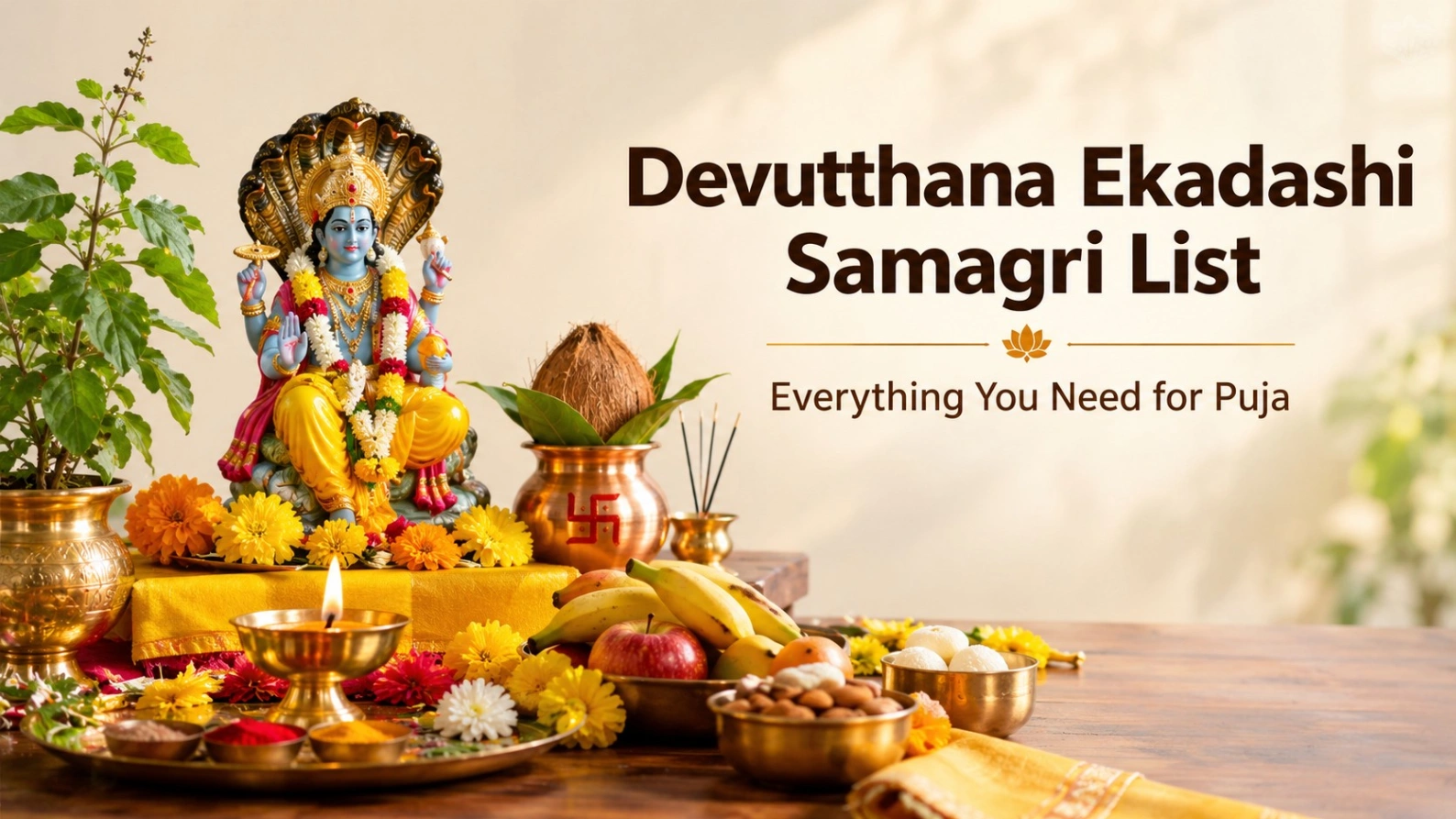
If you are preparing for the festival, having the correct Devutthana Ekadashi Samagri List will help you organise your puja without last-minute confusion. Here is a detailed checklist of essential puja items, their uses, the traditional puja vidhi, and important fasting tips.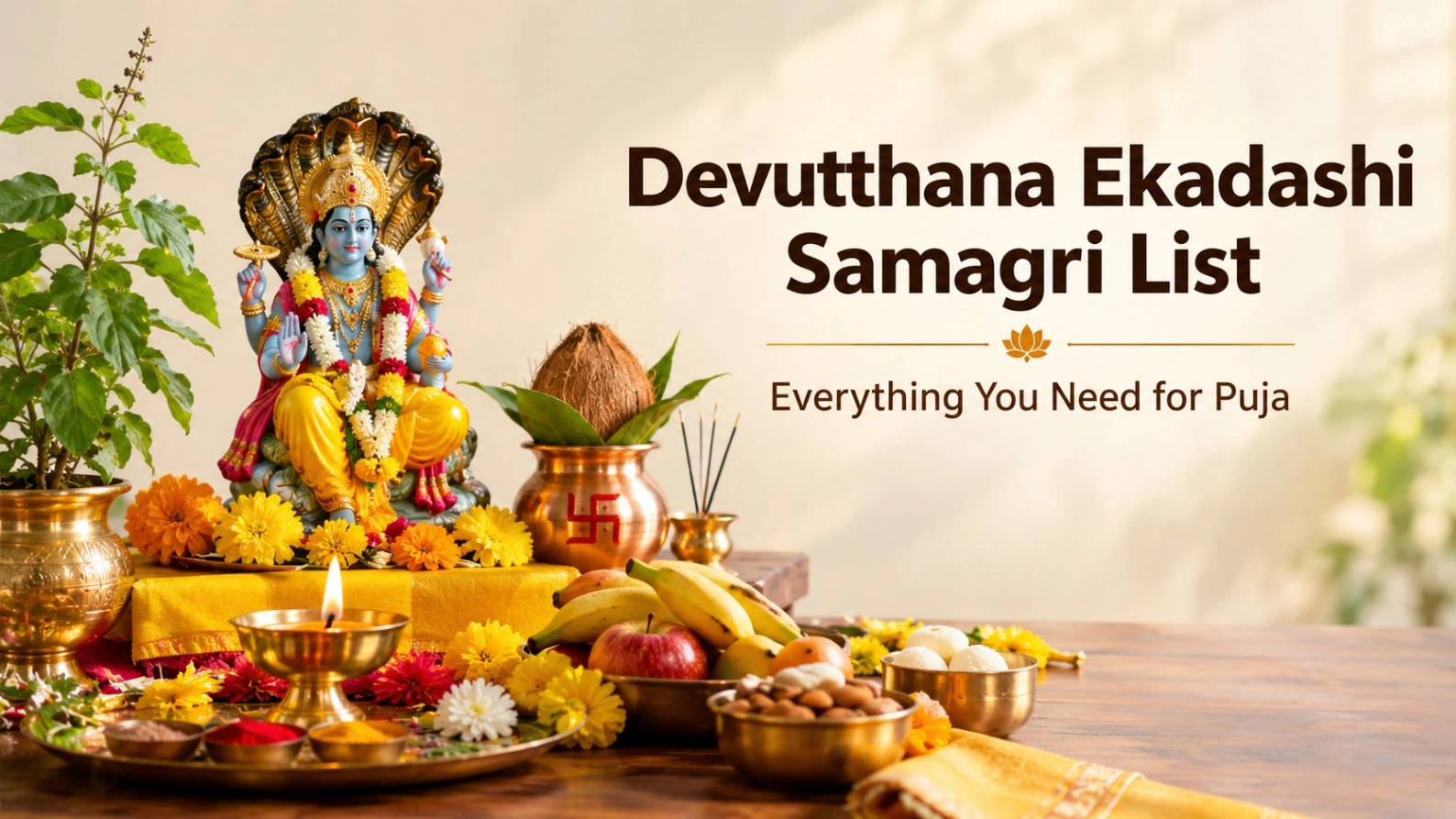
What Is Devutthana Ekadashi?
Devutthana Ekadashi is one of the significant Ekadashi observances dedicated to Lord Vishnu. The word Devutthana means the awakening of the divine, while Ekadashi refers to the eleventh lunar day of a fortnight.
According to Hindu religious tradition, Lord Vishnu enters a period of cosmic rest during Devshayani Ekadashi and awakens on Devutthana Ekadashi. This observance symbolises the return of auspiciousness and the renewal of spiritual energy.
Devotees mark the occasion through Vishnu puja, fasting, mantra chanting, charity, and devotional practices. Many households also prepare for Tulsi Vivah, although its date and associated rituals can vary by regional tradition and calendar.
Complete Devutthana Ekadashi Samagri List
Before beginning the puja, collect the following items. The exact requirements may vary depending on family customs, the form of worship, and whether you are also performing Tulsi Vivah.
Design Your Destiny
Spiritual traditions remind us that meaningful living begins with awareness, intention, and the choices we make every day. Just as a festival invites us to pause and reconnect with the divine, everyday life offers opportunities to understand ourselves more deeply.
Start Your Journey Today!1. Essential Items for Lord Vishnu Puja
These items form the foundation of a traditional puja:
Lord Vishnu idol or picture: Place an image or idol of Lord Vishnu in a clean worship area.
Chowki or puja platform: Use a clean platform to arrange the deity and offerings.
Yellow cloth: Traditionally associated with Lord Vishnu, yellow cloth can be placed on the chowki.
Fresh flowers: Yellow flowers, marigolds, or other fresh flowers may be offered.
Tulsi leaves: Sacred to Lord Vishnu and commonly included in his worship.
Chandan or sandalwood paste: Used for applying a tilak or making traditional offerings.
Kumkum and haldi: Used according to household puja customs.
Akshat: Unbroken rice grains, sometimes prepared with turmeric for ritual use.
Incense sticks and dhoop: Used during the worship.
Diya: A traditional oil or ghee lamp.
Cotton wicks and ghee or oil: Required for lighting the diya.
Bell: Used during the aarti in many households.
Camphor: Commonly used for aarti where appropriate.
2. Kalash and Water-Offering Items
A kalash may be included in the puja according to family tradition. Keep these items ready:
A clean kalash or water vessel
Clean water
Mango leaves, if used in your tradition
Coconut, if required for the kalash arrangement
A small plate for ritual offerings
A spoon or small vessel for offering water
Use clean vessels and arrange the items before starting the puja. Not every household requires the same kalash arrangement, so follow your family's established practice.
3. Bhog and Prasad Samagri
Food offerings are an important part of devotional worship. Commonly prepared or offered items include:
Fresh fruits such as bananas, apples, and seasonal fruit
Dry fruits and nuts
Mishri or sugar candy
Milk
Curd, if included in your household's offering tradition
Homemade sweets
Panchamrit ingredients, if used
Water for the deity's offering
Panchamrit is traditionally prepared using ingredients such as milk, curd, ghee, honey, and sugar. Some devotees prepare it for the puja and distribute it as prasad.
Important: Tulsi leaves are commonly offered to Lord Vishnu. Use fresh leaves respectfully and follow your family's customary practice. Avoid assuming that every ingredient or food preparation is mandatory.
4. Items for Ekadashi Vrat
If you are observing a fast, plan your vrat essentials in advance. Depending on your chosen fasting tradition, these may include:
Drinking water
Fresh fruits
Milk or other permitted dairy products
Nuts and dry fruits
Vrat-friendly ingredients such as sabudana or kuttu flour, if allowed by your tradition
A clean plate and utensils for preparing vrat food
Ekadashi fasting practices differ. Some devotees observe a water only fast, some avoid grains and certain foods, and others follow a fruit-based or modified fast. Choose a practice appropriate to your health and established religious tradition.
5. Tulsi Vivah Samagri List
If you are performing Tulsi Vivah alongside Devutthana Ekadashi, additional items may be needed:
Tulsi plant in a clean pot or designated worship area
Shaligram stone or a representation of Lord Vishnu, according to tradition
Clean cloth or decorative fabric
Fresh flowers and garlands
Haldi, kumkum, chandan, and akshat
Diya, cotton wicks, and ghee or oil
Fruits, sweets, and other customary offerings
Sugarcane or seasonal decorations, if used locally
A small cloth or symbolic wedding accessories, according to family custom
Tulsi Vivah rituals vary across regions. Some families perform an elaborate ceremonial wedding, while others offer prayers and a simple aarti. Confirm the specific items required by your family tradition or local priest.
Kali Chaudas vs Naraka Chaturdashi : Are They the Same ?
Devutthana Ekadashi Puja Vidhi: Step-by-Step Guide
Once your samagri is ready, follow these general steps for the puja. Adapt the procedure to your family's tradition and the guidance of your priest.
Step 1: Clean the Puja Area
Clean the worship space and arrange the puja platform. Place the idol or picture of Lord Vishnu in a respectful position. Arrange the flowers, diya, incense, water, and offerings nearby.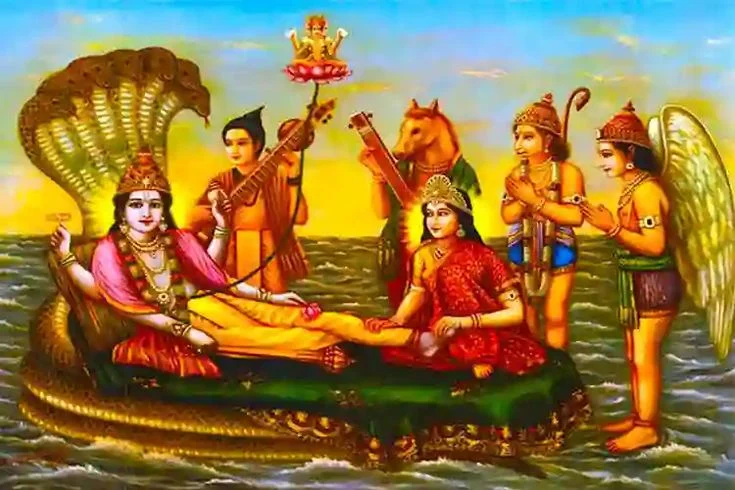
Step 2: Take a Bath and Make a Sankalp
Wake up according to your household's practice, bathe, and wear clean clothes. Sit calmly before the deity and make a sincere sankalp, or intention, to observe the Ekadashi vrat and worship Lord Vishnu.
You may pray for wisdom, peace, devotion, and the well-being of your family.
Step 3: Begin the Worship
Light the diya and incense. Offer water, flowers, chandan, akshat, and other customary items to Lord Vishnu. Offer Tulsi leaves according to your tradition.
Chant a Vishnu mantra, recite a prayer, or listen to devotional readings with a focused mind.
Step 4: Offer Bhog
Place fruits, sweets, or other permitted offerings before the deity. If you prepare Panchamrit, offer it as part of your household's ritual practice. Food offerings should be prepared hygienically and according to the rules you follow for Ekadashi.
Step 5: Observe the Vrat
Continue the fast according to your chosen practice. Devotees may spend time in prayer, mantra chanting, reading sacred texts, or participating in bhajans. Avoid treating fasting as a competition; health and individual circumstances matter.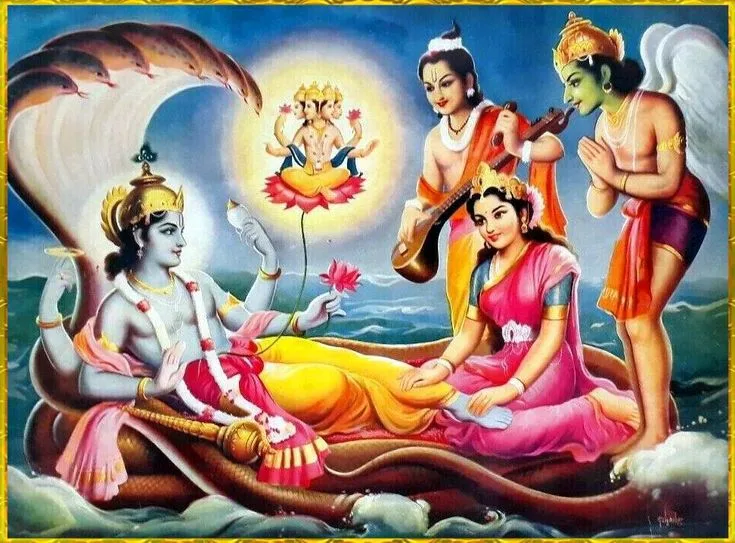
Step 6: Perform Aarti
Perform Lord Vishnu's aarti with a diya or camphor, as customary. Pray with devotion and conclude the main worship respectfully.
Step 7: Perform Tulsi Vivah, If Observed
If your family celebrates Tulsi Vivah on this occasion, perform the customary ceremony using the samagri prepared for it. Follow your local panchang and family tradition for the appropriate timing and procedure.
Step 8: Complete the Vrat According to Tradition
Parana is the ritual of ending an Ekadashi fast. It is generally observed on Dwadashi, following the prescribed timing. Check a reliable local panchang for the correct parana time rather than assuming that the fast should end immediately after midnight.
Why Is Kheer Kept Under Moonlight on Sharad Purnima
Why Is Devutthana Ekadashi Celebrated?
Devutthana Ekadashi carries religious and spiritual significance for devotees of Lord Vishnu.
1. The awakening of Lord Vishnu: The observance represents the traditional awakening of Lord Vishnu and the return of auspicious activities.
2. A day for devotion: Fasting, prayer, and mantra chanting encourage discipline and a deeper connection with the divine.
3. The beginning of an auspicious period: In many Hindu communities, Devutthana Ekadashi marks the resumption of weddings and other auspicious ceremonies after the Chaturmas period.
4. The tradition of Tulsi Vivah: The symbolic marriage of Tulsi and Lord Vishnu celebrates devotion and the sacred place of Tulsi in Hindu worship.
5. An opportunity for self-reflection: Beyond the rituals, the day can encourage devotees to practise gratitude, simplicity, compassion, and mindful living.
Important Tips for Devutthana Ekadashi Puja
Check the local panchang: Ekadashi tithi and puja or parana timings may vary by location.
Prepare the samagri in advance: Keep all essential items together to make the puja more peaceful.
Follow your family tradition: Not every household performs identical rituals or requires every item on the list.
Keep the puja area clean: Arrange fresh flowers and clean vessels before worship.
Observe fasting safely: If you have a medical condition, take medication, are pregnant, or have other dietary needs, consult a qualified healthcare professional before fasting.
Focus on devotion rather than expense: Simple worship performed sincerely can be meaningful; elaborate decorations and costly offerings are not essential for everyone.
Plan parana carefully: Use a trusted local panchang for the Dwadashi fast-breaking window.
ConclusionDevutthana Ekadashi is a meaningful occasion to worship Lord Vishnu, practise self-discipline, and deepen your spiritual connection. Preparing your Devutthana Ekadashi Samagri List ahead of time helps you perform the puja calmly and focus on its devotional purpose.
Keep the essential items ready, follow your local panchang for the correct timings, and observe fasting according to your health and tradition. Whether you perform a simple Vishnu puja or also celebrate Tulsi Vivah, let the day inspire gratitude, faith, and thoughtful living.
Personal Session
Sometimes, finding clarity requires time, reflection, and guidance. If you are looking for a deeper understanding of your life's direction, personal challenges, or spiritual journey, consider booking a personal session. Use the opportunity to reflect on your questions, explore your goals, and identify practical steps towards a more conscious and balanced life.
Book Now
Read Latest Articles
What Is My Purpose in Life?How to Discover Your True Calling
Bhai Dooj Date: Tilak Muhurat, Puja Time & Complete Vidhi
Frequently Asked Questions
Q.What is the samagri list for Devutthana Ekadashi puja?
The essential Devutthana Ekadashi puja samagri includes a Lord Vishnu idol or picture, yellow cloth, flowers, Tulsi leaves, chandan, kumkum, haldi, akshat, diya, cotton wicks, ghee, incense sticks, fruits, sweets, and water. Optional items include Panchamrit ingredients and kalash materials. Additional samagri may be needed for Tulsi Vivah, depending on family tradition.Q.What items are required for Devutthana Ekadashi puja?
The commonly used items include a picture or idol of Lord Vishnu, yellow cloth, flowers, Tulsi leaves, chandan, kumkum, haldi, akshat, diya, cotton wicks, ghee or oil, incense, fruits, sweets, and water. Additional items may be required for kalash worship or Tulsi Vivah, depending on your family's traditions.Q.Can we offer Tulsi leaves to Lord Vishnu on Devutthana Ekadashi?
Yes. Tulsi leaves are traditionally considered sacred to Lord Vishnu and are commonly offered during his worship. Follow your family's customary practices for collecting and offering the leaves.Q.What should we eat during Devutthana Ekadashi vrat?
Fasting rules differ by tradition. Some devotees consume fruits, milk, and nuts, while others observe a stricter fast. Those following a food-based vrat may avoid grains and other restricted ingredients. Choose a practice suitable for your health and religious tradition.Q. Is Tulsi Vivah performed on Devutthana Ekadashi?
Tulsi Vivah is commonly associated with Devutthana Ekadashi, but some traditions observe it on a nearby date, including Dwadashi. Follow the local panchang and your family's customs.Q.When should Devutthana Ekadashi vrat be broken?
The fast is generally broken on Dwadashi during the prescribed parana period. Since the exact timing depends on the local calendar and observance rules, check a reliable panchang for your location.Q.Is it necessary to buy every item on the Devutthana Ekadashi samagri list?
No. The list is a preparation guide rather than a universal requirement. You can perform a simple puja using the items prescribed by your family tradition and focus on sincere devotion rather than purchasing every optional decoration or offering.