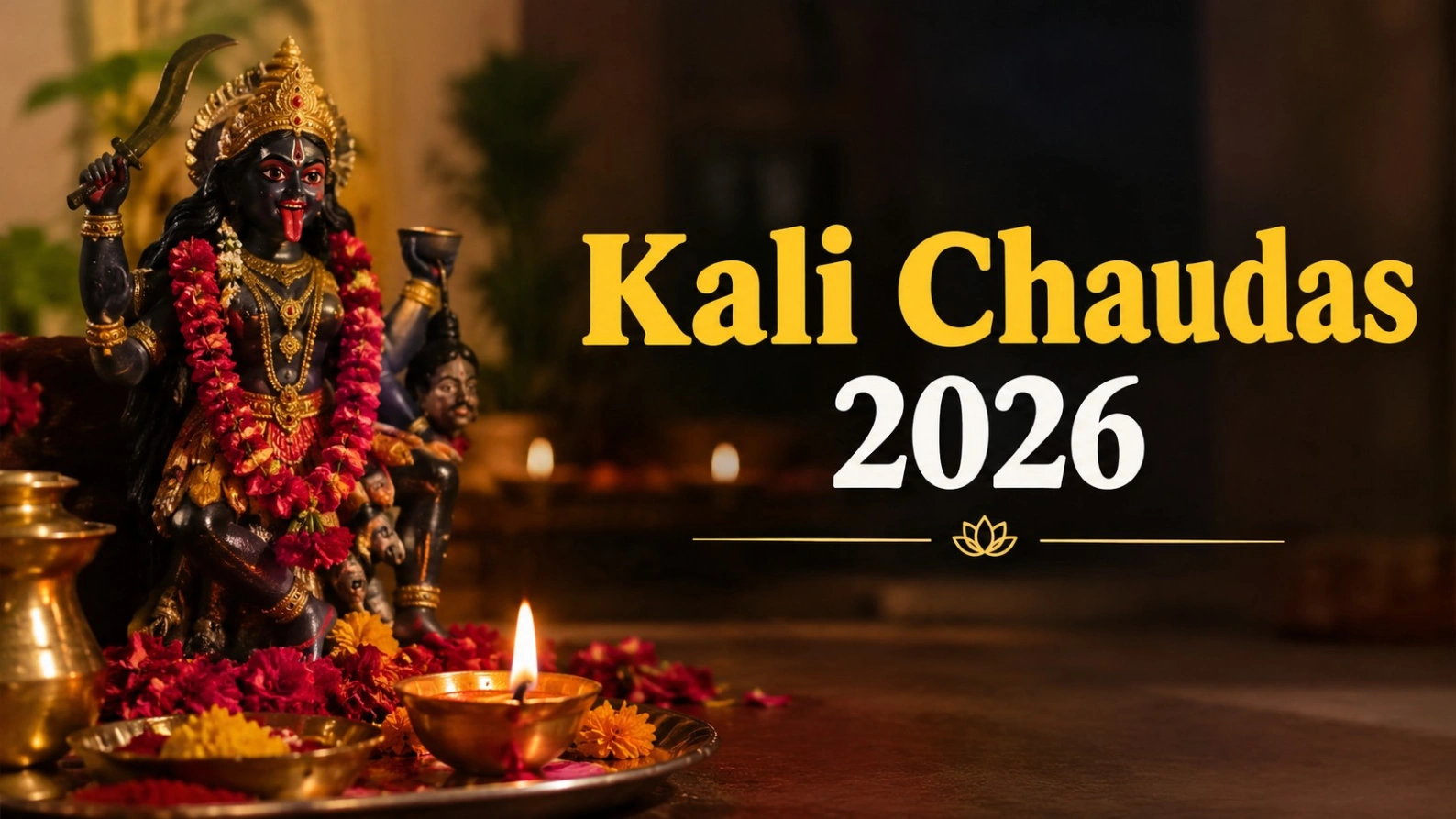
Kali Chaudas is an important Hindu festival observed before Diwali, particularly in Gujarat and parts of western India. The festival is associated with Goddess Kali, spiritual protection, the removal of negativity, and the victory of divine power over harmful forces. Devotees observe traditional puja rituals, light lamps, recite prayers, and prepare their homes for the Diwali celebrations.
If you are searching for Kali Chaudas 2026 date, puja muhurat, rituals, vrat katha, and spiritual significance, this guide covers the essential details, including how to perform Kali Chaudas puja at home and which traditional practices are associated with the occasion.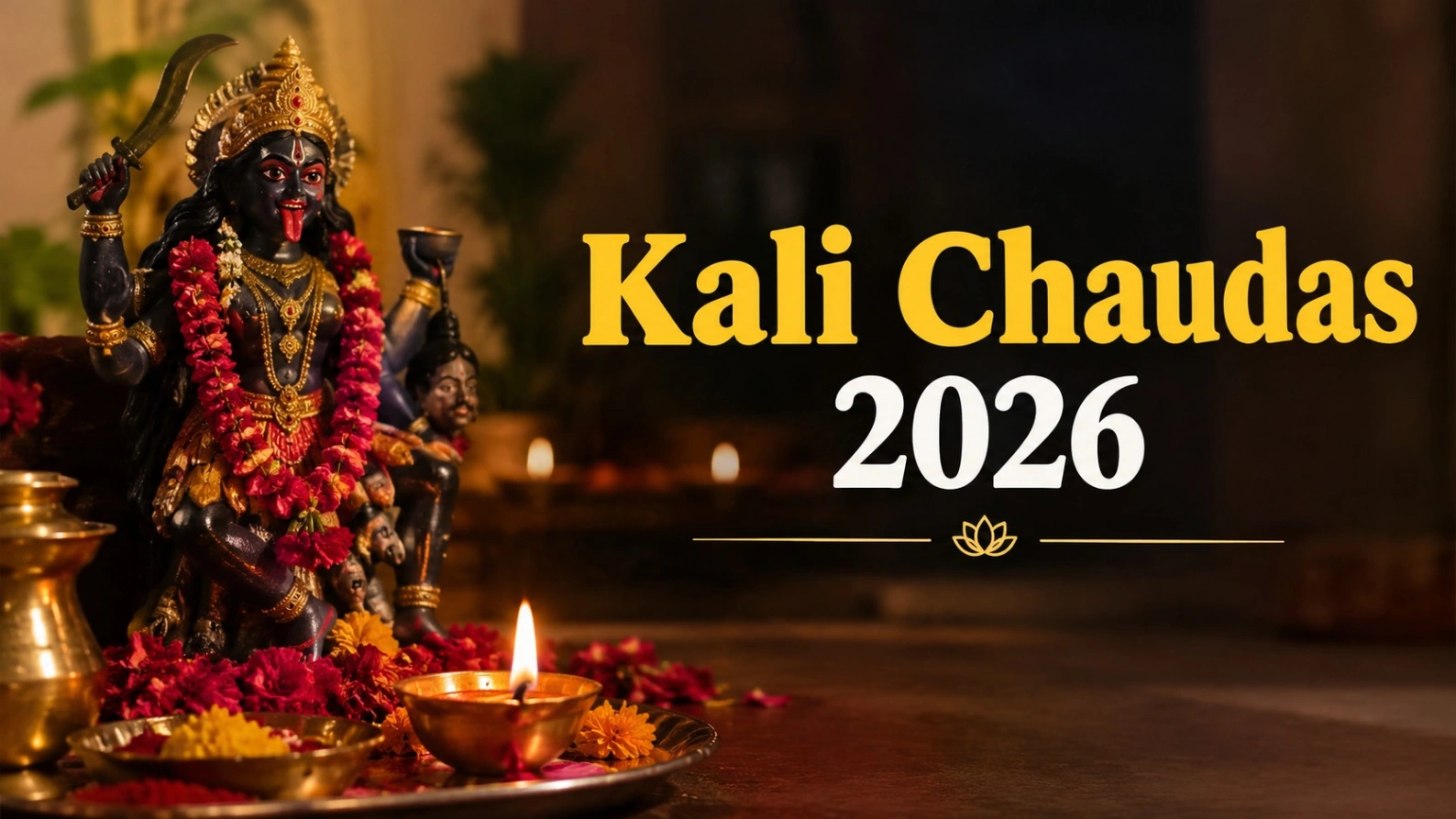
Kali Chaudas 2026: Date and Puja Muhurat
Kali Chaudas in 2026 falls on Saturday, November 7, according to the Gujarati festival calendar. It is observed during the Chaturdashi tithi of Krishna Paksha in the Hindu month of Kartik and is traditionally associated with the night before Diwali.
The Chaturdashi tithi is expected to begin at approximately 10:48 AM on November 7 and end at approximately 11:28 AM on November 8, according to the Prokerala panchang for Ujjain. Actual timings can differ by location and calendar tradition.
Festival: Kali Chaudas 2026
Date: Saturday, November 7, 2026
Tithi: Krishna Paksha Chaturdashi
Main observance: Worship of Goddess Kali and traditional protective rituals
Puja timing: Follow the locally calculated muhurat and your family's tradition.
The Nishita puja window listed for Ujjain is approximately 11:44 PM on November 7 to 12:36 AM on November 8. This is a location-specific reference, not a universal muhurat.
Kali Chaudas and Naraka Chaturdashi are closely related but are not observed identically everywhere. Some calendars associate Kali Chaudas with November 7, while Naraka Chaturdashi or Roop Chaudas observances may fall on November 8 in 2026. Check a reliable local panchang before finalising your puja schedule.
What Is Kali Chaudas? Understanding Its Significance
Kali Chaudas is also known in some traditions as Narak Chaturdashi, Bhoot Chaturdashi, or Roop Chaudas, although these names can refer to distinct regional observances.
The word Kali is associated with Goddess Kali, a powerful form of the Divine Mother who represents strength, the destruction of evil, and transformation. Chaudas refers to the fourteenth lunar day.
The festival is traditionally connected with overcoming fear, removing harmful influences, and preparing spiritually for Diwali. In Gujarat, devotees may worship Mahakali and Hanuman and follow family customs believed to promote protection and well-being.
Its spiritual message extends beyond external rituals. Kali Chaudas can be understood as an opportunity to confront anger, greed, fear, ego, and other habits that prevent inner growth.
Design Your Destiny
Discover Your Inner Potential with Design Your Destiny Festivals can be meaningful opportunities to reflect on your goals, habits, and the direction of your life. If you want to bring greater clarity and purpose into your journey, explore Design Your Destiny. Discover how self-awareness, mindful living, and intentional action can help you move towards a more fulfilling life.
Start Your Journey TodayKali Chaudas Story and Significance
There are different stories and regional traditions associated with Kali Chaudas. One important theme is the victory of divine power over destructive forces.
The story of Goddess Kali and the destruction of evil
According to a well-known Hindu mythological tradition, the demon Raktabija possessed a remarkable power: every drop of his blood that fell to the ground could produce another demon like him. This made him extremely difficult to defeat.
Goddess Durga manifested a fierce form, Goddess Kali, to overcome this threat. Kali spread her tongue to prevent Raktabija's blood from falling onto the ground and defeated him, ending the multiplication of the demon's power.
This story is associated with the triumph of divine strength over seemingly unstoppable evil. Although this narrative is not the only traditional explanation for Kali Chaudas, it offers a meaningful way to understand the festival's association with Goddess Kali.
The story of Narakasura
Another story connected with the wider Chaturdashi celebrations concerns Narakasura, a powerful demon who caused suffering and imprisoned many people.
According to the Krishna tradition, Lord Krishna defeated Narakasura and liberated those held captive. This victory is remembered through Naraka Chaturdashi celebrations in many parts of India.
These stories share a common theme: evil and oppression can be overcome, and the restoration of righteousness brings hope.
Kali Chaudas Puja Vidhi: How to Perform Puja at Home
Kali Chaudas puja can be performed at home according to regional customs, family traditions, and personal devotion. The following is a simple general guide rather than a replacement for a specific ritual tradition.
Step 1: Clean your home and puja area
Clean the area where you plan to pray. Arrange the puja space respectfully and keep all offerings ready beforehand. Many families clean their homes as part of the wider Diwali preparations.
Step 2: Take a bath and wear clean clothes
Begin your observance with personal cleanliness. Some regional traditions include special bathing practices, oil application, or other purification customs. Follow the instructions of your family tradition rather than assuming every ritual is compulsory.
Step 3: Prepare the puja altar
Place an image or idol of Goddess Kali or Mahakali in the designated worship area. If your family tradition includes Hanuman worship on Kali Chaudas, you may arrange a separate image for him.
Step 4: Light a diya
Light an oil or ghee lamp safely. Offer flowers, incense, and other customary offerings while maintaining a peaceful atmosphere.
Step 5: Offer prayers and recite a mantra
Pray with sincerity and focus. You may recite a traditional prayer to Goddess Kali, read a relevant devotional text, or repeat a simple mantra such as:
Om Kali Mahakali Namah.
This is a simple devotional invocation; mantra wording and ritual requirements can vary by tradition. If you follow a specific mantra practice, use the version taught by your spiritual teacher or family tradition.
Step 6: Offer bhog and perform aarti
Offer suitable fruits, sweets, or other customary bhog. Perform aarti if it is part of your practice and conclude with a prayer for wisdom, courage, and the well-being of your family.
Step 7: Reflect on the festival's inner meaning
Take a few quiet moments to reflect on habits or fears you wish to overcome. You can use the occasion to renew your commitment to kindness, self-discipline, and spiritual awareness.
Kali Chaudas Puja Samagri List
If you are preparing for Kali Chaudas puja at home, the following items may be useful.
Image or idol of Goddess Kali or Mahakali
Clean cloth for the puja altar
Diya and cotton wicks
Ghee or suitable lamp oil
Flowers and flower petals
Incense sticks
Kumkum, sandalwood paste, or other customary offerings
Fresh fruits and sweets for bhog
A small vessel of clean water
Aarti plate
Prasad bowls
A devotional book or printed prayer, if desired
The exact Kali Chaudas puja samagri list depends on the regional tradition and the type of worship being performed. You do not need to purchase every item on this list; prepare only what is appropriate for your practice.
Kali Chaudas Mantra and Puja Procedure
Mantras are an important part of Hindu devotional practice. On Kali Chaudas, some devotees pray to Goddess Kali for courage, protection, and the strength to overcome destructive tendencies.
A simple invocation you may use is:
Om Kali Mahakali Namah.
You may repeat it quietly during prayer, according to your personal practice. You can also offer a heartfelt prayer in your own language.
If your tradition prescribes a specific Kali mantra, tantric ritual, or initiation-based practice, consult a knowledgeable teacher rather than experimenting with advanced rituals independently.
The central purpose of ordinary home worship is devotion, reflection, and reverence—not fear or the expectation of guaranteed supernatural results.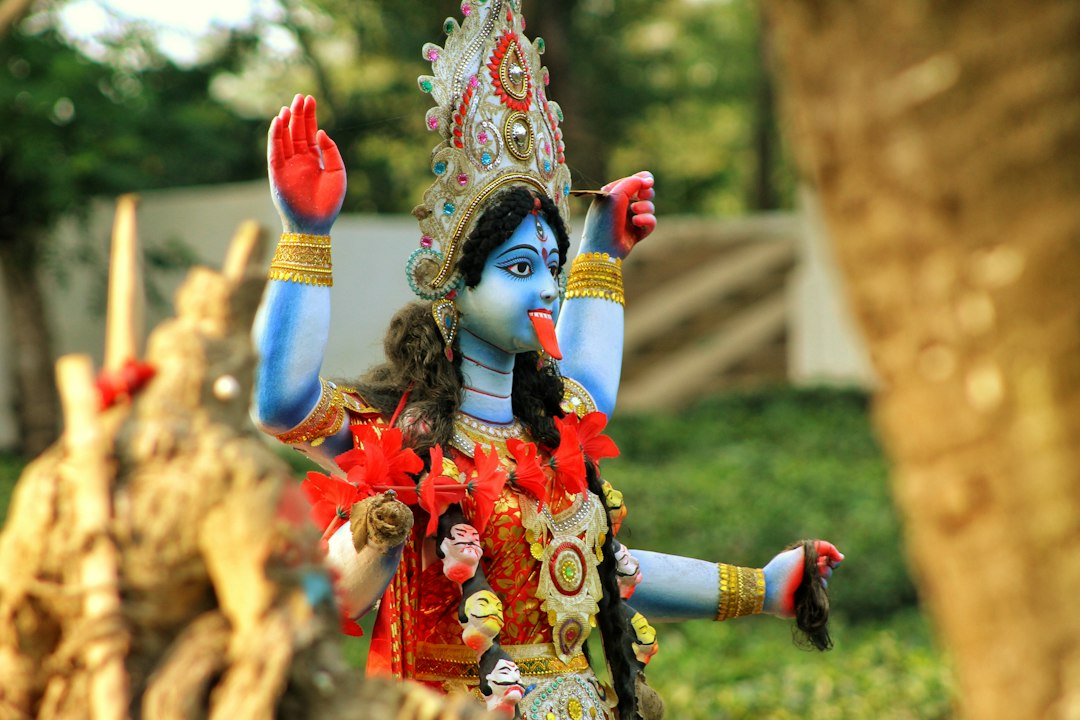
Kali Chaudas Rituals and Traditions
Kali Chaudas rituals vary between communities, but several themes commonly appear in traditional observances.
1. Worship of Goddess Kali
Devotees honour Goddess Kali as a symbol of courage, transformation, and the destruction of evil. Prayer may include flowers, lamps, devotional recitation, and aarti.
2. Lighting lamps
Lamps are associated with light overcoming darkness. Lighting a diya can serve as a reminder to bring clarity, hope, and awareness into daily life.
3. Hanuman worship
In some Gujarati traditions, Hanuman is also worshipped on Kali Chaudas. Devotees may recite the Hanuman Chalisa or offer prayers according to their family customs.
4. Traditional purification practices
Some communities observe special baths or other purification rituals around Chaturdashi. Their timing and significance vary, so follow a reliable local panchang and established family practice.
5. Preparing for Diwali
Kali Chaudas falls within the wider Diwali festival period. Families may use the occasion to complete preparations, clean their homes, arrange decorations, and prepare for the celebrations ahead.
Kali Chaudas Spiritual Significance: Moving Beyond Fear
The spiritual significance of Kali Chaudas can be understood through the idea of inner transformation.
Goddess Kali's fierce form reminds devotees that confronting destructive tendencies sometimes requires courage, discipline, and honesty. The darkness associated with the night can be interpreted as a metaphor for ignorance, while the light of a diya represents awareness.
Here are three ways to apply this message in daily life:
1. Recognise negative habits. Identify recurring patterns such as anger, jealousy, resentment, or fear without judging yourself harshly.
2. Practise mindful reflection. Spend a few minutes in prayer, meditation, or silence. Notice your thoughts and choose how you want to respond to them.
3. Commit to positive action. Choose one meaningful habit to improve, such as speaking more kindly, maintaining discipline, or helping someone in need.
These practices do not replace traditional worship. They offer a personal way to connect the festival's symbolism with everyday life.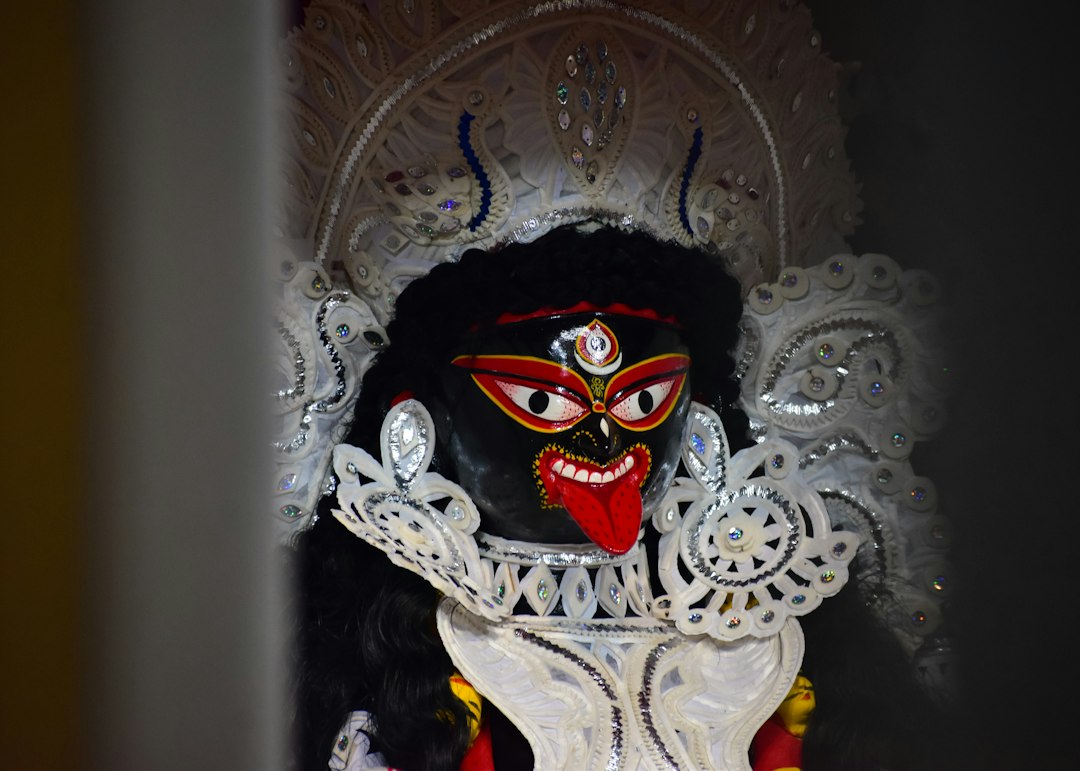
Kali Chaudas Remedies for Negative Energy: Traditional Beliefs
In some regional traditions, Kali Chaudas is associated with protective prayers, lighting lamps, and rituals intended to dispel negative influences.
For a simple, grounded observance, you can:
Clean and organise your living space.
Light a diya in a safe, suitable location.
Offer prayers according to your family tradition.
Spend time in quiet reflection or meditation.
Resolve to reduce conflict and practise compassion.
Seek guidance from a trusted religious teacher if you have questions about a specific ritual.
These practices can provide a sense of meaning, calm, and spiritual connection. Claims that particular rituals can guarantee protection from supernatural harm should be treated as matters of belief, not established fact.
Avoid dangerous substances, fire-based stunts, or rituals that could harm people or animals.
Kali Chaudas 2026 is an opportunity to honour Goddess Kali, understand the festival's stories, and reconnect with traditions that emphasise courage and transformation. From puja vidhi and traditional mantras to lamps and personal reflection, the observance offers several ways to prepare spiritually for Diwali.
Remember that regional customs and puja timings differ. Check a reliable local panchang and follow the tradition that is meaningful to your family.
Beyond the rituals, let Kali Chaudas inspire you to replace fear with courage, confusion with clarity, and negative habits with conscious action.
Personal Session
Sometimes, personal growth begins with a meaningful conversation and the opportunity to reflect on your challenges with greater clarity. If you are looking for individual guidance on your life direction, inner growth, or personal goals, consider booking a personal session with your chosen spiritual guide or programme facilitator. Give yourself the space to reflect, gain perspective, and take your next step with intention.
Book NowRead Latest Articles
9 Colour of Navratri 2026: DayWise List, Date & Significance
Bhai Dooj Date: Tilak Muhurat, Puja Time & Complete Vidhi
Frequently Asked Questions
Why Is Kali Chaudas Celebrated Before Diwali?
Kali Chaudas forms part of the broader Diwali festival period and is traditionally associated with protection, purification, and the victory of divine power over evil.Its proximity to Diwali creates a symbolic progression: devotees reflect on overcoming negativity and then prepare to celebrate light, prosperity, renewal, and new beginningsWhen is Kali Chaudas in 2026?
Kali Chaudas falls on Saturday, November 7, 2026, according to the Gujarati festival calendar. However, related Chaturdashi observances may be listed on November 8 in some regional calendars. Check a local Hindu panchang for the date and ritual timings followed in your area.What is the Kali Chaudas puja muhurat in 2026?
The puja muhurat depends on the location and the specific ritual. For Ujjain, one published panchang lists a Nishita puja window of approximately 11:44 PM on November 7 to 12:36 AM on November 8. Check the local panchang for your city before performing the puja.How do you perform Kali Chaudas puja at home?
Clean the puja area, arrange an image of Goddess Kali, light a diya, offer flowers and suitable bhog, recite a traditional prayer, and conclude with aarti if customary. Adapt the procedure to your family's regional practices and the guidance of your religious tradition.Which god is worshipped on Kali Chaudas?
Goddess Kali or Mahakali is central to many Kali Chaudas observances. In some regional traditions, particularly in Gujarat, devotees also worship Lord Hanuman. The exact form of worship depends on the family's customs and local tradition.What is the story behind Kali Chaudas?
One story associated with Goddess Kali describes her defeat of Raktabija, a demon whose blood produced more demons. The wider Chaturdashi festival period is also connected with Lord Krishna's defeat of Narakasura. Both narratives highlight the victory of divine power over evil.