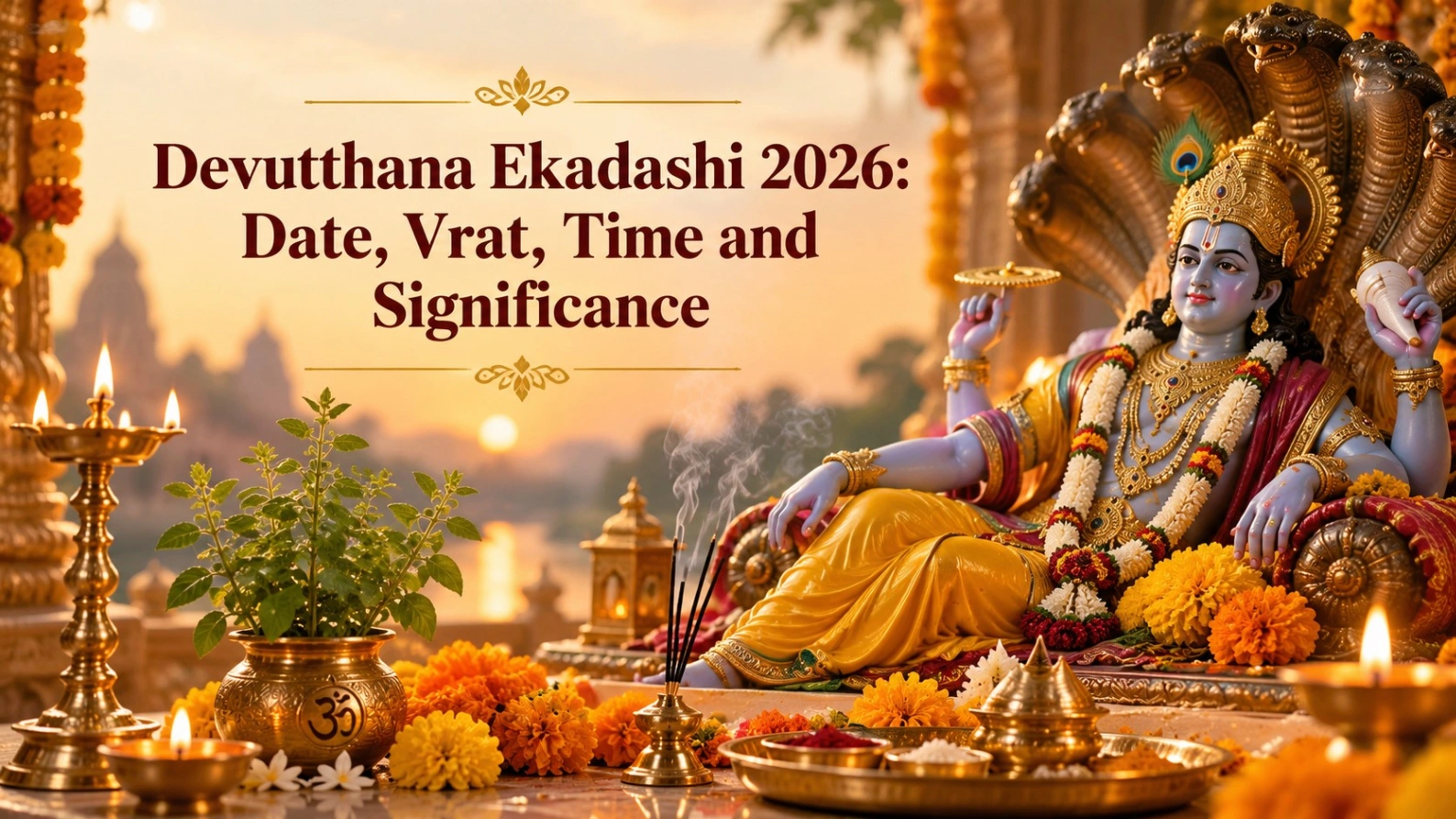
Devutthana Ekadashi, also known as Dev Uthani Ekadashi, Devuthani Ekadashi and Prabodhini Ekadashi, is one of the most important Ekadashi observances in the Hindu calendar. The festival marks the symbolic awakening of Lord Vishnu from his four-month-long Yoga Nidra and the conclusion of the sacred Chaturmas period.
If you are searching for Devutthana Ekadashi 2026, the standard Smarta observance falls on Friday, November 20, 2026. The Ekadashi Tithi begins at approximately 7:15 AM on November 20 and ends at approximately 6:31 AM on November 21. Some Vaishnava traditions observe the fasting day on Saturday, November 21, which is why devotees may occasionally see two dates listed for Dev Uthani Ekadashi 2026.
Devutthana Ekadashi is spiritually important because it marks the end of Lord Vishnu's symbolic resting period and the reopening of the auspicious season for ceremonies such as marriages and other traditional manglik activities.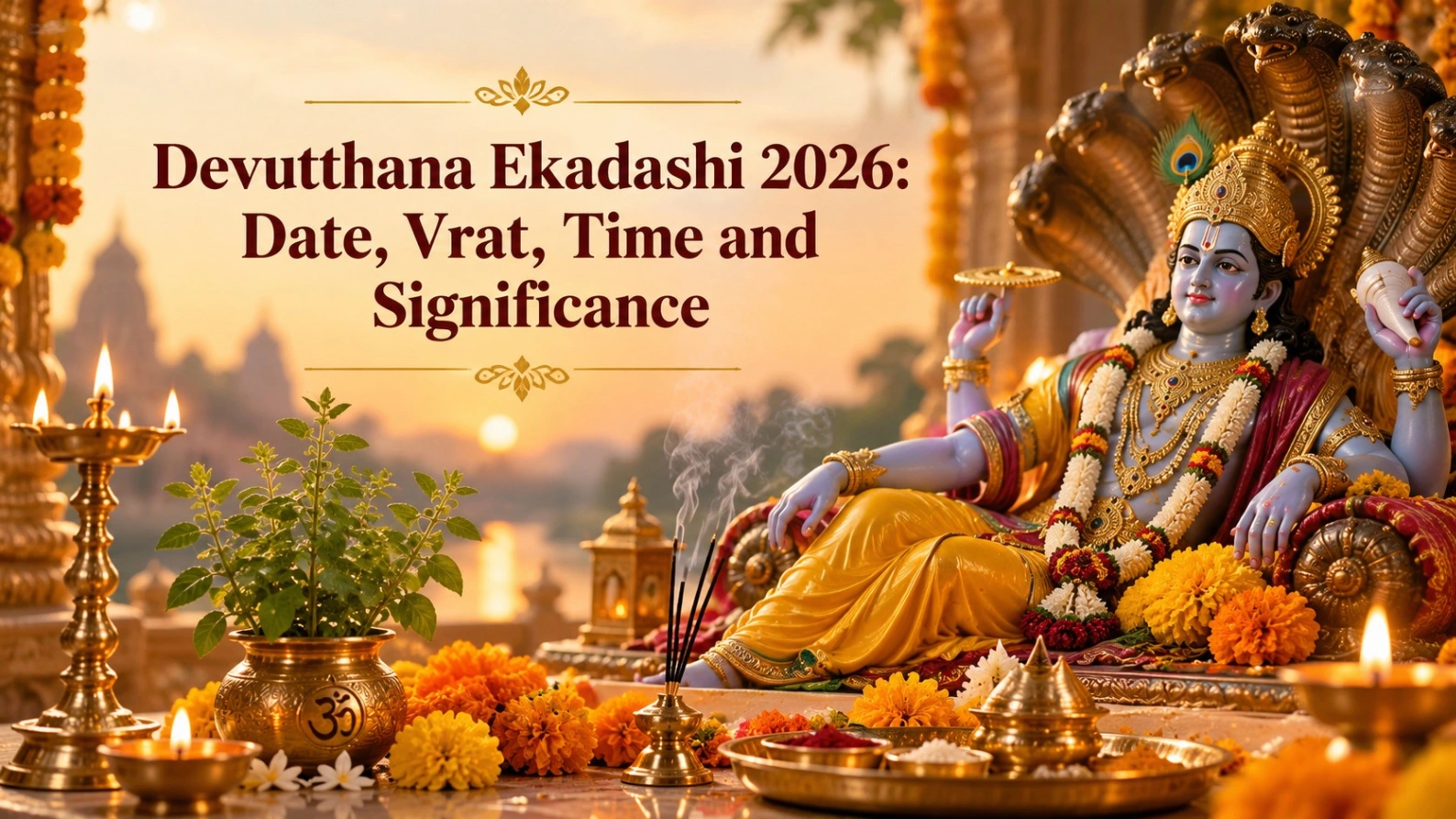
Devutthana Ekadashi 2026 Date and Time
The key timings for Devutthana Ekadashi 2026 are:
Devutthana Ekadashi: Friday, November 20, 2026
Ekadashi Tithi Begins: approximately 7:15 AM on November 20
Ekadashi Tithi Ends: approximately 6:31 AM on November 21
Gauna / Vaishnava Observance: Saturday, November 21, 2026
The exact Parana time varies according to location. Current Panchang listings for central India show Parana on November 21 after the Hari Vasara period, while Vaishnava observers perform Parana the following morning according to their tradition.
Because Ekadashi observance depends on sunrise, Hari Vasara and local Panchang calculations, readers should always check the Parana timing for their own city.
Devutthana Ekadashi 2026 Kab Hai?
Devutthana Ekadashi 2026 will be observed on Friday, November 20, 2026, in the standard Smarta tradition.
The festival falls on the Shukla Paksha Ekadashi of the Kartik month.
Some Vaishnava traditions observe the Ekadashi on November 21, which explains why both dates may appear in calendars. ISKCON's Bareilly calendar, for example, lists Utthana Ekadashi on November 21, 2026.
For a general Hindu audience, your primary date can remain November 20, 2026, with a short note explaining the Vaishnava difference.
Design Your Destiny
Devutthana Ekadashi carries a powerful message: there are times to rest, reflect and go inward—but there must also come a moment when we awaken and begin acting consciously again.
Start Your Journey Today!What Is Devutthana Ekadashi?
Devutthana literally refers to the awakening of the divine.
According to Hindu tradition, Lord Vishnu enters Yoga Nidra on Devshayani Ekadashi, which marks the beginning of Chaturmas. He symbolically awakens four lunar months later on Devutthana or Prabodhini Ekadashi.
This awakening represents the return of divine activity and the reopening of an auspicious period for major religious and family ceremonies.
For this reason, Devutthana Ekadashi is sometimes regarded as one of the most important transition points in the Hindu ritual year.
Why Does Lord Vishnu Wake Up on Devutthana Ekadashi?
According to traditional belief, Lord Vishnu rests in Yoga Nidra during the four sacred months of Chaturmas.
Devshayani Ekadashi marks the beginning of this period, while Devutthana Ekadashi marks its completion.
The awakening of Lord Vishnu symbolises:
renewal
divine activity
the end of spiritual dormancy
the beginning of auspicious ceremonies
a fresh cycle of religious and household life
The idea is deeply symbolic. Just as Vishnu awakens from Yoga Nidra, devotees are encouraged to awaken spiritually from inertia, distraction and unconscious living.
Connection Between Devutthana Ekadashi and Chaturmas
Chaturmas is the four-month sacred period traditionally beginning with Devshayani Ekadashi.
During Chaturmas, many devotees intensify spiritual practices such as fasting, prayer, mantra chanting and dietary restraint.
Traditional customs may also limit major ceremonies such as marriages during this period.
Devutthana Ekadashi marks the formal end of this four-month cycle.
This is why the festival carries not only devotional importance but also cultural significance for families planning weddings and auspicious ceremonies.
Devutthana Ekadashi Vrat
Observing the Devutthana Ekadashi Vrat is considered highly sacred among Vaishnava devotees.
The fast is dedicated to Lord Vishnu and traditionally focuses on purification, devotion and self-control.
Ekadashi fasting can take different forms depending on health, family custom and spiritual discipline.
Traditional fasting types include water-only fasting, milk-based fasting, fruit-based fasting or a single grain-free meal. Panchang guidance notes that devotees may choose the type of Ekadashi fast according to their willpower and physical strength.
Most Ekadashi traditions avoid grains, rice, wheat, beans and pulses on the fasting day.
What Is Naraka Chaturdashi?History & Importance of Choti Diwali
Devutthana Ekadashi Vrat Rules
Common vrat practices include:
Take a bath early in the morning.
Make a sankalp to observe Ekadashi Vrat.
Worship Lord Vishnu or Lord Krishna.
Avoid grains and cereals.
Eat fruits, milk or vrat-friendly foods if observing a partial fast.
Maintain a sattvic routine.
Avoid anger, harsh speech and unnecessary conflict.
Spend time in mantra chanting, bhajans and Vishnu worship.
Perform Parana at the prescribed time on Dwadashi.
Those with health conditions should adapt fasting safely rather than undertake extreme restriction.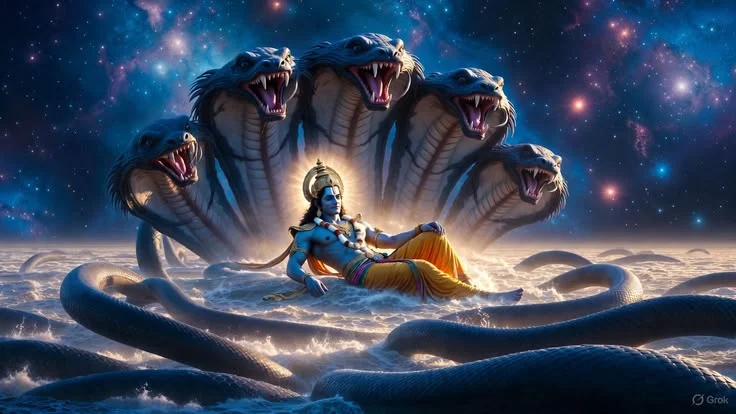
Devutthana Ekadashi Puja Vidhi
A simple Dev Uthani Ekadashi Puja Vidhi can be performed at home.
Begin by bathing and cleaning the prayer area.
Place an image or idol of Lord Vishnu and Goddess Lakshmi.
Light a diya and incense.
Offer flowers, Tulsi leaves, fruits and sweets.
Tulsi is considered especially sacred in Vishnu worship.
Chant Vishnu mantras such as:
Om Namo Bhagavate Vasudevaya
Devotees may also recite Vishnu Sahasranama or listen to devotional bhajans.
Offer prayers requesting Lord Vishnu to awaken and bless the household.
Perform Aarti and spend the day in devotion.
Dev Uthani Ritual: Awakening Lord Vishnu
In many households, devotees perform a symbolic ceremony to awaken Lord Vishnu.
Traditional prayers may include requests such as “Utho Deva” or devotional songs inviting Vishnu to rise from Yoga Nidra.
Some families draw ceremonial footprints, prepare a small Vishnu worship space or symbolically represent Lord Vishnu resting and then awakening.
These practices vary widely by region, but the central idea remains the same: welcoming divine activity back into the world after Chaturmas.
Why Is Devutthana Ekadashi Also Called Prabodhini Ekadashi?
The Sanskrit word Prabodhini is connected with awakening or enlightenment.
Therefore, Prabodhini Ekadashi carries both a literal and spiritual meaning.
On the ritual level, Lord Vishnu awakens.
On the inner level, the devotee is encouraged to awaken from ignorance, unconscious habits and spiritual sleep.
This makes the festival a powerful symbol of awareness and renewal.
Devutthana Ekadashi and Tulsi Vivah
Devutthana Ekadashi is closely associated with Tulsi Vivah, the ceremonial marriage of Tulsi Devi with Lord Vishnu or his Shaligram form.
Depending on regional customs and Panchang traditions, Tulsi Vivah may begin around Devutthana Ekadashi and continue on subsequent auspicious days.
The ceremony symbolically marks the beginning of the Hindu wedding season after Chaturmas.
Tulsi Vivah is celebrated with many elements of a traditional wedding, including decoration, puja, songs and offerings.
Why Do Auspicious Ceremonies Begin After Devutthana Ekadashi?
Traditional Hindu belief considers Chaturmas a period focused more on spiritual discipline than worldly celebrations.
Once Lord Vishnu awakens on Devutthana Ekadashi, the period for auspicious ceremonies reopens.
Families therefore often look to dates after Dev Uthani Ekadashi for:
marriages
engagements
housewarming ceremonies
religious ceremonies
new beginnings
The festival acts as a symbolic turning point from spiritual retreat to active worldly and religious life.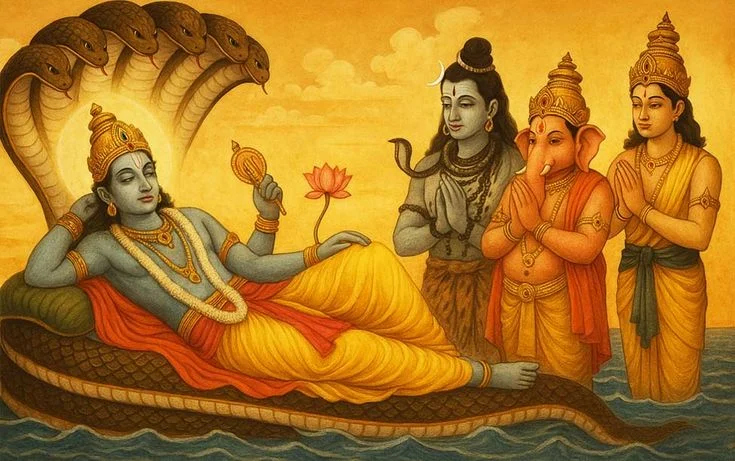
Devutthana Ekadashi Parana
Parana means breaking the Ekadashi fast.
It is generally performed on Dwadashi after sunrise and after the appropriate Hari Vasara period has ended.
Panchang guidance emphasises that Ekadashi Parana should be completed before Dwadashi ends and should not ordinarily be performed during Hari Vasara.
Because Parana times differ by city, devotees should use a location-specific Panchang.
This is especially important in 2026 because the Ekadashi Tithi extends into the early morning of November 21.
What Can You Eat During Devutthana Ekadashi?
People observing a partial Ekadashi fast commonly consume:
fruits
milk
curd
nuts
potatoes
sweet potatoes
singhara
sabudana
groundnuts
other vrat-friendly foods
Traditional Ekadashi guidance avoids ordinary grains, wheat, rice, pulses and beans.
Family traditions may differ regarding specific vrat foods.
Spiritual Significance of Devutthana Ekadashi
The deepest significance of Devutthana Ekadashi lies in awakening.
Lord Vishnu's awakening represents the movement from stillness to action.
Spiritually, the festival can remind us to ask:
Where have we become passive?
Which areas of life need renewed attention?
Which spiritual intentions have been forgotten?
What do we need to awaken within ourselves?
The festival becomes meaningful when the outer story of Vishnu's awakening inspires inner awareness.
Traditional Benefits of Devutthana Ekadashi Vrat
The benefits traditionally associated with Devutthana Ekadashi are matters of Hindu religious belief.
Devotees observe the vrat seeking:
Lord Vishnu's blessings
spiritual merit
greater self-discipline
inner purification
peace and prosperity
freedom from negative tendencies
progress on the spiritual path
Rather than treating these as guaranteed material outcomes, they are best understood as the devotional intentions associated with the vrat.
Sharad Purnima 2026 Vrat Katha: Story, Puja Vidhi & Benefits
Devshayani vs Devutthana Ekadashi
These two Ekadashis mark opposite ends of Chaturmas.
Devshayani Ekadashi: Lord Vishnu symbolically enters Yoga Nidra.
Devutthana Ekadashi: Lord Vishnu symbolically awakens.
In 2026, Devshayani Ekadashi was observed on July 25, and the Devutthana observance comes in November, completing the traditional Chaturmas cycle.
Together, these festivals represent spiritual rest followed by awakening and renewed activity.
Devutthana Ekadashi 2026 at a Glance
Festival: Devutthana Ekadashi / Dev Uthani Ekadashi / Prabodhini Ekadashi
Standard Smarta Date: Friday, November 20, 2026
Ekadashi Tithi Begins: 7:15 AM on November 20
Ekadashi Tithi Ends: 6:31 AM on November 21
Vaishnava / Gauna Observance: November 21, 2026
Main Deity: Lord Vishnu
Main Significance: Lord Vishnu awakens from Yoga Nidra
Major Religious Importance: End of Chaturmas and reopening of the auspicious season.
Personal Session
Sometimes spiritual questions become personal questions. If you are seeking clarity around your life path, relationships, emotional patterns, inner growth or spiritual direction, a personal session can help you explore your journey with greater awareness and insight.
Book Now