Chhath Puja is one of the most sacred Hindu festivals dedicated to Surya Dev, the Sun God, and Chhathi Maiya. Celebrated with deep devotion, particularly in Bihar, Jharkhand, eastern Uttar Pradesh, and parts of Nepal, the festival expresses gratitude for the Sun's life-giving energy and prayers for the health, happiness, and prosperity of the family.
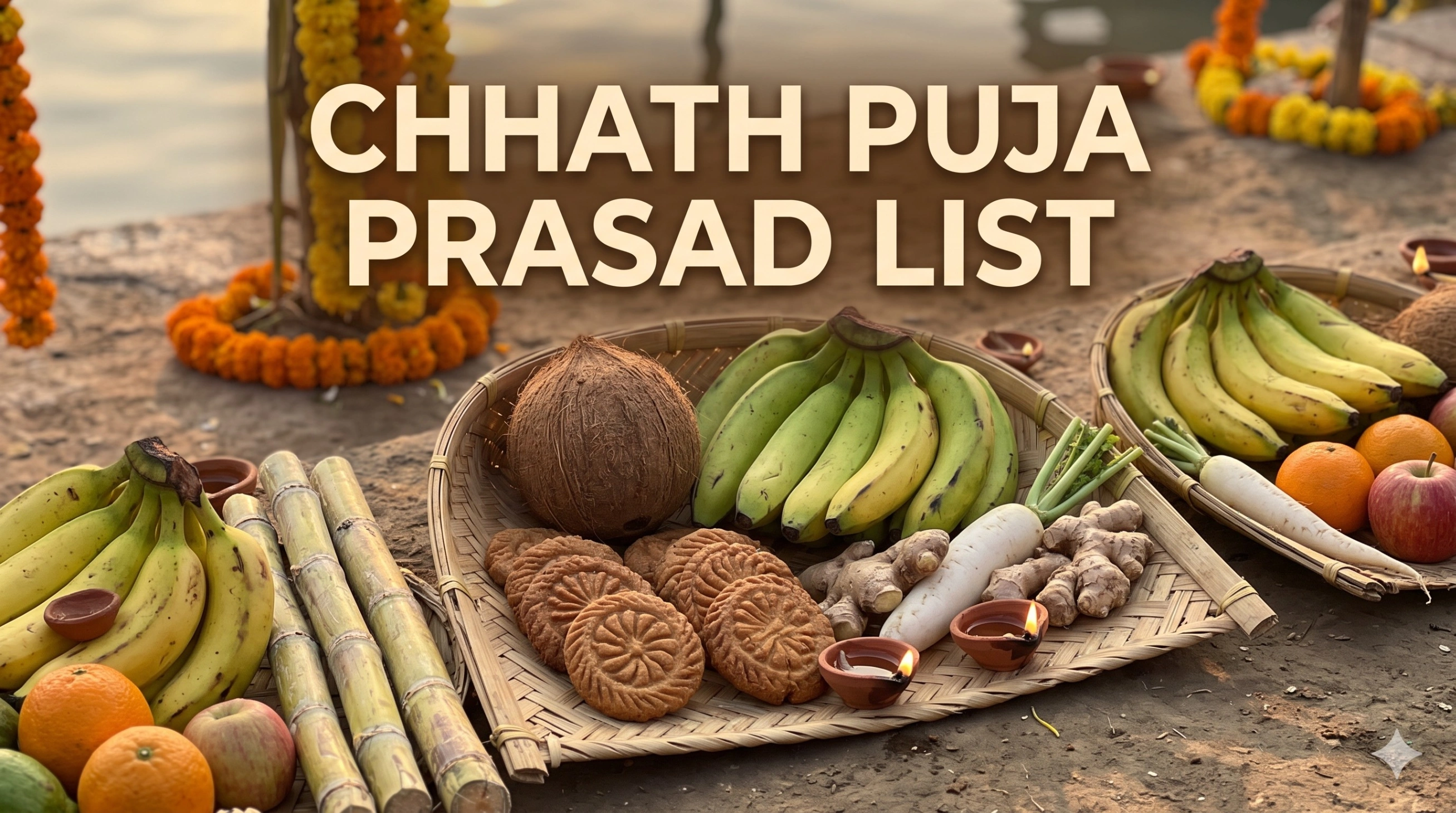
One of the most important parts of this festival is preparing and offering prasad. From the traditional thekua to seasonal fruits, sugarcane, and homemade sweets, every offering reflects purity, gratitude, and devotion.
If you are preparing for the festival, this Chhath Puja Prasad List will help you understand which offerings are commonly prepared, their spiritual significance, and how they are used during the rituals. Whether you are observing Chhath Puja for the first time or continuing a family tradition, this guide will help you prepare thoughtfully.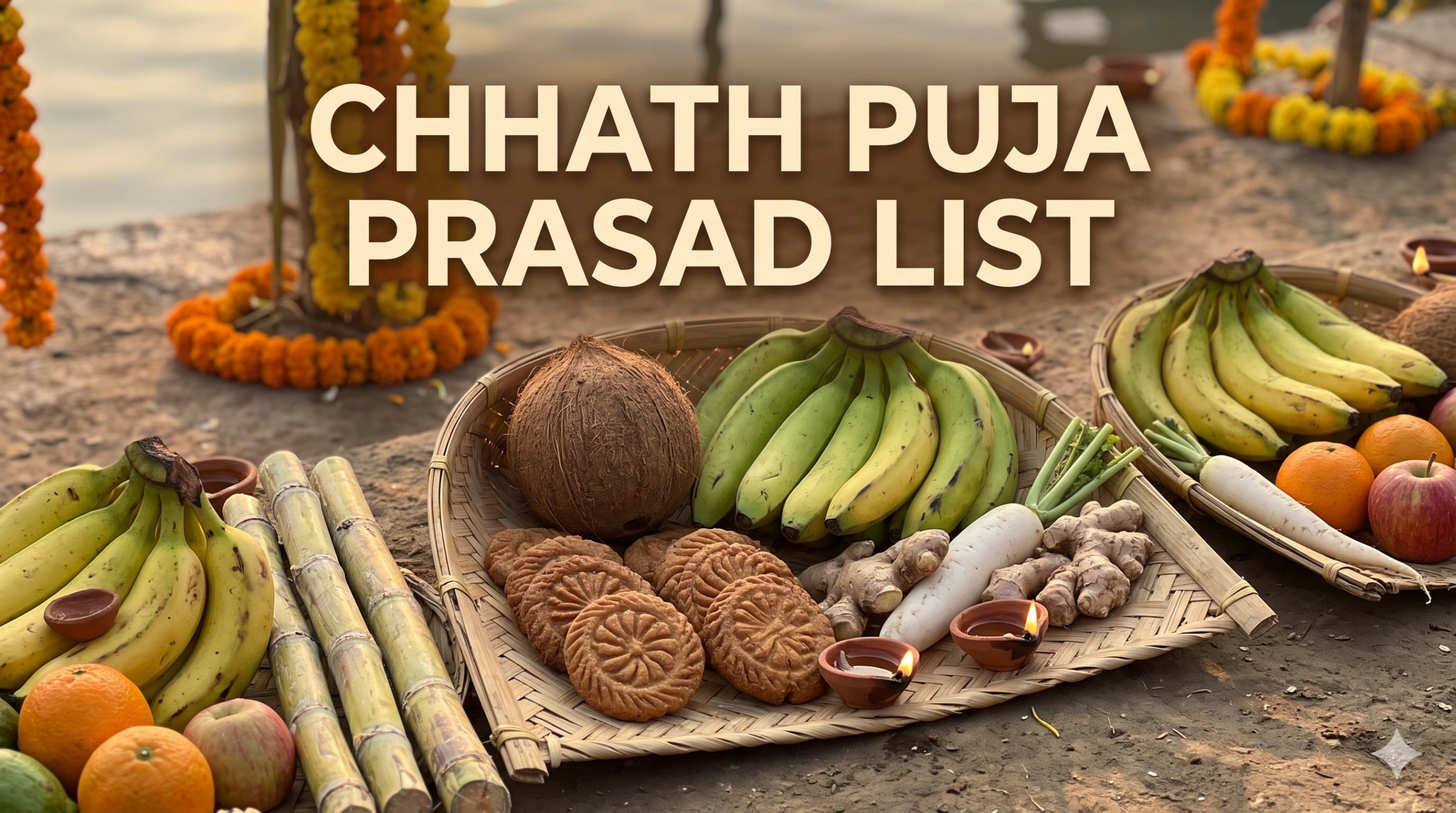
What Is Chhath Puja Prasad?
Chhath Puja prasad refers to the sacred food and natural offerings prepared for Surya Dev and Chhathi Maiya during the festival. Devotees offer these items during the evening Arghya to the setting Sun and the morning Arghya to the rising Sun.
Unlike festivals where elaborate meals may be prepared, Chhath Puja places special emphasis on simplicity, cleanliness, discipline, and traditional preparation. Many families prepare offerings at home using ingredients selected according to their customs.
Prasad is not simply food offered to a deity. It represents gratitude for nature's blessings, respect for the elements, and the sharing of divine blessings with family and the community.
Complete Chhath Puja Prasad List
Here are the traditional offerings commonly associated with Chhath Puja. The exact selection can vary by region and family tradition.
1. Thekua
Thekua is one of the most recognisable and beloved prasad items prepared for Chhath Puja. This traditional sweet is especially popular in Bihar and eastern Uttar Pradesh.
It is generally made with wheat flour, jaggery or sugar, ghee, and water. Some families add fennel seeds or other customary flavourings. The dough is shaped using traditional moulds and fried until golden and crisp.
Spiritual significance: Thekua represents devotion, family tradition, and the care taken in preparing offerings for the deities. Its preparation is often a family activity that connects generations with their cultural roots.
Thekua is commonly offered in the soop, or traditional winnowing basket, alongside fruits and other puja items.
Design Your Destiny
Chhath Puja reminds us to express gratitude for the natural world and the blessings that sustain us. This spirit of gratitude can also inspire us to reflect on our own lives, understand our values, and make more conscious choices.
Start Your Journey Today!2. Sugarcane
Sugarcane is another important offering associated with Chhath Puja. Whole sugarcane stalks are commonly included in the collection of offerings arranged for the rituals.
Spiritual significance: Sugarcane symbolises sweetness, abundance, and prosperity. Its natural growth and sweetness also remind devotees of the gifts received from the earth and the importance of agriculture in sustaining life.
Sugarcane may be arranged near the puja area or included with other offerings according to local customs.
3. Bananas
Bananas are among the most commonly offered fruits during Chhath Puja. They are convenient to arrange in baskets and are widely available during the festival.
Spiritual significance: Fruits represent nature's generosity and the nourishment that sustains life. Offering bananas expresses gratitude for the harvest and the resources provided by nature.
Bananas may be offered in bunches, depending on availability and family tradition.
4. Coconut
Coconut is widely used in Hindu worship and is commonly included in Chhath Puja offerings.
Spiritual significance: Coconut is associated with auspiciousness, purity, and devotion. Its presence in the offering basket reflects a prayer for well-being and the intention to offer something respectfully to the divine.
Some families use whole coconuts, while others include coconut in different customary forms.
5. Seasonal Fruits
Seasonal fruits such as apples, oranges, sweet lime, guava, and other locally available varieties may be included in the Chhath Puja prasad list.
Spiritual significance: Fresh fruits represent the abundance of nature and the importance of the harvest. Offering seasonal produce also reflects appreciation for the natural cycles that provide food and nourishment.
Choose fresh, undamaged fruits and arrange them neatly in the offering basket.
6. Radish and Other Seasonal Produce
In some regional traditions, radish and other locally available vegetables or produce are included among the offerings.
Spiritual significance: These offerings reflect a connection with agriculture, the earth, and the everyday food that supports human life. Their inclusion highlights the festival's close relationship with nature.
The specific vegetables used vary by region, so follow the customs practised in your household.
7. Rice and Traditional Rice-Based Offerings
Rice is an important food in many Indian religious traditions. Depending on the family custom, rice may be used in ritual arrangements or in preparing particular foods for the festival.
Spiritual significance: Rice is commonly associated with nourishment, abundance, and prosperity. It represents gratitude for the harvest and the food that sustains families.
The precise use of rice depends on the ritual being performed. Follow the rules of your household's Chhath observance.
8. Jaggery
Jaggery is an important ingredient in thekua and other traditional preparations. It may also be used in offerings according to family customs.
Spiritual significance: Its natural sweetness is often associated with joy, harmony, and the wish for sweetness in family life. Jaggery also reflects the use of traditional, locally available ingredients.
When preparing thekua, use the type of jaggery preferred by your family recipe.
9. Ghee
Ghee is commonly used in traditional food preparation and may be included in festival offerings.
Spiritual significance: Ghee is associated with purity and auspiciousness in many Hindu rituals. Its use in homemade prasad reflects the care and reverence with which the offerings are prepared.
Use clean utensils and follow your family's customary preparation methods.
Kali Chaudas vs Naraka Chaturdashi : Are They the Same ?
10. Kharna Prasad: Roti and Kheer
Kharna is an important ritual observed on the second day of the traditional four-day Chhath Puja celebration. After completing the day's fast, the devotee prepares and offers prasad before consuming it and distributing it to others.
A common Kharna offering includes jaggery-based kheer, often prepared with rice and milk, accompanied by roti. The precise ingredients and preparation methods vary by household.
Spiritual significance: Kharna represents discipline, devotion, gratitude, and the transition into the more rigorous fasting period observed by many devotees.
Kharna prasad is distinct from the offerings arranged for the Sandhya Arghya and Usha Arghya, although some ingredients and traditional foods may overlap.
11. Paan and Supari
Betel leaves and areca nuts, known as paan and supari, are used in many Hindu rituals and may be included in Chhath Puja arrangements.
Spiritual significance: These items are traditionally associated with auspiciousness and respect in ritual worship. Their use depends on regional practices and household customs.
12. Other Traditional Sweets
Some families prepare additional homemade sweets for the festival, depending on their regional traditions. Thekua remains especially prominent, but the precise assortment of sweets is not universal.
Spiritual significance: Homemade sweets represent hospitality, sharing, and the joy of celebrating together. Preparing them at home can also preserve family recipes and cultural practices.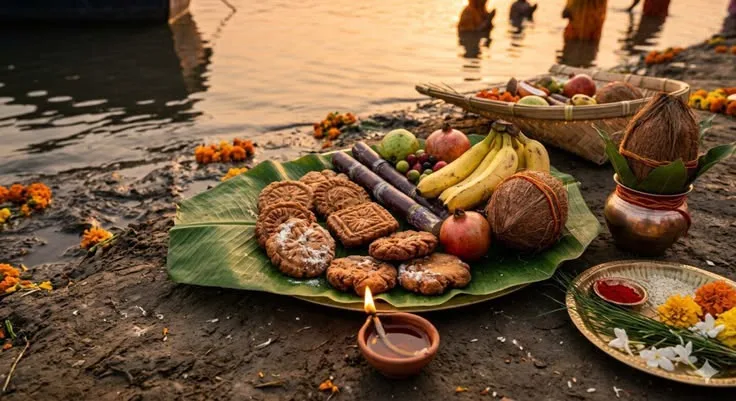
Chhath Puja Prasad List for the Soop
The soop is a traditional winnowing basket used to arrange offerings during Chhath Puja. Devotees may prepare one or more baskets for the evening and morning rituals.
A practical checklist may include:
Thekua
Bananas
Coconut
Sugarcane
Seasonal fruits
Radish or other customary produce
Jaggery-based offerings
Other traditional sweets, where customary
Paan and supari, if used in the family tradition
The contents vary by region and household. Some families arrange offerings differently for Sandhya Arghya and Usha Arghya, so prepare the baskets according to your local customs.
How to Prepare Chhath Puja Prasad
Preparing Chhath Puja prasad is often considered a devotional activity in itself. These simple guidelines can help you organise the process.
1. Clean the preparation area. Clean the kitchen, utensils, and surfaces before preparing the offerings. Many families follow specific cleanliness practices during Chhath.
2. Arrange the ingredients in advance. Purchase fresh fruits, sugarcane, flour, jaggery, and other required ingredients before the main rituals.
3. Prepare traditional foods at home. Make thekua and Kharna prasad according to your family recipe. Use clean utensils and ingredients suitable for the observance.
4. Select fresh offerings. Check the fruits and produce carefully. Wash them appropriately and arrange them neatly.
5. Prepare the soop. Place the offerings in the traditional basket and organise them so they are easy to carry during the rituals.
6. Follow your family's customs. Some households have particular rules about who prepares the prasad, which ingredients are used, and how the offerings are handled. Respect those established practices.
When Is Chhath Puja Prasad Offered?
Chhath Puja is traditionally observed over four days, with each day having a distinct role.
Day 1 Nahay Khay: Devotees follow customary purification practices and prepare for the festival.
Day 2 Kharna: Devotees observe a fast and later prepare and consume the customary Kharna prasad.
Day 3 Sandhya Arghya: Offerings are carried to the water's edge or designated worship area and offered to the setting Sun.
Day 4 Usha Arghya: Devotees offer Arghya to the rising Sun and conclude the main observance according to their tradition.
Prasad is arranged and offered during the relevant rituals. The exact timing, location, and procedures depend on local customs and the festival calendar.
Why Are Chhath Puja Offerings Important?
Chhath Puja offerings carry meaning beyond their ingredients.
Gratitude towards the Sun: Surya Dev is honoured as a source of light, energy, and life. The offerings express appreciation for the natural forces that sustain the world.
Respect for nature: Fruits, sugarcane, and other produce highlight the connection between human life, agriculture, and the environment.
Purity and discipline: The care taken in preparing prasad reflects the importance of cleanliness, commitment, and sincere devotion.
Family and community: Preparing offerings together helps preserve customs and strengthens relationships across generations.
Sharing blessings: Prasad is distributed among family members and others as a symbol of sharing, goodwill, and community.
The festival invites devotees to look beyond material possessions and appreciate the natural gifts that make life possible.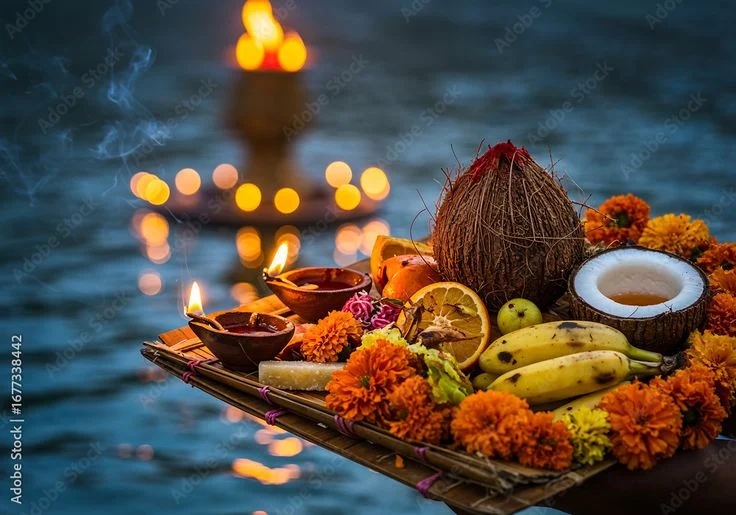
Tips for Preparing Chhath Puja Prasad
Make a checklist several days before the festival to avoid last-minute purchases.
Buy fresh seasonal fruits and check that they are suitable for offering.
Prepare thekua and other traditional foods using your family's customary recipe.
Keep the puja baskets, soop, and utensils clean.
Avoid unnecessary food waste by estimating the quantities needed.
Follow your family's fasting and food-preparation practices.
Confirm the local Chhath Puja schedule before planning the Sandhya and Usha Arghya rituals.
Why Is Kheer Kept Under Moonlight on Sharad Purnima
Conclusion
The Chhath Puja prasad list includes traditional offerings such as thekua, sugarcane, bananas, coconuts, seasonal fruits, and Kharna prasad. Each item reflects gratitude, devotion, and the close relationship between human life and nature.
As you prepare for Chhath Puja, remember that the value of the offerings lies not only in their ingredients but also in the sincerity and care with which they are prepared. By preserving traditional recipes, following family customs, and sharing prasad with others, devotees keep the spirit of this sacred festival alive.
Personal Session
Sometimes, personal reflection becomes more meaningful when supported by individual guidance. If you are looking for greater clarity about your life's direction, inner growth, or personal challenges, a dedicated session can provide space to explore your questions and identify practical next steps.
Book Now
Read Latest Articles
What Is My Purpose in Life?How to Discover Your True Calling
Bhai Dooj Date: Tilak Muhurat, Puja Time & Complete Vidhi
Frequently Asked Questions
Q.What items are included in the Chhath Puja prasad list?
The traditional Chhath Puja prasad list includes thekua, bananas, coconut, sugarcane, seasonal fruits, and other offerings based on regional customs. Kharna prasad commonly consists of jaggery-based kheer and roti. These offerings are prepared with care and presented to Surya Dev and Chhathi Maiya during the festival's evening and morning rituals.Q.What is the main prasad of Chhath Puja?
Thekua is one of the most important and widely recognised prasad items of Chhath Puja. It is traditionally prepared with wheat flour, jaggery or sugar, and ghee. Devotees also offer bananas, coconuts, sugarcane, seasonal fruits, and other customary items to Surya Dev and Chhathi Maiya.Q.Which fruits are offered during Chhath Puja?
Commonly offered fruits include bananas, coconuts, apples, guavas, oranges, sweet lime, and other seasonal varieties. The selection varies by region and family tradition. Devotees generally choose fresh fruits and arrange them in the soop with thekua, sugarcane, and other customary offerings.Q.What is prepared for Kharna prasad?
Kharna prasad commonly includes jaggery-based kheer and roti. The devotee prepares and offers the food according to family tradition, then breaks the fast with the prasad. Ingredients and methods can differ between households and regions.Q.Why is thekua important in Chhath Puja?
Thekua is important because it is a traditional homemade offering closely associated with Chhath Puja, especially in Bihar and eastern Uttar Pradesh. Its preparation connects families with regional food traditions and reflects the care, discipline, and devotion involved in preparing prasad.Q.Can other sweets be offered during Chhath Puja?
Some families include other homemade sweets according to their regional and household customs. However, thekua is particularly prominent in the festival's traditions. The appropriate offerings depend on the family's established practices and the ritual being performed.