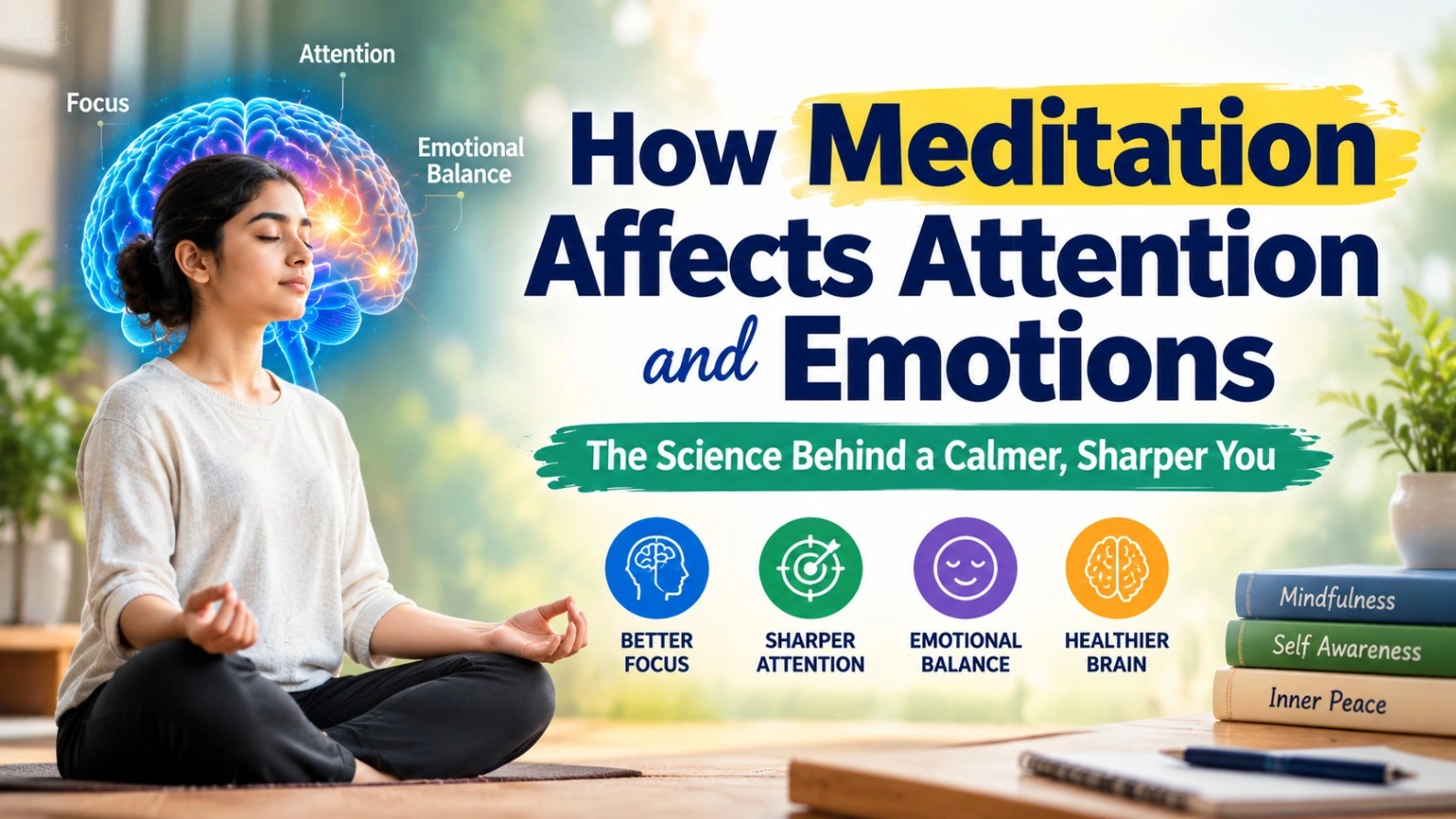

Modern life keeps the mind continually occupied. Meditation offers a practical way to pause, observe and return to the present moment.
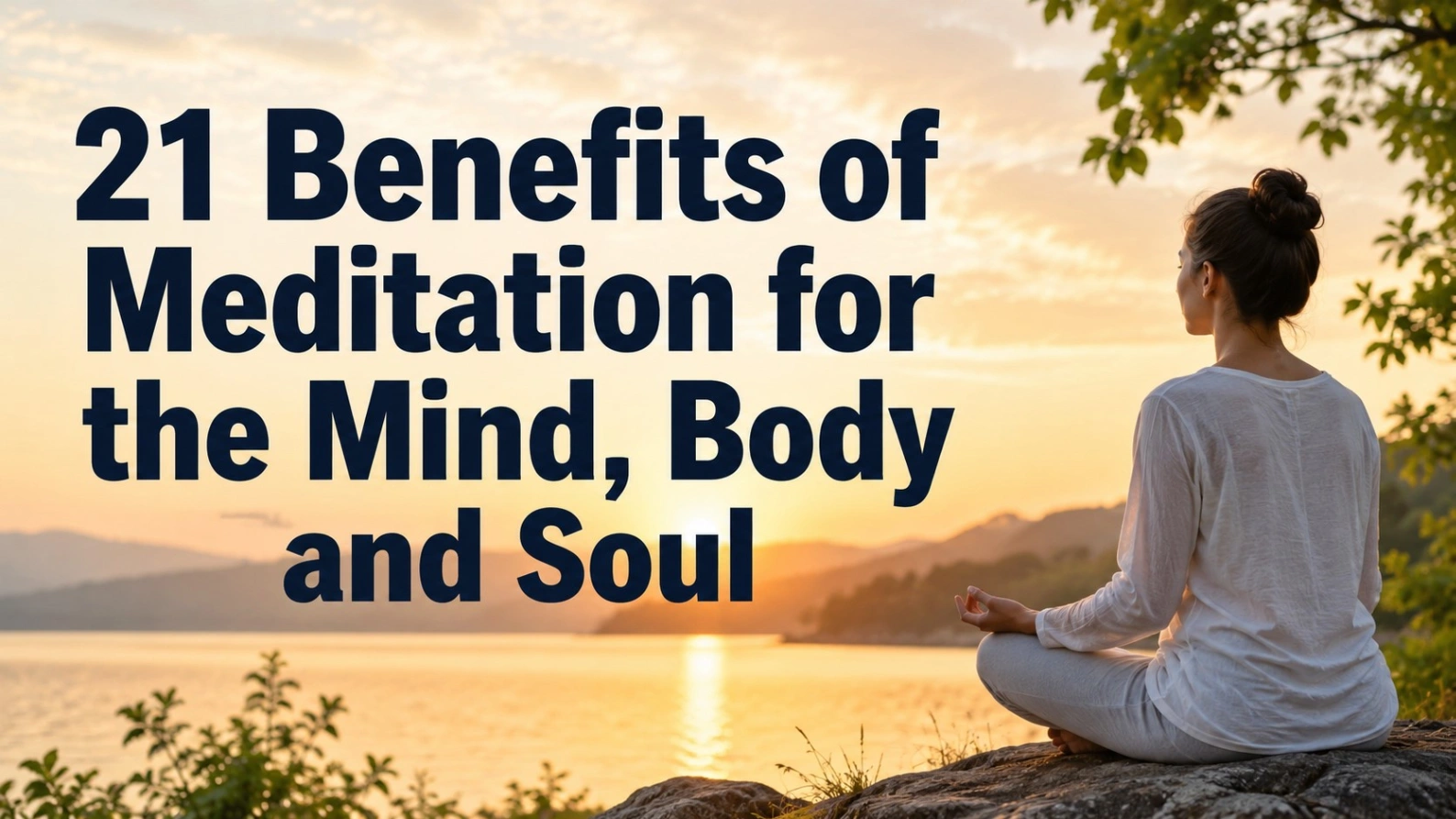
The benefits of meditation extend beyond feeling relaxed during a session. Regular practice may support mental clarity, emotional balance, sleep, stress management and a deeper sense of inner connection. Research suggests that meditation and mindfulness may help with anxiety symptoms, psychological stress, sleep and blood pressure, although results vary between individuals and practices. Meditation should complement, not replace, professional healthcare. de explores the most important meditation benefits for the mind, body and soul, including what happens when you meditate every day and how a ten-minute practice can support conscious living.
What Is Meditation?
Meditation is the practice of training attention and awareness. You may focus on your breath, repeat a mantra, observe bodily sensations, listen to guided instructions or silently witness your thoughts.
The purpose of meditation is not to force the mind to become completely blank. It is to notice thoughts, sensations and emotions without immediately reacting to them.
People practise meditation for stress relief, sleep, concentration, self-awareness and spiritual growth. Breath meditation, mindfulness meditation, mantra meditation and guided meditation are all useful starting points.
Design Your Destiny
Join Design Your Destiny and learn practical meditation, awareness and transformation techniques that can help you move beyond limiting patterns and create a more conscious, peaceful and purposeful life. Begin your journey with Design Your Destiny today.
Start Your Journey Today!What Happens When You Meditate Every Day?
Daily meditation trains you to return to the present, notice reactions earlier and pause before responding.
Consistency matters more than perfection. Research reviews have found that structured mindfulness programmes may produce modest improvements in anxiety, depression, pain, stress and quality of life. However, meditation is not a guaranteed cure, and its effects vary from person to person. nefits of practising meditation daily** generally develop gradually. You may begin by noticing small changes: a calmer response during conflict, better awareness of your thoughts or an improved ability to return your attention to the present.
Mental Benefits of Meditation
May Reduce Everyday Stress
One of the most widely recognised mental benefits of meditation is stress relief.
Meditation gives the mind a deliberate pause from planning, worrying and reacting. Focusing on the breath can help you step back from mental pressure and approach daily challenges more calmly.
Research suggests that mindfulness-based practices may reduce perceived stress and psychological distress in some people. n Support Anxiety Management
Meditation for anxiety teaches you to notice anxious thoughts without automatically accepting them as facts.
Instead of becoming completely absorbed in a fearful thought, you learn to recognise it, breathe and allow it to pass. This can create a sense of distance between you and the anxious narrative in your mind.
Research reviews have found modest benefits for anxiety symptoms, although persistent or severe anxiety requires support from a qualified mental-health professional. lps Interrupt Overthinking
Overthinking grows when the mind repeatedly revisits the past or tries to control the future.
Meditation for overthinking redirects your attention toward the present moment. With regular practice, you begin to recognise thoughts as temporary mental events rather than commands, predictions or absolute truths.
This awareness may make it easier to step away from repetitive thinking and focus on constructive action.
Improves Present-Moment Awareness
Meditation strengthens your ability to notice what you are doing while you are doing it.
This can improve awareness during conversations, meals, work and ordinary daily activities. Rather than completing a task while mentally worrying about several other things, you learn to give fuller attention to the experience in front of you.
Present-moment awareness may also help you notice small sources of joy that are often missed during a busy day.
May Improve Focus and Concentration
Most meditation techniques involve selecting an object of attention and returning to it whenever the mind wanders.
The object may be your breath, a mantra, a sound or a physical sensation. Each time you notice distraction and return to the chosen focus, you practise concentration.
This may help you recognise distractions earlier and redirect your attention more deliberately while studying, working or completing everyday responsibilities.

Encourages Mental Clarity
When thoughts are crowded together, even simple decisions can feel confusing.
Meditation creates space to observe your worries, assumptions and priorities without becoming absorbed in every thought. It can help you recognise which concerns require action and which are simply products of fear or mental habit.
This greater awareness may support clearer and more deliberate decision-making.
Supports Emotional Well-Being
Meditation for emotional well-being helps you experience feelings without immediately suppressing or expressing them.
You can begin to recognise anger, sadness, fear or disappointment as changing experiences. Rather than allowing one difficult emotion to define your entire day, you learn to observe it with greater patience.
Emotional balance does not mean avoiding uncomfortable feelings. It means developing a less reactive relationship with them.
Meditation for 30 Days: Physical, Mental and Spiritual
Physical Benefits of Meditation
Encourages Physical Relaxation
Stress may appear in the body as tight shoulders, a clenched jaw, shallow breathing or restlessness.
Meditation invites you to notice these sensations and release unnecessary tension. Relaxation practices can encourage slower breathing, reduced physical arousal and a calmer state. n meditation can be particularly useful because it guides your attention gradually through different areas of the body.
May Support Better Sleep
Meditation before bed can reduce mental stimulation and establish a calmer transition into sleep.
Breath awareness, body scans and guided sleep meditation are commonly used by people who struggle to switch off at night. These practices can help reduce pre-sleep overthinking and encourage relaxation.
Research reviews suggest that mindfulness meditation may improve certain aspects of sleep quality, although more evidence is needed for specific sleep disorders. ay Help Support Healthy Blood Pressure
Meditation may contribute to stress management as part of a heart-healthy lifestyle.
Some studies have reported reductions in blood pressure among certain groups practising mindfulness-based meditation. However, the evidence is not sufficient to replace prescribed medication, exercise, dietary guidance or medical monitoring. ith high blood pressure should follow the treatment plan recommended by their healthcare provider.
Strengthens Body Awareness
Many people ignore fatigue, tension, hunger or discomfort until these signals become overwhelming.
Body-focused meditation helps you notice these sensations earlier. This awareness may encourage timely rest, movement, hydration and healthier personal boundaries.
It can also help you recognise the physical expression of emotions for example, tightness in the chest during anxiety or tension in the shoulders during stress.
Daily Habit That Prepare You for Third Eye Chakra Activation
May Change Your Relationship With Pain
Meditation does not necessarily eliminate pain, but it may change how you relate to it.
Mindfulness can help separate physical sensation from fear, resistance and the mental commentary surrounding the experience. This may reduce the additional emotional distress that sometimes accompanies physical discomfort.
Evidence about meditation and pain is mixed, although some reviews report modest benefits for certain forms of chronic pain. nt or unexplained pain should always be medically evaluated.
Encourages More Intentional Habits
Meditation creates a pause between an impulse and a response.
That pause may help you notice automatic habits such as emotional eating, excessive scrolling, reacting angrily or staying awake too late.
Awareness does not guarantee immediate behaviour change, but it creates an opportunity to choose more consciously instead of operating entirely on habit.
May Support Daytime Energy
Constant worry, poor sleep and mental overload can consume a great deal of energy.
Meditation may support daytime vitality indirectly by encouraging relaxation, improving bedtime routines and reducing mental friction.
A short morning meditation may also help you begin the day with greater steadiness instead of immediately reacting to notifications, responsibilities and external demands.
Spiritual Benefits of Meditation
Deepens Self-Awareness
Meditation allows you to observe your thoughts, reactions, desires and fears without immediate judgement.
This can reveal patterns that normally remain hidden beneath activity and distraction. You may notice recurring fears, emotional triggers or beliefs that influence your decisions.
Once a pattern becomes clear, you can consciously decide whether it still supports the life you wish to create.
Cultivates Inner Peace
Inner peace does not require a life without problems.
It develops as you become less dependent on every situation unfolding exactly as expected. Meditation helps you discover moments of stillness beneath mental activity and gradually carry that stillness into daily life.
Instead of waiting for the world to become perfect, you begin building stability within yourself.

Develops Witness Consciousness
Many spiritual traditions teach the practice of witnessing thoughts and emotions.
You begin to recognise that you are aware of the mind and are therefore not limited to every thought passing through it. A thought may arise, remain for a few moments and disappear, while the awareness observing it continues.
This witnessing attitude can reduce identification with temporary moods and create greater inner space.
Encourages Compassion
As you become more patient with your own mind, you may also respond to others with greater patience.
Loving-kindness meditation deliberately cultivates goodwill toward yourself and other people. It can soften harsh judgement and remind you that everyone experiences hope, fear, uncertainty and struggle.
Compassion does not require accepting harmful behaviour. It means responding with awareness rather than unnecessary hatred.
Supports Gratitude and Contentment
A distracted mind often concentrates on what is missing.
Meditation helps you notice what is already present: the breath, a supportive relationship, a moment of quiet or the beauty of nature.
Gratitude does not deny difficulty or prevent ambition. It widens your perspective so that your attention is not controlled only by dissatisfaction.

Creates a Sense of Connection
Spiritual meditation may strengthen a feeling of connection beyond individual concerns.
Depending on your beliefs, this may be experienced as unity with humanity, nature, consciousness or the Divine.
The experience often involves less separation and greater reverence for life. It can also inspire people to behave with greater responsibility, kindness and awareness.
Supports Spiritual Growth and Self-Realisation
For many seekers, the deepest benefit of regular meditation is discovering who they are beneath roles, memories and conditioned reactions.
Meditation creates the silence in which deeper questions can arise:
Who am I beyond my thoughts?
What governs my choices?
What is truly meaningful?
Am I living consciously or automatically?
Meditation does not promise instant enlightenment. It creates the awareness through which self-inquiry and spiritual growth can gradually unfold.
Benefits of 10 Minutes of Meditation Every Day
Ten minutes is enough to begin building a consistent meditation habit.
A short daily practice can help you pause, regulate your attention and observe your mental state before it shapes the rest of your day. The practice may be especially valuable for beginners who find longer sessions difficult.
Some sessions will feel calm, while others may feel restless. Both experiences are part of meditation. The aim is not to manufacture a particular feeling but to become aware of whatever is present.
The benefits of 10 minutes of meditation every day generally come from repetition. A realistic ten-minute routine that you maintain is more valuable than an hour-long practice you rarely complete.
How to Start a Daily Meditation Practice
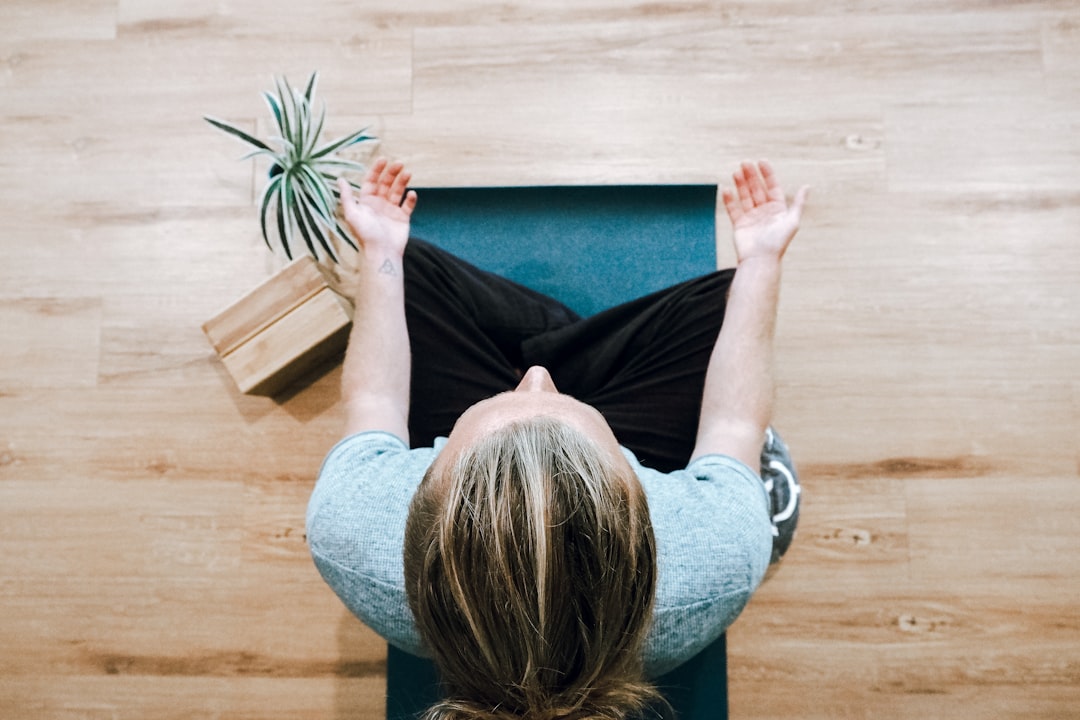
Follow these simple steps:
Sit comfortably in a quiet place.
Set a timer for five to ten minutes.
Close your eyes gently or lower your gaze.
Notice the natural movement of your breath.
Observe each inhalation and exhalation.
When the mind wanders, acknowledge it without judgement.
Calmly return your attention to the breath.
End by taking one deeper breath.
A regular time can make the habit easier to maintain. Morning meditation can create a calmer beginning to your day, while evening meditation may help release accumulated mental activity.
Is Meditation Safe for Everyone?
Meditation is generally considered a low-risk practice, but it may not always feel comfortable.
Some people may experience anxiety, difficult memories or emotional discomfort, particularly during intensive or unsupervised meditation. Begin gently and avoid forcing yourself to continue through overwhelming distress.
People living with significant trauma, severe anxiety, depression or another mental-health condition should discuss meditation with a qualified healthcare or mental-health professional.
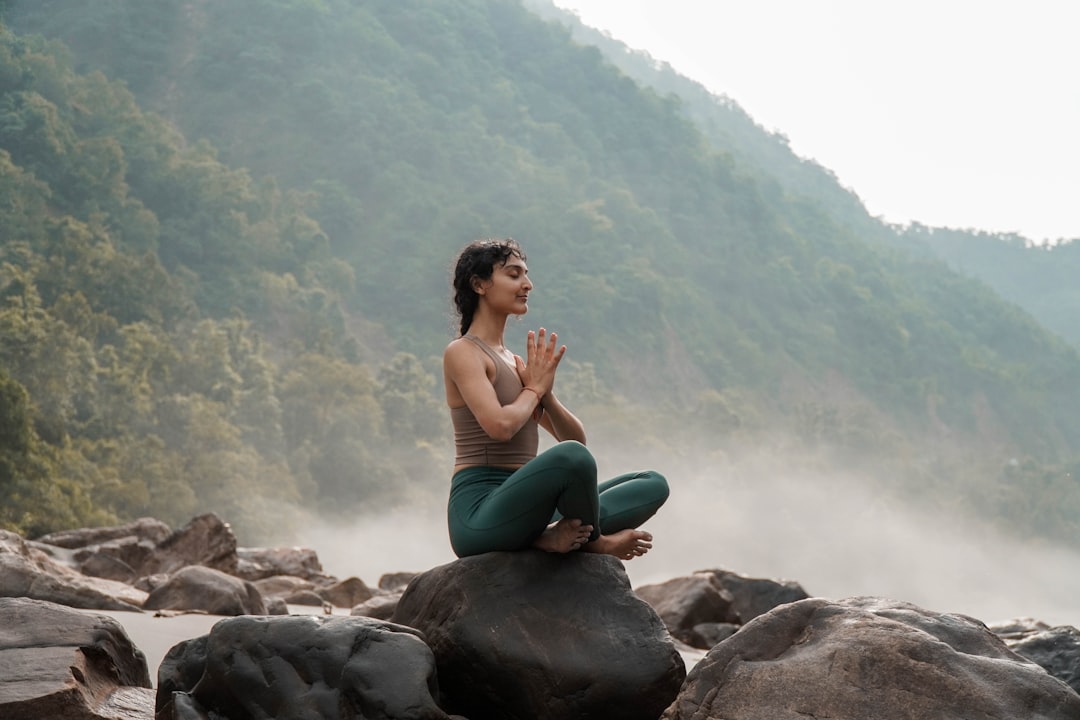
The benefits of meditation for mind, body and soul develop through patient and regular practice.
Meditation may support stress relief, anxiety management, better sleep, concentration, self-awareness and inner peace. Its value lies not in escaping life but in meeting life with greater clarity.
Begin with ten minutes a day. Observe rather than judge, and return to the breath whenever your mind wanders. Over time, this simple daily practice can become a foundation for mental balance, physical relaxation and spiritual growth.
Personal Session
Are you seeking personalised guidance for stress, emotional patterns, meditation or spiritual growth? Book a personal session and receive focused support suited to your present challenges, inner journey and personal goals. Book your personal session and take the next conscious step.
Book Now