
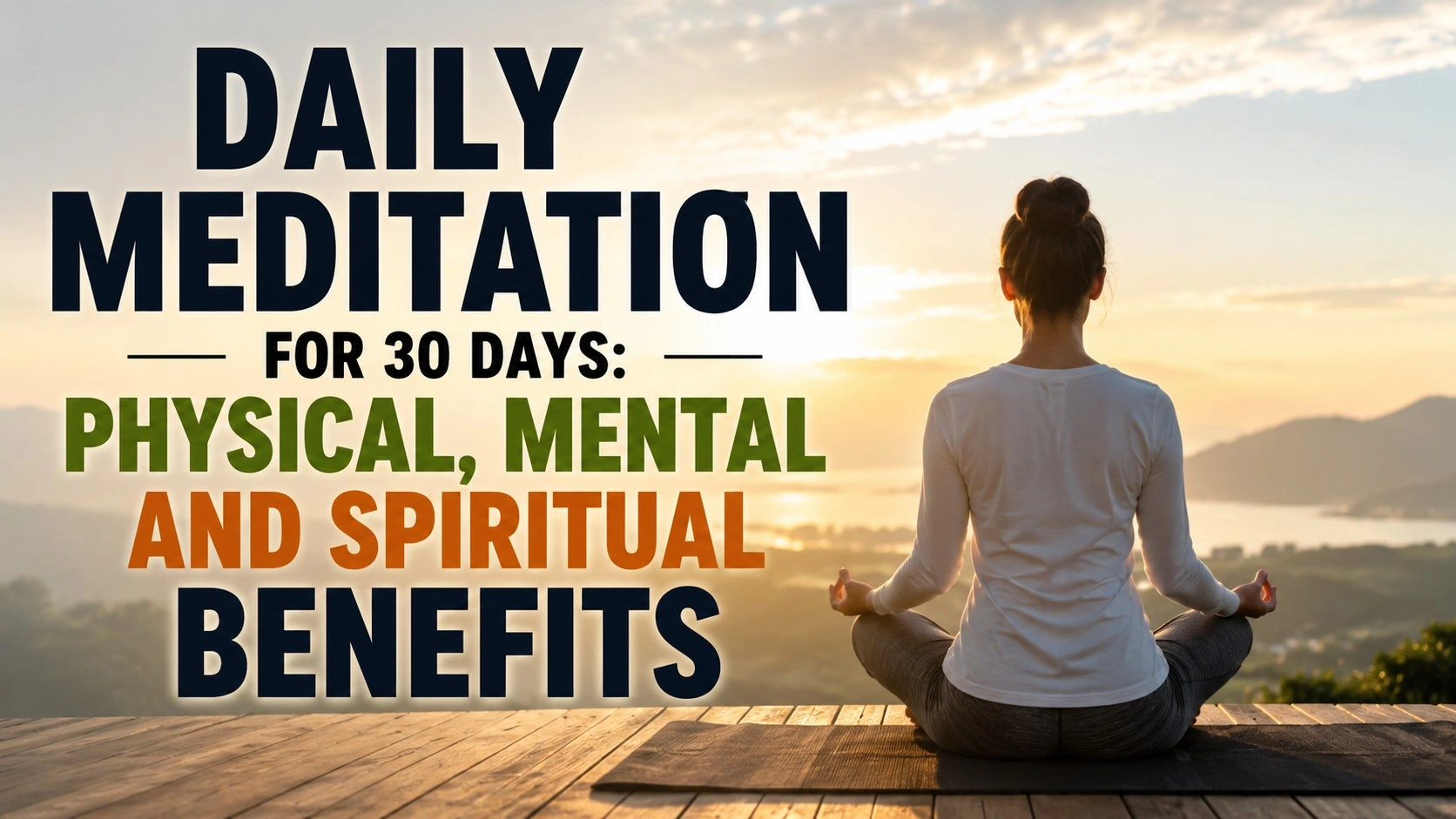
The daily meditation benefits people hope to experience often begin with one simple commitment: sitting quietly, breathing consciously and returning to the present moment every day. A 30 day meditation challenge allows you to move beyond the initial excitement of starting and observe how consistent meditation may influence your body, thoughts, emotions and spiritual awareness.
Meditating for one month does not guarantee a dramatic transformation. Some people may notice greater calm within a few days, while others experience subtle changes that become clear only when they reflect on their journey.
The real value of meditation for 30 days lies in consistency. It gives your mind repeated opportunities to slow down, notice automatic reactions and develop a healthier relationship with thoughts and emotions.
Whether you are exploring meditation for beginners or restarting an old practice, a month of meditation can help you understand how regular mindfulness fits into your life.
What Does Daily Meditation Mean?
Daily meditation does not mean sitting silently for an hour or forcing your mind to become completely blank. It simply means setting aside a few minutes each day to become more aware of your breathing, thoughts, emotions or bodily sensations.
You may choose:
Breathing meditation
Mindfulness meditation
Guided meditation
Mantra meditation
Body scan meditation
Silent observation
During meditation, your mind will wander. This is normal.
The practice is not to prevent thoughts from appearing. The practice is to notice when your attention has wandered and gently return to your breath, mantra or chosen point of focus.
Every time you return, you strengthen your ability to notice what is happening and consciously choose where to place your attention.
Design Your Destiny
Join the Design Your Destiny program to learn practical tools for self-awareness, emotional balance, inner clarity and intentional living. Take the next step toward creating a life guided by awareness instead of automatic patterns.
Start Your Journey Today!Why Try a 30 Day Meditation Challenge?
A meditation challenge provides a clear and manageable structure. Thirty days is long enough to experience the difference between occasional meditation and a regular daily meditation practice, while still feeling achievable for beginners.
During the first few days, you may mainly notice restlessness. You might feel uncomfortable sitting quietly or become surprised by how active your mind is.
After a week or two, meditation may begin to feel more familiar. You may start noticing your thoughts, tension and emotional reactions earlier during ordinary activities.
By the end of the month, you can reflect on your meditation results and decide whether you want to continue.
Do not expect a perfect meditation before and after transformation. Instead, notice smaller changes.
Are you pausing before reacting? Are you becoming aware of tension sooner? Are you able to return to the present moment more easily?
These subtle changes can be more meaningful than one dramatic meditation experience.
Physical Benefits of Daily Meditation
The physical benefits of meditation are often connected with relaxation, breathing and increased awareness of the body. Meditation is not a replacement for medical care, but it can support a healthier daily routine.
Greater awareness of physical tension
Many people hold tension in their jaw, shoulders, forehead, back or stomach without noticing it.
Daily meditation encourages you to observe your body more closely. Once you recognise tension, it may become easier to relax your muscles, adjust your posture or take a deeper breath.
This awareness may continue after meditation. You might notice yourself clenching your jaw during work or tightening your shoulders during a stressful conversation.
Becoming aware of tension gives you an opportunity to release it.
More conscious breathing
Breathing meditation encourages slower and more deliberate breathing. This may help you feel more grounded during emotionally intense or stressful moments.
After practising meditation every day, your breath may become a natural anchor.
You may begin taking a conscious breath before an important meeting, while waiting in traffic or before responding during a difficult conversation.
A calmer bedtime routine
Many people practise meditation because they find it difficult to switch off at night.
Meditation cannot guarantee better sleep, but a short evening practice may create a calmer transition from activity to rest.
Instead of fighting every thought, you practise noticing thoughts and allowing them to pass. This may help bedtime feel less mentally crowded.
Earlier recognition of stress
Stress may appear through shallow breathing, tiredness, muscle tightness or physical restlessness.
Meditation for stress relief gives you a regular pause in which you are not being asked to perform, solve problems or react.
The health benefits of meditation do not necessarily come from removing all stressful situations. They may come from recognising stress sooner and responding to it more intentionally.
Mental Benefits of Meditation for 30 Days
The mental benefits of meditation often become noticeable when you begin observing your thoughts instead of automatically believing or following every thought.
Improved mental clarity
Meditation may create a little more space between thoughts. Your mind may not become completely silent, but it can begin to feel less crowded.
This mental clarity may help you make more thoughtful decisions because you are less likely to respond immediately from frustration, fear or confusion.
Many people who wonder what daily meditation does to your brain are actually looking for changes in focus, awareness and thought patterns.
Individual results vary, but a regular practice may help you become more aware of distractions and repetitive thinking.
Better focus and concentration
Meditation for focus and concentration involves repeatedly returning attention to one point, such as the breath.
Every time the mind wanders and you return, you practise redirecting your attention.
After 30 days, you may begin noticing distractions sooner while reading, working or listening to another person.
Meditation does not remove every distraction, but it can make unconscious distraction easier to recognise.
A healthier relationship with overthinking
People often search for meditation for anxiety or meditation for mental health because they feel trapped in repetitive thoughts.
Meditation is not a cure for anxiety, and professional support may still be necessary. However, mindfulness can help you recognise that a thought is a mental event, not always a fact or instruction.
Instead of arguing with every thought, you learn to observe it, allow it to pass and return to what is happening in the present moment.
Greater emotional balance
Emotional balance does not mean that you stop feeling anger, sadness, disappointment or fear.
It means becoming more aware of an emotion before it completely controls your words and actions.
Daily meditation may create a small pause between feeling something and reacting to it. That pause can help you communicate more calmly, understand your triggers and make more conscious choices.
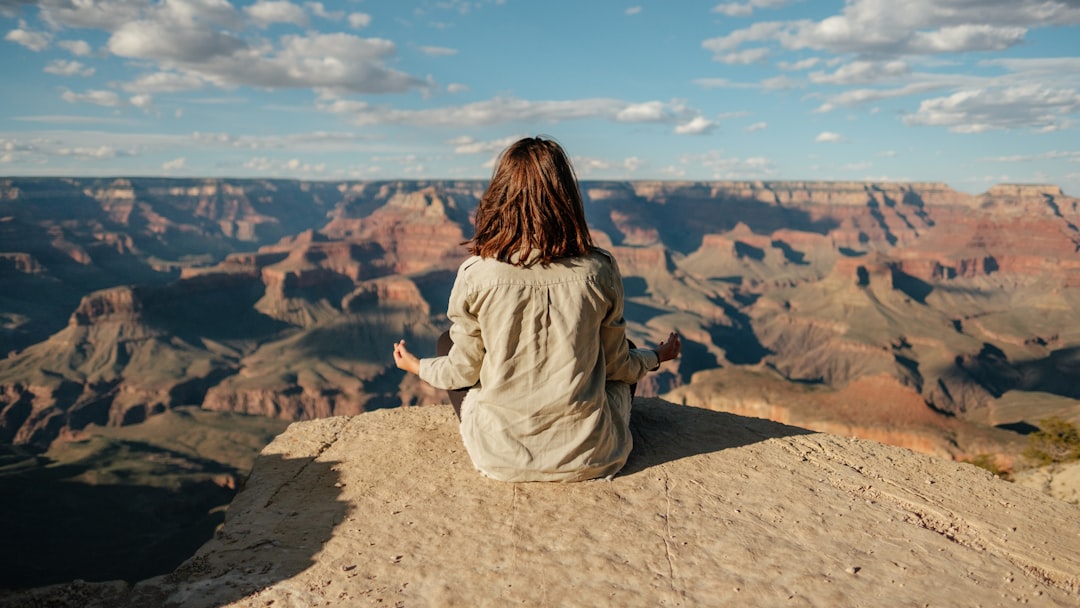
Spiritual Benefits of Meditation
For some people, meditation begins as a relaxation practice and gradually becomes a path toward spiritual growth.
The spiritual benefits of meditation are personal. They may appear as greater self-awareness, inner peace, compassion or a deeper connection with life.
Deeper self-awareness
Meditation invites you to observe your thoughts, roles and identities without becoming completely trapped in them.
You may begin asking deeper questions:
Who am I beneath my achievements and worries? What truly matters to me? Which habits support the life I want to live?
This self-awareness can encourage inner transformation because you are no longer moving through life entirely on autopilot.
A stronger sense of inner peace
Meditation for inner peace does not promise a life without difficulty.
Instead, it helps you discover a quieter inner space from which challenges can be faced.
Some meditation sessions may feel calm and peaceful. Others may reveal restlessness or discomfort. Both experiences can deepen awareness when approached with patience.
Greater present-moment awareness
One of the main mindfulness benefits is learning to meet life as it is happening instead of constantly replaying the past or worrying about the future.
Ordinary experiences such as drinking tea, walking, listening to music or speaking with a loved one may begin receiving more of your attention.
Spiritual awakening is not always a dramatic event. Sometimes, it appears as a growing ability to be fully present.
Increased compassion
When you observe your own fears, habits and emotional struggles without harsh judgment, you may become more understanding toward others.
Compassion does not mean accepting harmful behaviour. It means responding with awareness instead of unnecessary anger, hatred or impulsive judgment.
What Happens After 30 Days of Meditation?
What happens after 30 days of meditation depends on your consistency, technique, expectations and personal circumstances.
You may notice that you:
Become aware of thoughts sooner
Pause before reacting emotionally
Use breathing as a calming anchor
Recognise physical tension earlier
Feel more present during daily activities
Recover more quickly after stressful moments
Judge your wandering mind less harshly
Feel motivated to continue meditating
Daily meditation for 30 days results are often subtle.
You may still experience stress, but respond to it differently. Your mind may still wander, but you may no longer treat wandering as failure. You may become more honest about emotions you previously ignored.
Rather than asking, “Did meditation completely change my life?” ask, “What changed in how I relate to my mind, body and emotions?”
How to Start a 30 Day Meditation Challenge for Beginners
Begin with five or ten minutes. A short session you complete consistently is more valuable than an ambitious routine you abandon.
Choose a regular time. Morning meditation benefits people who want to begin the day intentionally, while evening meditation may suit those who want to slow down before sleeping.
Use one simple technique. Follow your breath, repeat a mantra or listen to a guided meditation.
Create a visible reminder. Place a meditation cushion near your bed, set a phone reminder or connect meditation with an existing habit.
Track consistency rather than perfection. Mark each day you meditate, even when the session feels restless.
Missing one day does not mean the challenge has failed. Simply return to your practice the next day.
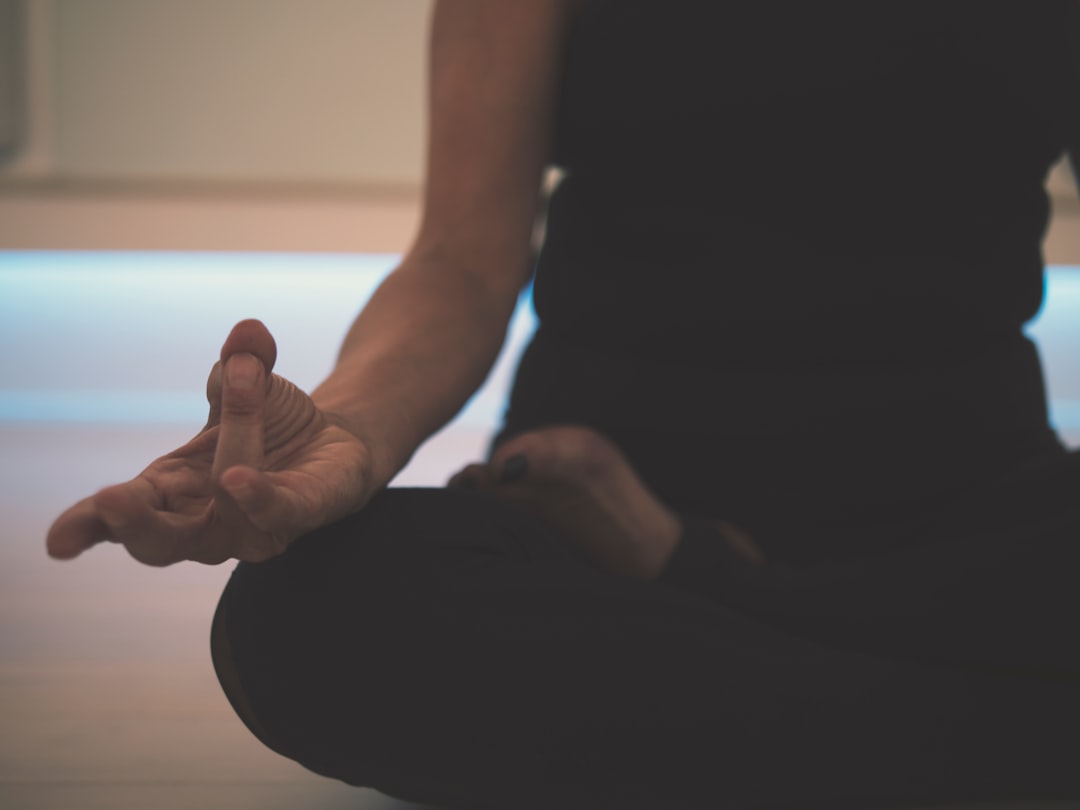
Benefits of 10 Minutes of Meditation Daily
You do not need to meditate for long periods to begin experiencing the practice.
Ten minutes gives you enough time to pause, notice your breathing and observe your mental state. It is also easier to fit into a busy daily routine.
The benefits of 10 minutes meditation daily come mainly from consistency. As meditation becomes more comfortable, you may naturally increase the duration, but there is no need to rush.
Common Challenges During the First Month
Restlessness, sleepiness and impatience are common during a 30 day meditation challenge.
A busy mind does not mean meditation is failing. It means you are becoming aware of mental activity that was already present.
If you feel sleepy, try sitting upright or meditating at a more alert time. If you feel impatient, release the expectation of immediate results.
Meditation may also bring attention to emotions you normally avoid. Shorten the session when necessary and seek qualified professional support if meditation increases distress or feels overwhelming.
How to Measure Your Meditation Results
Do not measure your progress only by how calm you feel during meditation. Pay attention to how you behave outside the session.
At the end of each week, ask yourself:
Am I reacting differently to stress? Do I recognise emotions sooner? Is my concentration improving? Am I treating myself more kindly? Am I more present during everyday activities?
Keeping a short journal can help you recognise meditation before and after changes that may otherwise be easy to overlook.
Completing daily meditation for 30 days is less about becoming a completely different person and more about seeing yourself clearly.
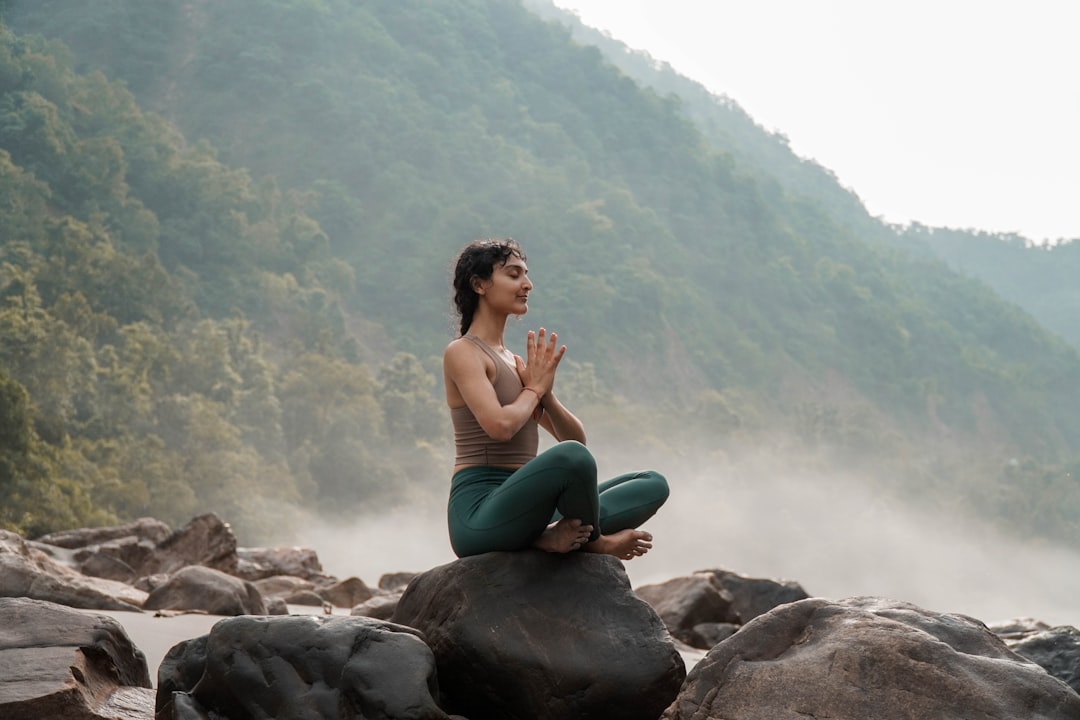
The practice may support physical relaxation, mental clarity, emotional balance, spiritual growth and a deeper connection with the present moment.
Your most valuable meditation result may be an extra breath before responding, a calmer approach to uncertainty or a kinder relationship with your mind.
Begin with a few minutes, practise consistently and allow the experience to unfold naturally. Thirty days can become the foundation of a meditation habit that supports you long after the challenge ends.
Personal Session
Book a personal session for personalised guidance with meditation, emotional patterns and spiritual growth. Receive focused support to understand your current challenges, develop a practice suited to your needs and move forward with greater clarity and confidence.
Book Now