
In today’s fast-moving world, millions of people silently struggle with stress and panic every single day. A restless mind, racing thoughts, emotional exhaustion, and constant worrying have become common experiences in modern life. Many people feel trapped in a cycle of anxiety and stress, unable to relax even when there is no immediate danger around them.
Sometimes the mind refuses to slow down. Thoughts continue running endlessly, emotions feel overwhelming, and even small situations can trigger panic. If you’ve ever wondered “Why can’t my mind calm down?”, you are not alone.
Understanding the root causes of mental stress, panic attacks, and emotional overload is the first step toward healing. The good news is that with awareness, mindfulness, and the right techniques, it is possible to regain mental clarity and emotional balance.
Why the Mind Becomes Restless
The human mind is designed to protect us from danger. However, in modern life, the brain often reacts to emotional pressure, social expectations, financial worries, digital overload, and unresolved emotions as if they are life-threatening situations.
This constant state of alertness keeps the nervous system activated, leading to:
Racing thoughts
Overthinking
Anxiety symptoms
Emotional stress
Mental fatigue
Panic attacks
Difficulty sleeping
Irritability and exhaustion
Over time, chronic stress affects not only mental health but also physical wellbeing. A person may feel mentally drained even after resting because the mind itself never truly relaxes.
Design Your Destiny
Your mind has the power to create peace, clarity, and emotional freedom. Join the Design Your Destiny journey to learn powerful techniques for overcoming stress, calming overthinking, and building inner strength through awareness and conscious living.
Start Your Journey!Understanding Stress and Panic
Although stress and panic are connected, they are not exactly the same.
What Is Stress?
Stress is the body’s response to pressure or challenges. Short-term stress can sometimes help us stay alert and focused. However, long-term stress becomes harmful when the body stays in survival mode continuously.
Common signs of stress include:
Muscle tension
Headaches
Overthinking
Lack of concentration
Mood swings
Fatigue
Emotional burnout
What Is Panic?
Panic is a sudden wave of intense fear or discomfort. A panic attack can happen unexpectedly and may feel terrifying.
Common panic attack symptoms include:
Rapid heartbeat
Difficulty breathing
Sweating
Chest tightness
Trembling
Dizziness
Feeling out of control
Fear of something terrible happening
Many people experiencing panic attacks believe something is seriously wrong physically, when in reality the nervous system is overwhelmed emotionally.
The Connection Between Overthinking and Anxiety
One of the biggest reasons the mind refuses to calm down is overthinking.
Overthinking keeps the brain trapped in repetitive thought patterns. Instead of living in the present moment, the mind keeps replaying the past or worrying about the future.
This mental loop increases:
Anxiety and stress
Emotional exhaustion
Fear and insecurity
Mental overload
Self-doubt
The more a person tries to “control” every possible outcome, the more restless the mind becomes.
Learning how to stop overthinking is not about forcing thoughts away. It is about observing thoughts without becoming emotionally consumed by them.
How Modern Life Increases Anxiety
Modern lifestyles contribute heavily to mental stress and panic disorders. Some major triggers include:
Digital Overload
Constant notifications, endless scrolling, and social media comparison overstimulate the brain. The nervous system rarely gets time to rest.
Lack of Emotional Processing
Many people suppress emotions instead of expressing them. Unprocessed emotions eventually appear as anxiety, panic, or emotional burnout.
Fear of Failure
Modern society places immense pressure on success, productivity, and perfection. This creates chronic stress and emotional imbalance.
Disconnection From the Present Moment
Most people spend their lives mentally living in the future or replaying the past, which fuels anxiety and emotional stress.
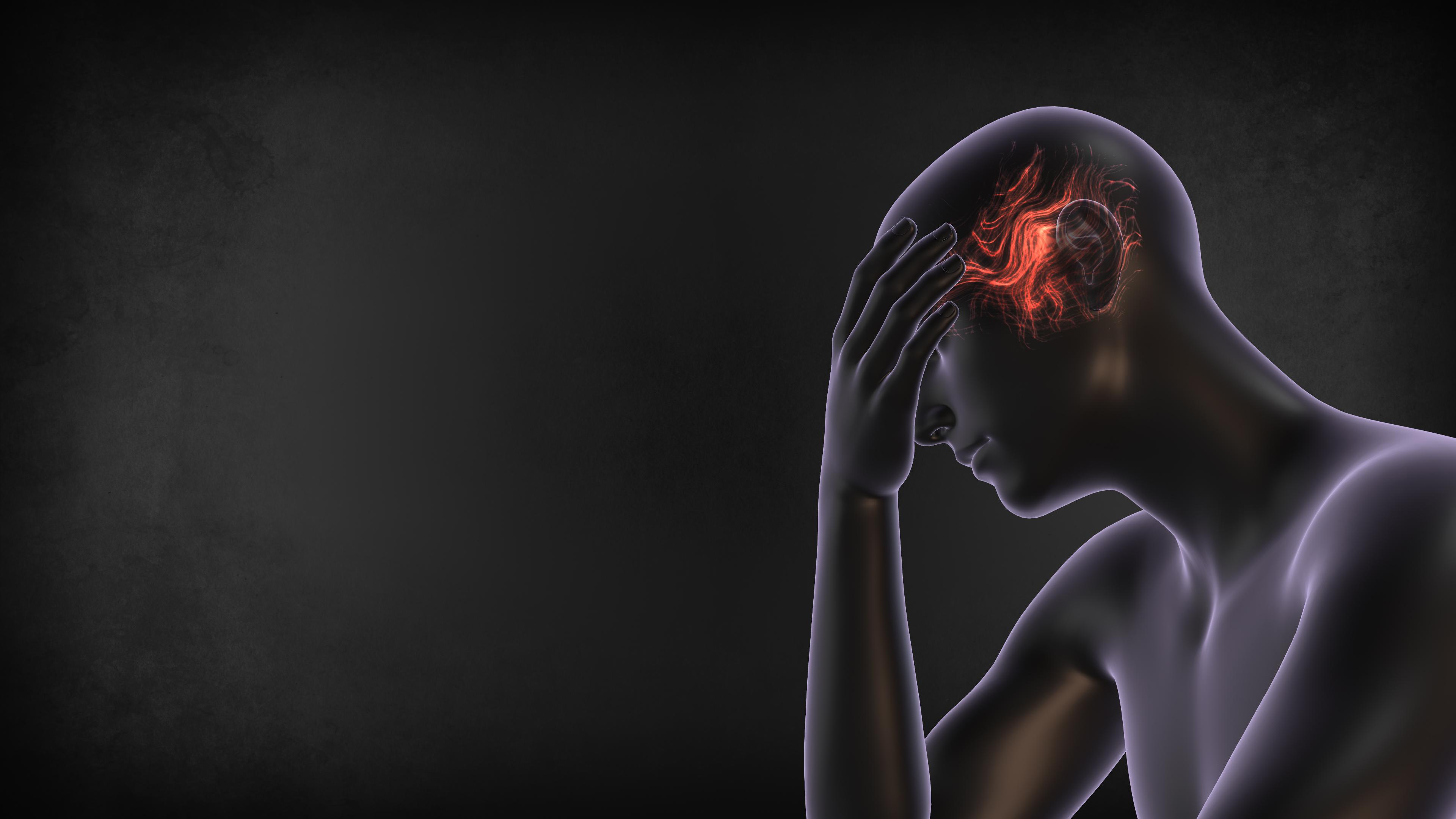
Signs Your Nervous System Needs Rest
Sometimes the body sends signals before a complete mental breakdown happens.
Common emotional stress symptoms include:
Feeling emotionally numb
Constant worrying
Brain fog
Mental fatigue
Feeling overwhelmed easily
Difficulty concentrating
Irritability
Feeling disconnected from yourself
Sleep problems
Lack of motivation
Ignoring these signs for too long can lead to severe burnout and panic disorders.
How to Calm the Mind Naturally
Healing anxiety and stress requires calming the nervous system consistently. Small daily habits can create major changes over time.
1. Practice Deep Breathing
Breathing exercises for anxiety are one of the fastest ways to calm the nervous system.
Slow breathing signals safety to the brain and reduces panic symptoms naturally.
Try this simple technique:
Inhale slowly for 4 seconds
Hold for 4 seconds
Exhale slowly for 6 seconds
Repeat for several minutes until the body relaxes.
2. Reduce Mental Overload
The brain was never designed to process constant information all day long.
Reduce overstimulation by:
Limiting screen time
Taking breaks from social media
Spending time in silence
Avoiding excessive multitasking
Mental peace grows when the mind has space to breathe.
3. Practice Mindfulness for Anxiety
Mindfulness helps bring awareness back to the present moment.
Instead of fighting thoughts, mindfulness teaches you to observe them calmly.
Simple mindfulness practices include:
Watching your breath
Paying attention while eating
Walking without distractions
Observing thoughts without judgment
Over time, mindfulness reduces emotional reactivity and creates inner calm.

4. Stop Suppressing Emotions
Emotional healing begins when feelings are acknowledged instead of avoided.
Journaling, talking to trusted people, meditation, or therapy can help process emotional stress safely.
Healing does not happen by ignoring emotions. It happens by understanding them.
5. Calm the Nervous System Through Rest
Rest is not laziness. It is emotional recovery.
Your nervous system heals when you:
Sleep properly
Spend time in nature
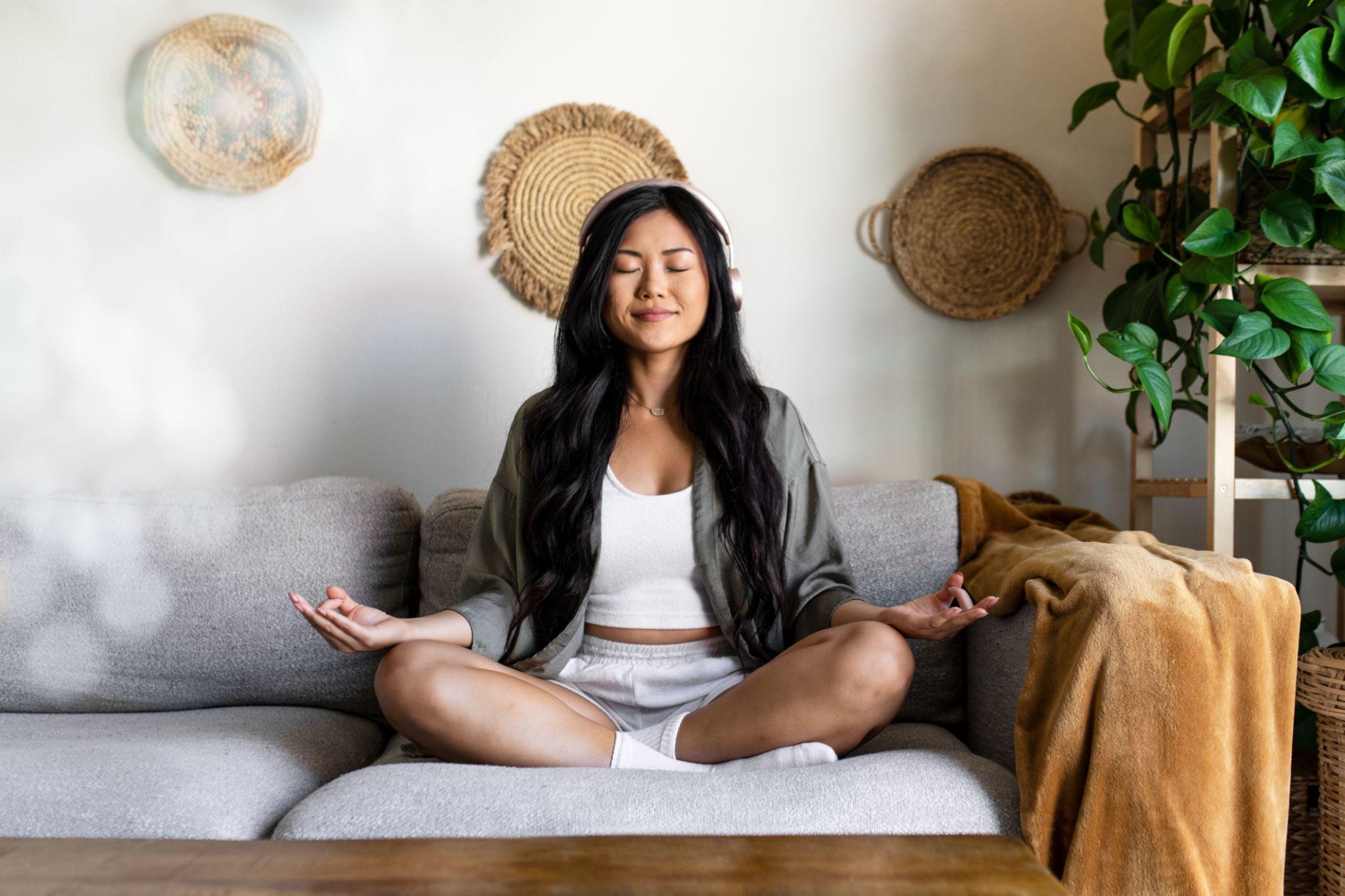
Practice meditation
Listen to calming music
Disconnect from stress triggers
A calm nervous system creates a calm mind.
The Role of Meditation in Stress Relief
Meditation for stress relief is becoming increasingly popular because it directly affects the nervous system and emotional balance.
Regular meditation helps:
Reduce anxiety symptoms
Improve concentration
Lower emotional stress
Increase mental clarity
Calm racing thoughts
Improve emotional resilience
Even 10 minutes daily can create noticeable changes over time.
Meditation is not about stopping thoughts completely. It is about learning not to become controlled by them.
Emotional Healing and Inner Peace
True healing happens when we stop fighting ourselves internally.
Many people try to escape stress through distractions, but inner peace comes from understanding the mind rather than running from it.
Emotional wellbeing grows when we:
Accept our emotions
Slow down mentally
Release unrealistic expectations
Stay connected to the present moment
Develop self-awareness
Inner peace is not the absence of problems. It is the ability to remain centered even during difficult moments.
Can Anxiety and Panic Be Healed Naturally?
In many cases, yes. While severe anxiety disorders may require professional support, many people experience significant improvement through lifestyle changes, mindfulness, emotional healing, and stress reduction techniques.
Natural healing methods include:
Meditation
Breathwork
Healthy sleep habits
Exercise
Emotional processing
Therapy or guidance
Spiritual practices
Digital detox
Consistency matters more than perfection.
The Importance of Self-Compassion
People struggling with anxiety often become harsh toward themselves. They judge themselves for feeling weak, emotional, or overwhelmed.
But healing requires compassion.
You are not failing because your mind feels tired.
You are human.
A calm mind develops gradually through patience, awareness, and self-care.
Creating a Peaceful Mind in Daily Life
Mental peace is created through small conscious choices every day.
You can begin by:
Starting mornings without your phone
Taking mindful pauses during the day
Practicing gratitude
Spending time in silence
Reducing unnecessary mental noise
Prioritizing emotional wellbeing
The mind becomes peaceful when life becomes more conscious.
Living with constant stress and panic can feel exhausting, but healing is possible. A restless mind does not mean you are broken. It often means your nervous system is overwhelmed and asking for care.
By understanding anxiety, calming the nervous system, and practicing mindfulness, emotional healing becomes possible.
The journey toward a calm mind begins with awareness.
Slow down.
Breathe deeply.
Listen to yourself.
Peace does not come from controlling every thought. It comes from learning how to live beyond them.
Personal Session
Feeling emotionally overwhelmed or mentally exhausted? Book a personal session for personalized guidance on stress management, emotional healing, mindfulness, and creating a calm, balanced, and peaceful life naturally.
Book Now