

Pitru Paksha is a sacred period in the Hindu tradition dedicated to remembering, honouring, and expressing gratitude towards our ancestors. Families observe these days through Shraddha, Tarpan, Pind Daan, prayer, remembrance, feeding others, and charitable giving. One of the most common questions people have during this period is what to donate during Pitru Paksha 2026 and which acts of daan are traditionally considered meaningful for ancestors.
In 2026, the main Pitru Paksha period is observed from September 27 to October 10, while Purnima Shraddha falls on September 26. Sarva Pitru Amavasya falls on October 10, 2026, and traditionally holds special importance for remembering ancestors whose death tithi may be unknown or whose Shraddha could not be observed earlier.
But Pitru Paksha daan is not simply about giving away material possessions. At its heart, it represents gratitude, compassion, humility, and seva. The emphasis is less on how expensive the donation is and more on whether it is given sincerely and whether it genuinely benefits someone.

What Is the Importance of Daan in Pitru Paksha?
The importance of daan in Pitru Paksha is connected with the larger spiritual idea of remembering those who came before us by performing acts of kindness in their name. Hindu traditions associate Shraddha with shraddha—faith, sincerity, and reverence. Therefore, remembrance is expressed not merely through ritual but also through generosity.
During Pitru Paksha, many families perform Tarpan with water and black sesame, prepare food as part of Shraddha, perform Pind Daan according to family customs, feed others, and donate useful items. Charity in the form of food, clothing, or other necessities continues to be part of contemporary Pitru Paksha observance.
There is also a deeper message behind this tradition. Our lives have been shaped by generations before us—their sacrifices, values, struggles, choices, and blessings. Pitru Paksha creates an opportunity to consciously acknowledge this connection. When an act of charity is performed in the memory of an ancestor, remembrance is transformed into compassionate action.
Design Your Destiny
Our ancestors give us more than a family name—they leave behind patterns, values, experiences and lessons that continue across generations. Design Your Destiny helps you move from unconscious patterns to conscious living through deeper awareness, self-understanding and spiritual wisdom. Begin your journey with Design Your Destiny and learn to create your life consciously.
Start Your Journey Today!What Should You Donate During Pitru Paksha 2026?
If you are wondering what should you donate during Pitru Paksha 2026, traditional choices include food, grains, clothes, black sesame, and useful everyday essentials. The exact customs may differ between communities and families, so there is no single Pitru Paksha daan list that every Hindu household must follow.
What matters most is that the item should be clean, useful, appropriate, and given respectfully to someone who genuinely needs it.
Food and Grains
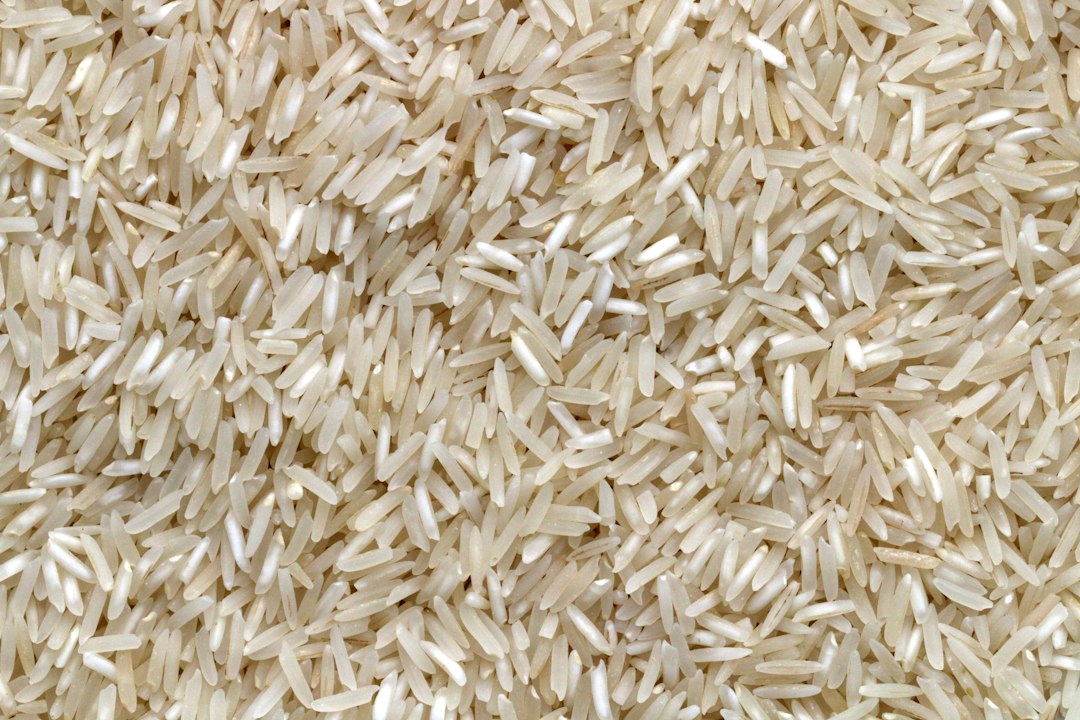
Among the most widely practised forms of Pitru Paksha daan, food donation carries special significance. Feeding someone who is hungry is one of the simplest ways to transform remembrance into seva.
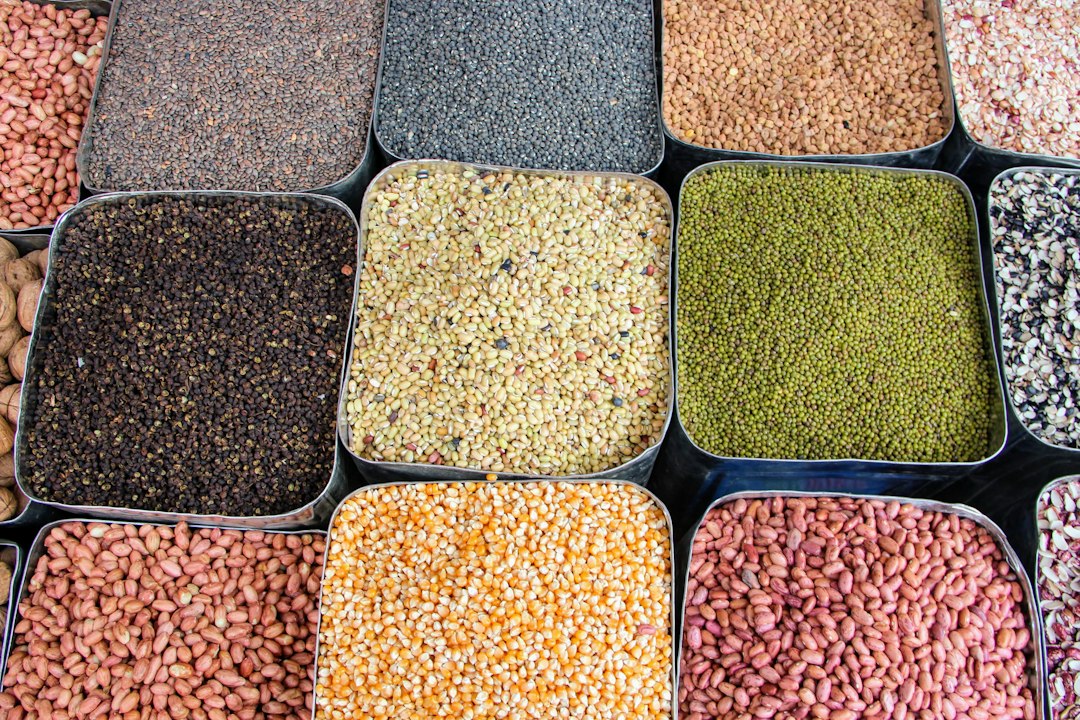
Families may prepare simple vegetarian food and offer meals to people in need. Rice, wheat, dal, flour and other grains may also be donated according to local and family customs. Traditional Shraddha practices may include preparing foods such as rice, dal or kheer, although menus differ substantially between regions and families.
If you are searching for food to donate during Pitru Paksha, focus on fresh, wholesome food rather than elaborate or expensive dishes. Food should never be wasted merely for the sake of completing a ritual.
The spiritual principle is simple: food sustains life. Sharing it becomes an expression of compassion while remembering those who gave life and lineage to us.
Black Sesame Seeds or Til
Black sesame, known as kala til, has a longstanding association with ancestral rituals. It is commonly used with water during Tarpan and may also form part of traditional ancestral offerings.
During Tila Tarpan, black sesame is combined with water as part of the remembrance of departed ancestors. Some traditions may also use kusha grass or other prescribed materials.
People may therefore include sesame among their Shradh daan items, depending on their family's customs.
However, it is useful to distinguish between donating sesame and using sesame as part of Tarpan. These practices can vary, so families wanting to perform formal rituals should follow their established tradition or seek guidance from a knowledgeable priest.
Can Women Perform Shraddha? Rules for Daughters & Women
Clothes
Can we donate clothes during Pitru Paksha? In many traditions, yes. Clothing is commonly mentioned among useful items that can be given in charity during Pitru Paksha.
Rather than treating clothes donation as a symbolic act alone, choose something the recipient can genuinely use. Clean, suitable clothing donated respectfully has greater meaning than simply disposing of unwanted belongings.
Some traditions prefer donating new clothes during Shraddha-related charity, so individual family customs should be respected.
The idea behind this form of daan is dignity. When a donation fulfils an actual human need, the act carries both practical and spiritual value.
Daily Essentials
Useful everyday necessities can also form part of things to donate for ancestors. Instead of focusing only on traditional objects, one can think about what will genuinely help the recipient.
Depending upon family practice, this might include household essentials or other necessities required by someone in need. Contemporary discussions of Pitru Paksha charity similarly emphasise giving useful items rather than assuming that a costly donation is spiritually superior.
Daan should ideally lighten someone else's burden. That intention reflects the spirit of seva more meaningfully than donating simply because tradition says that something must be given.
Who Should You Donate to During Pitru Paksha?
Another frequently searched question is who to donate to during Pitru Paksha.
Traditional Shraddha practices may include Brahmin Bhoj or giving food and offerings according to a family's customary procedure. Feeding cows, crows and dogs is also observed in many families as part of Pitru Paksha traditions. At the same time, food, clothing, money or useful essentials can be given to people genuinely in need.
The larger principle is compassion rather than social status. A person who is hungry, elderly, financially vulnerable, homeless, or otherwise in genuine need can be helped respectfully.
One should also avoid reducing daan to a transaction—“I give this, therefore I must receive a particular blessing.” The deeper spiritual value emerges when the act is performed without ego, display, or expectation.
What Should You Donate on Sarva Pitru Amavasya?
Sarva Pitru Amavasya, which falls on October 10 in 2026, concludes the main Pitru Paksha observances. It traditionally provides an opportunity to remember ancestors collectively, particularly when an ancestor's exact death tithi is not known or a Shraddha was missed earlier.
If you are searching for what to donate on Sarva Pitru Amavasya, food, grains, clothing and other useful essentials may be given according to your family traditions. Tarpan, prayer, remembrance and feeding someone in need may also accompany the day.
Rather than trying to accumulate a long list of ritual objects, focus on sincerity. Even a modest meal offered to someone hungry can embody the principle of daan when it is given respectfully.
Sarva Pitru Amavasya can also become a meaningful day for remembering ancestors whose names or stories have faded over generations. In that sense, the observance is not only about immediate parents or grandparents but about acknowledging the broader lineage that made our own existence possible.
What Are the Best Daan Items for Shraddha?
There is no universally applicable answer to which donation is best during Pitru Paksha because customs differ across India.
Food remains one of the most accessible and meaningful choices because it directly benefits another living being. Grains, suitable clothing, black sesame where customary, and useful necessities are also commonly associated with ancestral charity. Traditional sources and current descriptions of the observance consistently mention food, clothes and useful items as common forms of charitable giving.
But the word “best” should not be understood purely materially.
A humble donation given with compassion can be more meaningful than an expensive donation made for display. Instead of asking only, “What should I give?” Pitru Paksha invites a deeper question: “Can my remembrance of my ancestors inspire me to reduce somebody else's suffering?”
That is where daan begins to become spiritual practice rather than ritual obligation.
Pitru Paksha Rituals and Donations: What Is the Connection?
Pitru Paksha rituals and donations complement each other but are not necessarily the same thing.
Tarpan generally refers to an offering involving water, often with black sesame, made while remembering ancestors. Pind Daan involves ritual offerings prepared according to established traditions. Shraddha encompasses a broader range of rites associated with honouring departed family members.
Daan adds another dimension—the act of sharing something beneficial with others.
Traditionally, these practices may be performed on the tithi associated with the ancestor's death. The precise muhurat and observance can differ based on location because Hindu tithis are calculated according to the lunar calendar. Drik Panchang, for example, advises performing Pitru Paksha Shraddha during appropriate periods such as Kutup, Rohina and Aparahna, with Tarpan traditionally performed at the end of Shraddha.
Anyone performing a formal Shraddha ceremony should therefore check the local Panchang and follow their family tradition instead of relying on a generic internet timetable.
What Should You Donate During Pitru Paksha for Pitru Dosha?
In Vedic astrology and certain Hindu traditions, Pitru Dosha or Pitra Dosh is associated with ancestral karma or unresolved ancestral obligations. Some traditional practices recommend Tarpan, remembrance, feeding people in need, feeding animals, lighting a diya, and giving useful items in charity during Pitru Paksha.
However, donation should not be viewed as a guaranteed formula for removing every difficulty in life.
If your family follows astrological remedies, acts of daan can be performed as part of a broader devotional practice. The more universally valuable lesson is to honour your ancestors through gratitude, responsible conduct, kindness and service.
Resolving family conflicts, caring for elderly family members, preserving family stories, forgiving past grievances and helping people in need may also embody the spirit behind ancestral remembrance.
Tarpan Vidhi at Home During Pitru Paksha 2026 Complete Guide
The Deeper Meaning of Pitru Paksha Daan
Pitru Paksha reminds us that we did not arrive in this world independently. Our body, language, family traditions, opportunities and even many of our beliefs have been passed down through generations.
Ancestors cannot be honoured only through ceremony. Their memory also lives through the way we conduct our lives.
When food is shared with someone hungry, when clothes bring comfort to someone who needs them, when a family sits together and remembers a grandparent's wisdom, or when an old family conflict is healed, remembrance becomes alive.
This is why what to donate during Pitru Paksha 2026 should perhaps not be approached simply as a shopping list.
Give what is useful. Give respectfully. Give without ego. Remember sincerely.
In doing so, Pitru Paksha becomes more than an annual ritual—it becomes a practice of gratitude.
Personal Session
Every person's inner journey is different. If you are seeking deeper clarity about recurring patterns, relationships, emotional challenges, spiritual growth or the direction of your life, a personalised session can help you look within with greater awareness. Book a Personal Session and begin your journey towards greater clarity, balance and conscious living.
Book NowRead Latest Articles