Feeling sad, disappointed or emotionally low from time to time is a normal part of life. Depression, however, is different from an occasional bad day or temporary sadness.
Depression is a common mental health condition characterised by persistent low mood or a loss of interest or pleasure in activities for an extended period. It can affect how a person thinks, feels, sleeps, eats, works, studies and interacts with others. The World Health Organization explains that a depressive episode usually involves depressed mood or loss of interest for most of the day, nearly every day, for at least two weeks.
The National Institute of Mental Health similarly describes depression, also known as major depression or major depressive disorder, as a condition that can cause symptoms severe enough to interfere with ordinary activities such as sleeping, eating and working.
Understanding what depression is, how it differs from sadness, and what symptoms to watch for can help people recognise when professional support may be needed.
What Is Depression?
Depression, also called a depressive disorder, is a mental health condition that affects mood, motivation, thinking and daily functioning.
It may involve persistent sadness, emptiness or irritability, but depression is not defined only by feeling sad.
Some people primarily experience:
loss of motivation
lack of pleasure
exhaustion
difficulty concentrating
sleep problems
feelings of worthlessness
social withdrawal
hopelessness
Depression can affect anyone, regardless of age, background, income, education or culture. Researchers understand depression as arising from a complex interaction of biological, psychological, environmental and social factors.
Depression Meaning
The simplest way to understand the meaning of depression is that it is a persistent change in mood and functioning that goes beyond normal emotional ups and downs.
A difficult event may naturally cause sadness.
For example, someone may feel low after:
losing a job
ending a relationship
experiencing grief
failing an exam
having an argument
Normal sadness often changes over time and may improve when circumstances change.
Depression may persist even when there is no obvious reason, or it may continue long after a stressful situation begins.
It can also make ordinary tasks feel unusually difficult.
Getting out of bed, concentrating on work, answering messages or enjoying hobbies may require far more effort than before.
Design Your Destiny
Periods of emotional difficulty can sometimes encourage deeper reflection on our relationships, habits and life direction. Self-awareness practices may support personal growth, but they are not a substitute for professional mental-health treatment when depression is present.
Start Your Journey Today!Depression vs Sadness: What Is the Difference?
Sadness is an emotion.
Depression is a health condition.
Sadness usually has a clear cause and tends to come and go. A person may still experience moments of pleasure, connection or hope despite feeling upset.
Depression is generally more persistent.
According to WHO and NIMH, a depressive episode typically lasts at least two weeks, with symptoms occurring most of the day and nearly every day.
The symptoms also affect functioning.
Someone experiencing depression may struggle with:
work
studies
relationships
sleep
eating
personal care
daily responsibilities
The presence of persistent symptoms and their impact on everyday life are important reasons to speak with a qualified health professional.
Common Symptoms of Depression
Depression does not look exactly the same in every person.
Some individuals experience mainly emotional symptoms, while others notice physical problems, irritability or difficulty functioning.
Common symptoms described by NIMH include:
persistent sadness, anxiety or an empty mood
hopelessness or pessimism
irritability, frustration or restlessness
feelings of guilt, worthlessness or helplessness
loss of interest or pleasure in activities
low energy or fatigue
difficulty concentrating or making decisions
sleep disturbances
changes in appetite or weight
unexplained aches or digestive problems
thoughts about death or suicide
Not everyone experiences every symptom.
The number, intensity and combination of symptoms can vary significantly.
Emotional Symptoms of Depression
Emotional signs may include:
Persistent Sadness
A person may feel low, empty or emotionally numb for long periods.
Loss of Interest
Activities that were once enjoyable may no longer feel rewarding.
This is known as anhedonia and is one of the core features of depression.
Hopelessness
People may feel that nothing will improve or that the future has little to offer.
Excessive Guilt
Someone may blame themselves for problems or feel guilty about things that are not their responsibility.
Low Self-Worth
Depression can distort self-perception and make a person feel inadequate, useless or burdensome.
Irritability
Depression does not always appear as sadness.
Some people, including children and teenagers, may primarily appear irritable or easily frustrated.
Physical Symptoms of Depression
Depression can affect the body as well as the mind.
Common physical symptoms include:
fatigue
low energy
difficulty sleeping
sleeping excessively
changes in appetite
weight gain or loss
headaches
body aches
digestive problems
slowed movement or speech
NIMH notes that some people experience physical symptoms such as headaches, cramps, pain or digestive difficulties that do not have an obvious physical explanation.
This is one reason depression may sometimes go unrecognised.
A person may seek help for fatigue or physical discomfort before realising that mood changes are also present.
Positive Parenting: 10 Effective Ways to Happy & Confident Kids
Behavioural Signs of Depression
Depression can also change behaviour.
Possible signs include:
withdrawing from friends
avoiding social activities
struggling to meet responsibilities
neglecting personal care
losing motivation at work or school
using alcohol or substances more frequently
becoming unusually impulsive
spending much more time alone
NIMH notes that withdrawal, detachment, increased substance use and inability to meet responsibilities can accompany depression.
What Are the Different Types of Depression?
Depression is not one single condition.
Several forms may occur, and their pattern, duration and triggers can differ.
1. Major Depressive Disorder
Major depressive disorder, sometimes called major depression or clinical depression, is one of the most recognised forms.
NIMH describes major depression as involving depressed mood or loss of interest most of the time for at least two weeks, with symptoms that interfere with daily activities.
Symptoms can range from mild to severe.
Some individuals experience a single episode.
Others experience recurring episodes over time.
2. Persistent Depressive Disorder
Persistent depressive disorder was previously commonly called dysthymia.
It involves chronic depressive symptoms that continue for a much longer period.
NIMH describes persistent depressive disorder as depression symptoms lasting two years or more, often with lower intensity than major depression but with a longer duration.
Because the symptoms can last for years, some people mistakenly assume that feeling low is simply part of their personality.
3. Seasonal Affective Disorder
Seasonal affective disorder, often abbreviated as SAD, is a form of depression that follows a seasonal pattern.
Symptoms commonly begin during autumn or winter and improve during spring or summer, although other patterns are possible.
NIMH lists seasonal affective disorder among recognised forms of depression.
Changes in daylight and biological rhythms may play a role.
4. Perinatal Depression
Perinatal depression can occur during pregnancy or after childbirth.
When depression occurs after childbirth, it is often called postpartum depression.
It is different from temporary emotional changes sometimes called the “baby blues.”
NIMH describes perinatal depression as depression occurring during pregnancy or following childbirth.
Symptoms may include profound sadness, anxiety, exhaustion, guilt and difficulty functioning.
Professional support is important because the condition can affect both the parent and family.
5. Depression With Psychotic Symptoms
Severe depression can sometimes occur with psychosis.
A person may experience:
delusions
hallucinations
strong false beliefs
significant disconnection from reality
NIMH describes depression with psychotic symptoms as a severe form that includes symptoms such as hallucinations or delusions.
This requires prompt professional assessment.
Is Bipolar Depression the Same as Depression?
Bipolar disorder can include depressive episodes, but it is not the same as major depressive disorder.
People with bipolar disorder experience episodes of depression along with periods of mania or hypomania, which may involve unusually elevated or irritable mood, increased activity, reduced need for sleep or impulsive behaviour.
NIMH therefore distinguishes bipolar disorder from unipolar depressive disorders.
This distinction matters because treatment approaches can differ.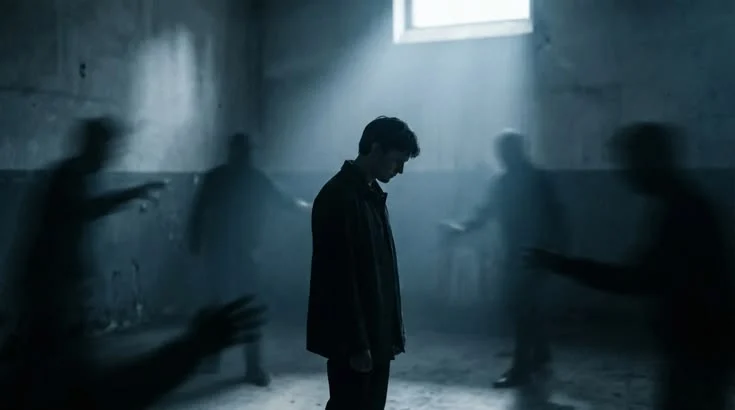
What Causes Depression?
There is usually no single cause.
WHO describes depression as arising from a complex interaction of social, psychological and biological factors.
Possible contributing factors include:
genetics
brain biology
hormonal changes
chronic illness
trauma
abuse
bereavement
major life changes
relationship difficulties
social isolation
financial stress
work or academic pressure
Certain medical conditions and medications can also produce symptoms that resemble depression.
Because of this, professional assessment can help determine whether another physical or mental health condition may be involved.
Who Can Develop Depression?
Anyone can experience depression.
It can affect:
children
teenagers
adults
older adults
people who appear successful
people with supportive families
people experiencing major hardship
Depression is not evidence of weakness, lack of gratitude or poor character.
NIMH notes that depression can affect people regardless of age, income, race, culture or education.
Life experiences may increase risk, but someone does not need to have experienced a major tragedy to develop depression.
How Is Depression Diagnosed?
Depression cannot be diagnosed from a single symptom or an online checklist.
A qualified healthcare professional typically asks about:
symptoms
how long they have lasted
how frequently they occur
their severity
sleep
appetite
energy
daily functioning
medical history
medications
substance use
NIMH notes that medical conditions such as thyroid disorders and some medications can produce symptoms similar to depression, so a healthcare professional may use physical examinations or tests when appropriate.
For major depression, symptoms generally persist most of the day, nearly every day, for at least two weeks, and depressed mood or loss of interest must be among the symptoms.
Can Depression Be Treated?
Yes.
Depression is treatable, and effective treatments are available.
WHO notes that psychological therapies and medications can effectively treat depression.
Treatment may include:
psychotherapy
antidepressant medication
lifestyle support
treatment of underlying medical conditions
or a combination of approaches
The best treatment depends on the person's symptoms, severity, health history and individual needs.
Some people respond well to psychotherapy alone, while others may benefit from medication or combined care.
Treatment should be discussed with a qualified doctor or mental-health professional.
Vaikunth Chaturdashi: Why Are Vishnu & Shiva Worshipped Together?
When Should Someone Seek Help?
Consider speaking with a healthcare professional if symptoms:
last for two weeks or longer
interfere with work or studies
affect relationships
make ordinary tasks difficult
cause major sleep or appetite changes
lead to significant social withdrawal
create feelings of hopelessness
Professional support does not require waiting until symptoms become severe.
Early help may make recovery easier.
What If Someone Has Thoughts of Self-Harm or Suicide?
Thoughts of death or suicide can occur in depression and should be taken seriously.
If someone is in immediate danger or may act on thoughts of self-harm, contact local emergency services or go to the nearest emergency department.
Do not leave a person in immediate danger alone.
If you are worried about yourself or someone else but there is no immediate emergency, reach out to a qualified mental-health professional, doctor, trusted person or local crisis service as soon as possible.
Depression at a Glance
Condition: Depressive disorder / depression
Core symptoms: Persistent low mood or loss of interest
Typical duration for a depressive episode: At least two weeks
Possible symptoms: Sadness, hopelessness, fatigue, sleep changes, appetite changes, low self-worth and difficulty concentrating
Common types: Major depressive disorder, persistent depressive disorder, seasonal affective disorder and perinatal depression
Possible causes: Combination of biological, psychological and social factors
Treatment: Psychological therapy, medication when appropriate and professional mental-health care
Important: Depression is treatable.
Personal Session
If you are seeking greater clarity around personal patterns, relationships or life direction, a personal-development session may offer space for reflection.
Book Now
Read Latest Articles
Vaikunth Chaturdashi: Why Are Vishnu & Shiva Worshipped Together?
Bhai Dooj Date: Tilak Muhurat, Puja Time & Complete Vidhi
Frequently Asked Questions
Q.What is depression?
Depression is a mental health condition characterised by persistent low mood or loss of interest or pleasure in activities. Symptoms usually occur most of the day, nearly every day, for at least two weeks and can affect sleep, appetite, concentration, energy, relationships and daily functioning. Depression is different from temporary sadness and effective treatments are available.Q.Is depression the same as being sad?
No. Sadness is a normal emotion that usually changes with time and circumstances. Depression is more persistent and can significantly affect everyday functioning.Q. How long do depression symptoms need to last?
For a major depressive episode, symptoms generally occur most of the day, nearly every day, for at least two weeks.Q.What are the most common symptoms of depression?
Common symptoms include low mood, loss of interest, fatigue, hopelessness, sleep problems, appetite changes, difficulty concentrating and feelings of worthlessness.Q.Can depression cause physical symptoms?
Yes. Some people experience fatigue, headaches, body pain, digestive problems or other physical symptoms alongside emotional changes.Q.What are the main types of depression?
Common forms include major depressive disorder, persistent depressive disorder, seasonal affective disorder, perinatal depression and depression with psychotic symptoms.Q.Can depression happen without an obvious reason?
Yes. Depression may arise from interacting biological, psychological and social factors, and there may not always be one identifiable trigger.